Commercial Roofing Services
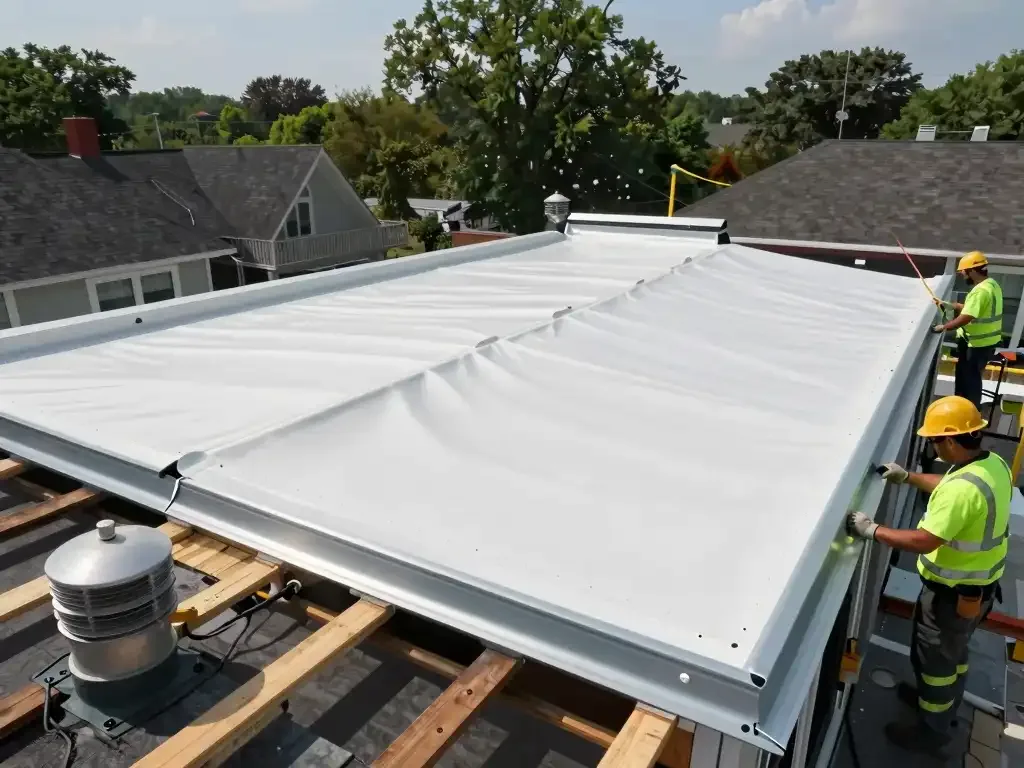
Roof service starts with the condition at the building, the people using it and the time available to close each work area. Commercial Roofing Athens inspects and maintains low-slope and metal roofs, repairs local failures, restores compatible assemblies and replaces systems that have reached the end of a practical repair path. A roof walk records membrane, flashings, edges, drainage, penetrations and visible moisture concerns before a scope is priced. Where conditions remain concealed, the estimate identifies the test or access needed to resolve them. That process serves property managers near the University of Georgia, healthcare facilities such as Piedmont Athens Regional and manufacturing sites along the Commerce I-85 corridor, each with its own access and operating schedule.
Commercial Roofing Services in Athens
Choose the next roof decision
A recurring leak needs a traceable repair plan, not a guess from an interior stain. We locate the likely water path, photograph the detail and distinguish a local correction from wider membrane or deck failure. Commercial roof inspection documents the current assembly; targeted roof repair addresses confirmed defects. When an opening needs immediate protection, emergency roof stabilization is recorded separately from permanent work. If the roof has broader deterioration, replacement planning identifies removal, insulation, edge and access decisions. We also evaluate roof recover options when existing layers, deck, drainage and perimeter conditions support them. We match the scope to inspected membrane, attachment, moisture, drainage and perimeter conditions.
Inspect before setting quantity
Each inspection ties findings to roof zones so the owner can see where a seam, curb, drain or wall transition needs attention. We photograph visible conditions and identify tests for suspected wet insulation, hidden layers or uncertain deck attachment. A moisture survey can help map a suspected area for verification, while a drone roof review can document portions that are difficult to reach. An interior stain guides the survey as we trace the roof condition and verify the water path. Athens’ humid summers and frequent warm-season storms make drainage, secure edges and planned dry-in points relevant to sequencing. After reported hail or damaging wind, an event-specific inspection checks seams, edge metal, penetrations and drainage before repairs are scoped. Inspection records the roof itself before repair or replacement changes the evidence.
Keep operating areas in the sequence
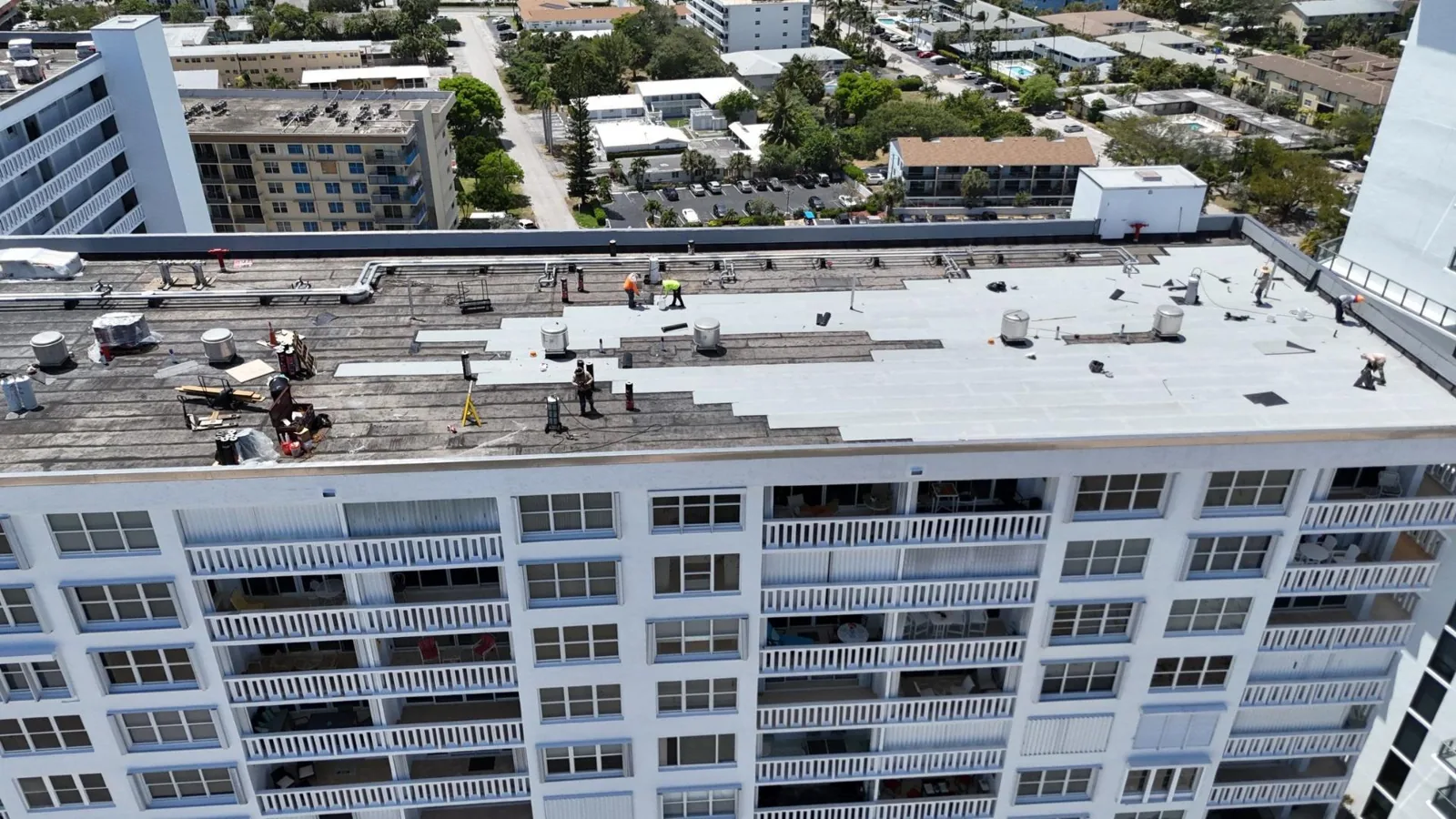
Commercial work can be phased around tenants, classrooms, patient services, production or deliveries. Before mobilization, the contact confirms access, notices, equipment windows, staging and who can pause work. The crew opens only an area it can dry in, completes the details and releases that zone before moving ahead. Occupied-building reroofing sets daily handoffs; preventive maintenance records changing conditions before emergency mobilization. The schedule lists material delivery, safe stopping point and turnover needs. This matters at a busy Athens campus and in Watkinsville or Commerce, where operating rules differ.
Price the work the roof needs
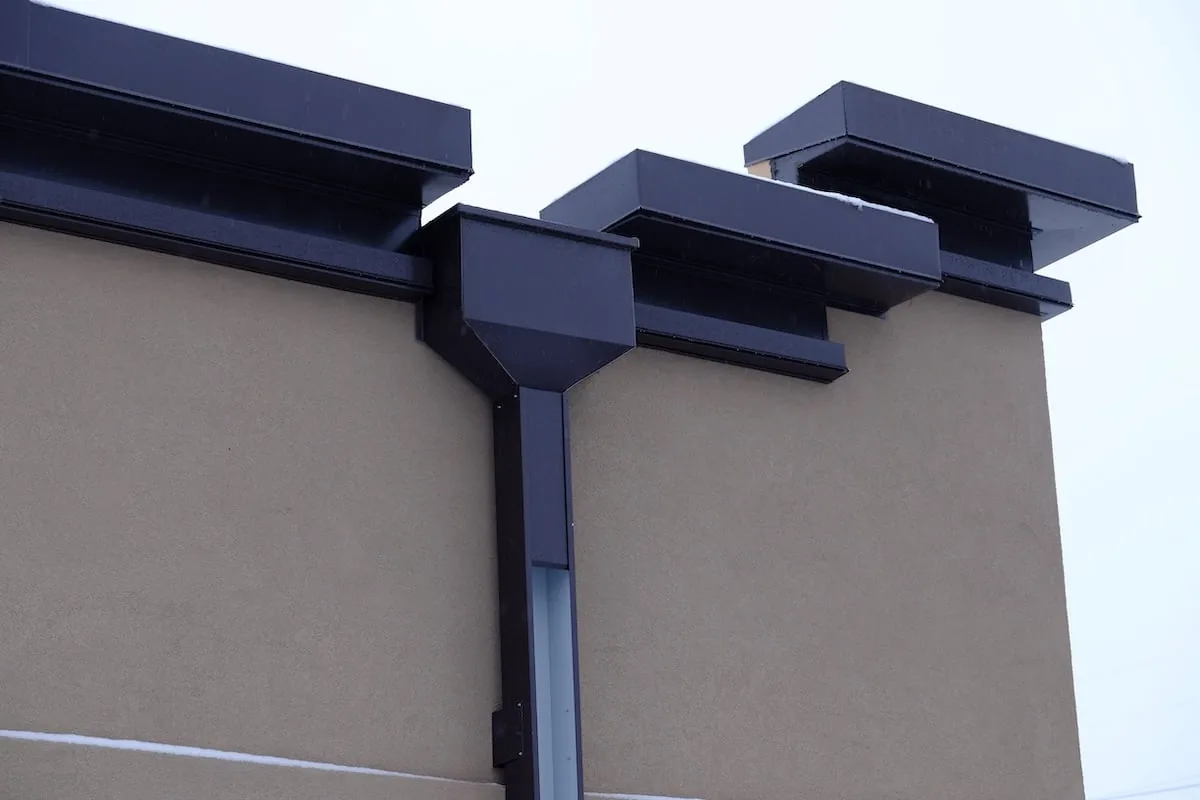
Cost and timing follow measured roof area, removal, disposal, insulation, deck repairs, perimeter details, equipment access and the protection needed below. A proposal separates confirmed work from testing or approvals that could change quantity. If replacement is not yet supported, a local repair may preserve sound material; if failures extend across zones, a broader assembly scope may be more appropriate. Recover and coating require compatibility checks rather than assumptions. After severe weather, we inspect seams, edge metal, penetrations and drainage before documenting a repair path. Owners receive a written scope with access limits, work phases and closeout needs. The goal is a roof decision the property manager can schedule and explain, from the first survey through the final section release.
Frequently Asked Questions
Can you inspect before deciding between repair and replacement?
Yes. The roof walk records visible conditions, likely water paths and any test needed to verify concealed layers before the scope is selected.
How do you plan work around occupants?
The property contact approves access, notices, equipment windows and protection below. We complete and dry in each defined area before moving the crew.
What happens after a severe-weather report?
We inspect the roof, photograph affected details and separate immediate protection from permanent repair. The scope lists work supported by the building inspection.
What information do you provide after a repair?
The closeout ties photos and work performed to roof zones, lists tests still open and identifies any access or maintenance item for the next visit.