Commercial Roofing at Athens Commerce Park, Athens, GA
Home / Service Areas / Athens Commerce Park
Athens Commerce Park
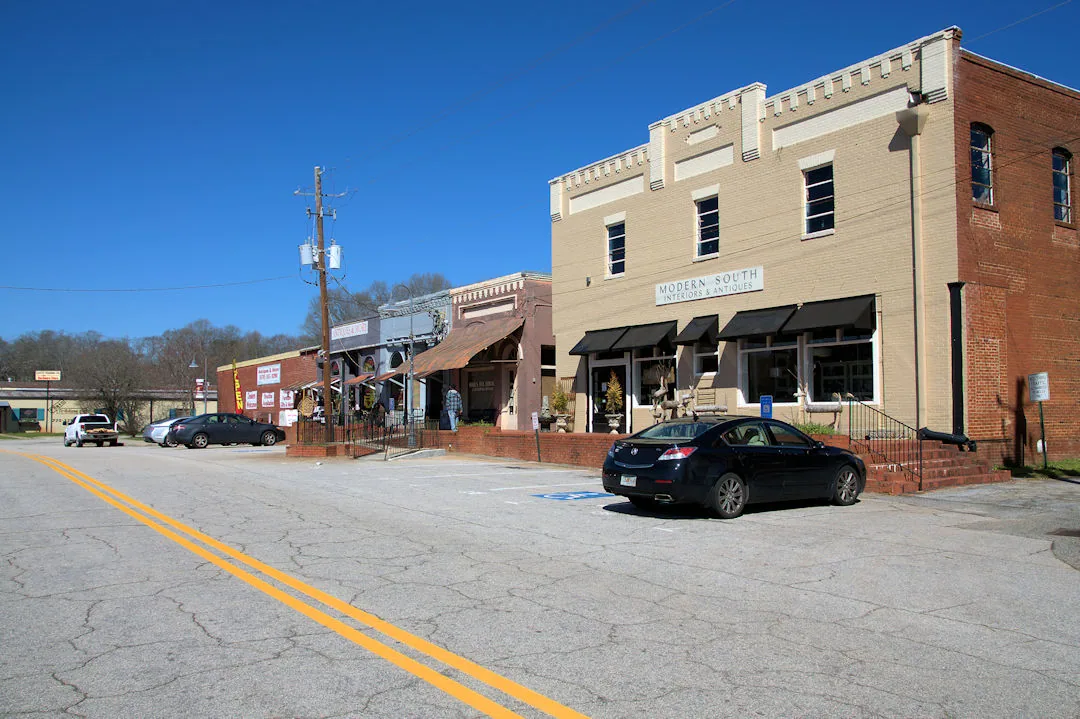
Flatbed access begins on Atlanta Highway, then continues through the circular drive to Jennings Mill Parkway at Athens Commerce Park. That route matters before a roofing crew arrives: we confirm the building address, receiving hours, staging space and the route that must stay open for each tenant. More than 50 businesses occupy over 100 acres in the west-Athens park, which was developed for small and medium-sized businesses. We survey each tenant building for roof type, drainage, curbs and perimeter conditions before pricing. We walk the selected roof and record membrane, drains, edge details, curbs and penetrations, then match the work area to an operating schedule. Jennings Mill Parkway’s connection to four-lane Highway 316 can inform delivery planning, but the property contact still confirms the actual gate and truck path. Athens’ hot, humid summers and warm-season storms make a limited tear-off section and confirmed dry-in point central to the mobilization plan.
Confirm the delivery path
The circular drive can connect tenant buildings, but it does not answer where a flatbed can unload or how long a delivery can occupy a lane. We review turning clearance, overhead obstructions, receiving windows and the place where membrane rolls or insulation can be protected. If a crane pick is needed, the lift zone, setup surface and pedestrian control are confirmed before ordering. The property manager identifies tenant entrances, service doors, parking activity and any hours when noise should stop. We assign a laydown area close enough to limit repeated handling, while keeping exits, fire access and storm drains clear. The route is checked again on mobilization day because parked vehicles or scheduled deliveries may change the conditions. A project at nearby Coggins Park or Athena Industrial Park uses another property’s access plan and should not be scheduled from this park’s drive arrangement.

Use the roof walk to define scope
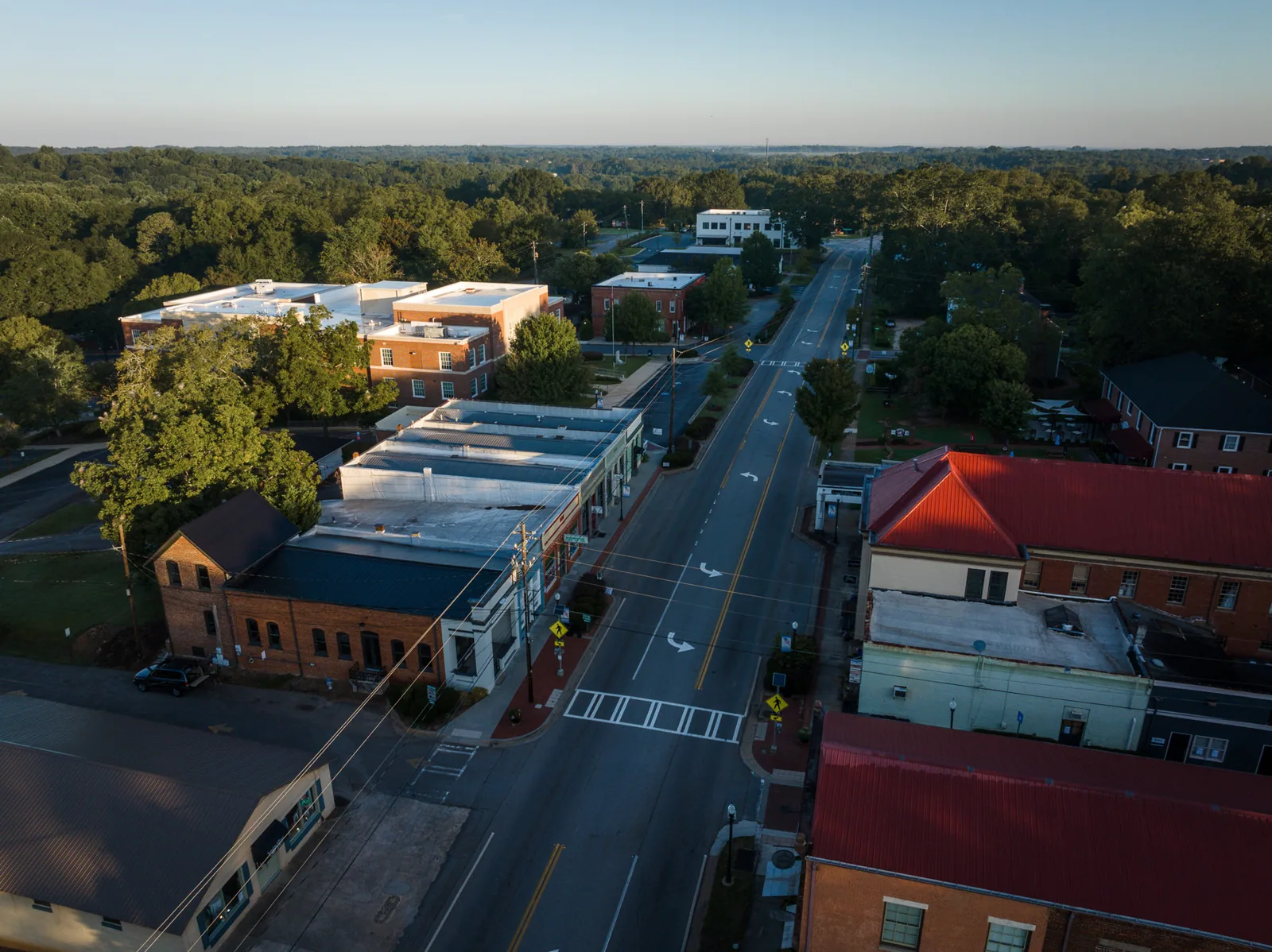
The first roof walk separates visible repair items from questions that need testing. We inspect seams, membrane splits, patches, perimeter metal, wall transitions, curbs, skylights and drainage points, then photograph each finding by roof zone. A water stain below may help locate a concern but does not identify the entry detail by itself. We trace the likely path and record whether insulation or deck condition remains unknown. If moisture is suspected below a membrane, a targeted survey or test cut can support the scope rather than opening a larger area without evidence. We also verify the number of existing layers, attachment and edge height before considering recover. The report sets out which repairs can proceed, what requires confirmation and what would trigger broader replacement. A roof inspection can establish that baseline, while photos and a condition report keep the findings useful to property operations after the visit.
Choose the least disruptive sound scope
When one seam, curb or edge has failed and surrounding material remains sound, a localized repair may protect the building without disturbing the full roof. If moisture reaches insulation, seams fail across multiple zones, or the deck has deteriorated, a larger replacement or recover assessment may be appropriate. We explain the evidence for each option and the condition that still needs testing. Cost and timing change with measured area, removal depth, disposal, insulation, deck repair, rooftop equipment, access and the number of transitions to rebuild. A coating is not a shortcut over an unstable or wet assembly; the substrate and drainage must be suitable first. For a confirmed defect, the crew can complete a targeted roof repair; broader work may involve recover evaluation or replacement planning. We state allowances and concealed-condition limits in the written scope.

Stage tenant work in short sections
Each phase begins with a marked roof area, access route and tie-in that can be secured before the crew leaves. We coordinate noisy removal and material movement with the tenant contact, protect equipment and openings, then remove only the section that can be dried in during the shift. New insulation and membrane proceed in the approved sequence; drains, walls, curbs and perimeter edges are completed before the zone is accepted. Daily cleanup includes the ground route and staging area, not just the roof surface. If a concealed deck issue changes the detail, the crew stops at a safe boundary, documents the condition and waits for direction on added work. A phased roof plan records tenant notices, pedestrian paths and handoffs, while a curb review coordinates units that need service during the project. The property manager receives schedule changes before the next crew movement.
A park with more than 50 businesses across over 100 acres needs property-level scheduling even when buildings share a commercial drive. The owner identifies which tenant controls each roof, where deliveries can turn and which operating routes must remain open. A portfolio-wide request can combine inspections, but the scope and signoff stay tied to the individual building. For each phase, we record the access contact, active work boundary, tenant notice and release time in the property handoff.
Protect the tie-in before a hold
Warm-season thunderstorms can shorten the available roof window in Athens. We identify the maximum area to open, materials for temporary protection and the person authorized to call a weather hold. The crew checks conditions during the shift, secures stock and completes the dry-in point before moving to another tenant area. If rain, lightning or wind approaches, work stops where access becomes unsafe, the open boundary is protected when conditions permit and the property contact receives an updated plan. Athens’ spring and summer storms make a small exposed area and secure daily tie-in important at Commerce Park. We document observed membrane, edge metal and equipment conditions, then distinguish temporary stabilization from permanent repair. If water entry is active, emergency roof response can secure the opening before a complete repair scope is prepared. The closeout records any remaining inspection or test needed.
Return the roof and route to the tenant
At turnover, we inspect completed seams, terminations, penetrations and drains, then match photos to the roof-zone plan. The record records the material identified, work performed, areas that remained inaccessible and items that need follow-up. The property manager also confirms that temporary barriers, delivery materials and ground protection have been removed from the tenant route. If the project is phased, the handoff distinguishes finished roof from a protected section scheduled for later work. A clear closeout gives the next service visit a starting point and helps the owner compare future repair with capital replacement. We retain the agreed access plan with the roof record so a new tenant contact can confirm delivery or noise windows. Contact Commercial Roofing Athens to arrange the walk, establish a laydown area and price the work from actual roof conditions.
Related Roofing Work
Frequently Asked Questions
Does the park’s business count tell you how many roofs need work?
No. It describes businesses and acreage, not the condition or size of any roof. We inspect the chosen address and report what the assembly shows.
Can a delivery use the park’s circular drive?
We confirm truck turning, gate access, unload location and tenant activity with the property contact. Before delivery, we check turning space, unloading clearance and the approved laydown area with the site contact.
What must be settled before tear-off starts?
The work zone, delivery path, protection, dry-in limit, weather-hold contact and daily cleanup need agreement. We also verify equipment that must remain in service.
When is a recover appropriate for a Commerce Park roof?
Only after inspection of existing layers, moisture, attachment, deck, edge height and drainage. If any of those conditions remain uncertain, testing comes before the recommendation.
How do you handle roof access shared by tenants?
We map the route with the property manager, notify affected occupants and schedule material movement for an approved window. Barriers and cleanup stay tied to that same path.