
Commercial Modified Bitumen Roofing in Athens, GA
Home / Roof Systems / Commercial Modified Bitumen Roofing
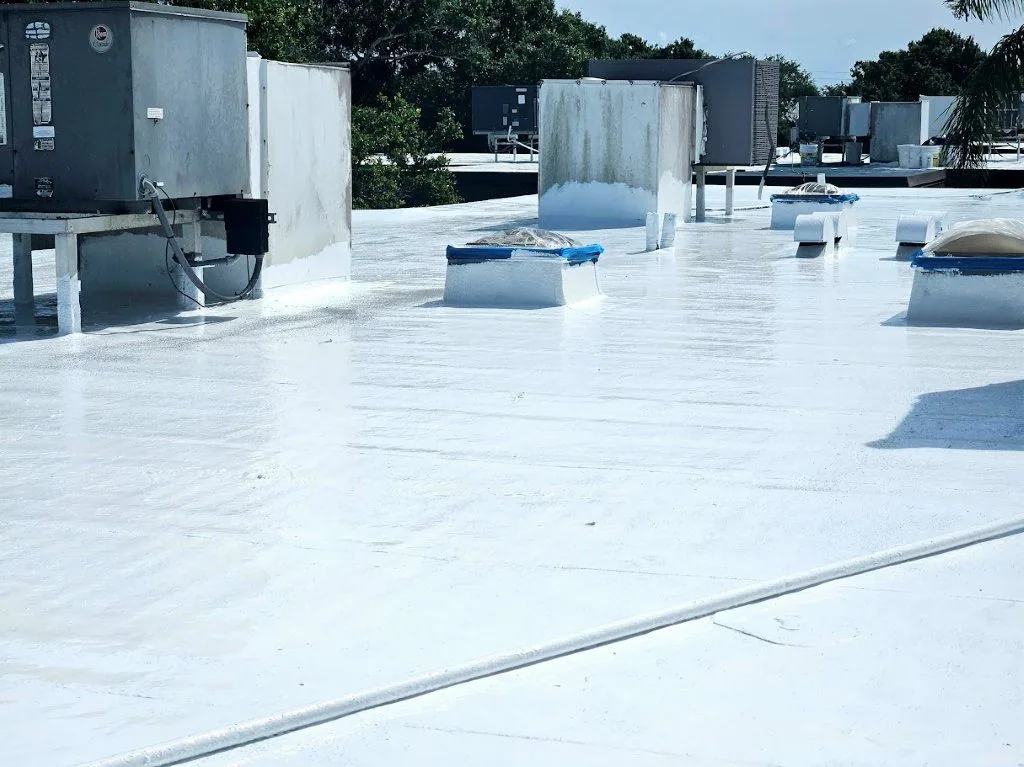
Commercial Modified Bitumen Roofing
Material rolls, heating equipment and roof access set the first work window for a modified-bitumen project. Before delivery, we inspect the existing assembly, deck, drains and penetrations, then determine which SBS or APP materials and application method fit. A school building in Athens or an industrial facility near East Jackson Industrial Park may have different access and staging limits, but both need a defined roof section and a safe material route. We document the existing layers and compare repair with replacement before pricing. A hands-on roof inspection helps establish what is sound and what needs removal.
Select SBS or APP by specification
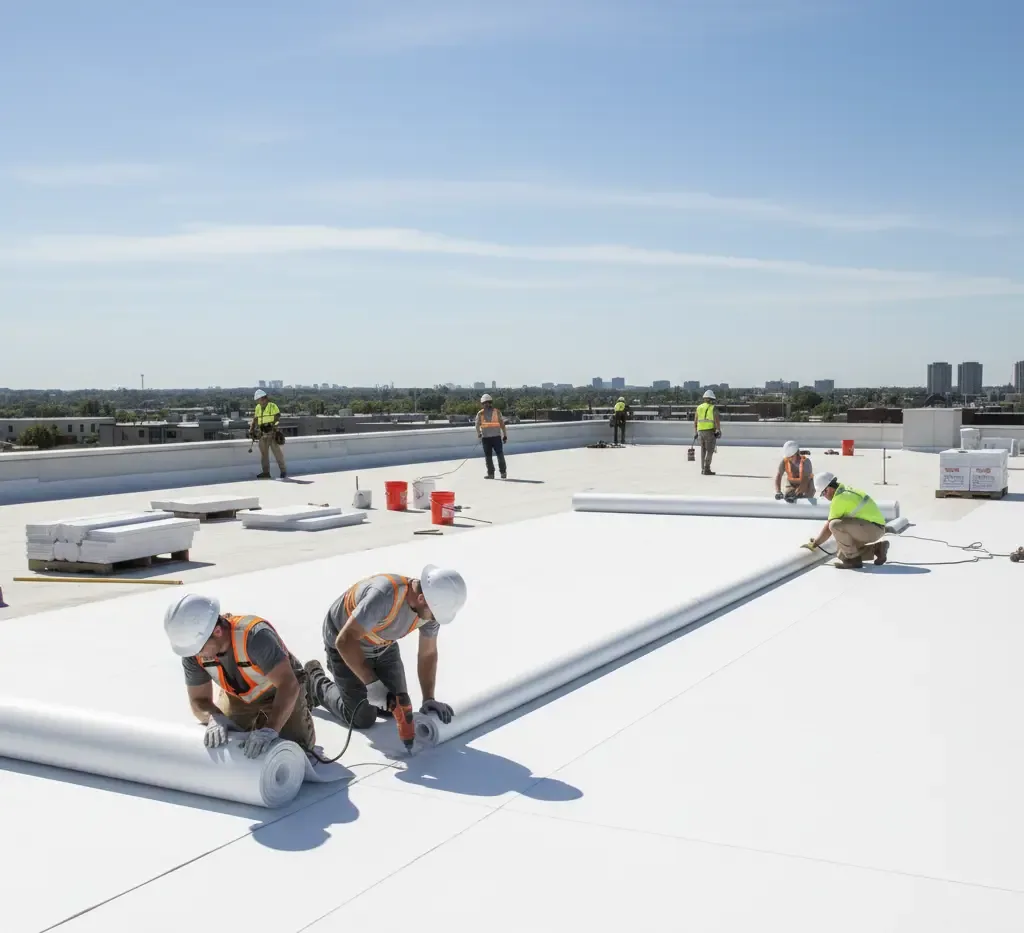
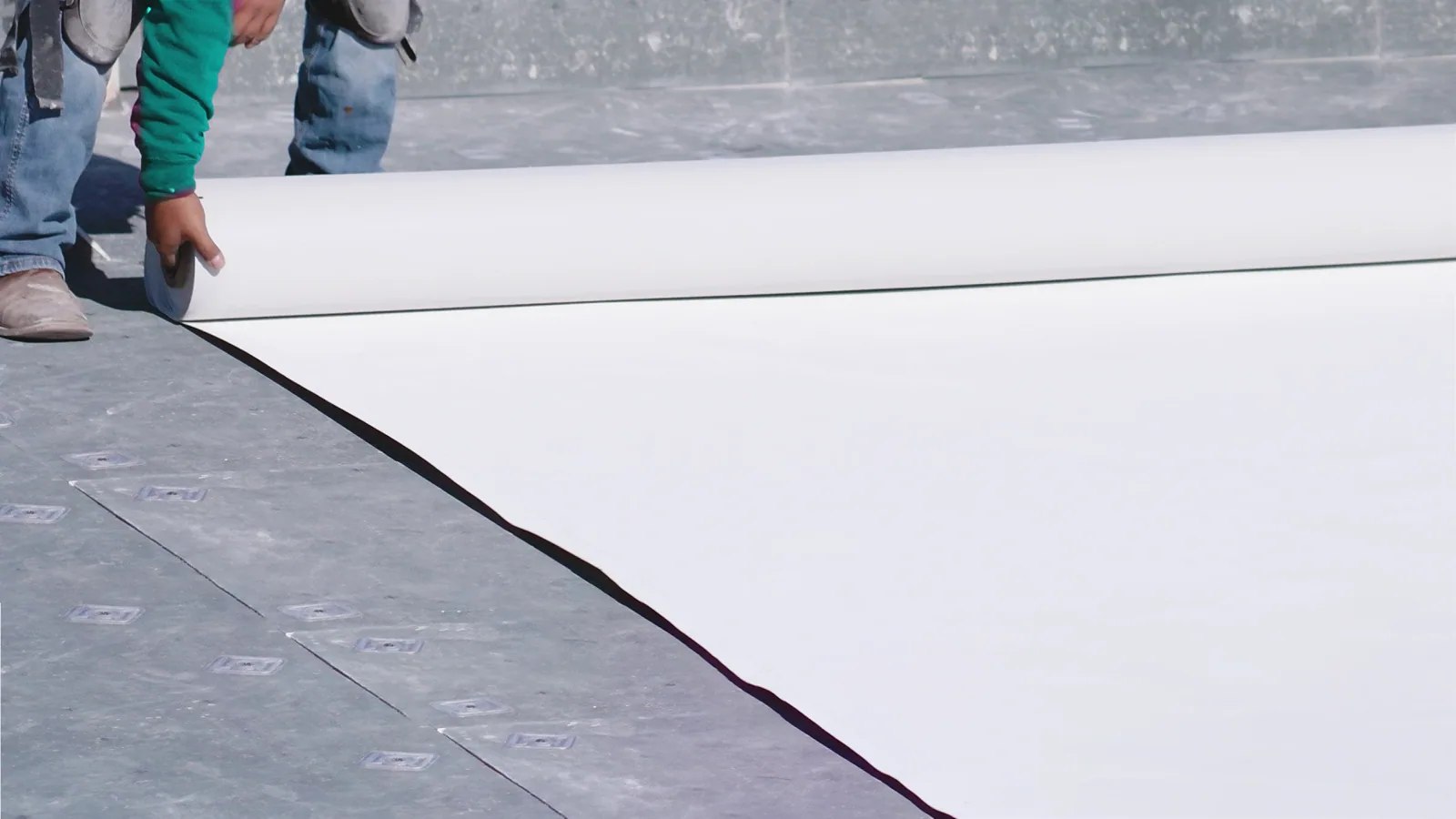
SBS and APP are modifiers used in asphalt roofing membranes, with product formulations and installation requirements defined by their manufacturers. The proposal should identify the specific cap sheet, base sheet, reinforcement, surfacing and method of attachment. Options can include torch-applied, cold-applied or self-adhered products when the roof and specification support that method. We review the deck, fire protection, access, adjacent construction and site rules before choosing a process.
One label does not define the complete assembly. The scope should state which layers are installed, how laps are joined, how flashing turns up at curbs and walls, and how the perimeter is secured. Existing roofs may have several layers or concealed moisture; test cuts can help verify those conditions. If a recover is considered, a recover review checks the current build-up and code conditions before another layer is added.
Build continuity through the plies
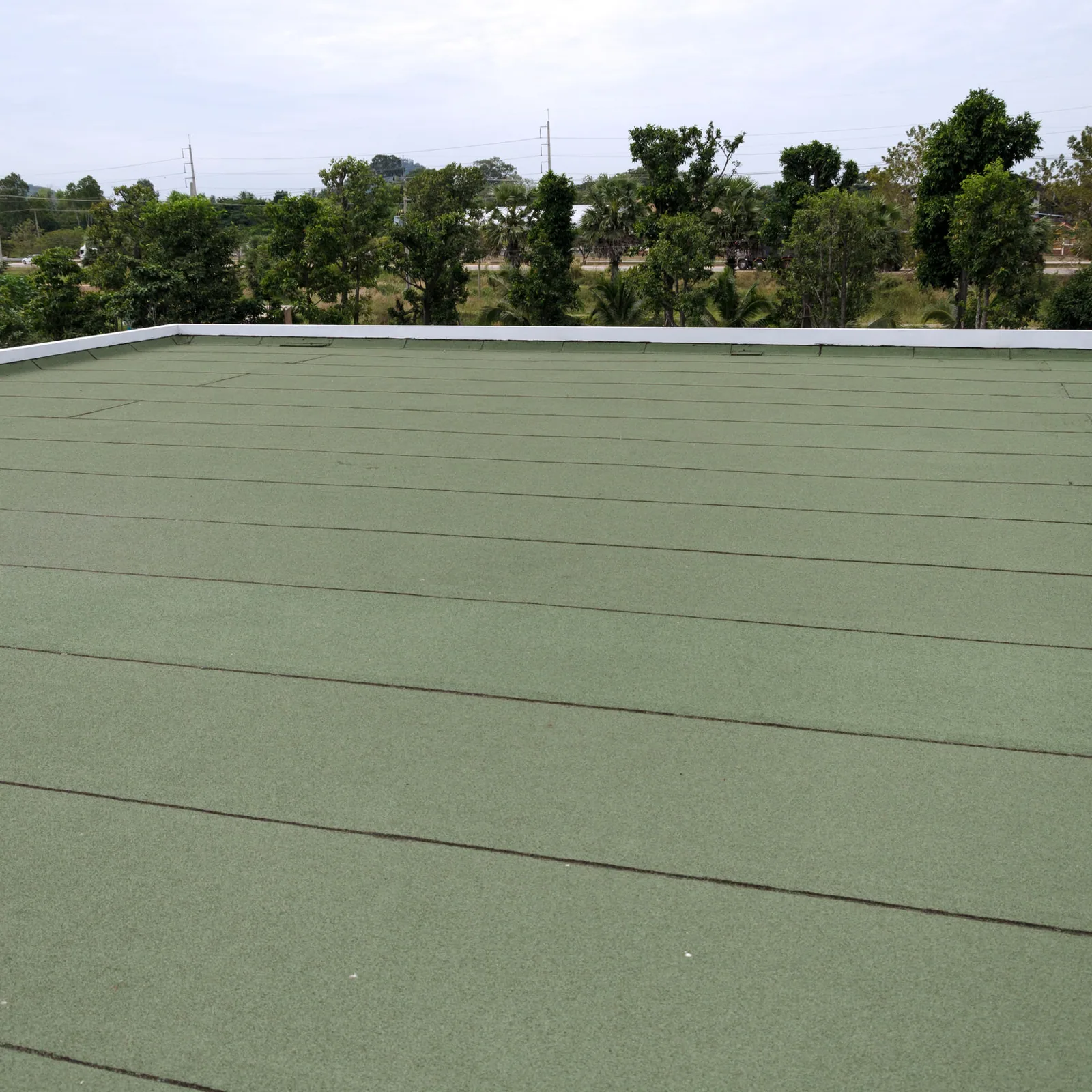
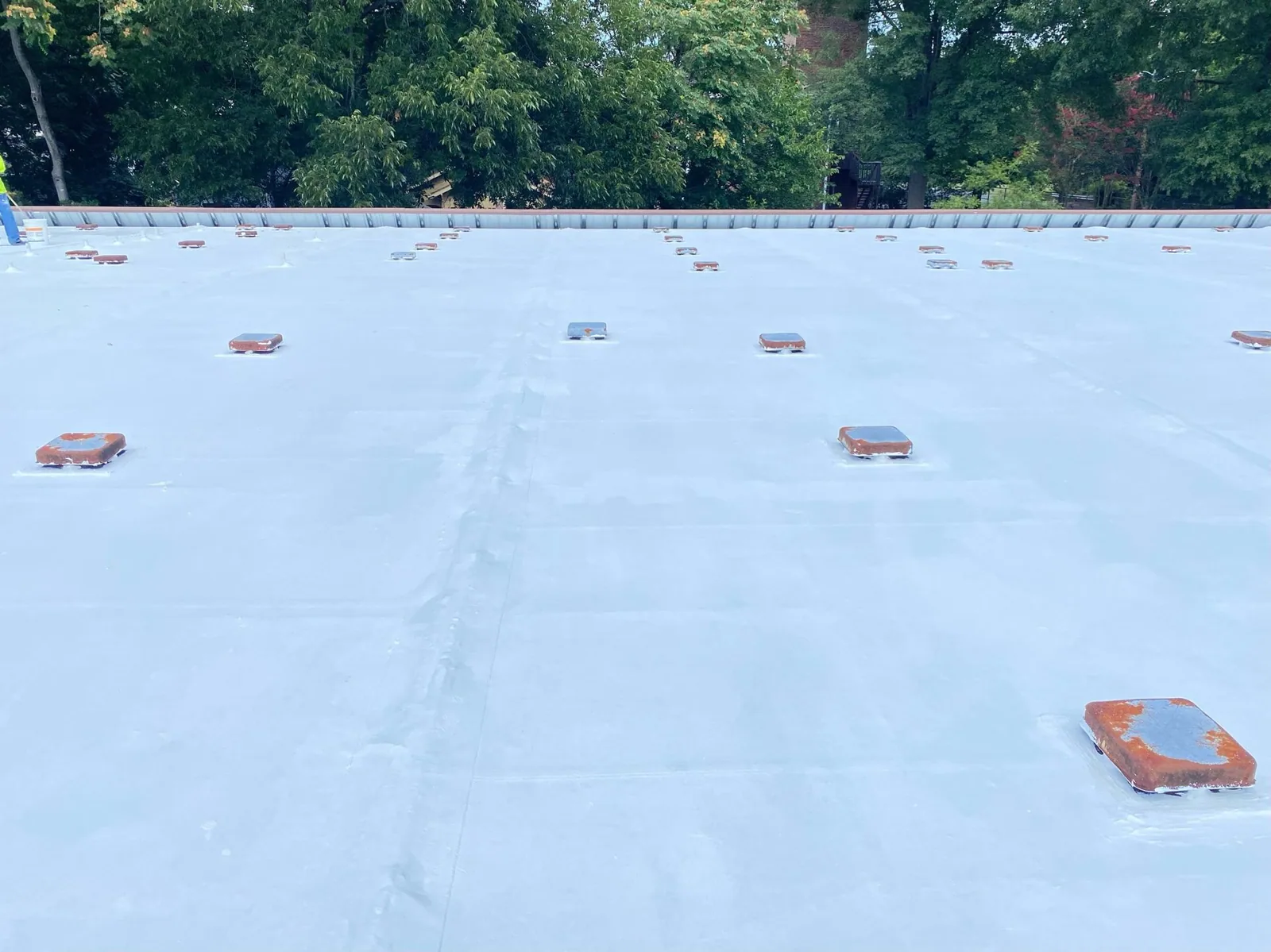
Multi-ply construction relies on continuous coverage and secure interply bonds. We inspect for splits, blisters, open laps, exposed reinforcement, surface loss and previous patches. At seams and transitions, we check whether the material is bonded, whether water can get beneath a lap and whether the detail still connects to the roof field. A repair should remove loose or damaged material and tie new roofing into sound layers rather than adding a cap over a failing joint.
Flashing at curbs, drains, scuppers, pipes and parapets must remain compatible with the specified system. The roof edge needs secure metal and a termination that resists water entry. Where several roof heights meet, we identify the transition and how runoff moves across it. A coping and edge scope or drainage correction can be included when those details share the repair boundary.
Control heat and open-flame work
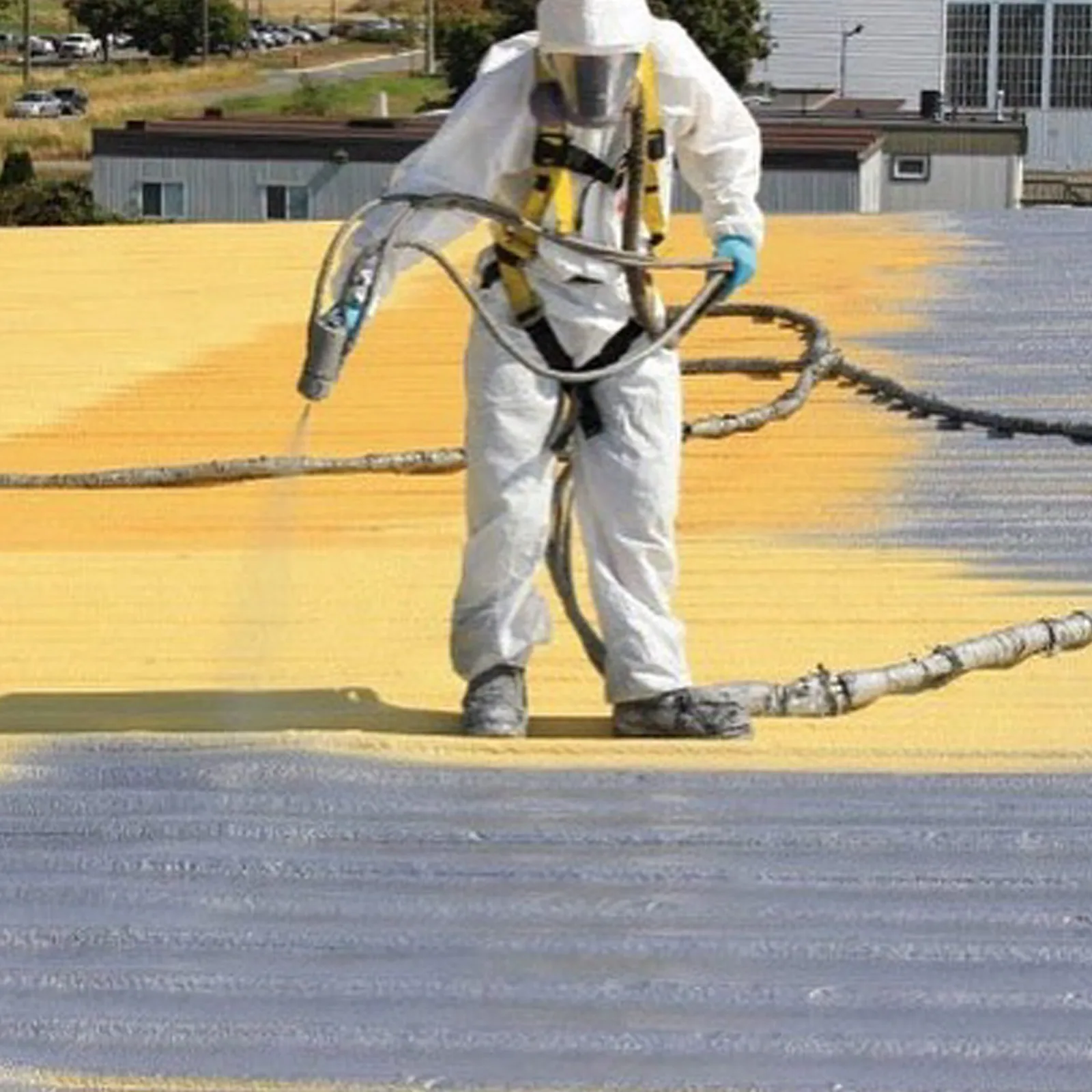
Application method affects staging, crew protection and what areas can be worked at once. If the project specifies torch application, the site plan must address fire prevention, nearby materials, monitoring and the property’s hot-work approval process. Other product methods may avoid an open flame but still have temperature, ventilation or curing requirements. We confirm those conditions before materials are delivered and coordinate with the authorized facility contact.
Athens has hot summers, frequent thunderstorms and occasional winter freezes. We check surface moisture and product conditions, then choose a sequence that can be completed and protected within the weather window. The crew establishes a dry-in point before removing existing material, maintains a controlled work area and inspects the completed layers before covering them. If rain or unsafe wind changes the shift, the roof is secured at the agreed boundary and the schedule is updated.
Hot-applied and torch-applied work calls for a site-specific fire-control plan before rolls arrive. The crew identifies combustible materials, protected wall and deck conditions, extinguishers, fire watch coverage and the person authorized to release each work area. Self-adhered or cold-applied methods have their own substrate, temperature and pressure requirements; they are not automatic substitutions when a roof is difficult to access. The project scope should name the approved application method, transitions and daily inspection steps so the owner knows how the layers will be installed and how exposed edges will be protected.
Coordinate staging with the property
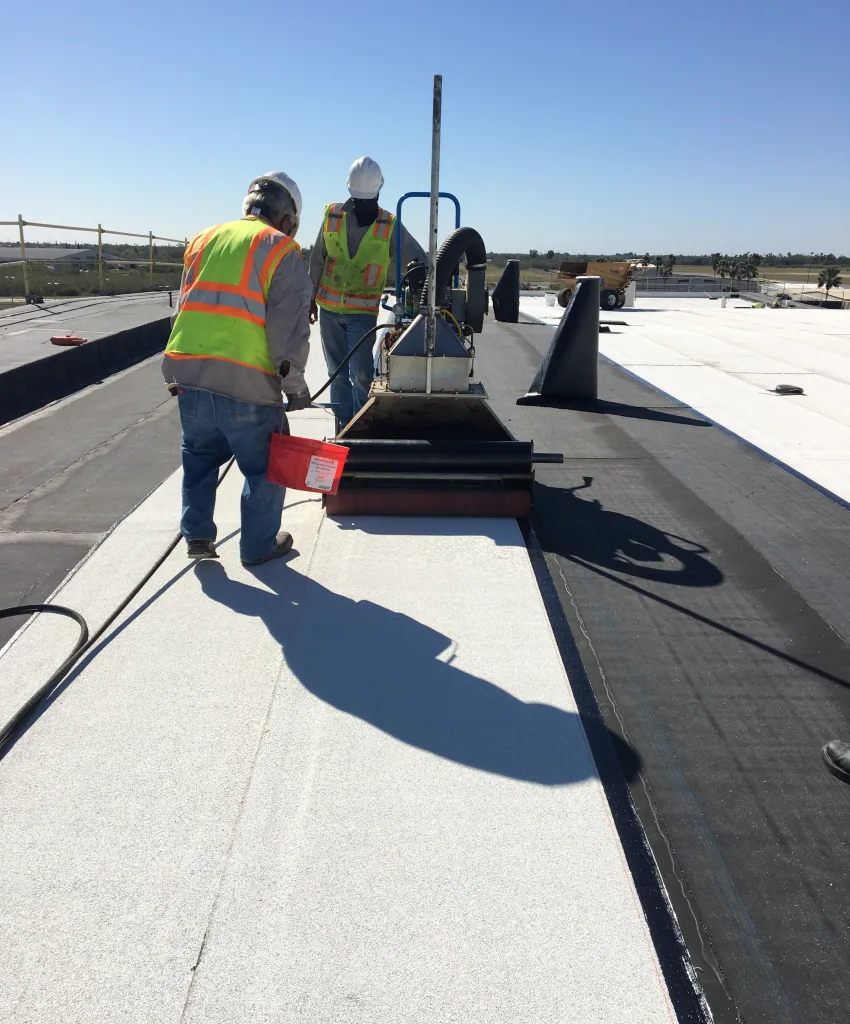
Modified-bitumen rolls, adhesives and heating equipment need a planned staging area and route to the roof. We confirm delivery time, loading space, lifts, crane requirements, pedestrian paths and any equipment that must remain in service. The Athens Technical College campus sits north of downtown on North Athens commercial area, while Barnett Shoals Road is a commercial corridor on the East Side. For each address, we confirm a delivery window, laydown point and restricted entrance before mobilization. Rolls are staged beside the active section without blocking service access or roof drains.
Work proceeds by section, with each completed ply inspected and tied in before the next area opens. At turnover, we clear debris, check drains and report any concealed condition that needs an owner decision. If roof access is limited, we record the sections not reached. An active leak can be handled as a separate service from larger replacement work, keeping immediate protection distinct from long-term planning.
Compare layered systems and membranes
Modified bitumen and built-up roofing both use multiple layers, but their sheets, surfacing and installation methods differ. Single-ply TPO, PVC, EPDM and KEE use other seam strategies. We compare the roof’s structure, drainage, use, access and maintenance needs before selecting an assembly. A new system must be compatible with the substrate and fit the project requirements rather than being chosen only because it matches the old roof.
When broad moisture, deck deterioration or repeated failure is present, the owner may compare localized repairs, selective removal and full replacement. For a sound roof with a compatible surface, coating may be another option, but coatings do not rebuild failed plies or correct a weak deck. The inspection record identifies which conditions support each direction.
Specify the complete assembly
Provide the current roof plans, past repair records, known leaks, access rules and any product specifications. We will review the layers, deck, drains and parapet transitions, then identify which sections need repair or removal. If torch work or other controlled application is proposed, include the facility’s hot-work and fire-safety process in planning.
Commercial Roofing Athens can prepare a modified-bitumen scope with product, ply count, application method, flashing and staging stated by section. Schedule a roof walk to map access, material delivery, occupied routes and weather holds before pricing the work.
Frequently Asked Questions
What is the difference between SBS and APP roofing?
They are different modifiers used in bitumen membranes, and the specific product instructions determine its installation and performance characteristics. We compare named products and methods against the roof, exposure and project specification rather than treating every modified-bitumen sheet as interchangeable.
Does modified bitumen always require torch application?
No. Product options may include torch-applied, cold-applied or self-adhered systems, depending on the manufacturer and project design. We review the substrate, site safety requirements and installation instructions before selecting a method.
Can a new ply be placed over the existing roof?
Only if the existing layers, moisture condition, deck and applicable requirements support a recover. We inspect edges and may make test cuts before recommending another layer. Saturated or unstable materials should be addressed before a new assembly is installed.
How do you manage torch work around an occupied building?
The project must define hot-work approval, fire prevention, monitoring, access and staging before the crew begins. The property representative confirms site procedures and which areas need protection. Work is divided into sections with a secure stopping point and inspection before turnover.
What details should be included in a modified-bitumen proposal?
The scope should name product layers, attachment or application method, flashing, edge metal, drains, work limits, staging and inspection steps. It should also state how hidden moisture or deck damage would be handled if removal reveals a condition not visible during the initial walk.