Commercial Roofing for Manufacturers in Athens, GA
Home / Industries We Serve / Manufacturers
Manufacturers
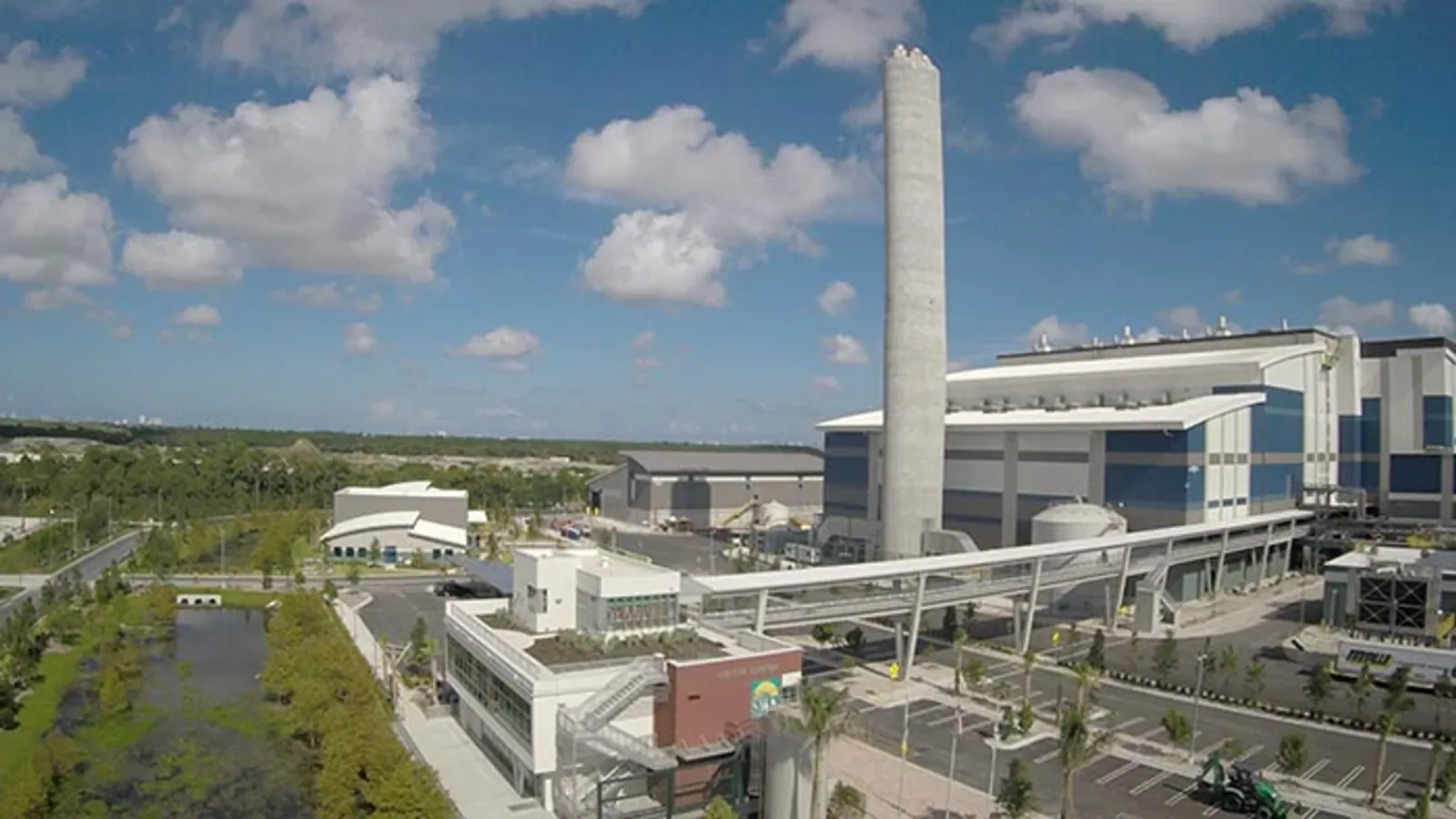
A production line can keep moving only if roof work has a defined boundary, an approved access route and a dry-in point the facility contact accepts. We begin by mapping the building, locating equipment and documenting which areas can be reached without crossing active operations. Athens-Clarke County’s employer base includes the Caterpillar Athens Plant, while Commerce has vehicle manufacturing and an announced battery-facility expansion. At Commerce I-85 industrial corridor or an Athens plant, the facility manager confirms actual shift, delivery and safety rules before a phased roof scope is priced.
Map the work beside production
The field walk follows the route from gate to staging, roof access and each proposed work area. We record overhead doors, shipping lanes, forklift paths, employee entrances and locations where a crane pick could interrupt movement. Inside, the contact identifies sensitive process zones, equipment that cannot be exposed to dust or water and any ventilation restrictions. The roof plan then separates those operating constraints from the physical condition so the first phase can be selected on evidence rather than a convenient drawing boundary.
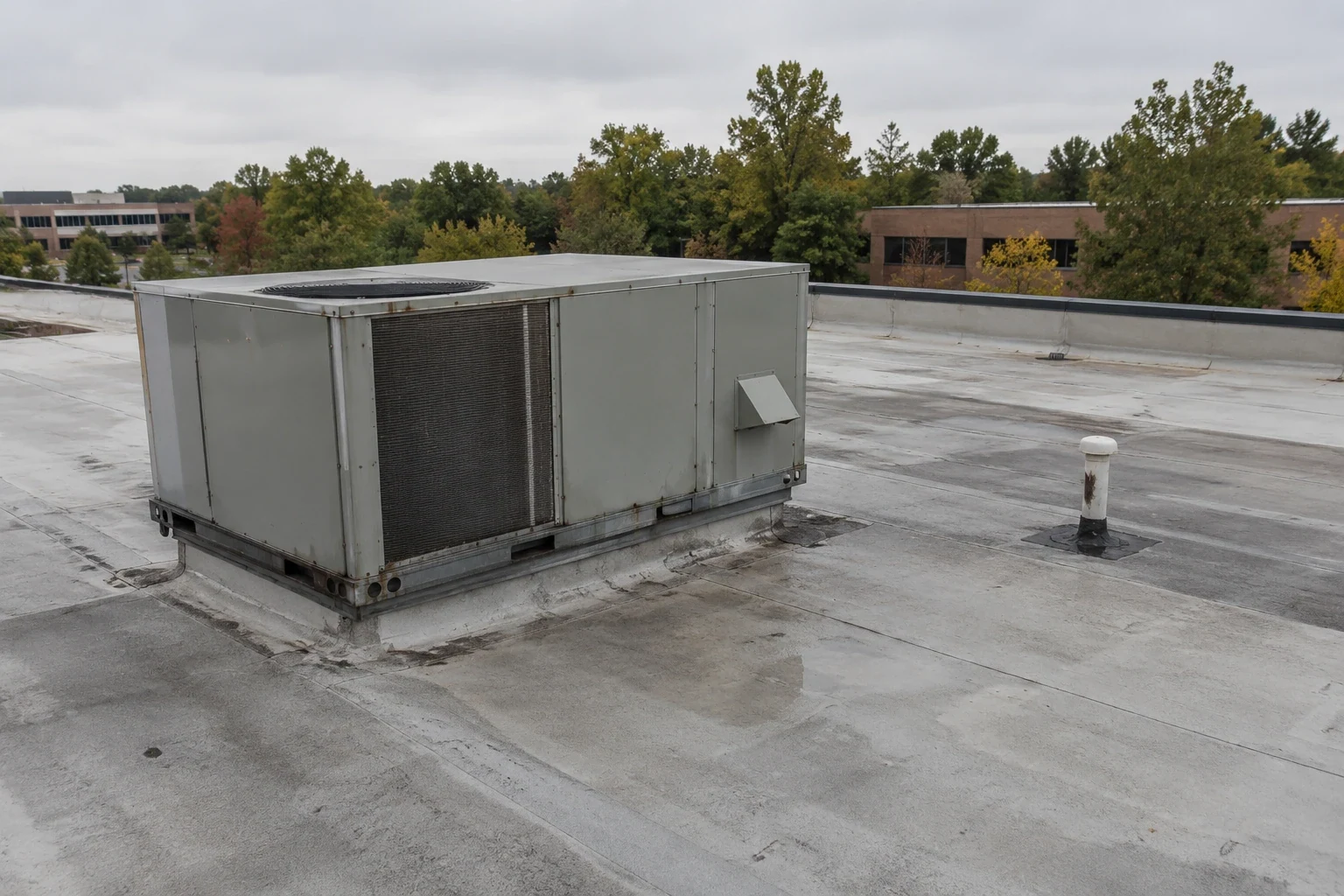
Manufacturing sites often have rooftop units, exhaust, piping, skylights and curbs that complicate membrane transitions. We record each penetration and clearance, identify equipment requiring shutdown coordination and mark which details must be complete before the next section opens. A production supervisor can set no-work periods around changeovers or deliveries. That information shapes the mobilization window, material delivery route and daily cleanup plan, while the roof assessment determines where repair, recover or replacement belongs.
Inspect the roof before disrupting a shift
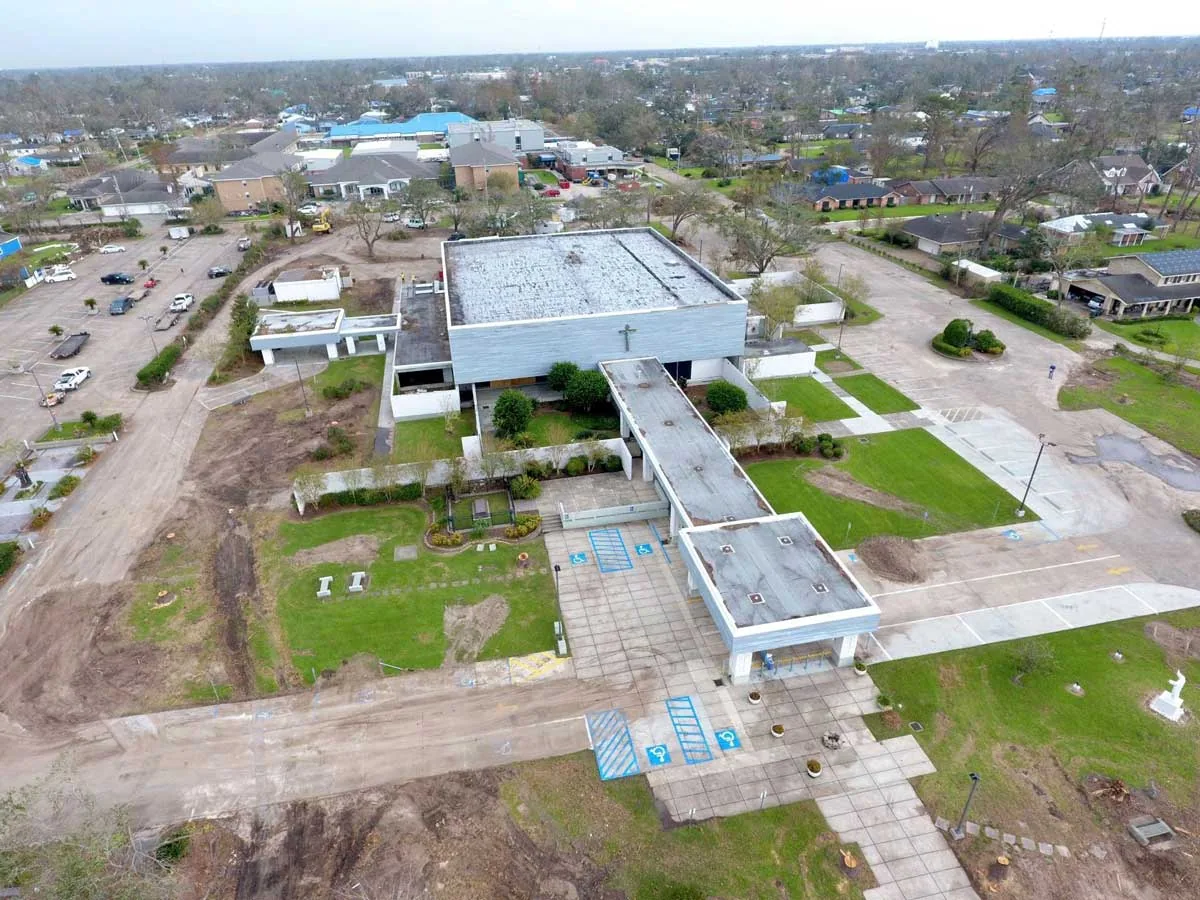
A leak report near equipment requires a trace from the interior location to the roof details above and around it. We inspect seams, penetrations, curbs, drains, edges and previous patches, then photograph the conditions found. If moisture may have spread into insulation, we identify a test area and state what the result changes. The moisture survey can help locate areas for investigation; sampling confirms the layers. A written condition inspection keeps confirmed repairs separate from questions that still need testing.
The scope records the existing system where visible, deck access, drainage path and interfaces between building additions. We inspect the plant’s membrane, insulation, penetrations, drainage and deck before defining a repair or replacement scope. We inspect the specific building, compare available plans with field conditions and record inaccessible areas. When a concealed condition could affect quantities, we identify the test location and the next decision. This gives plant leadership a way to approve investigation without turning an uncertain roof area into an unsupported replacement allowance.
Keep each phase weather-tight
Warm-season thunderstorms are common in Athens, and north-central Georgia sees damaging wind, hail and tornado risk. We set the work sequence around an agreed dry-in boundary, forecast review and weather hold point. The plan identifies what can be opened in a shift, which materials must be ready and who can stop production on the roof when conditions change. If tear-off uncovers wet insulation or damaged deck, the crew secures the area and documents the added condition before proceeding beyond the agreed scope.
At each daily tie-in, the field lead checks the membrane, edge, penetrations and drains before releasing the roof section. The contact receives a status showing what is complete, what remains open and whether the next shift can use the planned route. A replacement scope can phase work around production, while a suitable dry and stable assembly may support a recover evaluation. The choice follows inspection findings, attachment needs and code requirements, not a preference to avoid disruption.
Coordinate equipment and shutdowns
Rooftop equipment can require a separate sequence when service clearances, vibration or exhaust affect the roof detail. We mark curbs, conduit, pipe supports and access paths, then coordinate with plant maintenance before lifting material or working around a unit. A curb and support review identifies flashing and attachment conditions that should be corrected within the roof scope. If a unit must be isolated, the facility contact defines the approved outage window and the crew records the release before work starts.
Procurement and operations also need a clear material plan. We list the system components, delivery access and laydown area, then record any truck or crane movement that competes with shipping. The schedule assigns a contact for gate access and a decision path for concealed conditions. A property manager coordinating adjoining offices or a logistics operator sharing a campus can use the same sequence record while keeping each building’s roof findings distinct.
Before a plant roof phase, the owner and contractor identify process equipment, exhaust paths, utility penetrations and any shutdown that must be approved by operations. The drawings should distinguish existing service supports from roofing work so a membrane detail is not loaded with equipment responsibility it was not designed to carry. If a unit must be moved or isolated, the mechanical contractor and plant representative confirm the sequence before roofing begins. At turnover, the roof file records changed details and service clearances so future maintenance does not inadvertently damage a new flashing or seam.
Turn over a roof record the plant can use
Before a phase closes, we inspect the finished seam and flashing, verify drains and remove daily debris from the work route. Photographs identify completed areas and any item requiring follow-up. The turnover record records the system installed or repaired, the boundary of the work and any condition deferred for a separate decision. That is useful when maintenance technicians need to trace a future report to a specific zone without stopping a production line to reconstruct the prior scope.
Safe access and plant rules still control mobilization. We can document the affected area, apply temporary protection where conditions allow and return with permanent repair options tied to the observed damage. The manager receives a distinct record for emergency stabilization and planned capital work, so one does not silently expand into the other.

Set a plant roof walk
Share the plant address, roof plans, leak history, shift calendar, equipment contacts and any restrictions on photography or roof access. We will map the route and staging area, inspect the assembly and identify tests or shutdowns that could change the scope. A defined first phase makes it easier to align roofing activity with production, shipping and safety staff.
Commercial Roofing Athens can prepare a repair, recover or replacement sequence with weather holds, daily tie-ins and closeout records. Contact us to set a walk with facilities and operations before choosing a mobilization window.
Frequently Asked Questions
Can roof replacement happen while manufacturing continues?
It can when the facility approves work zones, access, shutdowns and the daily dry-in point. We phase roof sections, coordinate equipment and release each area after the tie-in is checked.
What information helps plan around production?
Shift and delivery schedules, overhead-door routes, equipment restrictions, roof plans and the contact with shutdown authority help establish the sequence before material arrives.
How do you handle unknown insulation conditions?
We mark where visible evidence is not enough, recommend a test and explain how its result affects quantities or method. The scope keeps confirmed work distinct from investigation.
Can the roof crew work near exhaust or rooftop units?
We map clearances and curbs, then coordinate with plant maintenance on isolation or service windows. The facility contact approves any restriction before that roof area is released.
What happens if severe weather interrupts work?
The crew follows the agreed hold point, secures the open section and reports the status. Work resumes after the roof and access route are safe and the facility contact approves the next window.