Commercial Roofing in Downtown Athens, GA
Home / Service Areas / Downtown Athens
Downtown Athens
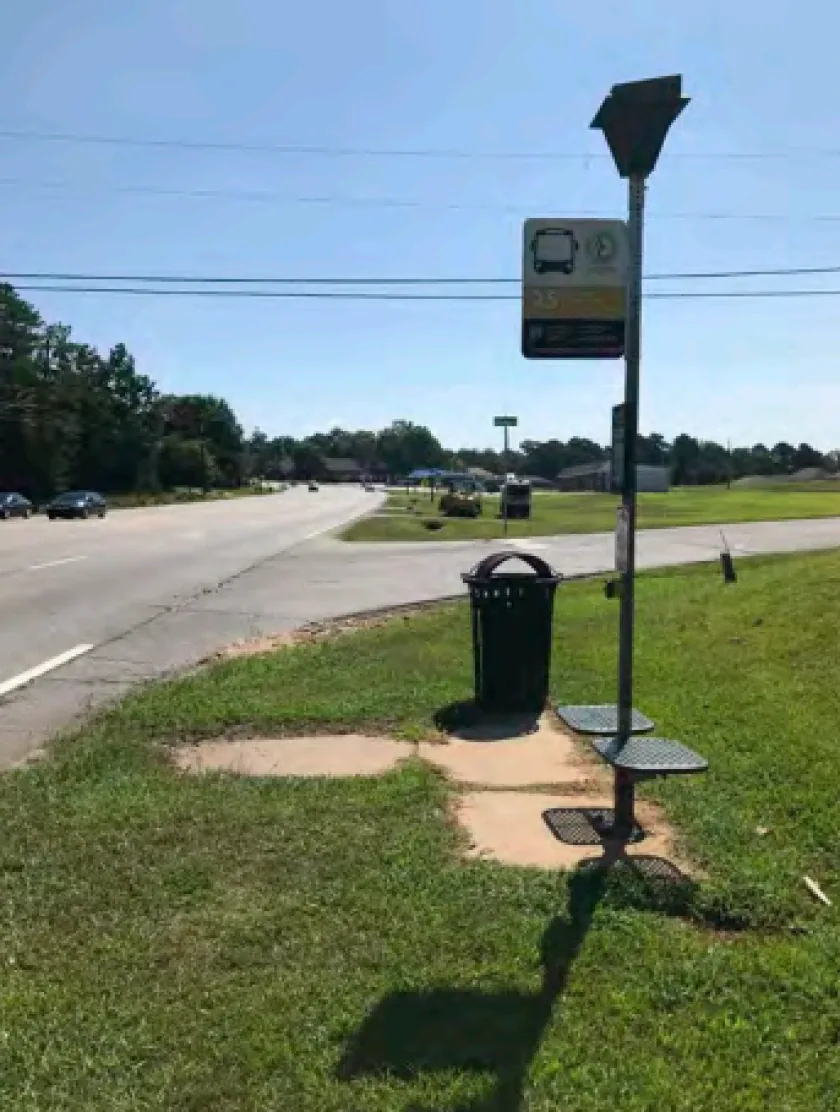
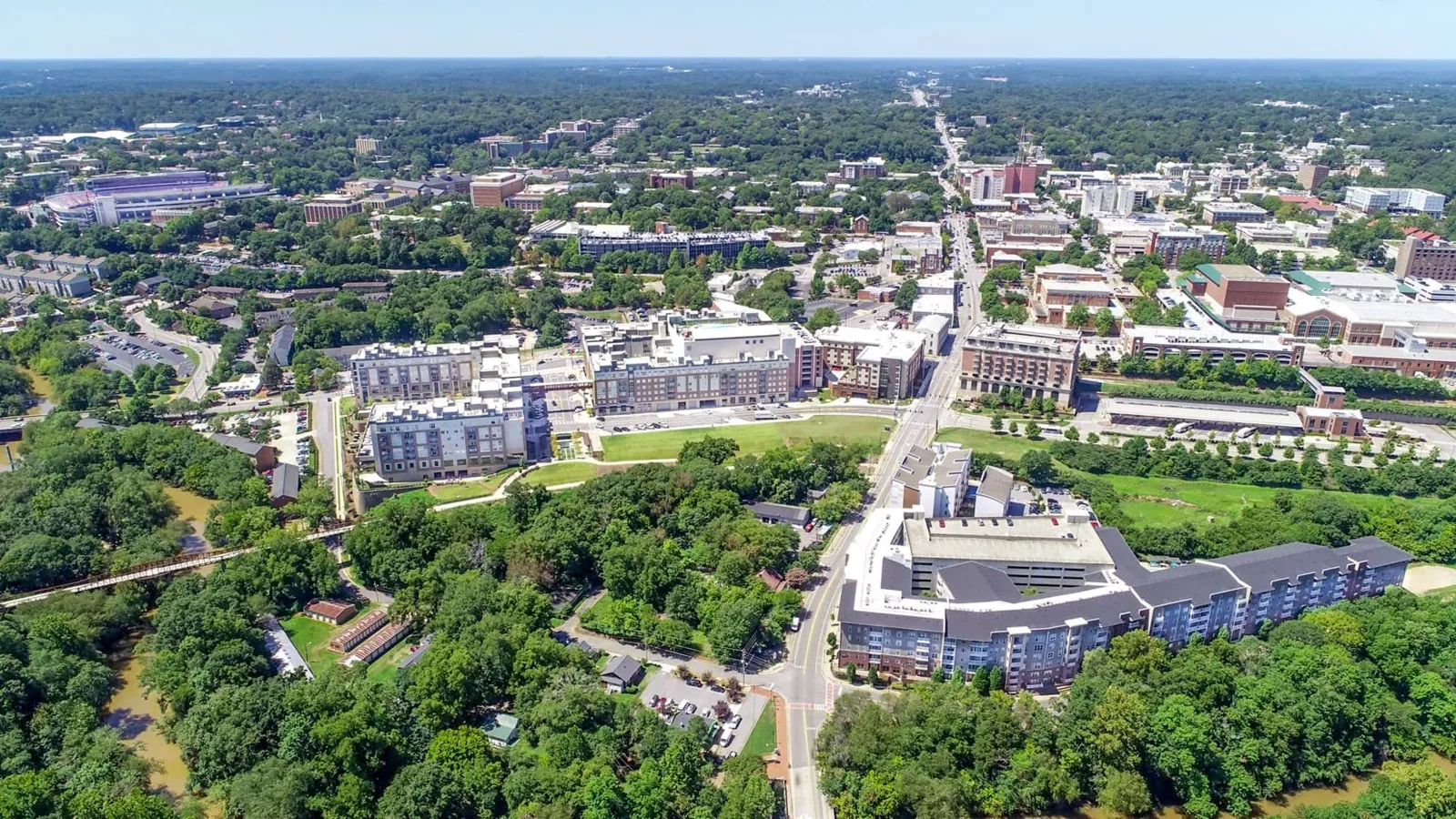
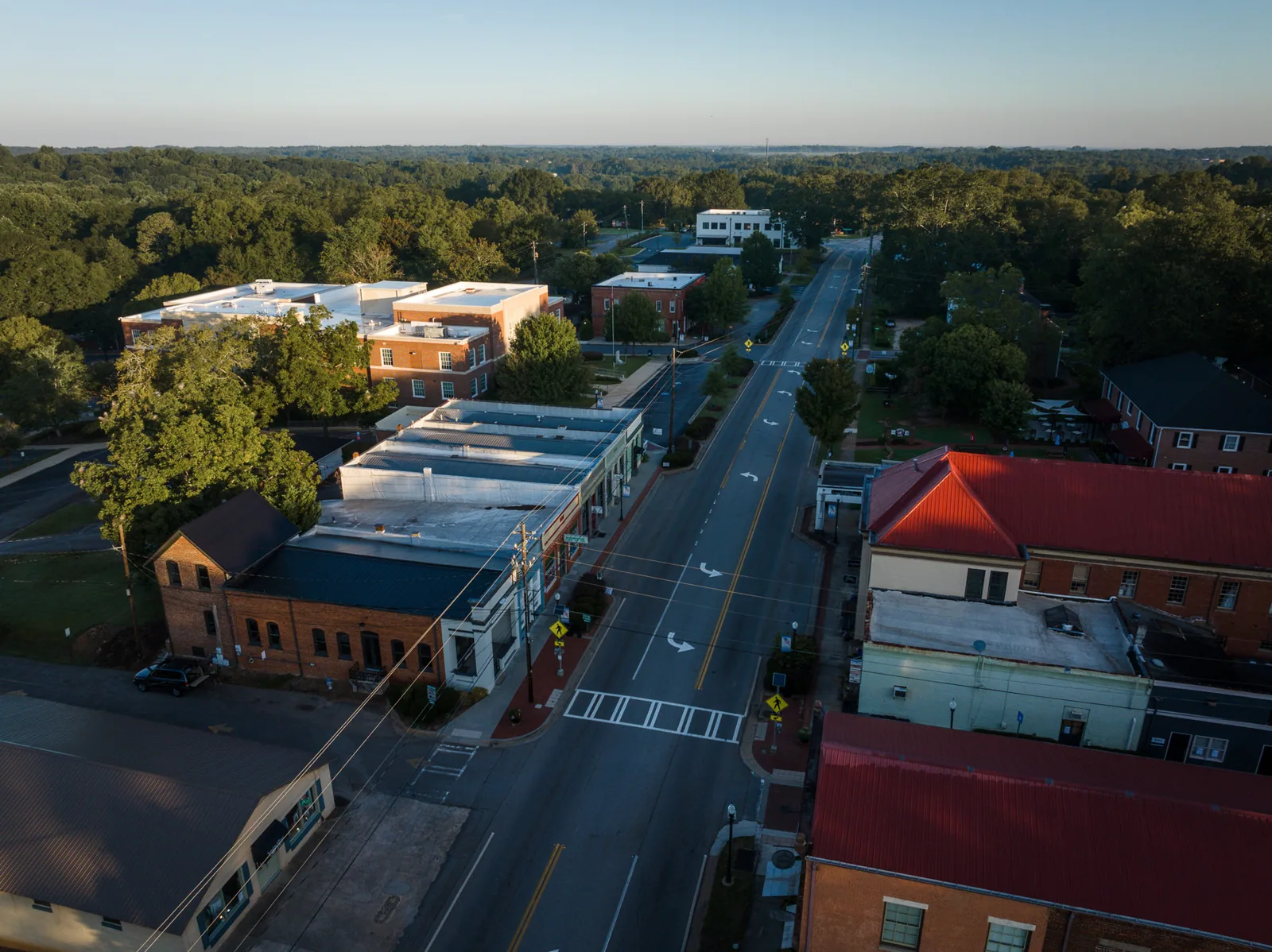
Pedestrian routes, deliveries and tenant hours shape a roof mobilization in Downtown Athens. The district spans roughly 20 walkable blocks across Broad Street from UGA’s historic North Campus, with Victorian-era buildings now used for shops, hotels, restaurants, bars and creative businesses. The Classic Center and Akins Ford Arena add destinations to the district; the property contact confirms the actual work window at the building. Athens’ Downtown, Main Street Business and General Business districts bring storefront access, pedestrian movement and delivery timing into a roof work plan. We inspect the specific property, record drains, seams, wall transitions and penetrations, and check how materials can reach the roof without closing an active route longer than approved. In Athens, hot humid summers and frequent warm-season thunderstorms make the open-roof limit and dry-in point part of the schedule. The scope ties each roof section to a protected access plan, a weather hold and a daily handoff.
Plan movement before material arrives
A delivery route that works on a quiet weekday may not fit a restaurant service window or an event day. We confirm receiving hours, loading access, overhead limits and the location where materials can be staged securely. The property manager identifies entrances that must stay clear and any pedestrian path that crosses the lift or work boundary. A crane pick receives a separate setup review, permit coordination where required and a controlled exclusion zone. We map roof access from the approved entry and keep tools, debris and temporary protection on the planned route. The Classic Center and Akins Ford Arena bring event traffic downtown; the building contact confirms event dates, loading access and delivery windows before roof work is scheduled. The same process applies near Athens-Clarke County commercial area and Prince Avenue, with each property following its own operating contact and access rules.
Downtown Athens is a compact, walkable district directly across Broad Street from UGA’s historic North Campus, so ground-level movement can be as important as the roof access point. Before a lift or material delivery, the property contact identifies building entrances, pedestrian routes and the approved loading window. We plan the laydown footprint around the specific property, protect storefront approaches and keep tools from migrating into public paths. A short phase map helps the manager tell tenants and vendors where work is occurring and when each route returns to normal.
Read the roof detail by detail
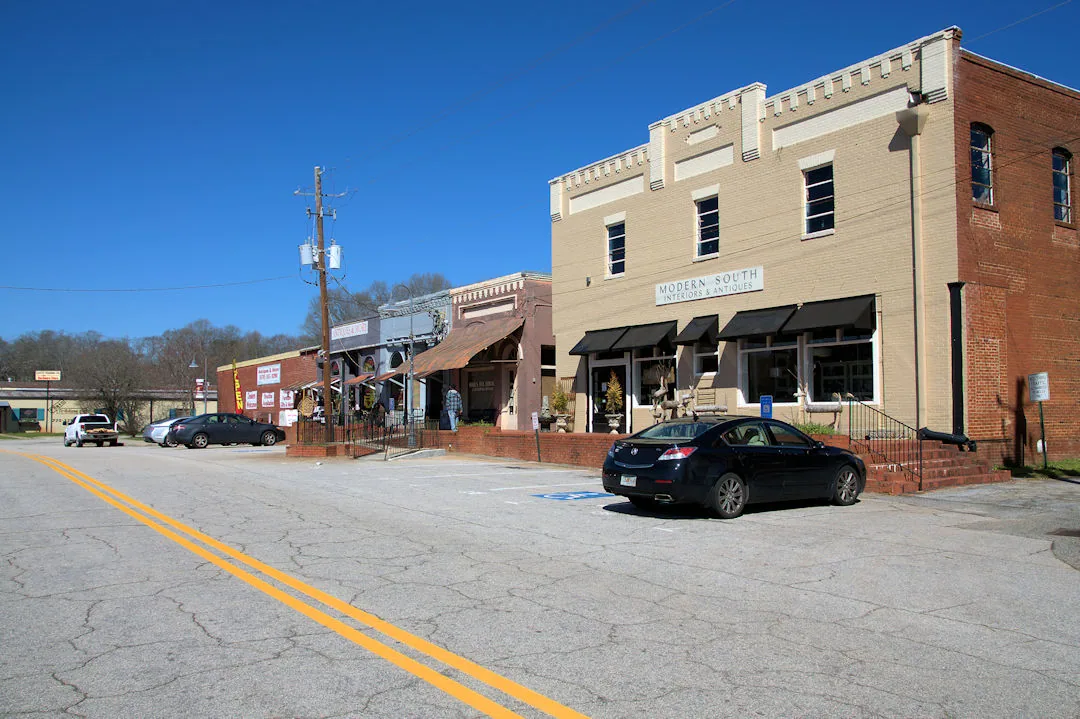
Older or varied building uses call for a measured survey, not a guess based on the street façade. We inspect the roof surface, edge metal, parapet transitions, drains, scuppers, skylights, curbs and prior repairs, then photograph findings by area. A wall stain may identify where to look inside, but it does not prove the water entered directly above it. We trace possible paths and record where insulation, deck attachment or concealed layers need testing. If a recover is considered, existing layer count, drainage, edge height and deck condition must be confirmed first. A hands-on roof inspection establishes the visible condition; if moisture below the surface is suspected, a targeted infrared survey can help identify areas for confirmation. The closeout pairs photos with a condition map so ownership can distinguish immediate repair from a longer capital scope.
Match the scope to the observed failure
A loose edge, split flashing or isolated seam can sometimes be corrected locally when nearby membrane and substrate remain sound. If wet insulation, repeated seam failure or deck deterioration extends beyond one detail, a larger repair or replacement may be required. We document the condition and compare those options with an owner before opening additional areas. Cost and duration depend on measured roof area, removal and disposal, insulation depth, edge work, deck repair, equipment coordination and the access restrictions the building contact confirms. A coating is considered only when the existing assembly is compatible, dry and prepared to accept it. The written scope identifies what is included and what a concealed condition could change. For confirmed defects, localized repair may keep sound areas in place; wider failure may call for a restoration assessment or a replacement plan. The recommendation follows the inspection rather than the historic appearance of a Downtown façade.
Work in compact protected sections
Where roof area and access are constrained, the sequence should minimize open time and avoid storing more material than the property can protect. We mark a small work section, install ground and interior protection, remove only what can be dried in during the shift and secure the tie-in before leaving. The crew completes wall transitions, drains and penetrations before releasing that zone. Daily cleanup covers the roof and the agreed route below, including removal of loose debris and temporary barriers when the contact approves. If a hidden condition changes the detail, the field lead protects the boundary, records photos and waits for direction on additional work. Tenant notice and sound windows are set before mobilization, then updated when the forecast changes. A phased work plan connects each roof zone to its occupied space and handoff. For buildings with rooftop equipment, the curb and service clearance is confirmed before membrane is cut around the unit.
Keep the dry-in point within reach
Athens’ warm-season storms can interrupt work quickly, so the daily plan specifies the exposed area limit, temporary protection and weather-hold contact. The field lead checks conditions during the shift and schedules tear-off only where the crew can complete the approved dry-in. If rain, lightning or strong wind reaches the work window, access stops when unsafe, the open roof is protected where practical and the contact receives a status update with the next safe action. Athens’ warm-season storms can narrow downtown work windows; we plan a daily dry-in point and stage temporary protection before opening the roof. After a reported event, we photograph observed membrane, metal and drainage conditions before permanent repairs change the evidence. A wind-damage inspection can document edge and flashing conditions. If active water entry threatens interior finishes or operations, emergency roof response can stabilize the opening, followed by a permanent scope based on inspection.
Hand the work back with clear records
For each completed section, we inspect seams, transitions, drains and penetrations, then match closeout photos to the roof map. The record lists work performed, materials identified from the approved submittal, open items and any part of the roof that could not be accessed. We confirm the debris route and staging area are clear before removing barriers or returning the space to normal use. If future phases remain, the closeout marks the completed tie-in and protected boundary for the next crew. Downtown Athens’ walkable district and mix of uses mean a later service visit should begin with the current building contact and route instructions. At a nearby Athens Commerce Park address, tenant circulation and delivery arrangements differ. Contact Commercial Roofing Athens to schedule a roof walk, verify the access path and set an installation or repair window that the property can support.
Frequently Asked Questions
How do you schedule deliveries in a walkable district?
We confirm loading access, receiving hours, overhead conditions and pedestrian routes with the property contact. The delivery and any lift are scheduled around the building’s approved operating window.
Do historic storefronts have a particular roof type?
The exterior appearance does not establish the roof assembly. We inspect the membrane, drainage, transitions and concealed layers at the actual address before recommending work.
What if an event changes street access?
The property contact confirms whether the route or timing is affected. We can move the delivery window or resequence roof zones, then update the mobilization plan before crews arrive.
Can a small roof section be repaired without replacing the whole roof?
Yes, when inspection shows the defect is local and surrounding material remains sound. Moisture, attachment, deck and repeated failures can change that recommendation.
What do you do if a storm interrupts work?
The crew stops at the agreed safe limit, protects the open boundary where conditions allow and reports the secured area. We inspect again before resuming the next phase.