Commercial Roofing at Athena Industrial Park, Athens, GA
Home / Service Areas / Athena Industrial Park
Athena Industrial Park
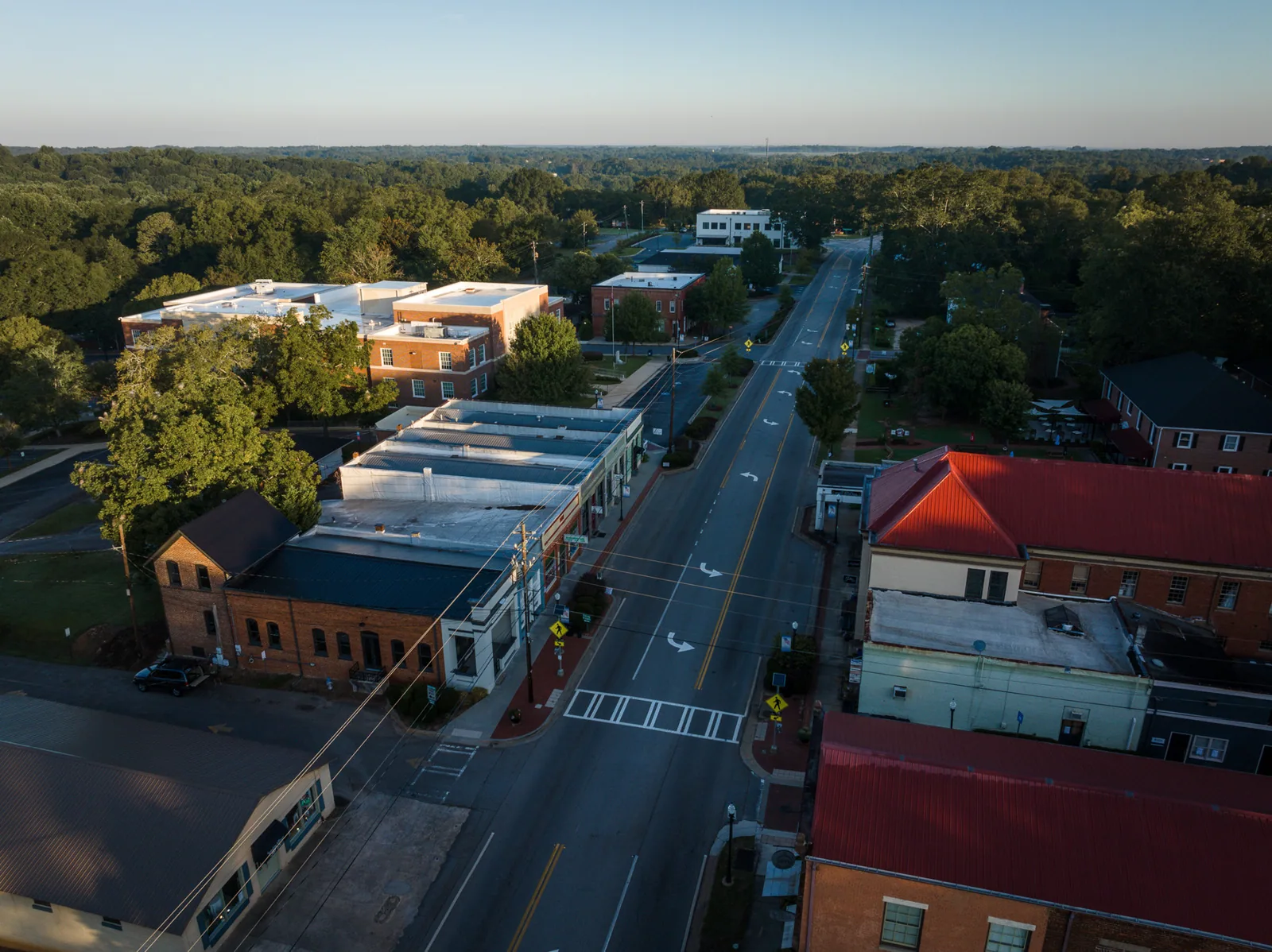
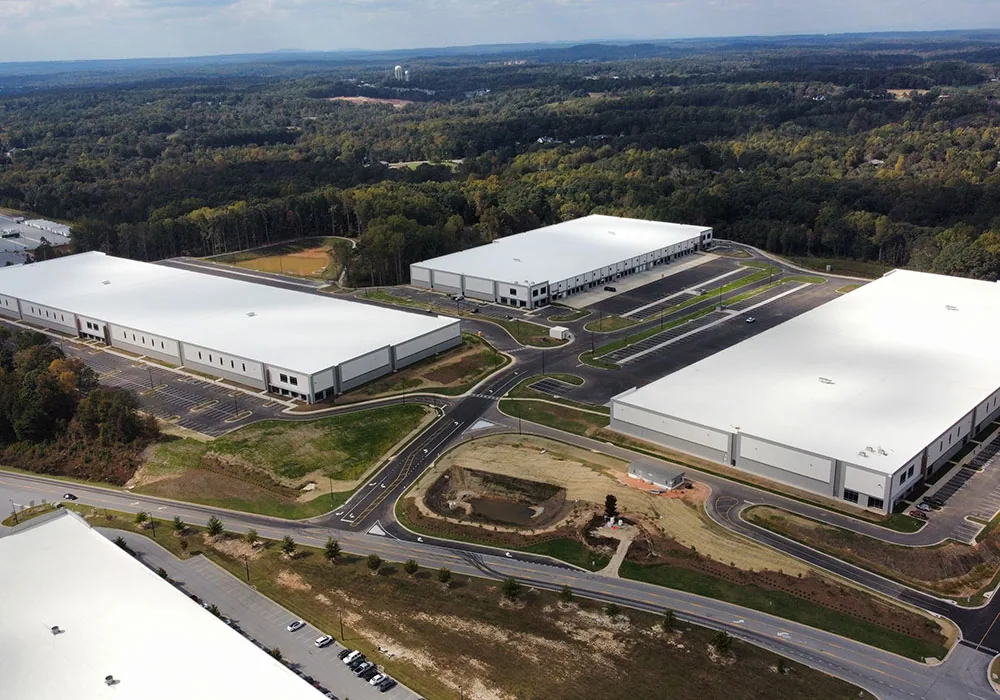
Before equipment and membrane arrive at Athena Industrial Park, the roof scope needs a field-confirmed work zone and an access route that fits the operating property. The park northeast of downtown includes larger industrial facilities and Athens Technical College, so the address and building contact determine who needs notice, which drive can take delivery and where material can sit. More than 1,200 acres remain available for industrial development, and existing industry occupies roughly half the park acreage. We measure each roof and plan deliveries with the property contact. We inspect the selected building, record membrane, drainage, penetrations and perimeter conditions, and separate visible defects from items that need a test cut or moisture survey. Athens’ hot humid summers and frequent warm-season storms make the amount of open roof a schedule decision. The property manager gets a mobilization window, a dry-in point and a daily handoff before tear-off begins.
Set the industrial work boundary
A plant roof visit starts with the people and processes below it. We confirm operating hours, truck movement, restricted doors, utility rooms and any loading path that must remain clear. The facility contact identifies whether the crew can use a ladder, hatch or designated stair, and where the laydown area will avoid production and emergency access. If a crane pick is required, the lift zone and vehicle position are reviewed before material is ordered. The work boundary includes rooftop equipment that must stay in service and areas that can be isolated for a shift. Athena Industrial Park contains Athens Technical College and Fire Station 6 among other properties, so park-wide movement cannot be treated as one private drive. The work plan names the specific property and contact. A different property at Athens Commerce Park has its own route and receiving hours.
Before the first delivery, the roof lead and site contact walk the ground route together. They identify turning space, overhead obstructions, doors that cannot be blocked and the point where a truck can unload without crossing a plant or campus circulation path. On the roof, each active unit is marked as operating, isolated by the owner or included in the approved scope. This simple boundary lets the crew stage only what the shift can install, keeps emergency paths clear and gives the property manager a visible check before the next section opens.
Map defects before choosing a system
We walk the roof to identify what is failing and what still performs. The inspection covers seams, laps, field membrane, flashings, penetrations, rooftop curbs, drains, scuppers and edge metal. Photos are labeled by roof zone, and the report distinguishes a repairable detail from a condition that extends into insulation, cover board or deck. If ponding or staining suggests concealed moisture, a surface reading is not enough to support removal; targeted infrared work or a test cut can clarify the extent. We check how existing layers are attached and whether a recover is suitable before proposing an overlay. A commercial roof inspection records the visible assembly and next tests, while a moisture survey can help prioritize test locations. The owner receives the result as a roof map and scope, not an assumed diagnosis based on the park’s industrial designation.
Compare repair, recovery and replacement
A localized seam or flashing defect may support a repair when adjacent membrane and substrate remain sound. If moisture, attachment failure or multiple wet areas extend beyond the detail, a recover or replacement may be the more defensible scope. We inspect layer count, deck condition, drainage, edge transitions and code requirements before recommending an assembly. The cost drivers are measured area, removal and disposal, insulation depth, deck repair, equipment coordination, access and the number of details to rebuild. A coating is considered only when the existing roof is compatible, dry enough and prepared for the selected system. We explain what the price includes and which concealed condition could change it. The next step might be a targeted repair, a roof-wide replacement, or a documented metal retrofit where the existing structure and design support it.
Fit production needs to the roof sequence
An industrial operation may depend on equipment, ventilation and interior access that cannot stop together. The sequence marks each roof section, confirms any temporary shutdown with the facility lead and keeps active units outside the work boundary unless their curb needs attention. Crew members remove only the area that can be dried in within the shift, then install the specified insulation, cover board and membrane. Drains and penetrations are completed before a section is released. If the deck opens to a different condition than the survey showed, the field lead secures that area and documents the added work for approval. We coordinate material delivery with the section ready to receive it rather than filling the roof with unsecured stock. Nearby Coggins Park and the west-Athens business park are separate locations with different tenants and access contacts; no site schedule should be borrowed from another property.
Protect the open roof at each hold
Warm-season storms in Athens can change a tear-off window within the workday. Before opening a section, we agree on the maximum area exposed, the temporary materials staged, the dry-in point and the person authorized to call a hold. The field lead checks the forecast, secures supplies and closes the tie-in before leaving the roof. If wind or lightning makes access unsafe, the crew stops at the agreed boundary, protects the exposed assembly where conditions permit and updates the contact on the next move. North-central Georgia’s spring and summer storm season makes a secure dry-in point and weather hold part of every industrial roof plan. A wind inspection documents lifted edges and displaced metal; suspected impact can be recorded before temporary work alters the surface. The owner receives photos, limits and a revised mobilization window if the weather hold extends the sequence.

Hand the roof back with usable records
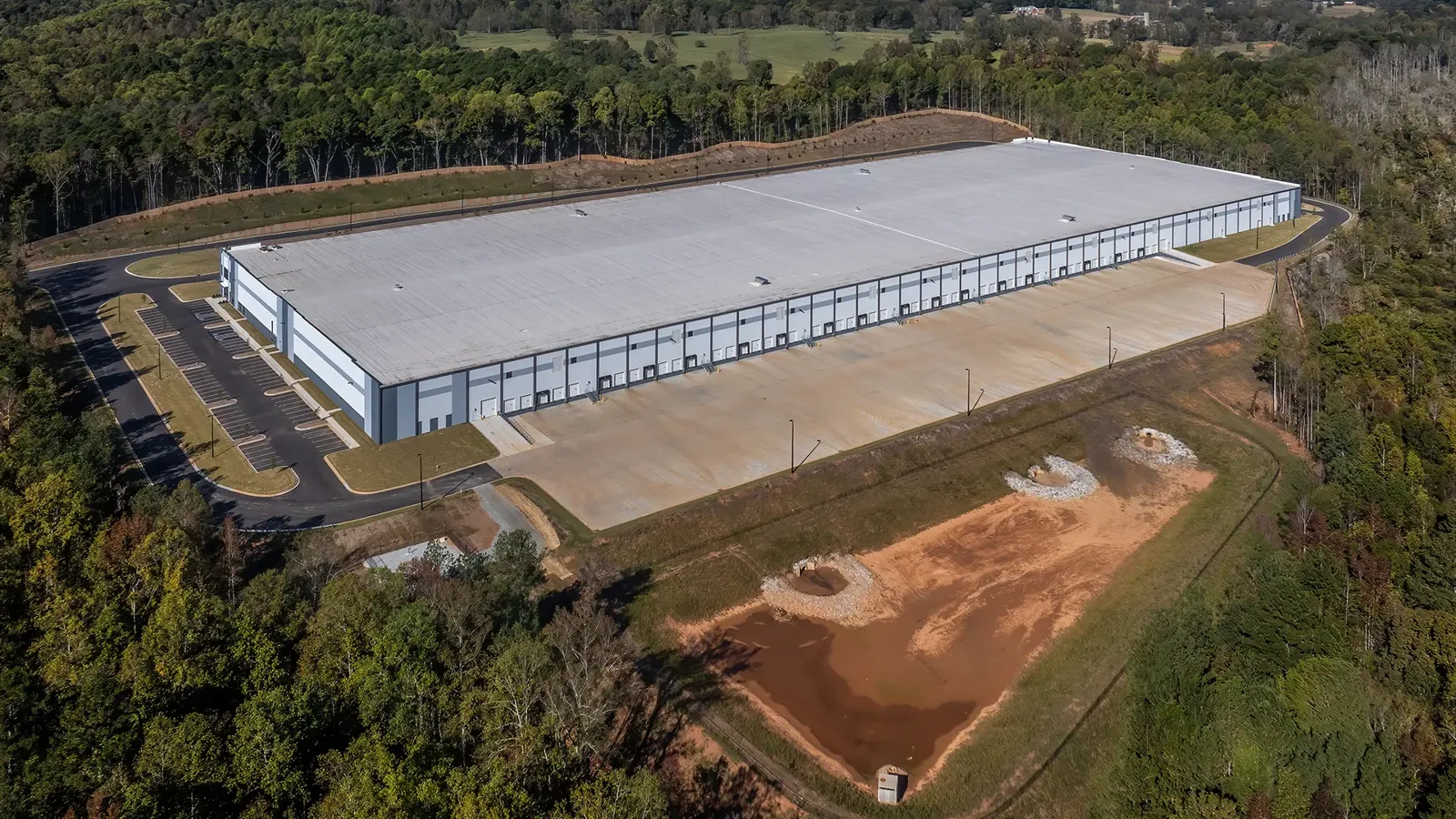
At turnover, we inspect seams, wall transitions, drains and equipment flashings in the completed sections. The closeout pairs photos with a roof-zone map, records materials identified in the approved documents and lists any open item with its owner and next action. The operations contact receives the access and maintenance records needed for a later service call. If phased work leaves a future section, the record distinguishes completed membrane from temporary protection so a later crew does not mistake one for the other. A condition report can carry the findings into maintenance and capital planning. Athena Industrial Park’s mix of occupied facilities and available development makes the individual building’s schedule and assembly more important than a general park description. Contact Commercial Roofing Athens to schedule a roof walk, confirm staging and price the work against documented field conditions.
Frequently Asked Questions
Does an industrial park address mean the roof is metal?
No. We identify the actual assembly during the roof walk. We inspect the selected building’s membrane, drainage and deck conditions before setting the repair boundary.
Can production continue while a roof section is open?
The access and work plan sets the boundary, interior protection and any equipment shutdown before mobilization. We open only the section that can be secured within the agreed shift.
What information affects the project schedule?
Access, delivery windows, equipment coordination, roof layers, deck condition and weather all affect sequencing. We confirm those items before setting tear-off and dry-in dates.
When is an infrared survey useful?
It can help locate suspected moisture beneath the membrane, but readings need field interpretation and may require test cuts. The report states which areas need confirmation.
How do you handle an unexpected deck condition?
The crew protects the exposed boundary, records the condition and pauses work in that area. We document the scope and cost effect for owner direction before proceeding.