
Commercial Roofing for Healthcare Systems in Athens, GA
Home / Industries We Serve / Healthcare Systems
Healthcare Systems
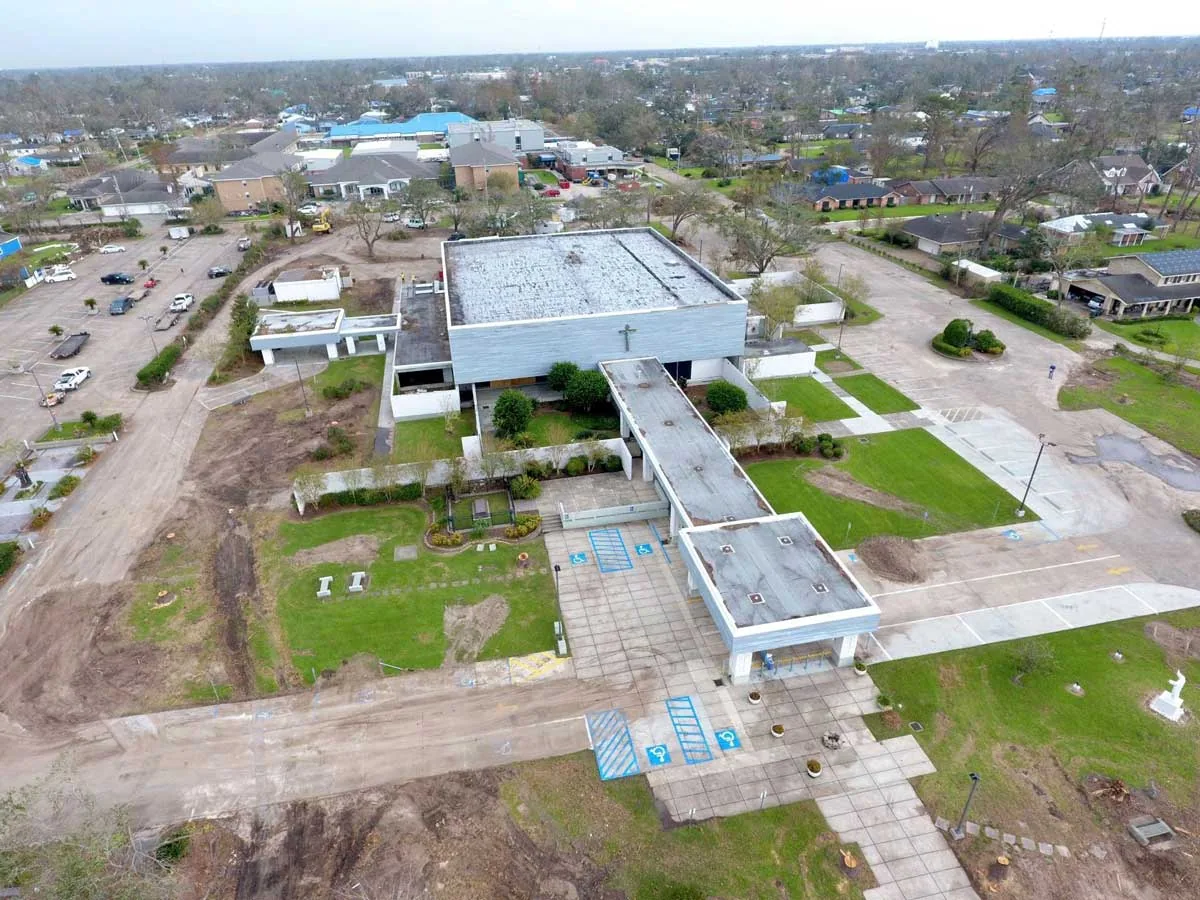
A patient entrance, ambulance route and rooftop service path must remain legible while roofing work moves across an occupied health campus. We start with the facility contact to map those routes, identify restricted areas and establish where materials can be staged. Piedmont Athens Regional operates a 427-bed hospital in Athens, while the broader Athens medical area includes multiple hospitals. Each address needs its own roof survey and access plan. We record the assembly, active leaks, equipment clearances and daily tie-in before a phased reroofing scope is priced.
For a portfolio that includes multiple hospitals or outpatient buildings, each roof record should remain tied to the exact property and assembly inspected. A system-wide program can standardize photo labels, condition categories and budget fields, but it should not assume identical roof age, drainage or repair history across campuses. We first agree on a repeatable inspection format, then track each building’s active leaks, deferred details, access limits and recommended next action separately. That gives the facilities team a comparable portfolio view while preserving the site-specific evidence needed to scope work responsibly.
Keep clinical access outside the work zone
The first field sequence marks patient, staff, vendor and emergency routes on a site plan, then locates roof hatches, ladders, crane positions and material drop points. We confirm which entrances must remain open, when deliveries arrive and who can authorize a temporary restriction. Work areas are separated from occupied wings with the controls agreed for that property. A Prince Avenue project has a distinct medical campus context; the facility contact defines the actual access rules rather than relying on a generic hospital schedule.
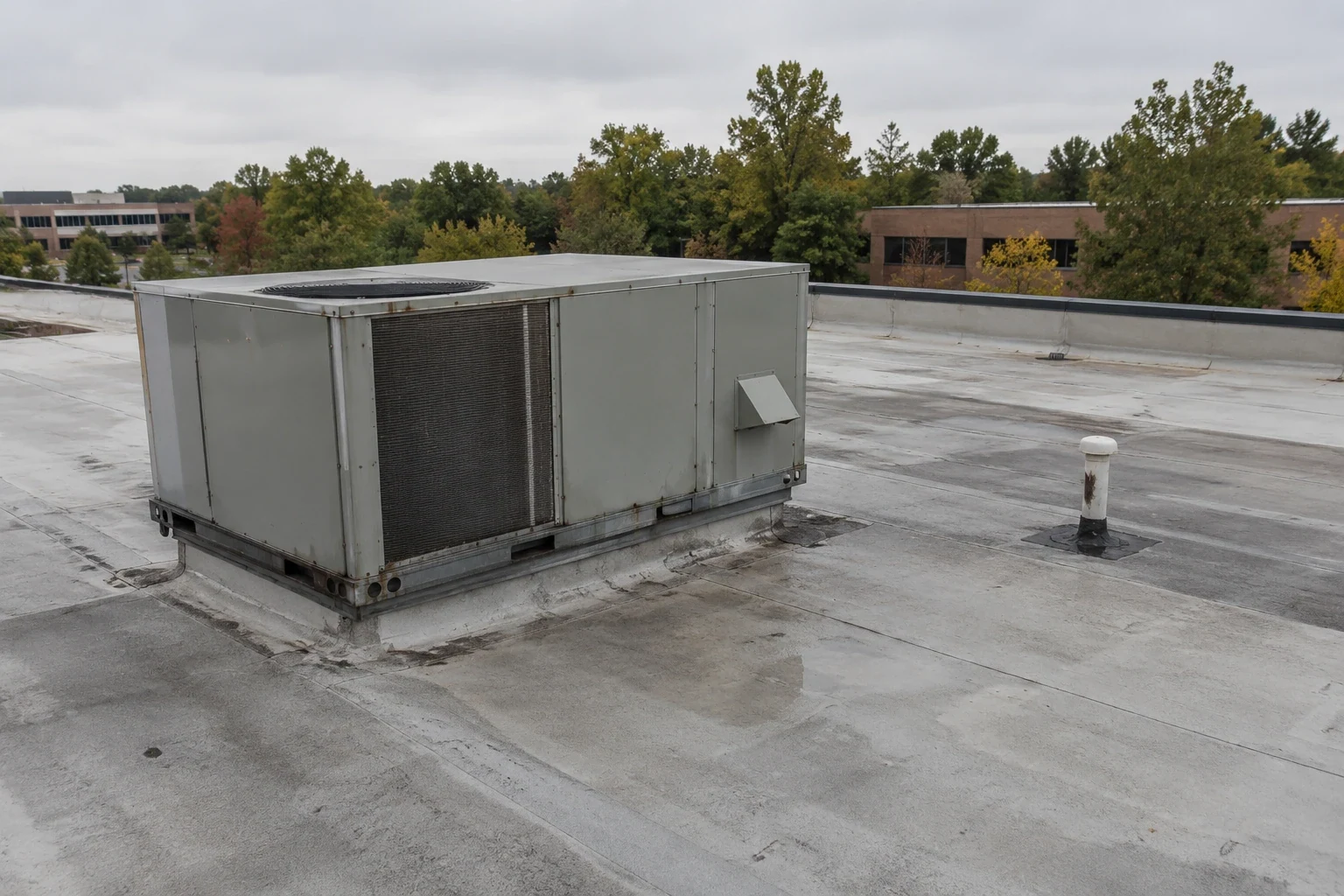
Roof work can affect HVAC equipment, exhaust, intake locations and clinical functions below. Before moving a section, we identify units that require coordination and confirm whether a shutdown window is available. The roof map records curbs, penetrations and drains so the crew can protect each tie-in and avoid leaving exposed edges at the end of a shift. If interior protection or noise limits change by department, the manager includes those constraints in the phased schedule and turnover checklist.
Document the assembly before setting a phase
A leak call does not identify the failed roof detail by itself. We compare the reported room and time with seams, wall transitions, drains, curbs and prior repairs above it, then photograph what is visible. If moisture may extend under the membrane, we mark a test area and explain what the result would change. The roof inspection separates a confirmed defect from an area that still needs sampling. That distinction gives facilities and clinical operations a shared record before repair decisions are made.
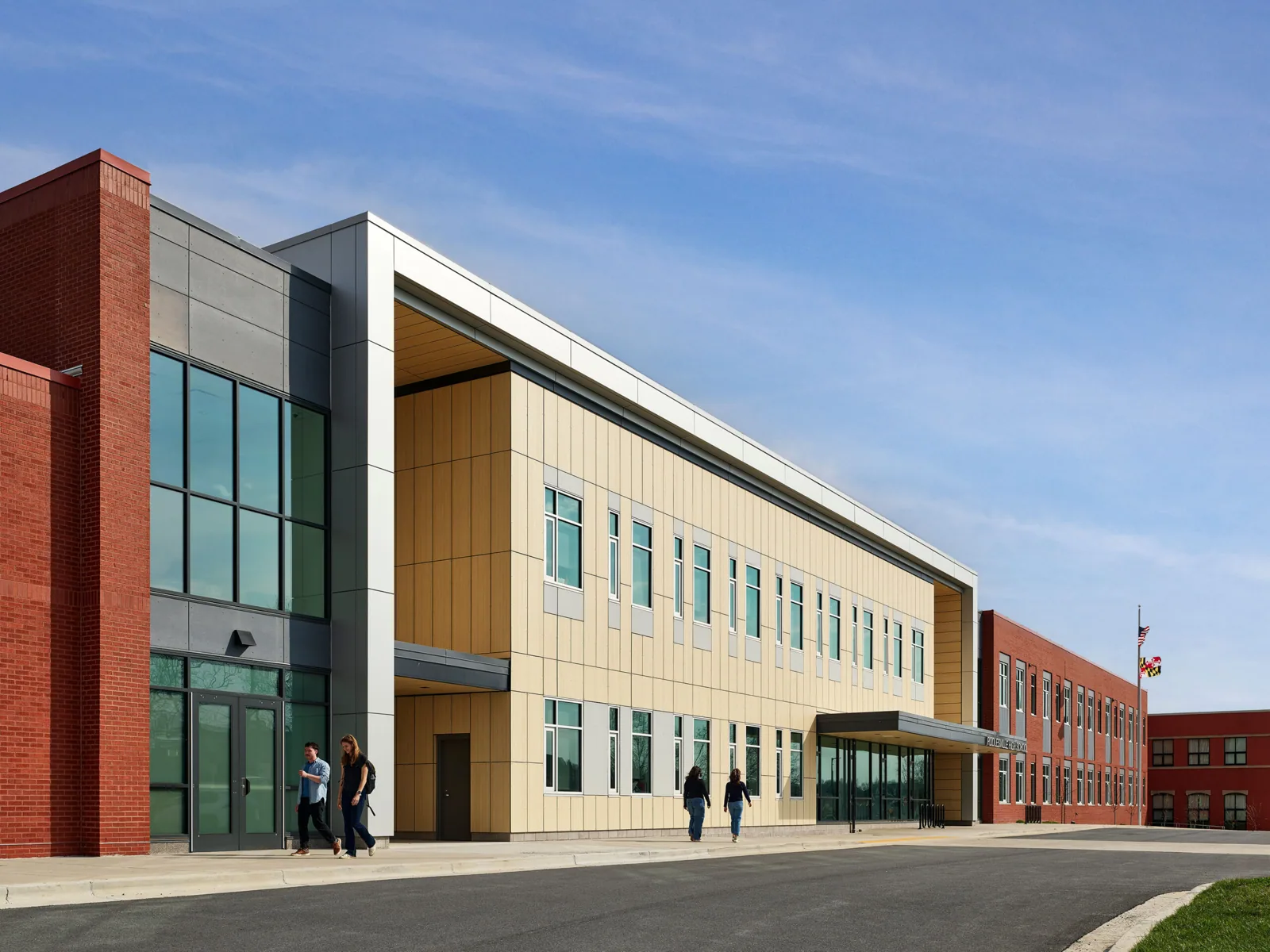
Older or undocumented roof sections may differ across a connected campus. We record visible membrane type, insulation transitions, deck access, equipment density and conditions at interfaces between additions. A survey does not assign a precise remaining service life from a walk alone. When the decision depends on concealed layers, we identify test cuts or other investigation and coordinate the location with the facility team. The work scope can then address known deficiencies without treating every roof area as equally urgent.
Release the roof in controlled areas
Once the condition is recorded, the work plan defines the first phased section, its access route, daily production boundary and dry-in point. We set a mobilization window that accounts for material delivery, crane picks, staff activity and the period when the roof must stay weather-tight. Warm-season thunderstorms are frequent in Athens, and north-central Georgia sees damaging wind and hail; that exposure makes the planned dry-in and weather hold points explicit. It does not prove that a particular hospital roof has storm damage.
At each tie-in, the field lead checks membrane, flashing, drains and perimeter details before releasing the next area. The crew protects open work at the agreed stopping point and records any condition that changes the sequence. If hidden deterioration appears after tear-off, we photograph it, identify the added work and obtain direction before extending the scope. A replacement plan can distinguish base work from concealed-condition allowances so the facility can make a documented decision.

Set a weather hold and response path
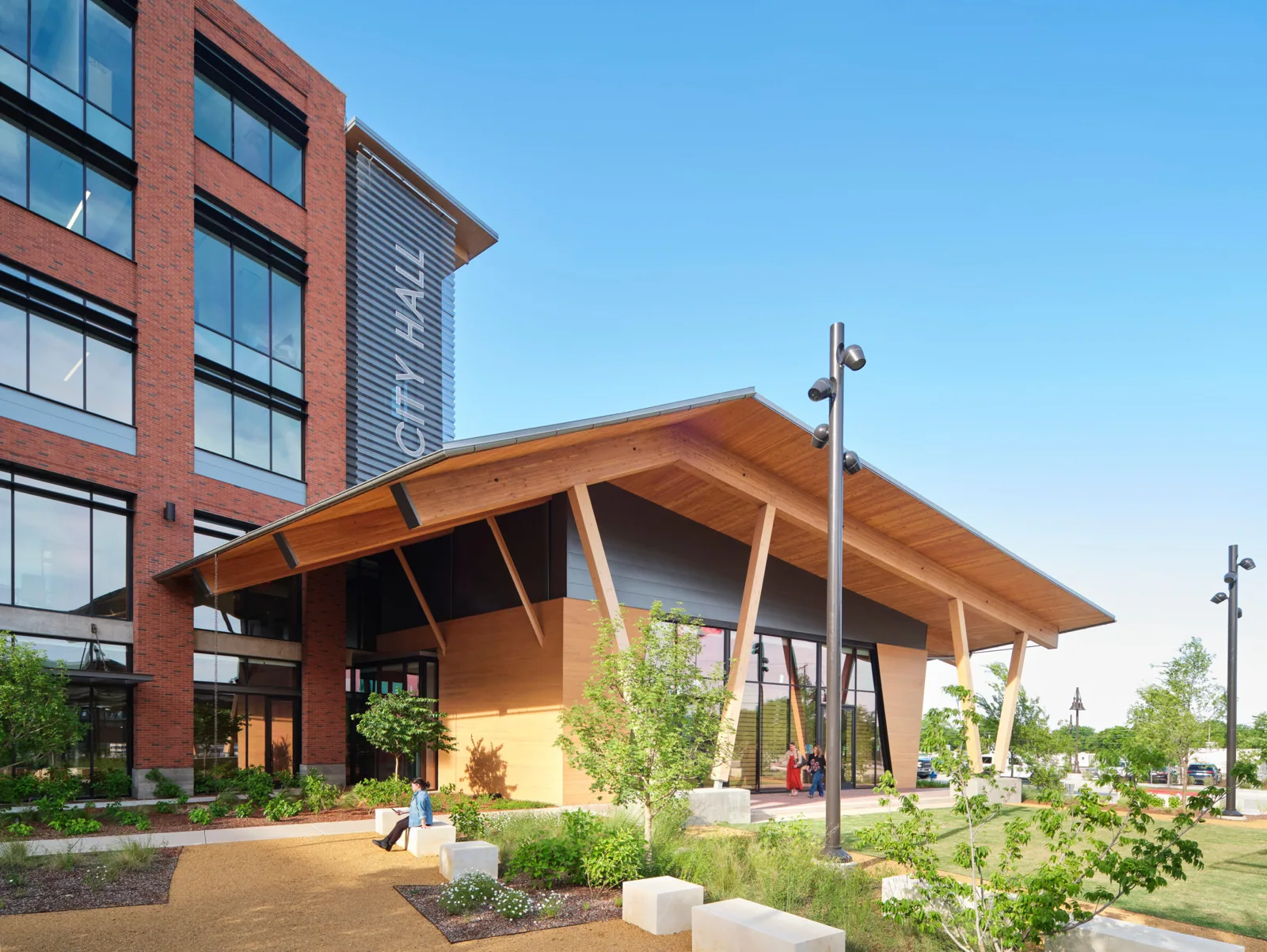
Athens’ hot, humid summers and frequent storms affect when tear-off, membrane placement and adhesive work can proceed. We coordinate forecast review with the site contact and identify a hold point before the crew opens a roof section. The plan names the dry-in materials, who can stop work and how the building contact receives notice when conditions change. If a storm arrives outside the active work area, we still document any new report separately from the scheduled scope.
Safe access remains the first gate. We can inspect, photograph, apply temporary protection where conditions allow and return with a permanent repair scope after the roof can be reached safely. A storm repair assessment ties observed conditions to a location and date, keeping temporary stabilization distinct from a replacement decision.
Close each section with a usable record
Facilities staff need to know which roof area was completed, which equipment or detail needs follow-up and whether access restrictions can be removed. At turnover, we compare the finished area with the roof map, check drains and exposed transitions, remove daily debris and provide photographs with records tied to the phase. A condition report gives the next shift or maintenance team a clear point of reference instead of a broad statement that work is complete.
When a system has multiple buildings, we keep addresses and findings distinct even if purchasing or facilities leadership is shared. St. Mary’s mailing address and hospital portfolio do not mean one roof visit covers every campus. We confirm the specific building, contact and access window before mobilization. That record can support maintenance planning, a future portfolio roof record or a later capital review without blending unrelated site conditions. A property manager can use the same address-based record to coordinate tenant notices and future service visits.
Schedule a healthcare roof walk
Send the facility address, roof plans if available, recent leak locations, equipment restrictions and the contact who can approve roof access. We will walk the relevant area with facilities, map staging and patient-facing routes, then document the conditions that control repair or replacement. If a test or shutdown is needed, we identify it before the work window is set.
Commercial Roofing Athens can prepare a phased scope with tie-ins, weather holds, occupied-wing protections and turnover records. Contact us to coordinate the first site walk around clinical operations and define which building should be reviewed first.
Frequently Asked Questions
Can roofing work proceed while a hospital remains open?
Yes, when the facility approves the access plan, separation controls and work windows. We divide the roof into phases, keep agreed routes clear and confirm any equipment shutdown before that section starts.
What happens if a leak is reported during a reroof?
We log the room, time and active phase, then inspect the roof area and nearby transitions when access is safe. Temporary protection and permanent repair are documented as separate actions.
How do you coordinate rooftop units?
The facility contact identifies critical equipment and shutdown authority. We record curbs and service clearances, then sequence work so each unit and its flashing can be checked before the area turns over.
Can one survey cover multiple health-system properties?
A portfolio schedule can coordinate visits, but each building gets its own roof map, findings and access record. The St. Mary’s system includes multiple hospitals, so the address and site contact must be confirmed.
What if the roof assembly is undocumented?
We identify visible layers and record where concealed conditions affect the scope. If the answer depends on what lies below the membrane, we recommend a controlled test and state what decision its result will inform.