Commercial Roof Coating in Athens, GA
Home / Commercial Roofing Services / Commercial Roof Coating
Commercial Roof Coating
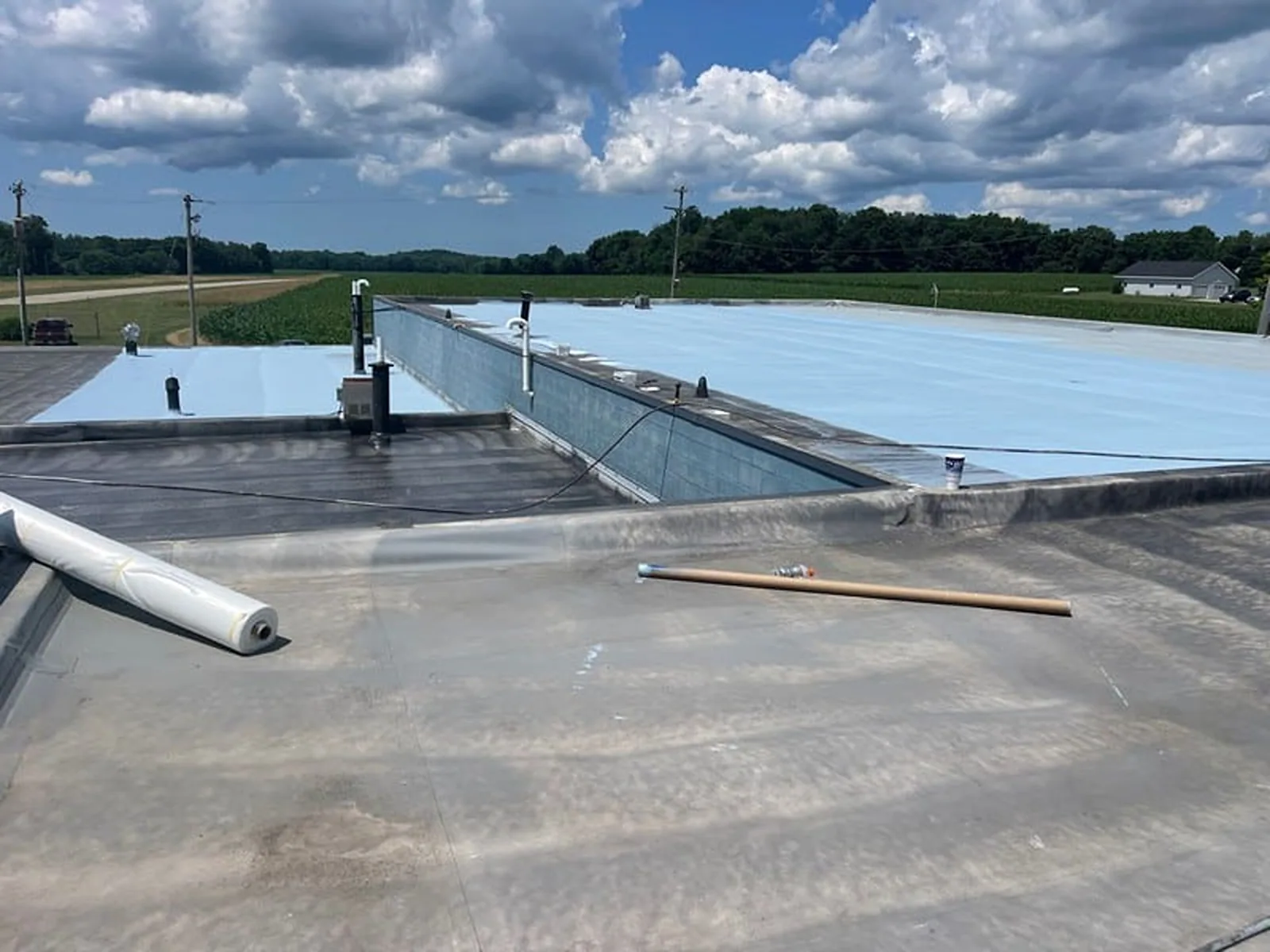
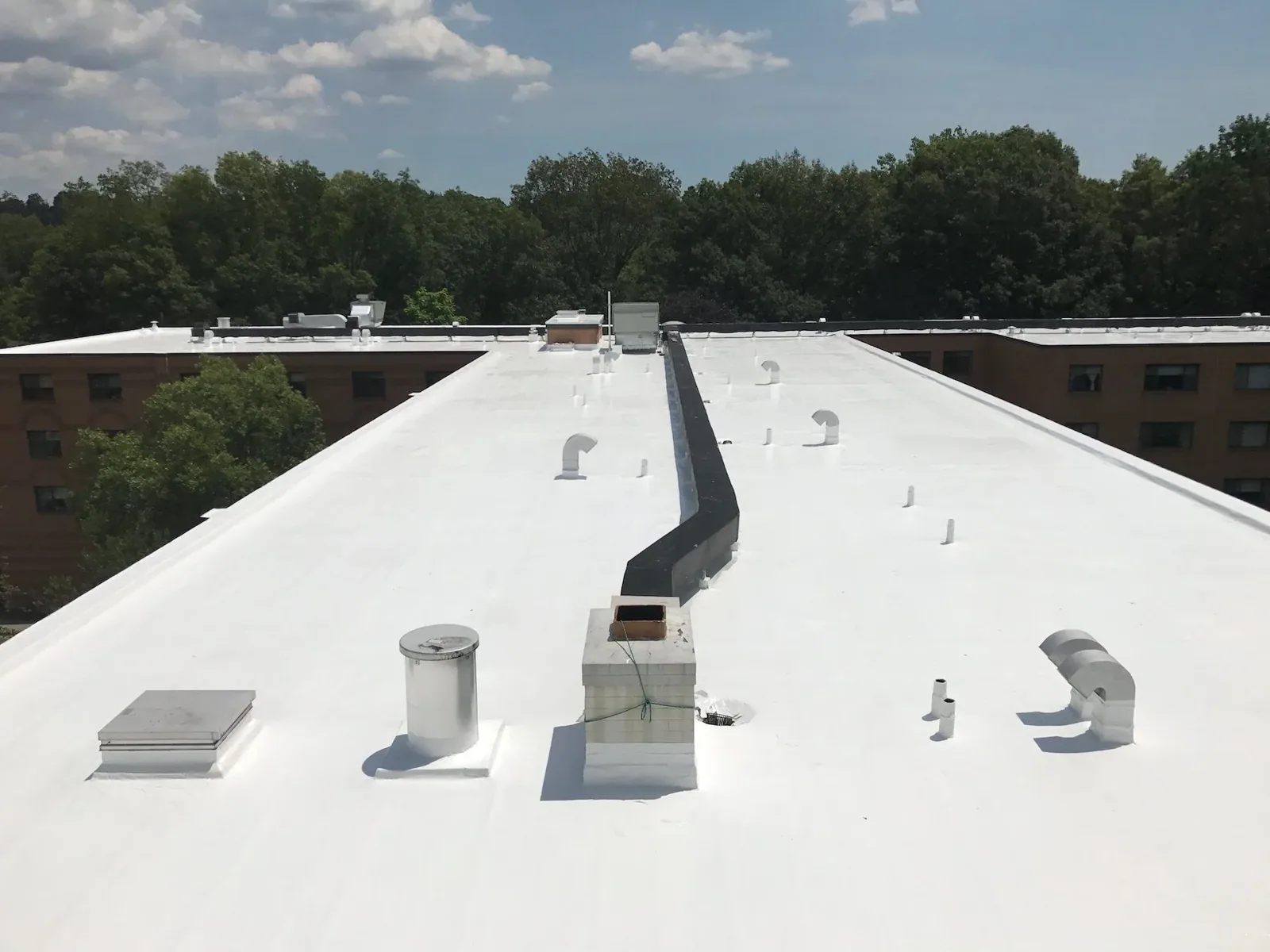
A coating is a restoration option for a roof that is structurally sound, dry enough for the selected system and prepared to receive it. It cannot bridge every open seam, conceal wet insulation or correct a failed deck. At an office near Downtown Athens or a commercial facility in Coggins Park, we begin with a roof inspection, not a bucket count. The field review checks existing membrane, drainage, penetrations, edge details and prior repairs, then determines whether preparation and localized fixes can create a suitable surface. If the assembly has widespread moisture or failing layers, we compare coating with a replacement scope rather than presenting coating as the default answer.
Confirm the roof can be restored
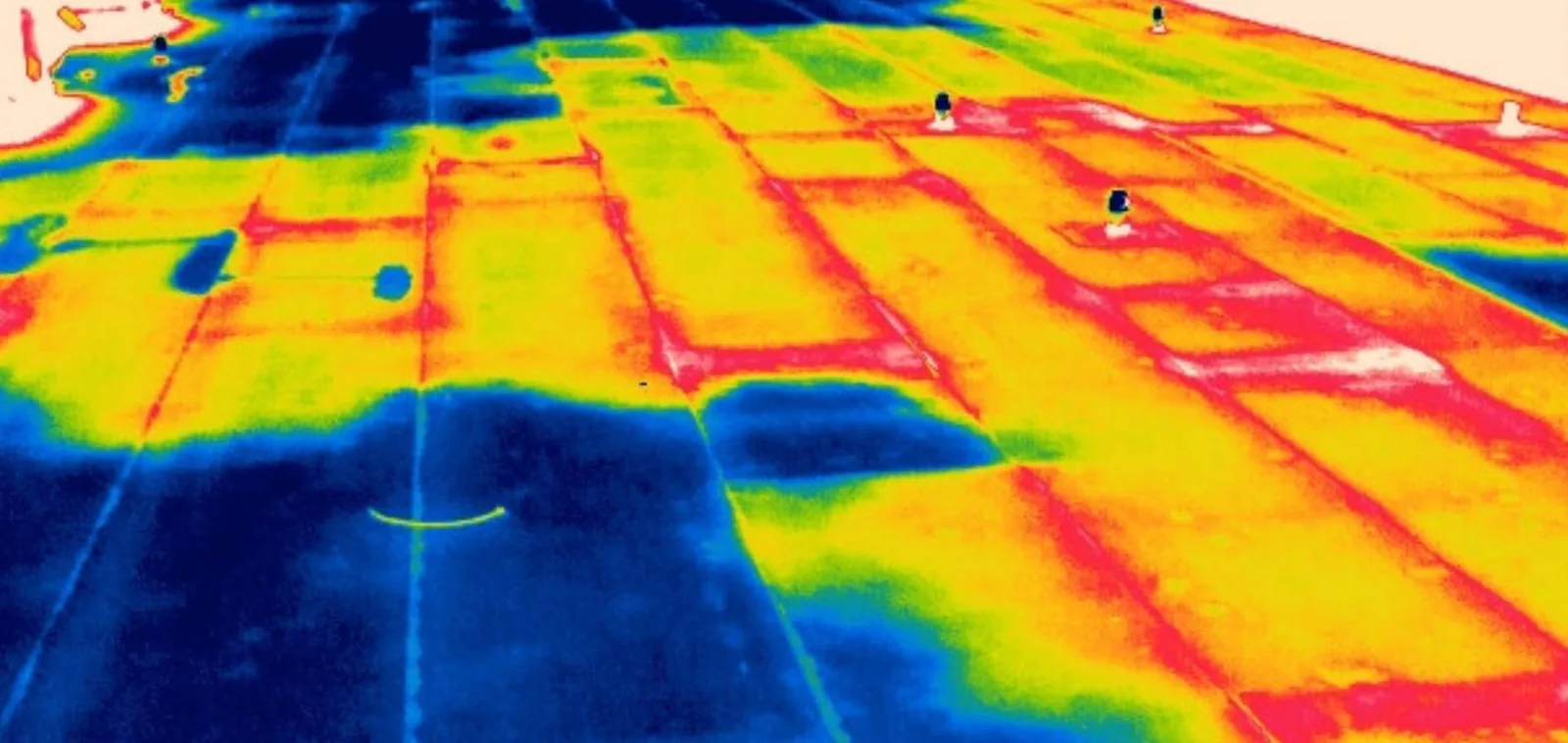
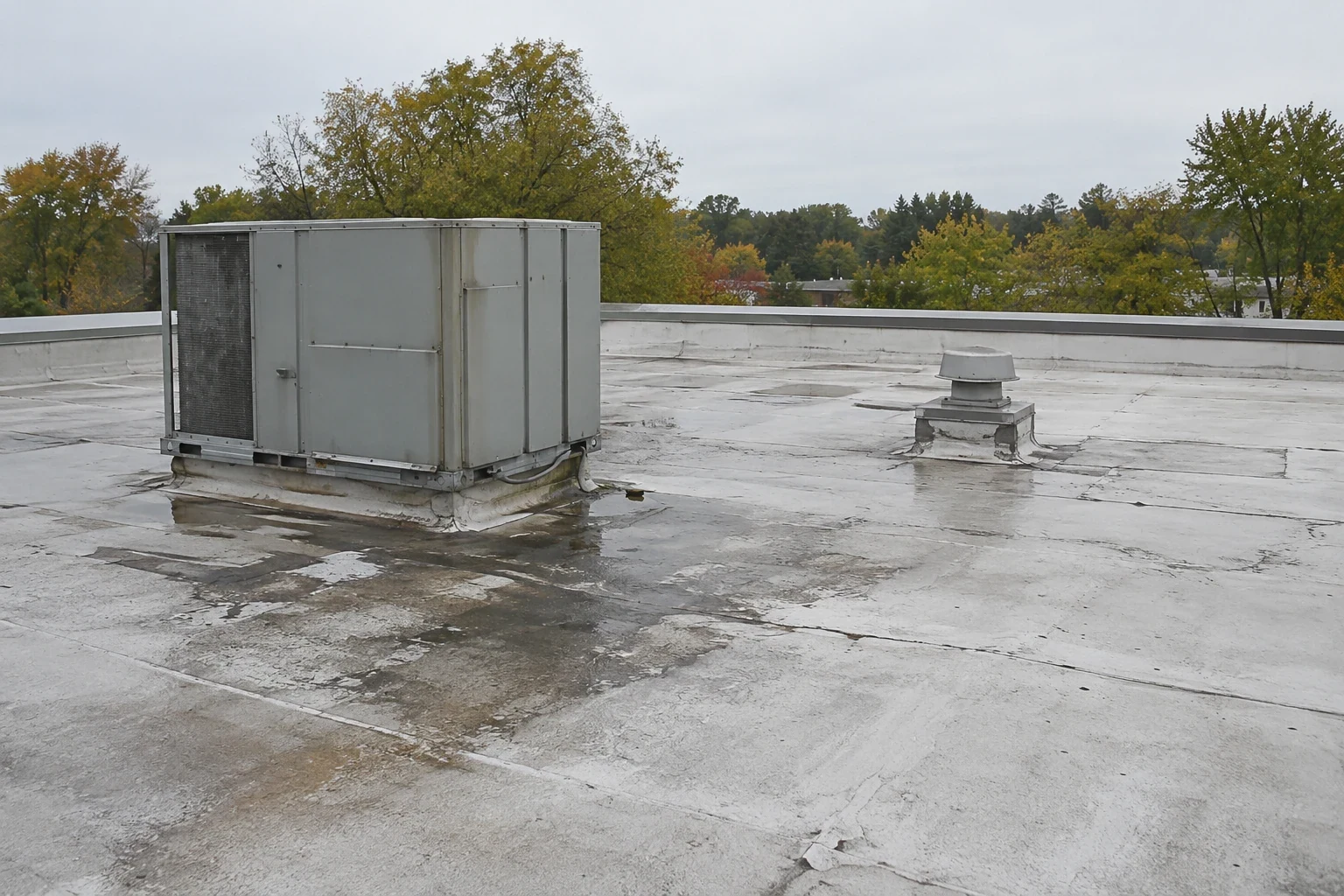
Before a coating is specified, we inspect the membrane for open seams, punctures, loose material, blisters, splits, corrosion or surface deterioration. We check drains and scuppers, inspect penetrations and curbs, and look for evidence that moisture has entered below the field. If conditions are uncertain, a moisture survey or test cuts can help establish what is beneath the surface. Coating over saturated insulation would trap the defect instead of restoring the roof.
The inspection also considers the remaining roof transitions and whether they can be prepared and detailed with the coating system. Movement joints, metal edges, roof-to-wall changes and equipment curbs may need separate flashing work. Existing repairs can include incompatible materials or loose layers that must be removed. We photograph the roof by section, describe the preparation required and identify the parts that are not eligible for coating before calculating material coverage.
Select a compatible coating
Silicone and acrylic coatings have different performance characteristics and application requirements. Product selection depends on the existing substrate, ponding conditions, drainage, expected exposure and manufacturer instructions. We verify compatibility and adhesion on the actual roof rather than choosing by color or product label. A silicone system and an acrylic system should not be treated as interchangeable, and neither fixes a structural or drainage problem on its own.
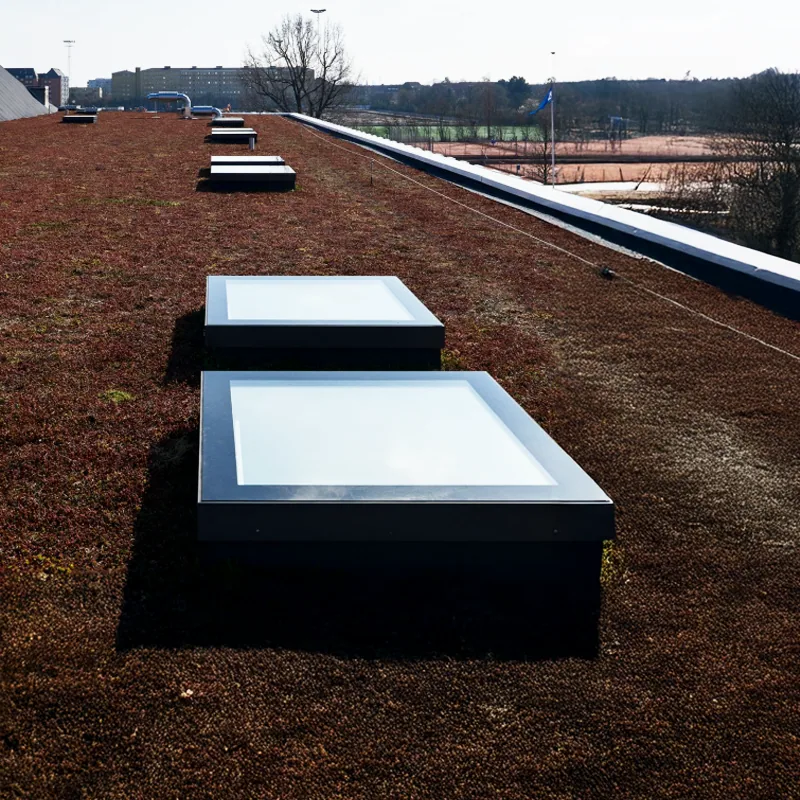
The proposed scope names cleaning, surface preparation, seam treatment, detail reinforcement, primer if required, coating layers and expected coverage. We identify how curbs, drains, skylights and roof edges will be finished, then specify the weather conditions needed for installation and curing. If the substrate has areas of exposed foam, membrane or metal, those may require distinct prep and materials. We explain the build-up by roof section so the owner can review the assembly before material delivery.
Prepare before application
Surface preparation determines whether the coating bonds to the roof. The crew removes dirt, loose coating and debris, addresses standing water causes and completes approved repairs before applying material. We protect drains, equipment and adjacent surfaces, and keep traffic off completed sections until the system reaches the required cure condition. If a wash or cleaning step is planned, we confirm drainage and prevent runoff from affecting entrances or building operations.
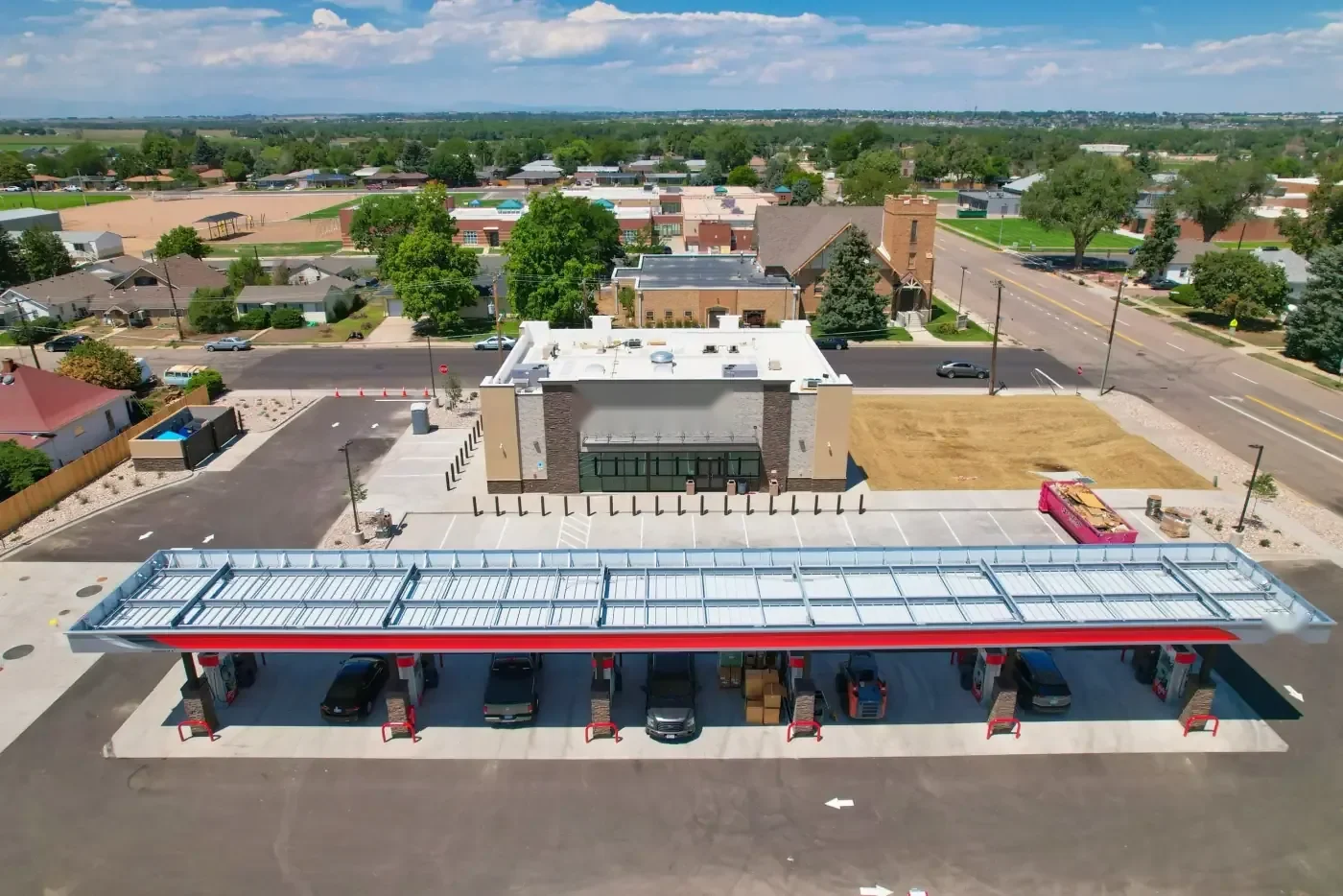
At the Downtown Athens commercial district, material staging and pedestrian routes may control how work is delivered; at Coggins Park, the manager may need to plan around industrial vehicle movement. We coordinate the laydown area, lift or crane needs, delivery timing and roof-access window before mobilization. Any tenant or equipment restriction should be clear before the work zone is established.
Before coating begins, the acceptance walk should confirm that the repair list is complete, drains are open, and surfaces are clean and dry enough for the specified primer. We mark test areas and document adhesion results where the system requires them. The crew then protects walls, equipment and adjacent surfaces from overspray, while the supervisor checks coverage against the product rate instead of estimating by appearance. If the substrate, forecast or test result falls outside the manufacturer’s conditions, application pauses until the detail is resolved. That checkpoint protects both the finished film and the owner’s warranty record.
Apply in weather-ready sections
Coating work is sequenced by roof area so crews can prepare, detail and apply material under acceptable conditions. The field team checks surface dryness, temperature, forecast and product requirements before application. Athens’ warm season brings frequent thunderstorms, and spring weather can shift quickly, so the day’s boundary and dry-in point are agreed before opening a section. If rain or wind moves into the work window, the crew stops at a secure transition rather than leaving partially prepared areas unprotected.
Coverage is measured against the specified rate, and wet-film checks help confirm application as work proceeds. We detail seams, penetrations and edges separately from broad field coverage, since those transitions carry their own installation steps. Daily records identify the sections completed, weather conditions, material used and areas held for a later shift. The scope identifies the roof condition, preparation and detail repairs addressed before coating starts.
Keep the recommendation specific
A coating restoration can reduce removal activity when the existing roof is a suitable substrate, but it does not resolve every leak entry point or extend service life by a stated number of years. Performance depends on roof condition, installation quality, product requirements and ongoing maintenance. The proposal should list exclusions and conditions that would change the scope, including wet materials, soft deck, incompatible patches or details that cannot be made watertight.
If the inspection finds isolated wet areas, selective removal may be needed before coating. If the roof has widespread moisture, unstable membrane or repeated failures, a recover or tear-off may be a more appropriate comparison. For a property owner who needs an independent record, we can provide a condition inspection and price the restoration only after the substrate and details are understood.
Price the restoration from evidence
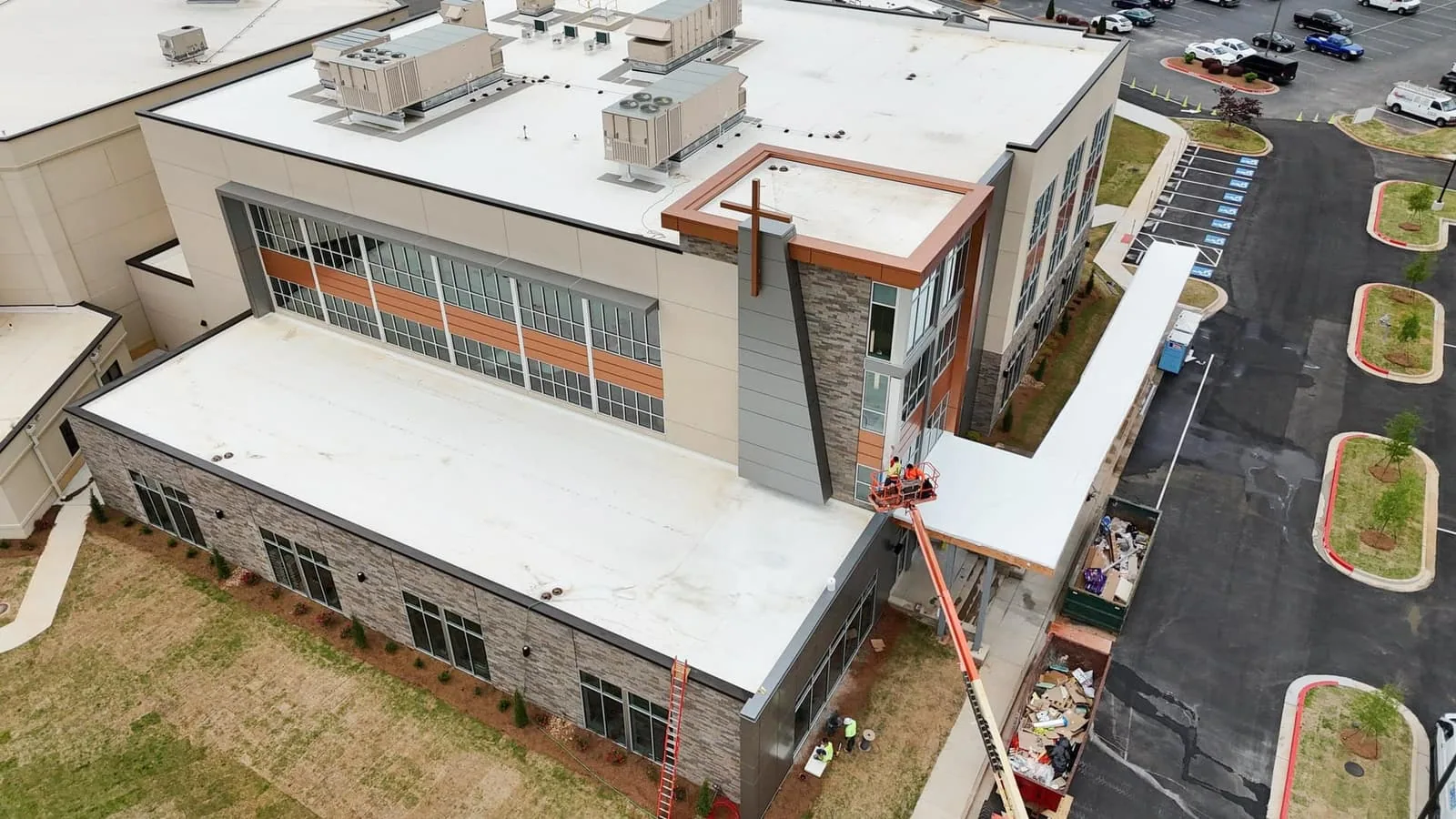
To evaluate coating, share the roof address, system information, previous repair records, current leak locations and any access restrictions. We will inspect the substrate and record the preparation, repairs and weather window needed. A photo record makes it easier to see which areas can receive coating and which need another treatment.
Commercial Roofing Athens can prepare a coating scope with surface preparation, detail work, material system, staging and inspection points stated by roof section. Schedule a roof walk to review the substrate and coordinate the application window with building operations before the restoration is priced.
Frequently Asked Questions
Can a coating stop an active leak?
A coating should not be applied over an unresolved entry point. We first trace the leak, repair the detail and determine whether the surrounding assembly is dry and suitable. If moisture is present below the roof, that material may need removal before restoration can proceed.
How do you decide between silicone and acrylic?
We compare the existing roof surface, drainage and ponding conditions, exposure and the selected product’s requirements. Adhesion and compatibility should be checked on the actual substrate. The proposal names the system and its preparation rather than treating all coatings as one material.
Does roof coating require surface preparation?
Yes. The roof needs cleaning and repair, and loose or incompatible material must be addressed before application. We also protect drains, equipment and nearby surfaces. Preparation requirements depend on the existing membrane and coating product, so they are listed in the project scope.
Will the building need to close during coating work?
Often the building can remain occupied, but roof access, deliveries, odors, equipment and work-zone routes need coordination. We plan staging and operating windows with the property contact. The manager confirms tenant and facility restrictions before the crew mobilizes.
When is replacement a better option?
Widespread wet insulation, failed deck areas, unstable membrane or details that cannot be rebuilt may make coating unsuitable. We document those conditions and compare selective removal, recover or full replacement. A coating recommendation is limited to the roof areas that can be prepared and restored properly.