Commercial Silicone Roof Coatings in Athens, GA
Home / Roof Systems / Commercial Silicone Roof Coatings
Commercial Silicone Roof Coatings
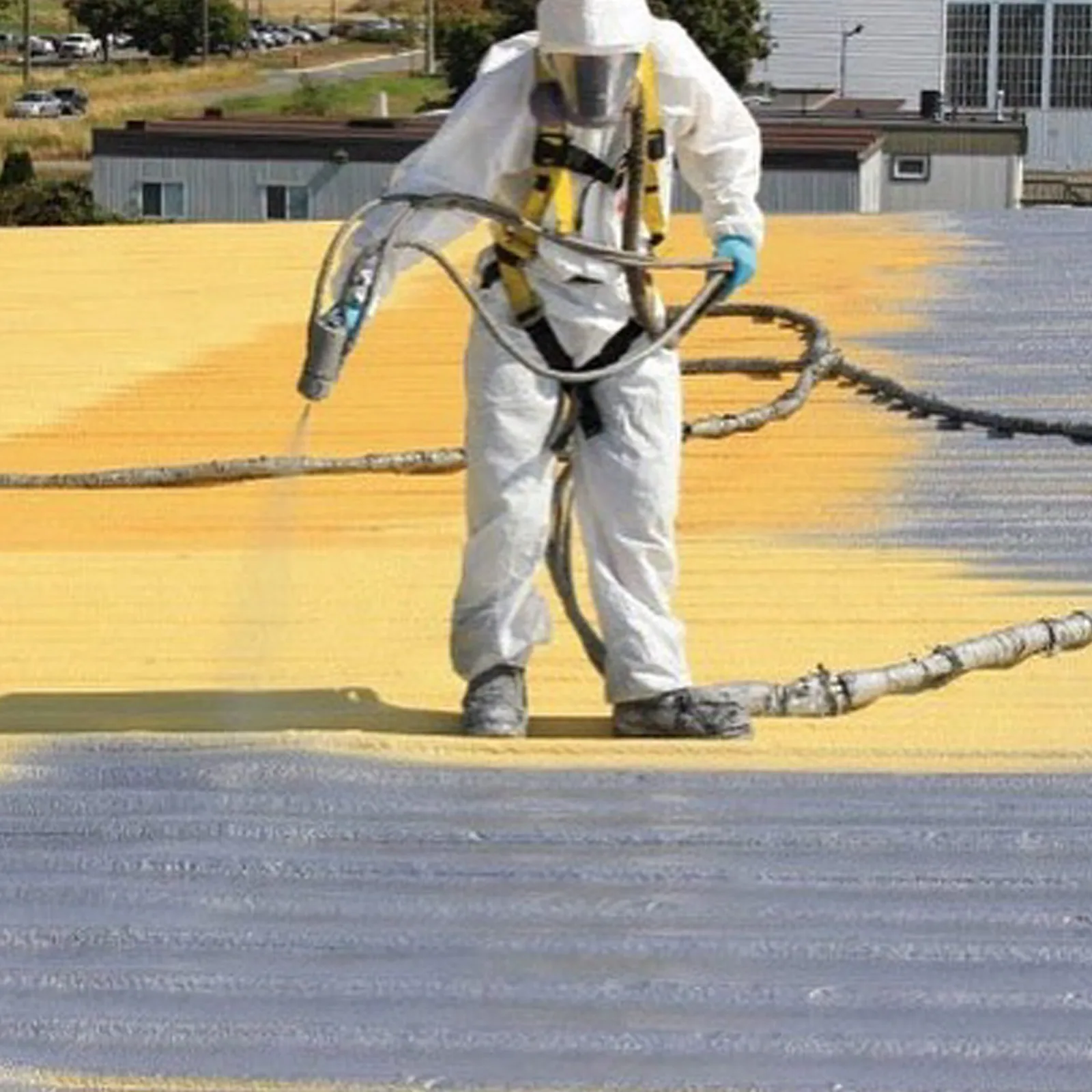
A silicone coating can restore a roof surface when the existing assembly is stable, dry enough for the specified system and detailed to carry water to working outlets. It does not make wet insulation sound, repair an open seam below the coating or remove corrosion from a failing deck. Before recommending restoration, we map the roof, check adhesion and identify repairs that must happen before application. At Athena Industrial Park, a production site's roof may include equipment and frequent service access; near Downtown Athens, staging and pedestrian protection may shape the sequence. Those logistics matter, but the coating decision begins with the roof's confirmed condition.
Determine whether the assembly is a candidate
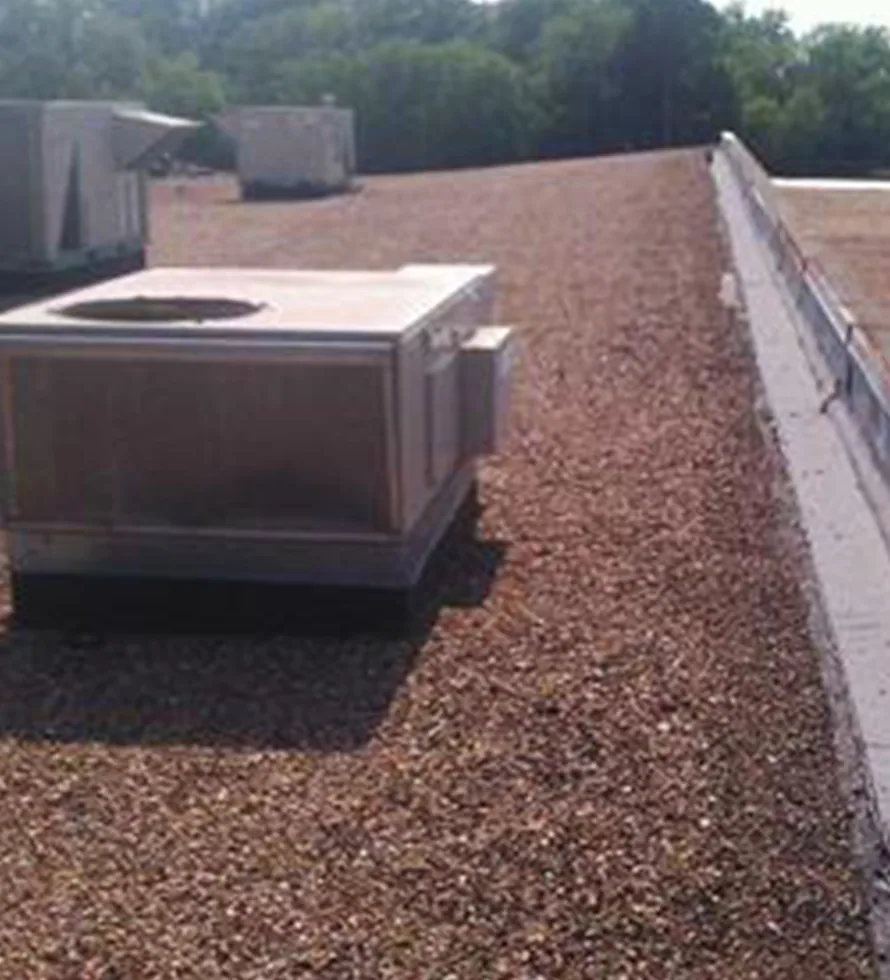
We inspect the current membrane or coating for blisters, open laps, splits, punctures, chalking, ponding, exposed reinforcement and weak transitions. The survey should identify the roof type, previous coating products where known and areas of incompatible or uncertain material. Test patches can confirm adhesion when records and visual review are not enough. We also look for saturated insulation or trapped water that would remain hidden below a new layer. If the substrate cannot support the coating system, selective removal or a larger replacement scope is more appropriate than applying over the defect.
A commercial roof inspection documents conditions, and a targeted moisture survey may help select locations for verification cuts. Thermal indications are not a diagnosis by themselves; roof construction, recent weather and surface conditions must be considered. Our report separates confirmed wet areas from locations that need testing. For a facility with repeated leak calls, we also identify the probable entry details and distinguish coating eligibility from leak repair. The proposal can then state what is included, what remains uncertain and what evidence is needed before a final system recommendation.
Resolve ponding and drain details first
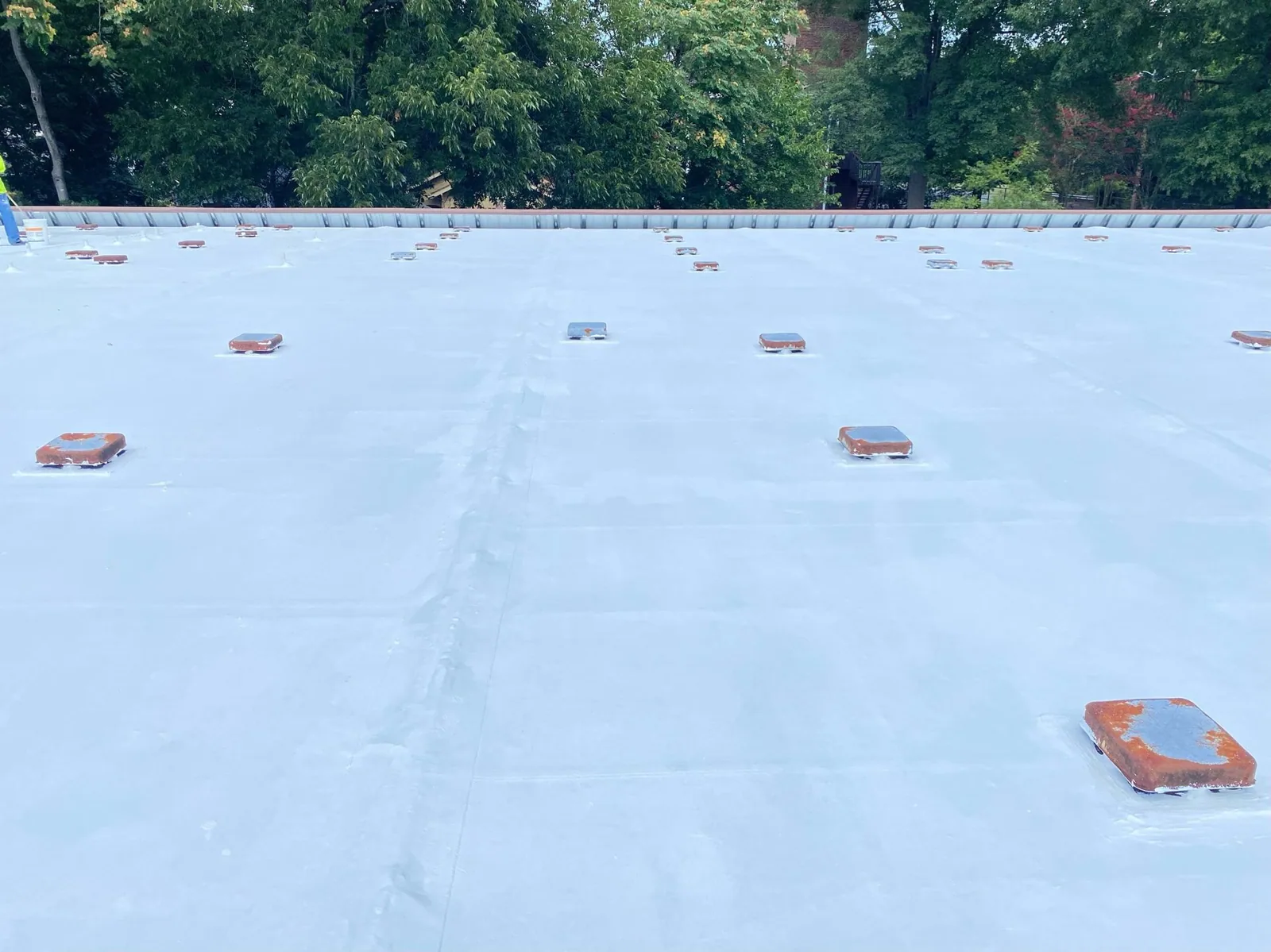
Silicone tolerates standing water better than some coating chemistries, but persistent ponding can still affect the underlying assembly and shorten the value of a restoration. We locate low areas, check drains and scuppers, inspect the slope and record where water crosses seams or reaches a curb. A drain that is obstructed, set too high or disconnected from the roof's actual flow pattern needs correction. The drainage and scupper scope should be coordinated before coating so the outlet and surrounding flashing remain accessible and properly finished.
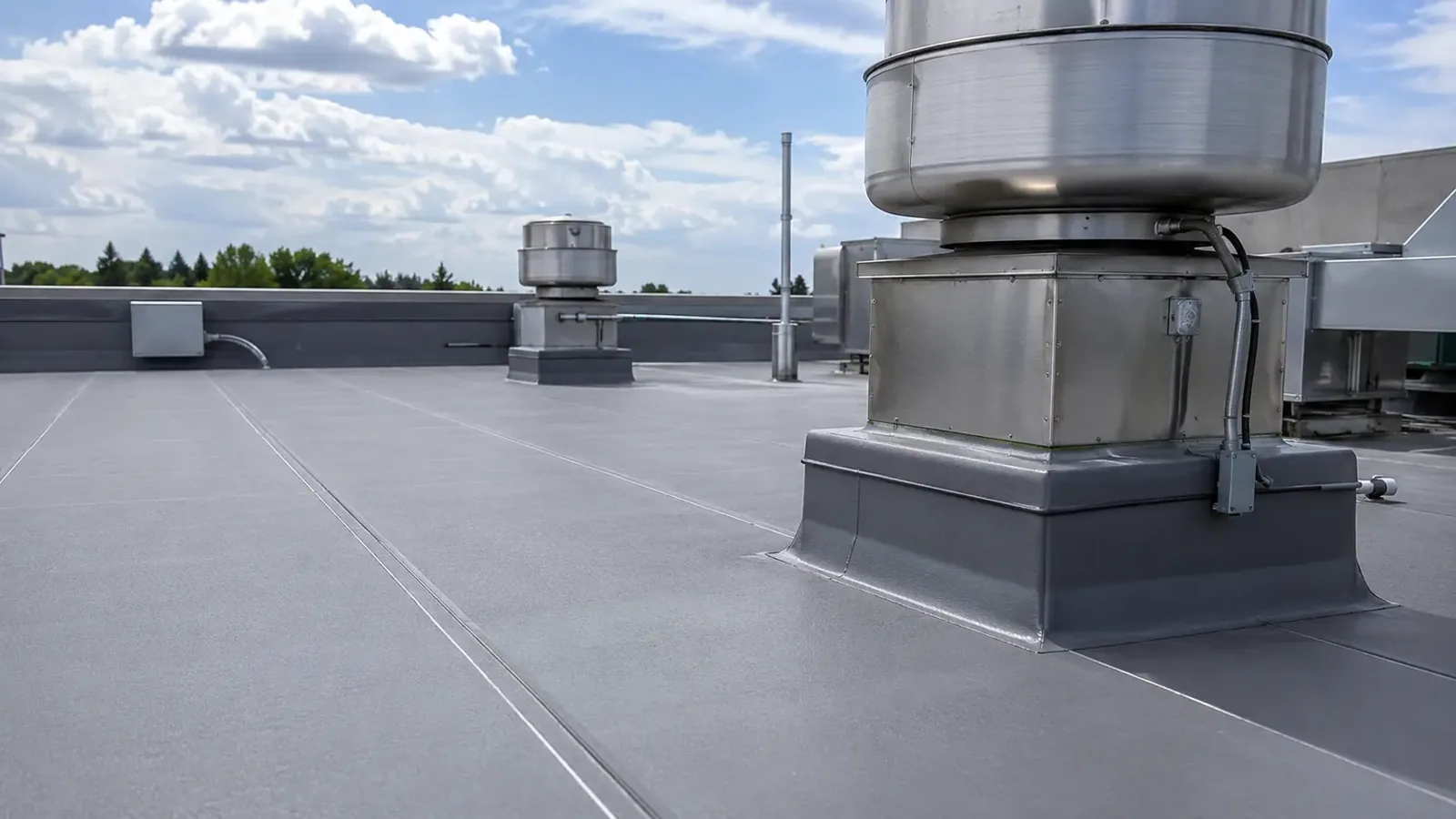
Penetrations, skylights and equipment supports require a compatible detail rather than a field coat brushed around the base. We verify flashing condition, movement, clearances and whether service crews can reach components later. A curb and support review can address separation between coating work and mechanical work. At a roof on a busy corridor such as Atlanta Highway corridor, delivery and lift access also need planning with the property contact. We confirm the actual route, work hours and pedestrian controls instead of assuming a standard access plan fits.
Prepare a clean and compatible surface
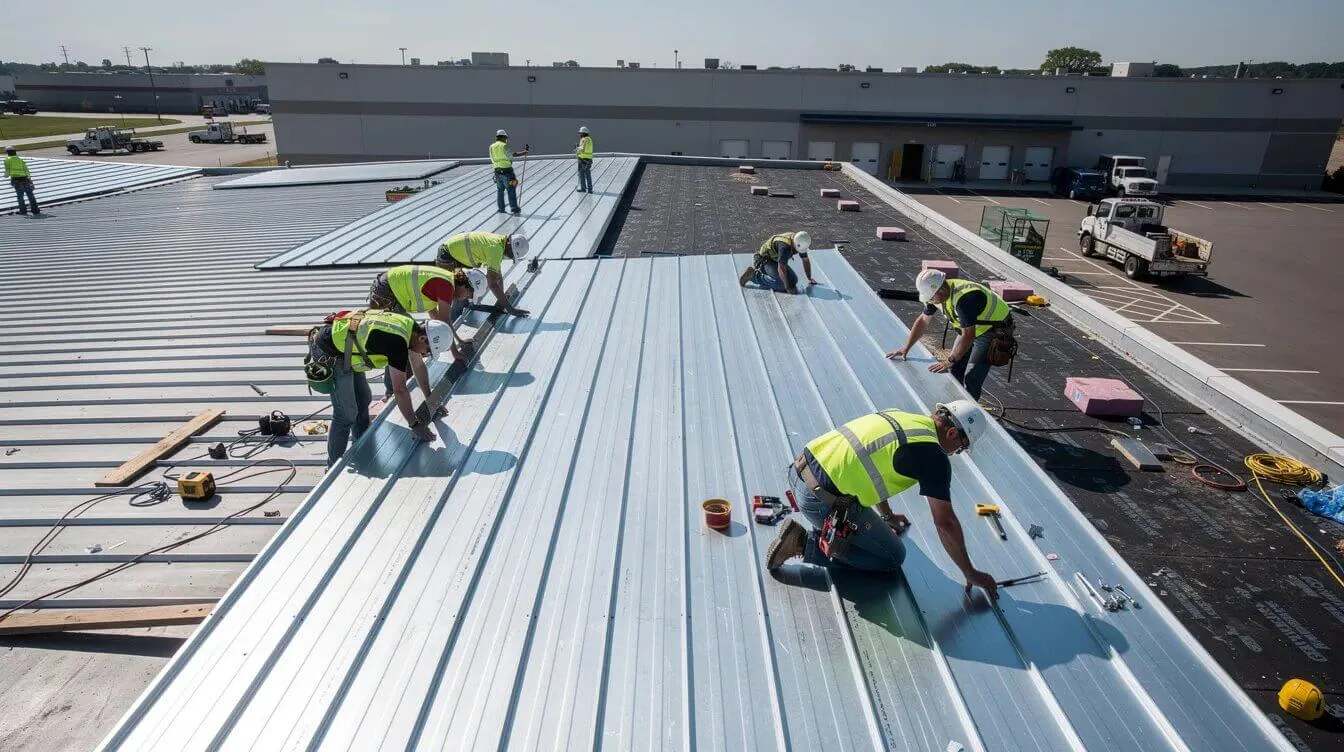
Preparation affects adhesion. The scope may include removing loose coating, cleaning dirt and biological growth, tightening or replacing fasteners, repairing seams, correcting punctures and priming areas called for by the coating manufacturer. We define the method and limits for each condition before production begins. Loose or deteriorated material should not be buried. Where a repair uses a different membrane or sealant, the products must be compatible with the selected coating and allowed to cure as specified.
Cleaning and rinsing create their own site requirements. We plan where wash water goes, protect rooftop equipment and avoid sending debris toward drains. The crew checks that the surface is dry within the system's installation limits and that the forecast supports application and curing. Athens' humid-subtropical weather brings hot summers and frequent thunderstorms, so the schedule needs a realistic dry interval rather than a fixed promise. If a passing shower or wind interrupts, the open area is secured and the crew records which work can resume only after reinspection.
Specify coverage, reinforcement and finish
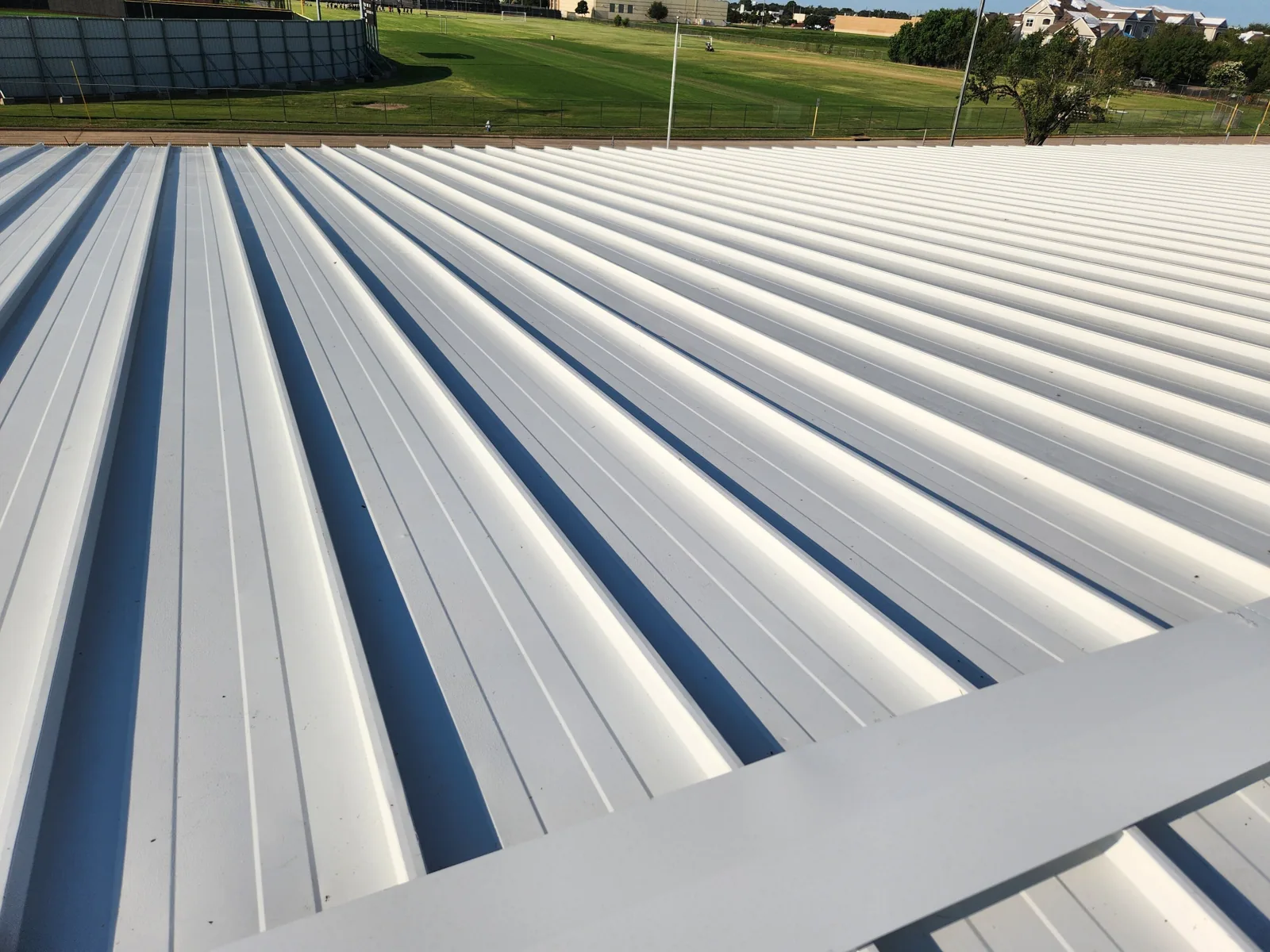
The coating system should identify primer, repair materials, reinforcement at seams or transitions, target dry-film thickness and number of passes. Coverage is measured against roof area and substrate condition, not estimated from a single pail count. Crew leads track material use and inspect the finish for pinholes, holidays, thin spots and uncovered edges. Reinforced fabric may be appropriate at selected details, but it is not a substitute for correcting a moving or failed component. The project documents should clarify whether metal flashings, curbs, penetrations and perimeter edges are included.
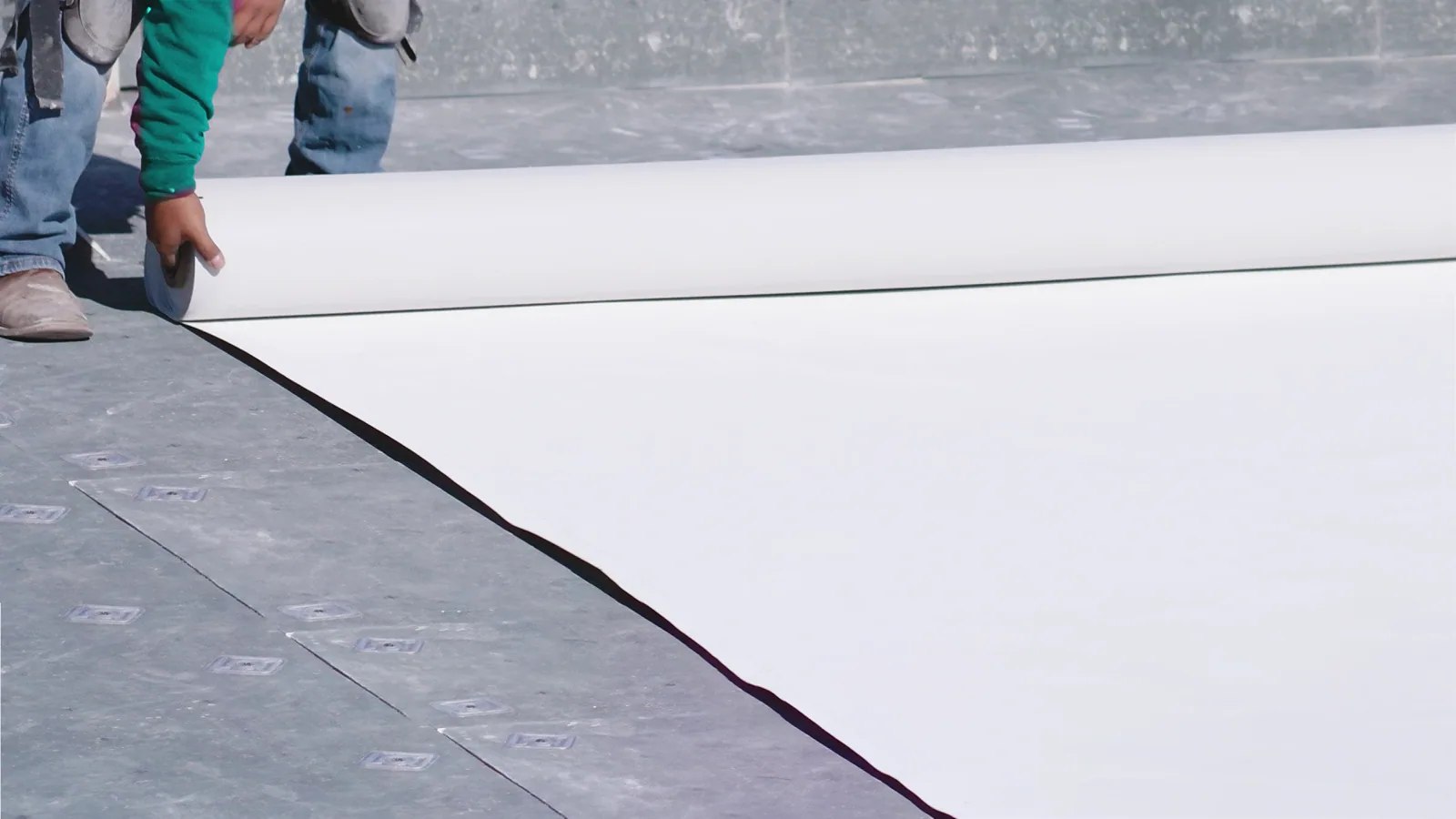
We use product data and the roof survey to establish the assembly, then verify installation records at closeout. A repair option may fit isolated wear, while broad coating loss or damaged membrane can point to a different restoration or replacement. Compare silicone with an acrylic coating system only after drainage, exposure and maintenance demands are understood. For a membrane alternative, a TPO roof system may be evaluated where the existing structure and project criteria support it. No coating choice should be made from color or a generic claim alone.
Protect the restored surface after turnover
Once the coating is complete, document its thickness checks, repair locations, product data and any roof areas left outside the work. Future service technicians need to know where walking is permitted, which sealants or cleaners are compatible and how to report a cut or puncture. Building owners should schedule visual checks after severe weather and after rooftop mechanical work. A small, documented repair can prevent a damaged area from expanding, but the repair material must bond to the existing system and be installed over a properly prepared surface.
Facility managers in Athens coordinate roofs with varied operations. UGA's campus inventory includes 491 buildings serving academic, residential, student-service and support functions, while the local economy also includes health systems, schools, retail and manufacturing. A university or plant contact should identify escort requirements, service access and work-hour limits for the specific building. We confirm those details with the manager and leave a roof map that points to drains, repaired seams and coating boundaries. That record makes the next inspection more useful than a general record that the roof was coated.
Request a coating assessment
Share available roof plans, prior coating records, known leak reports and any recent core or moisture-test results. record the areas where contractors, mechanical teams or tenants regularly need access. We can walk the roof, identify sample areas and prepare a scope that separates cleaning, repairs, primer, coating and detail work. If the existing assembly needs removal or substantial replacement, we explain that before coating materials are selected.
Commercial Roofing Athens can schedule a roof review around the property's operating needs and provide a written assessment of coating eligibility. The recommendation should identify the evidence supporting restoration, any preconditions and the inspection points for closeout. Contact us to discuss silicone coating for a commercial building in Athens, GA.
Related Roofing Work
Frequently Asked Questions
Can silicone coating be applied over any commercial roof?
No. The existing surface must be stable, compatible and suitable for preparation and adhesion. We inspect for moisture, failed seams, loose material and prior coatings, then use test patches or further testing when needed.
Will silicone solve an active roof leak?
A coating should follow repairs at the leak entry point, not cover an unresolved entry point. We inspect seams, penetrations, drains and transitions, document wet areas and define corrective work before recommending restoration.
What happens if the roof has ponding water?
Standing water calls for an outlet and assembly review before the work is priced. We map low areas, check drains and scuppers and decide whether correction is needed. The coating cannot restore a blocked drain or saturated insulation.
How do you confirm enough coating was applied?
Material use and measured dry-film thickness are checked against the specified system. The scope defines target coverage, passes and detail reinforcement, and closeout records the inspection results and any areas needing touch-up.
Does the building need to close during coating work?
Most access decisions depend on the roof layout, lifts, odor controls, equipment and occupied areas. We coordinate staging and work boundaries with the property contact, then confirm any restrictions for the actual site.