
Commercial TPO Roofing in Athens, GA
Home / Roof Systems / Commercial TPO Roofing
Commercial TPO Roofing
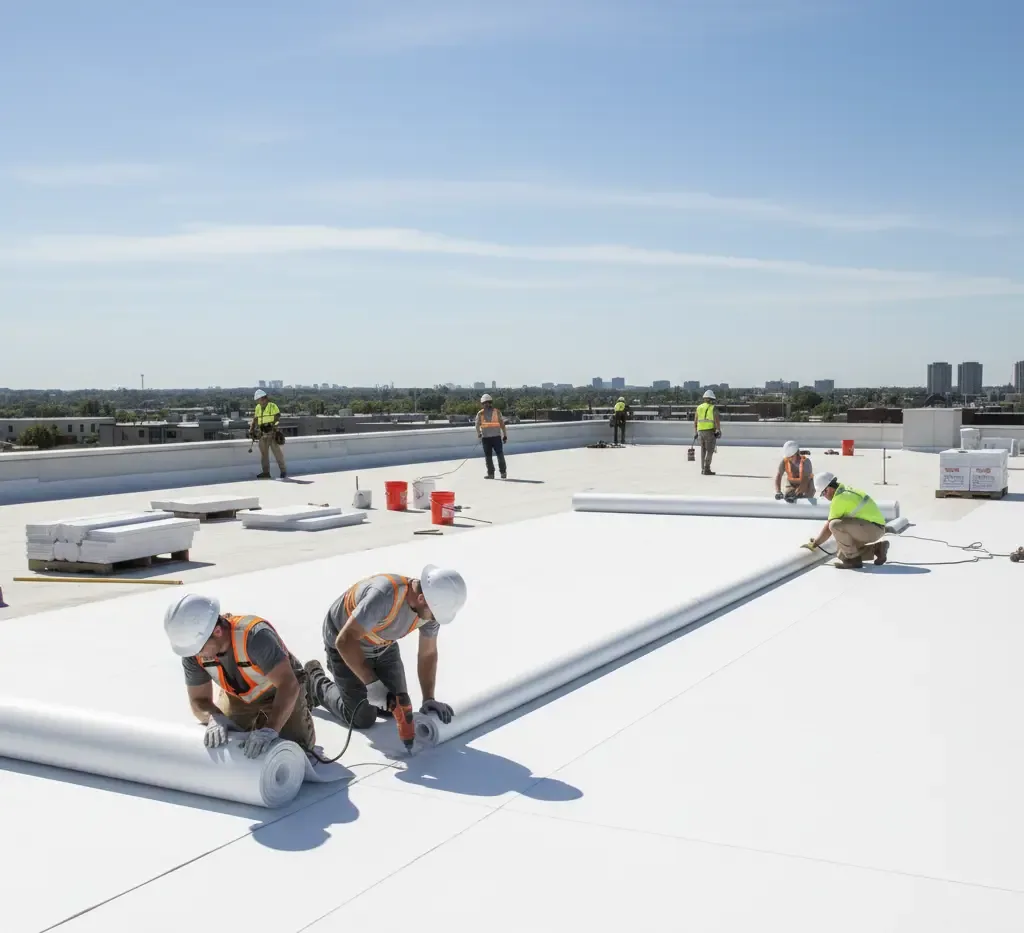
White TPO membrane is often considered for a low-slope roof, but the sheet color is only one part of the assembly. We inspect the deck, insulation, drainage, curbs, edges and existing roof before selecting attachment and seam details. Athens’ hot summers and frequent thunderstorms make both material handling and end-of-day dry-in important. At a UGA building or a warehouse in Athena Industrial Park, we coordinate roof sections, delivery route and work hours with the site contact. A condition inspection establishes whether the substrate is ready for a new membrane or needs repair first.
Build the membrane over a sound base
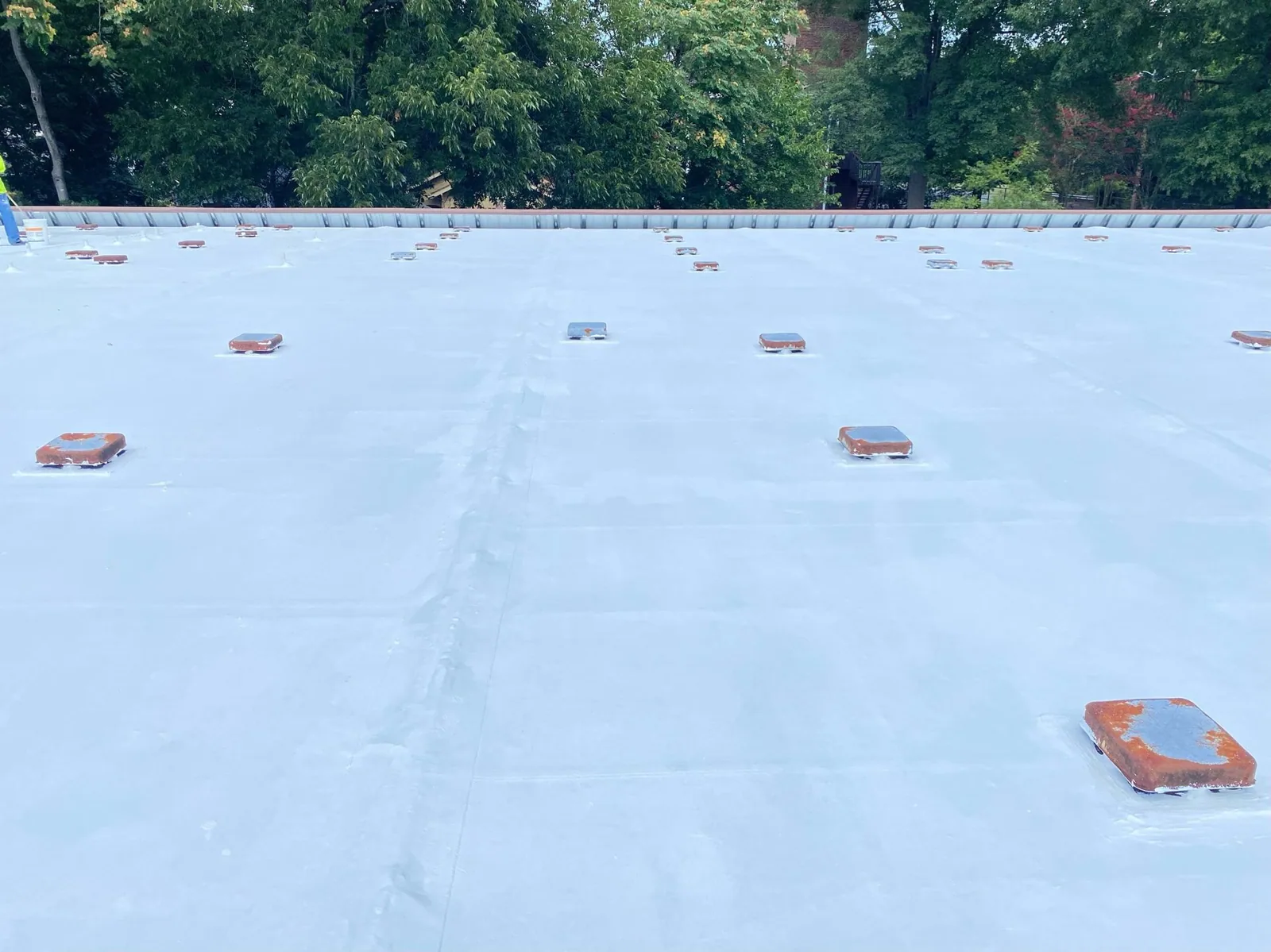
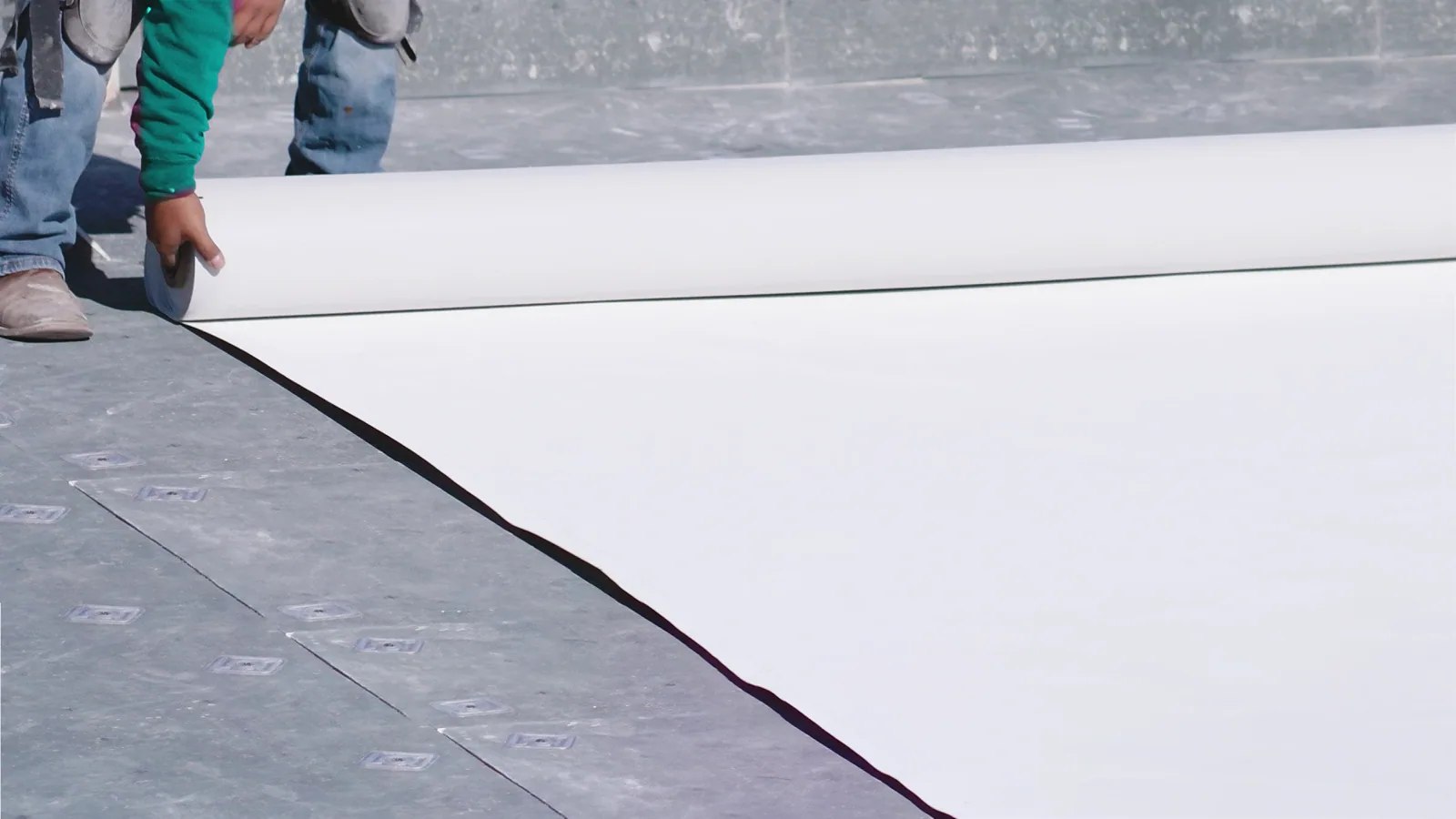
TPO can be installed over an approved insulation and cover-board assembly using a mechanically attached or adhered method suited to the deck and project design. We review existing layers, identify wet or damaged material and confirm the surface that will receive the new work. A roof recover may be possible where conditions and code allow, while saturated insulation or unstable layers can call for removal. The scope states what stays, what comes off and how the substrate will be checked before the membrane is placed.
Board layout, attachment, perimeter zones and field fastening are part of the roof system, not details to settle after material delivery. We coordinate the specified wind design and verify transitions at walls, drains, curbs and roof edges. If a project has rooftop equipment changes, the proposed assembly should be coordinated with those details before crews close the field. A cover-board and insulation plan can identify the layers and finished height used in the TPO scope.
Treat each seam as a field detail
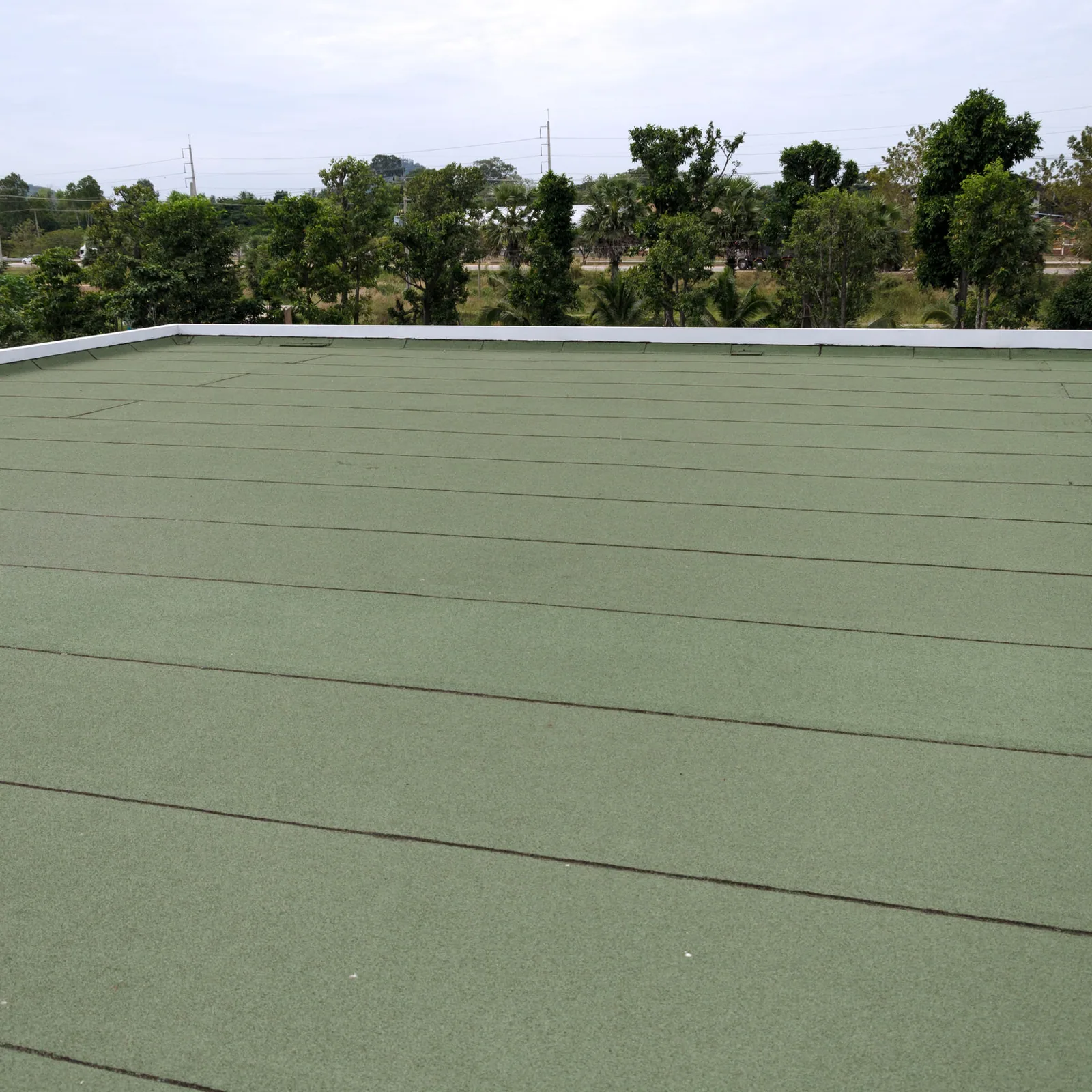
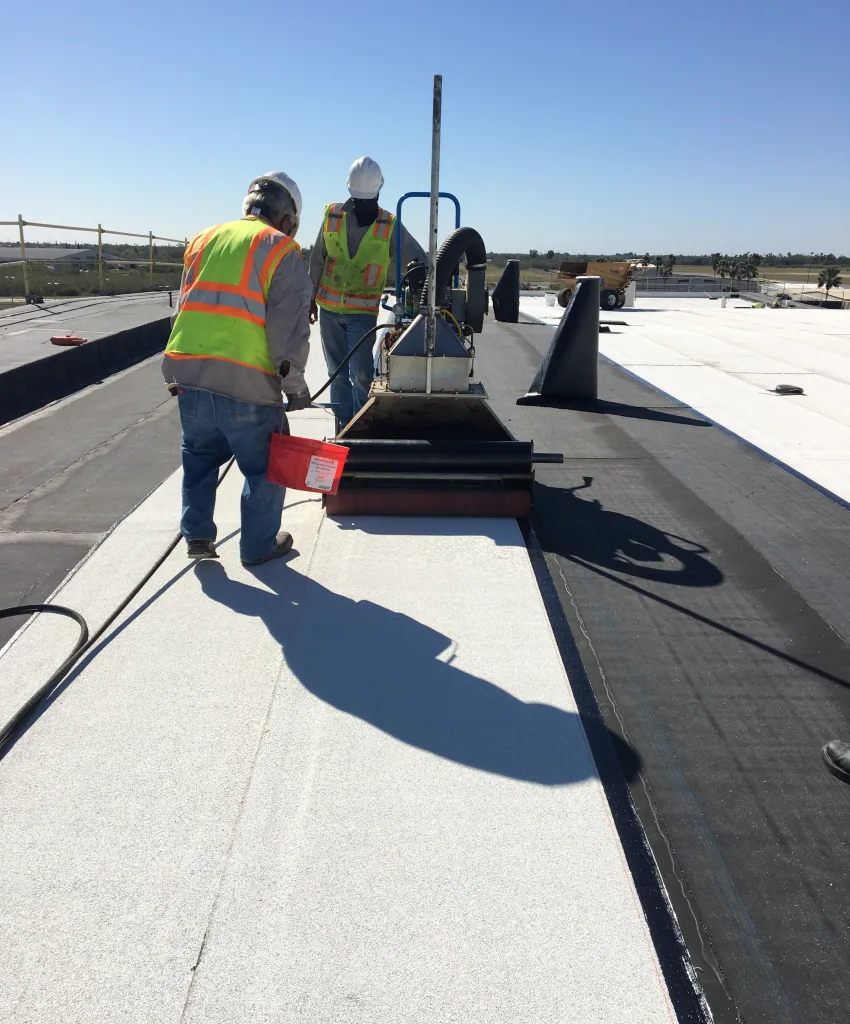
TPO seams are joined with hot air, and the quality of the weld depends on clean material, correct settings, consistent speed and suitable conditions. We prepare lap areas, make a test weld as required by the project specifications and inspect the finished seam. Corners, T-joints, penetrations and transitions need separate attention because material layers meet there in more than one direction. The closeout records the system and details installed rather than describing the roof only as a white membrane.
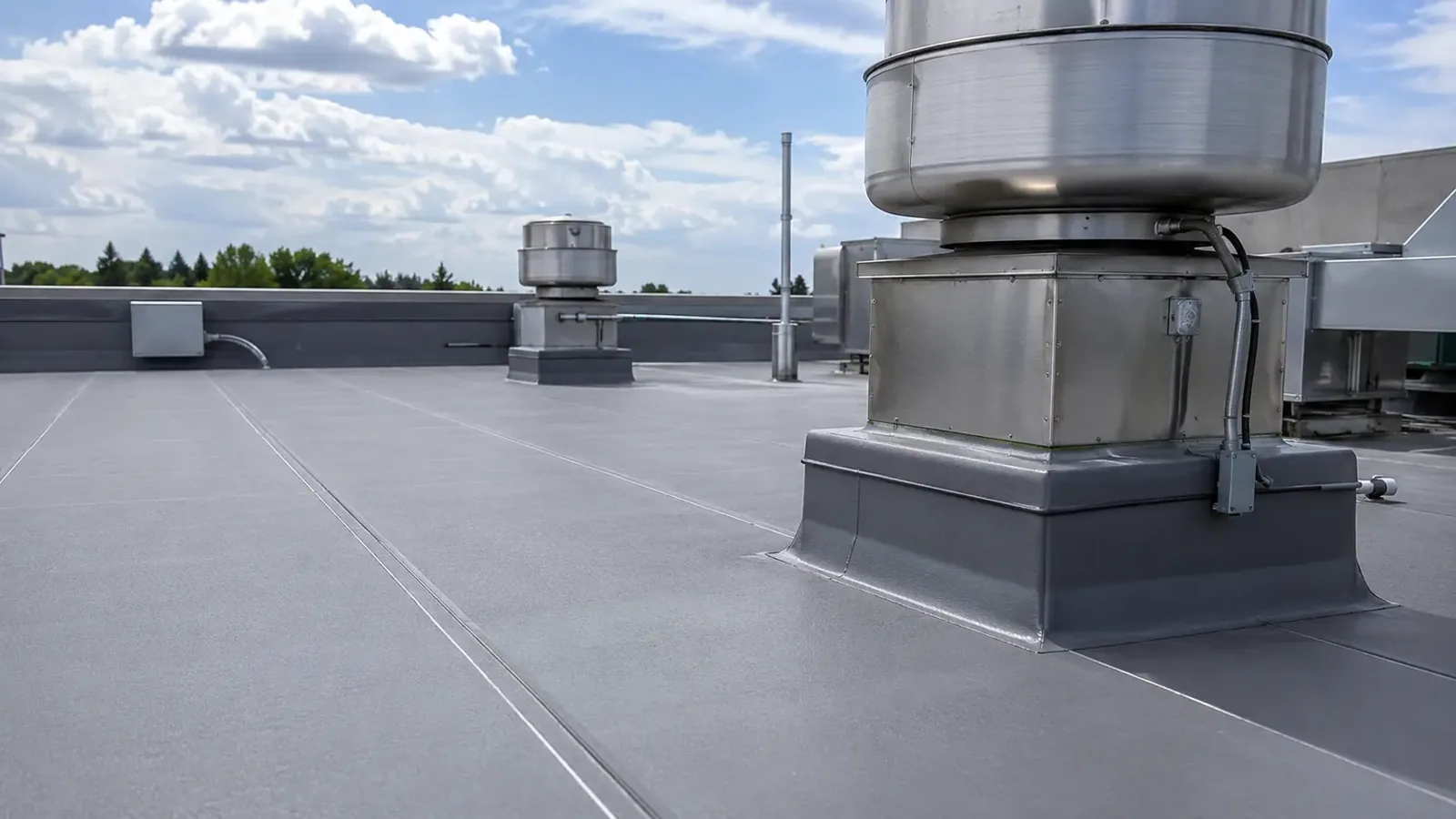
At curbs and pipes, flashing is formed and welded to the field membrane with terminations secured as specified. Edge metal, drains and scuppers need compatible connections so water cannot bypass the membrane. We check completed details before insulation or equipment hides access. For a rooftop unit curb or a skylight opening, the roofing and mechanical sequence should state who installs each component and when the tie-in is inspected.
Seam verification should be part of daily quality control, not a closeout surprise. The foreman checks welder settings against the membrane and field conditions, makes sample welds when required, and records any adjustment before production continues. Completed seams are probed after they cool, with repairs marked and rechecked. At corners, drains and equipment curbs, the detail changes from a long field weld to a more constrained flashing transition, so those areas receive their own visual review. The owner’s turnover file should identify the approved membrane, attachment method and inspection record for each completed roof zone.
Schedule for heat and storms
Athens has hot, humid summers and frequent warm-season thunderstorms, with damaging wind, hail and tornado exposure across north-central Georgia. Heat, surface moisture and wind can affect the installation window and the crew’s safe access. We review forecast and product requirements before opening each roof area, then set a dry-in boundary that can be completed within the planned shift. If rain approaches or the substrate is wet, the crew pauses at a secured point instead of extending the open section.
Athens’ warm-season storms shape TPO work around secure material staging, phased seam welding and a dry-in point for each shift. After an event, we inspect the membrane, seams and perimeter for visible displacement or impact before writing a repair scope. The work plan also accounts for afternoon heat, material storage and rooftop equipment service. A wind-damage inspection can be coordinated separately if the roof experiences a reported event while installation is underway.
Coordinate the occupied roof
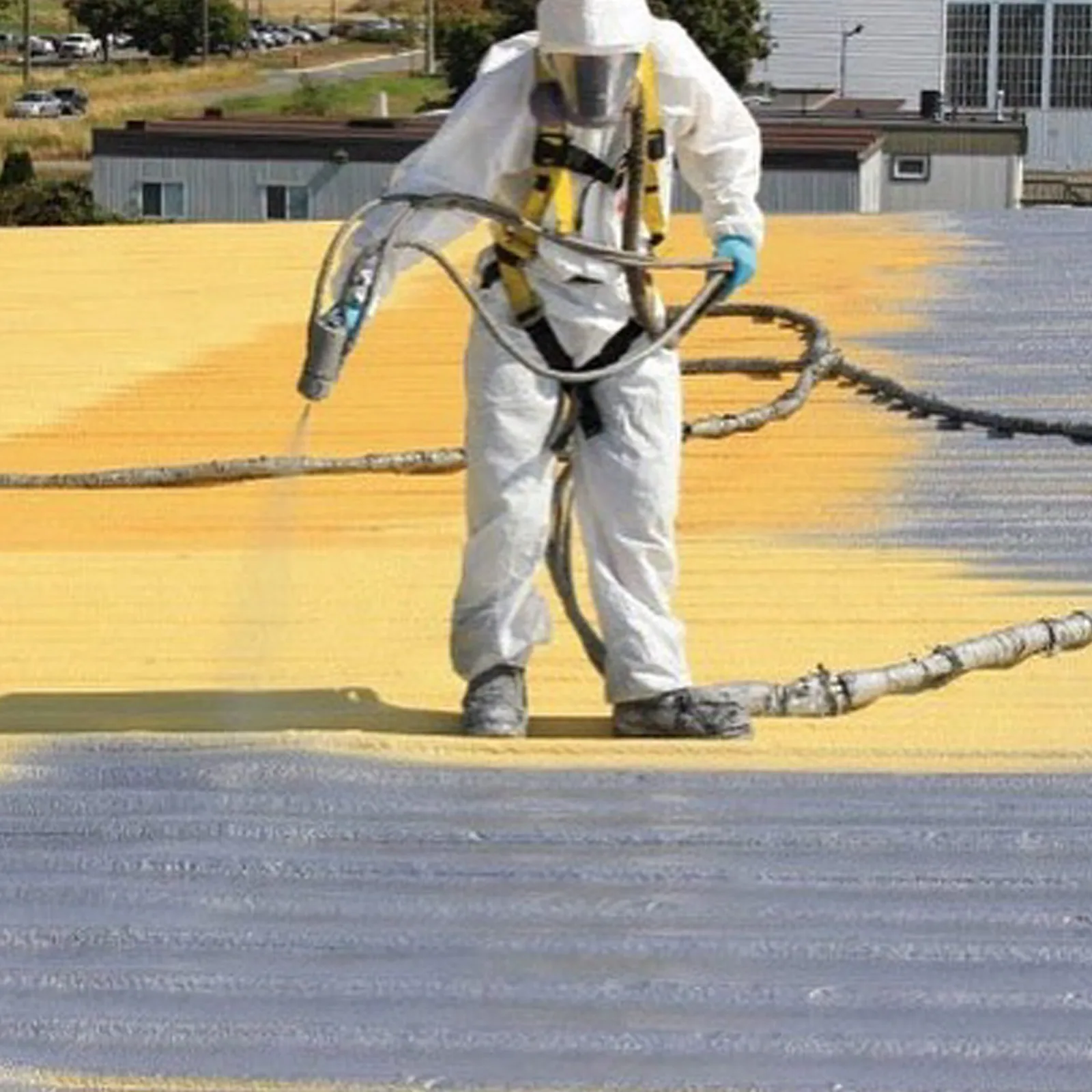
We map material staging, crane or lift needs, pedestrian routes, noise windows and equipment clearances with the facility contact. The property manager identifies areas that must remain open and any tenant, patient or production restrictions. UGA operates a campus with academic, residential and service buildings, while Piedmont Athens Regional has clinical and support functions; their access rules differ by address. We make the work boundary specific to the building and schedule rather than using one citywide calendar.
Installation moves in sections. The crew removes only what can be inspected and covered during the shift, completes tie-ins, checks drains and clears loose material before turnover. Daily updates identify the completed area, any hold or concealed condition and the next work window. If tear-off reveals wet insulation or damaged deck, we photograph it and bring the change to the authorized contact before expanding the work. That gives ownership a decision point while the layers remain visible.
Compare TPO with the other systems
TPO is one option among several low-slope systems. PVC and KEE membranes also use heat-welded seams but differ in formulation; EPDM uses a different seam and flashing method; modified bitumen and built-up roofs rely on multi-ply assemblies. The right comparison considers deck, slope, rooftop equipment, maintenance access, exposure and project requirements. We can outline a PVC alternative or EPDM option when those systems suit the building’s conditions.
For a roof that is already sound but needs a reflective surface, coatings may be considered after compatibility and adhesion are checked. A coating is not a substitute for saturated insulation or failed deck repair. If the membrane is near the end of service or repeated repairs point to broader deterioration, compare recover with full replacement based on documented layers and transitions.
Price the assembly, not just the sheet
Provide roof plans, deck information, known leaks, current system details and access constraints. We will inspect the roof, identify the substrate and document the drains, curbs and perimeter. The proposal can then state membrane thickness, insulation, attachment, flashing, work sections and weather hold points. If the existing roof includes unknown layers, we can identify whether test cuts are needed before the scope is finalized.
Commercial Roofing Athens can coordinate a TPO installation with the facility’s schedule and roof access rules. Schedule a roof walk to map staging, material delivery, occupied routes and the tie-in plan before the membrane is ordered.
Related Roofing Work
Frequently Asked Questions
Can TPO go over our existing roof?
It may, if the existing assembly is dry, stable, within applicable requirements and able to support the proposed system. We inspect the roof and may recommend test cuts to confirm concealed layers. Wet insulation, damaged deck or excessive existing layers can make tear-off the more suitable approach.
How do you check TPO welds?
The crew prepares the lap, confirms welding conditions and inspects the completed seam using the project’s specified quality checks. Details such as corners, T-joints and penetrations need separate review. We document the installed system and any area that could not be accessed during inspection.
Can TPO installation happen in summer heat?
The work can be scheduled when material and weather conditions meet the system requirements and crews can work safely. Athens heat and thunderstorms affect daily planning, so we set section size and dry-in boundaries around the available window. Wet substrate or incoming rain may require a pause.
Will rooftop units need to be shut down?
Some curbs can be flashed with units operating, while lifting or modifying a curb may require a mechanical shutdown. We identify equipment, service clearances and the person who can approve a stop before roofing begins. The project schedule assigns mechanical and roofing responsibilities clearly.
What should be included in the TPO proposal?
The scope should identify membrane, insulation and cover board, attachment method, perimeter details, drains, penetrations, phased areas and closeout checks. It should also list access limits and how concealed moisture or deck damage will be handled if discovered during tear-off.