
Commercial Roofing Across Athens-Clarke County
Home / Service Areas / Athens-Clarke County
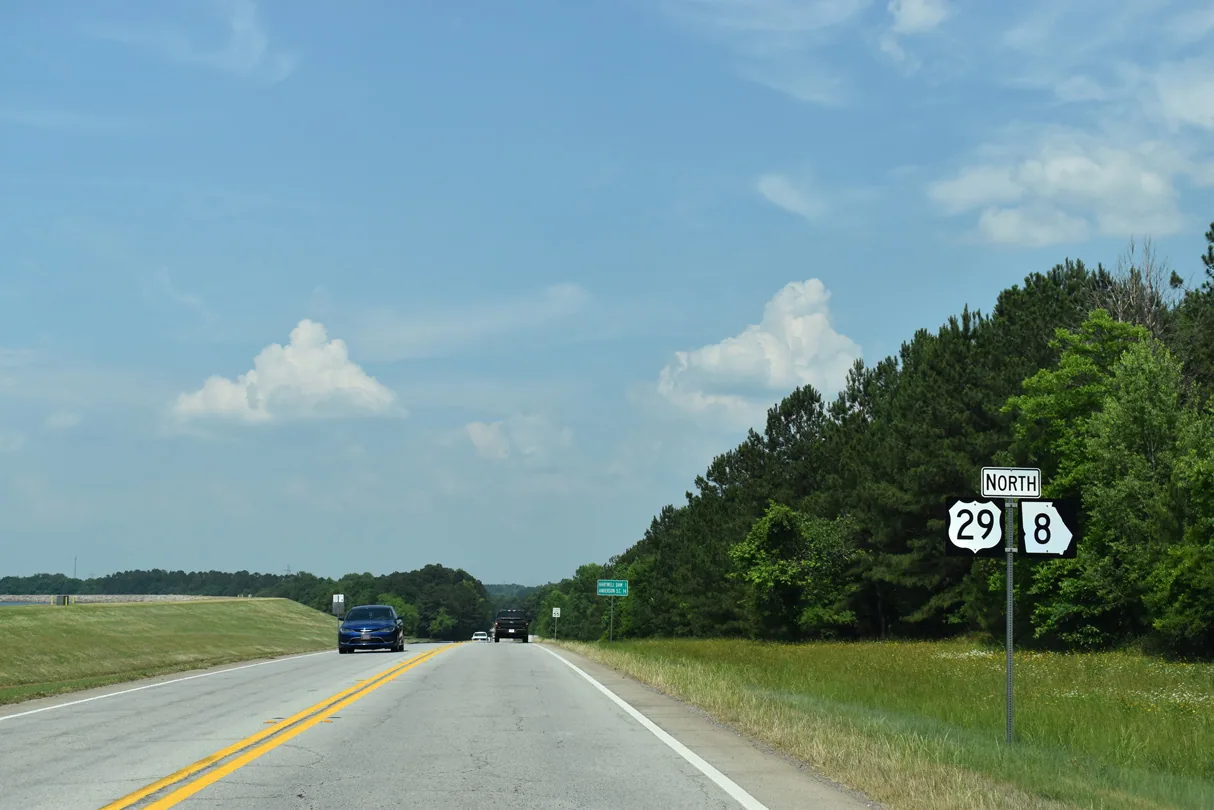
Athens-Clarke County
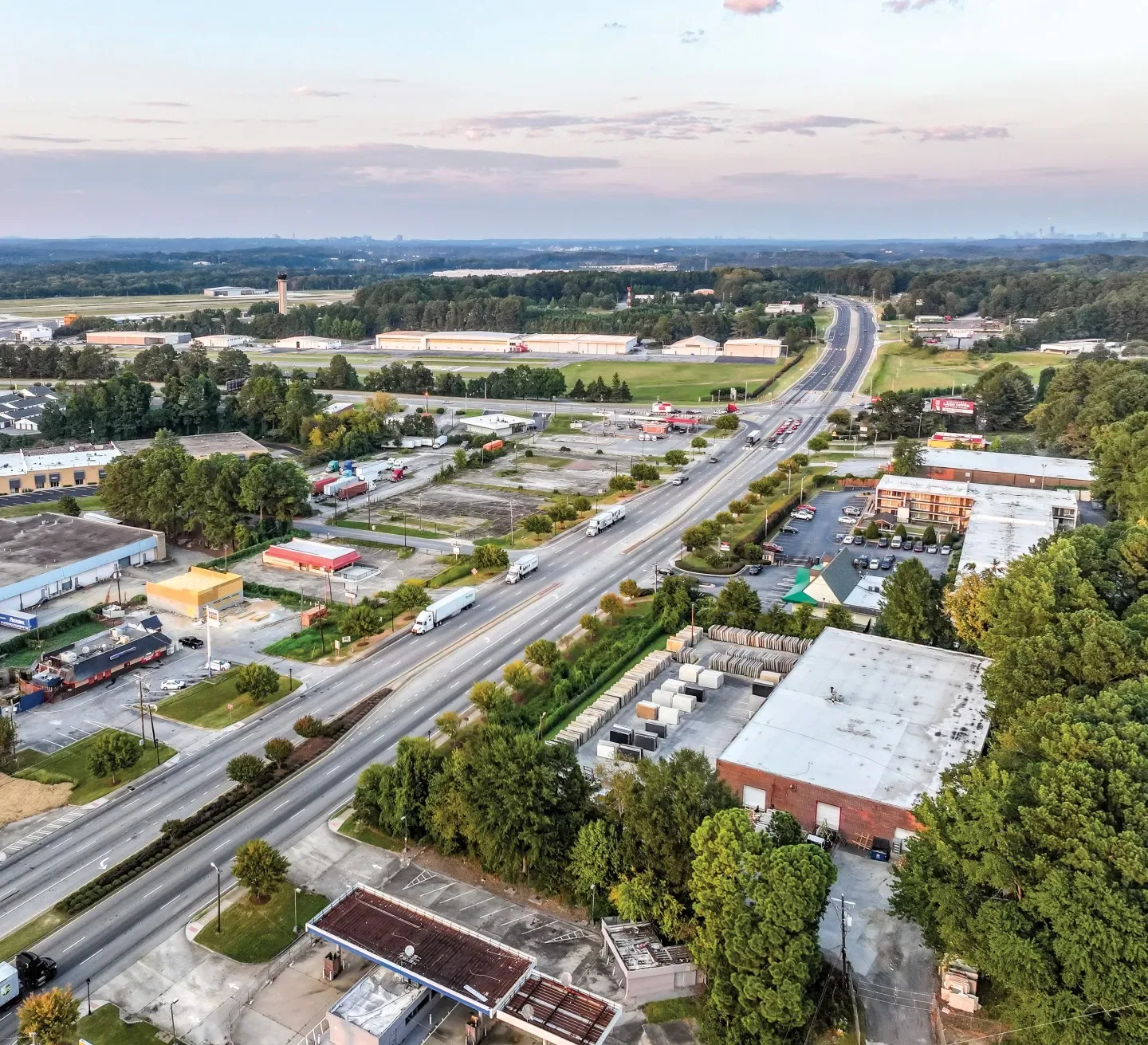
Commercial properties across Athens-Clarke County range from institutional buildings to retail, industrial and public facilities. We inspect the roof assembly and map access with the facilities contact before setting a work sequence. A field survey records membrane, drainage, penetrations, edges and visible repairs, then identifies any condition that needs testing. Athens’ hot, humid summers and frequent warm-season storms make the daily open-roof limit a schedule decision. The owner receives a measured scope, a delivery route, a weather hold and a clear handoff for each phase. Athens-Clarke County’s commercial building stock includes university and healthcare facilities, public schools, manufacturing plants and retail corridors, so each roof needs its own inspection and facilities contact.
Keep the site route usable
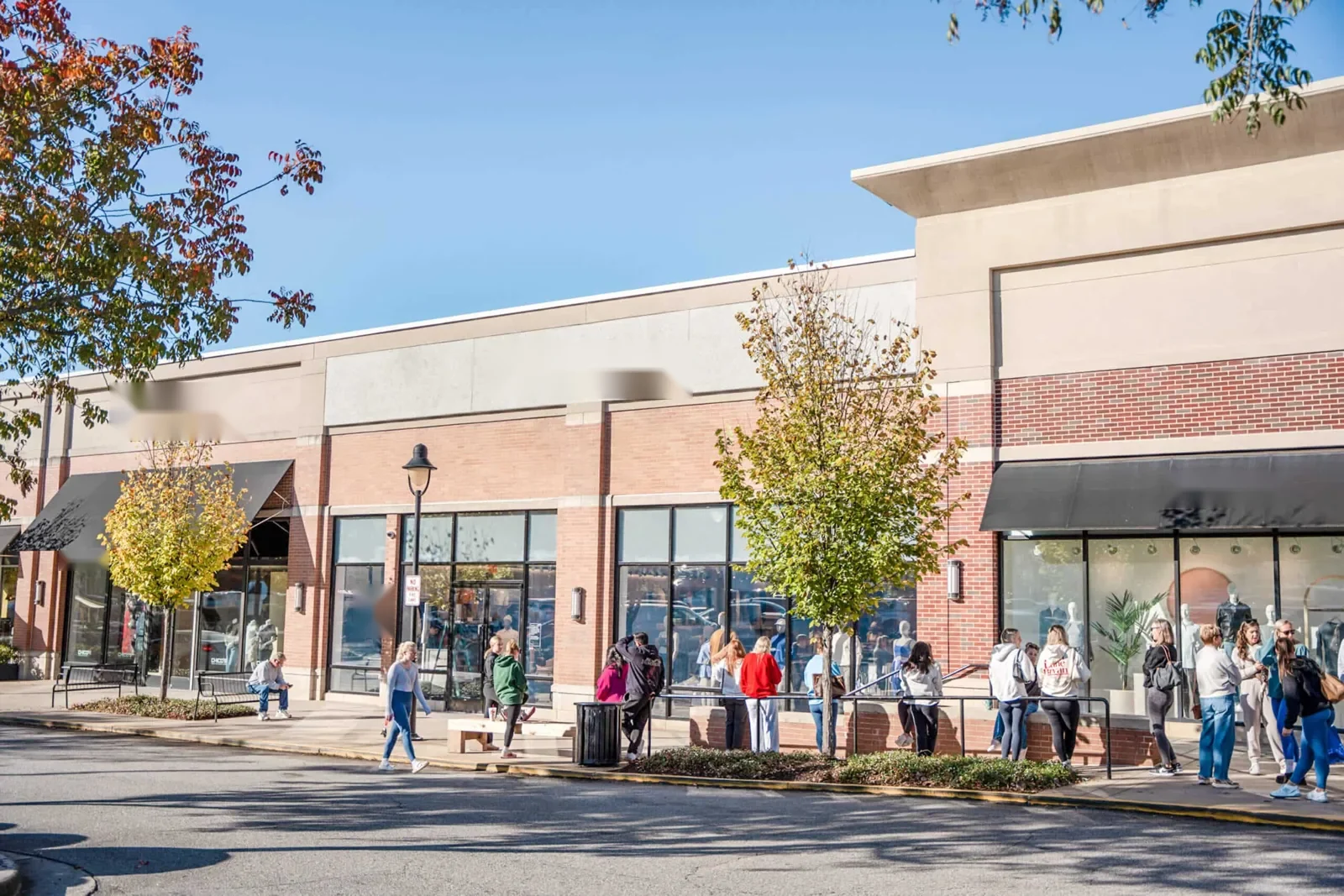
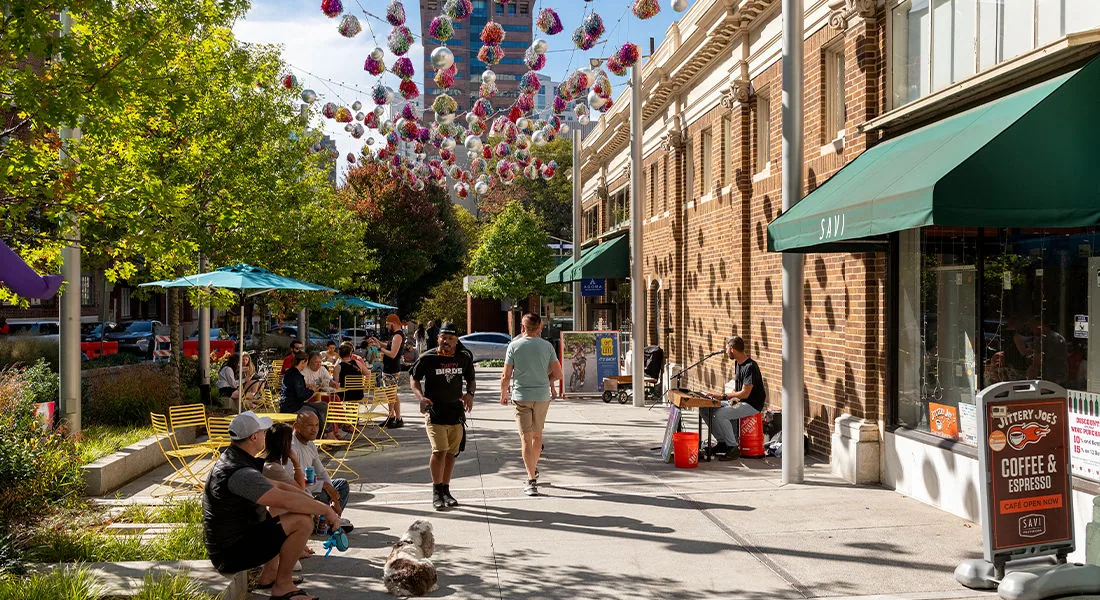
Before materials arrive, the property manager separates the crane-pick zone and service-vehicle route from pedestrian traffic. The building contact identifies active entrances, service doors, delivery hours and routes that must remain open. We place barriers around the work zone, post the agreed pedestrian route and confirm where material can be staged without blocking fire access or daily operations. For a roof with several elevations, we mark which stair or hatch serves each section and how the crew will carry tools between them. Academic, healthcare, public, retail and industrial properties follow different operating schedules, so the facilities contact confirms hours for each roof section. The roof walk records access constraints alongside the physical conditions, and the mobilization plan names who can release each section. A separate scope at North Athens commercial area would require its own contact and access plan; one property’s route cannot be carried over to another. The district edge at Downtown Athens has a different pedestrian pattern, so the nearest active entrance still needs confirmation.
Record the roof before pricing
Before a repair or replacement number is set, we inspect the roof surface and the details that control water movement. The field lead checks seams, patches, perimeter metal, wall terminations, drains, scuppers, curbs and penetrations. We record ponding, open laps, brittle flashing, displaced edge components and visible substrate concerns, then photograph the areas by roof zone. Where the roof has multiple layers or concealed moisture is suspected, a test cut or infrared survey can answer a different question than a surface walk. We do not treat a ceiling stain as a roof map. Findings are tied to the likely entry path and the layer that needs confirmation. A written capital planning record keeps photos, observations and recommended next steps together, while a moisture survey can help locate wet insulation for targeted verification. The owner sees which items can be repaired and which need further testing before scope approval.
Release one roof section at a time
On an occupied property, the useful unit of work is a roof section with a defined start, tie-in and handoff. We divide the drawing into manageable areas, then connect each one to the interior space, access point and protection requirement below. The crew removes only the assembly that can be dried in within the agreed shift. New insulation, cover board and membrane follow the approved specification, with drains and penetrations completed before the section is closed. The field lead checks seams and transitions before releasing the next area. When removal reveals unlisted layers or a deck issue, the crew secures that work zone and records the revised assembly for facilities approval before proceeding. A multi-property roof program can show occupied wings, noise windows, equipment moves and daily cleanup. When replacement is not yet warranted, localized work through commercial roof repair may address observed defects while leaving sound areas in service.
Set the dry-in and weather hold
Athens’ warm-season storms can interrupt tear-off, membrane placement and delivery, so the plan sets a daily stopping point before the roof is opened. We agree on the amount of exposed area, the temporary protection available and the person who can call a weather hold. The crew checks the forecast during mobilization, stages materials where they can be secured and closes each tie-in before leaving the roof. If wind, lightning or rain reaches the work zone, the field lead protects the exposed assembly, records the boundary and gives the property contact a revised sequence. Spring and summer storms can shorten a commercial work window, so we secure each exposed roof zone before the next weather hold. For suspected impact, we photograph membrane, metal and rooftop equipment before temporary work changes the evidence, then coordinate any needed wind-damage assessment or hail inspection.
Coordinate people, equipment and deliveries
Academic, residential and support buildings can have different operating calendars, utility access and rooftop equipment needs. The roof contact confirms which units must remain online, who can authorize shutdowns and whether a technician must accompany the crew. We list each curb, conduit, skylight and drain that intersects the work, then confirm the detail before membrane is cut or welded around it. If equipment needs service, the sequence sets a separate visit so roofing and mechanical work do not compete for the same access point. Material delivery is matched to the laydown area and the section that can be completed, avoiding a roof full of supplies that cannot be secured. A curb and equipment review records clearances and flashing needs, while drain work addresses outlets that could slow dry-in or hold water after turnover. Every schedule change is sent to the building contact before crews shift zones.
Close out by roof zone
At the end of each phase, we inspect the completed seams, perimeter transitions, penetrations and drainage points, then photograph the finished area. The closeout records the membrane and insulation details available from approved documents, the work completed, any concealed conditions and items that still need owner direction. We mark temporary protection separately from permanent work and identify who will monitor an open item. A roof map helps facilities staff connect later service calls to a specific elevation instead of repeating the first survey. Where recurring water entry or aging components remain, the owner can compare a targeted repair with a broader replacement scope after the inspection establishes the extent. Athens’ commercial land-use framework includes office, manufacturing and flex-space properties; a budget decision still needs measurements from the chosen roof and its current assembly. Contact Commercial Roofing Athens to schedule the roof walk, map access and establish the weather-sensitive sequence.
Related Roofing Work
Frequently Asked Questions
How do you keep academic and service routes open during roof work?
We confirm the building’s active entrances and delivery windows, then mark a pedestrian route and protected work boundary before mobilization. Any crane pick or blocked access gets its own approved time.
Does the occupied building count tell you how much roof needs work?
No. The inventory describes building count and floor area, not roof area or condition. A field walk verifies the assembly, drainage, details and concealed conditions at the selected building.
What changes a repair into a replacement scope?
Repeated seam or flashing failure, widespread wet insulation, poor attachment or a damaged deck can shift the recommendation. Testing and documented roof-zone findings show which conditions are local and which extend farther.
Can work proceed during a warm-season storm?
The crew follows the agreed weather hold and dry-in point. We limit exposed area, secure the tie-in and update the contact if rain, lightning or wind changes the safe sequence.
How are rooftop units handled while a section is replaced?
We inventory curbs and service clearances during the walk, then coordinate access or shutdowns with the responsible technician. The membrane detail is checked after the unit work is complete.