Distribution Center Roofing in Athens, GA
Home / Property Types We Roof / Distribution Center Roofing
Distribution Center Roofing
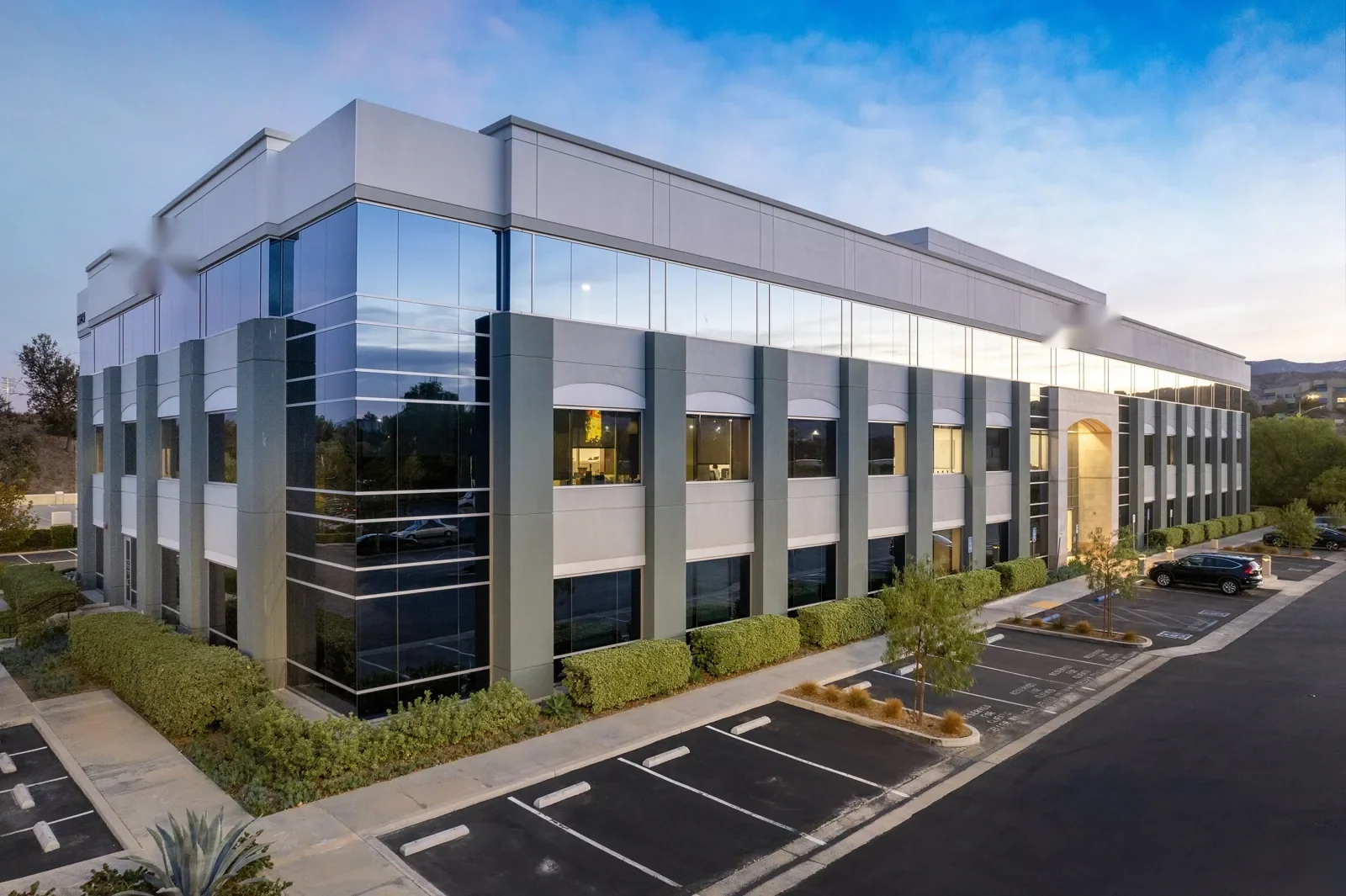
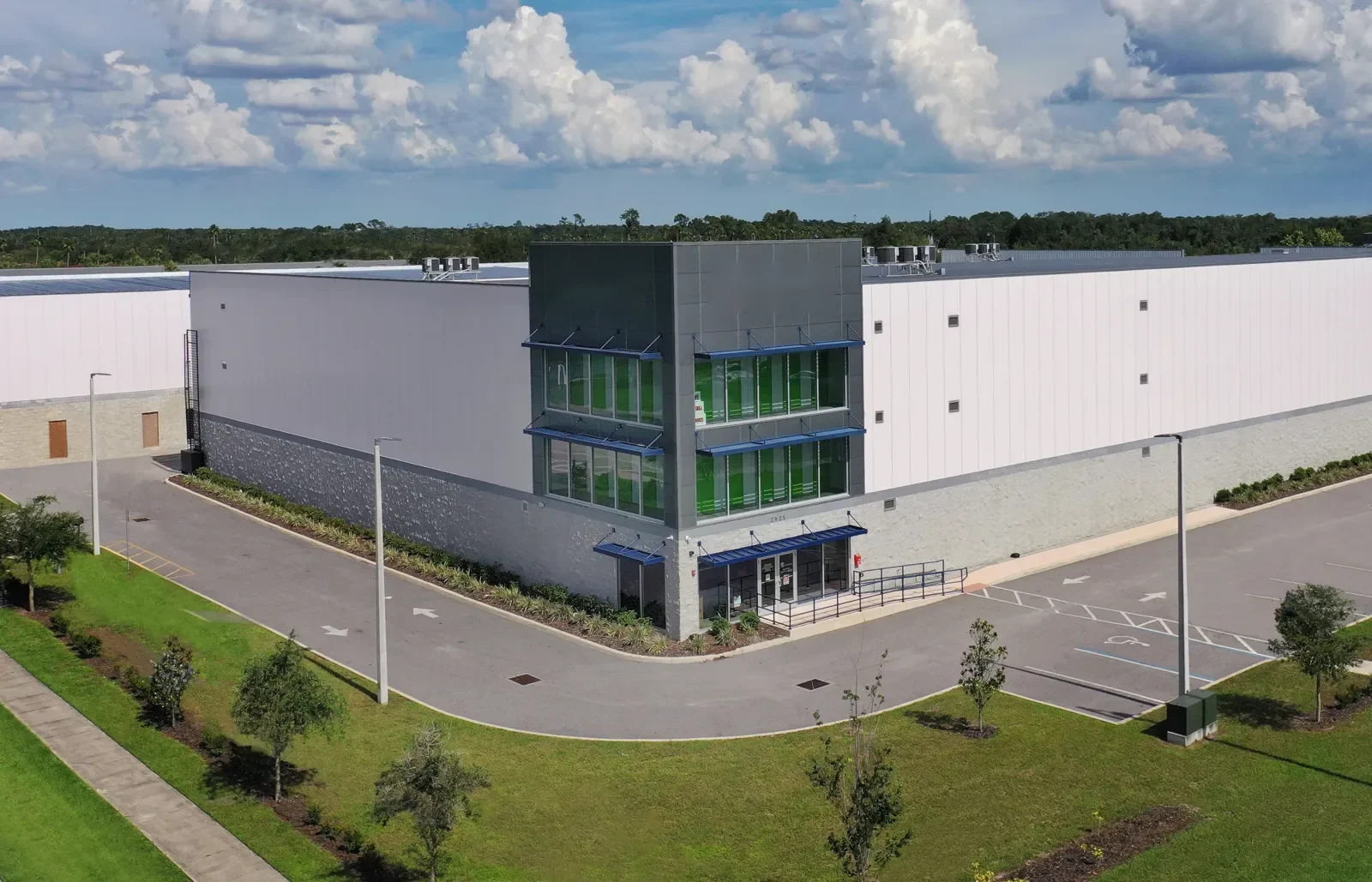
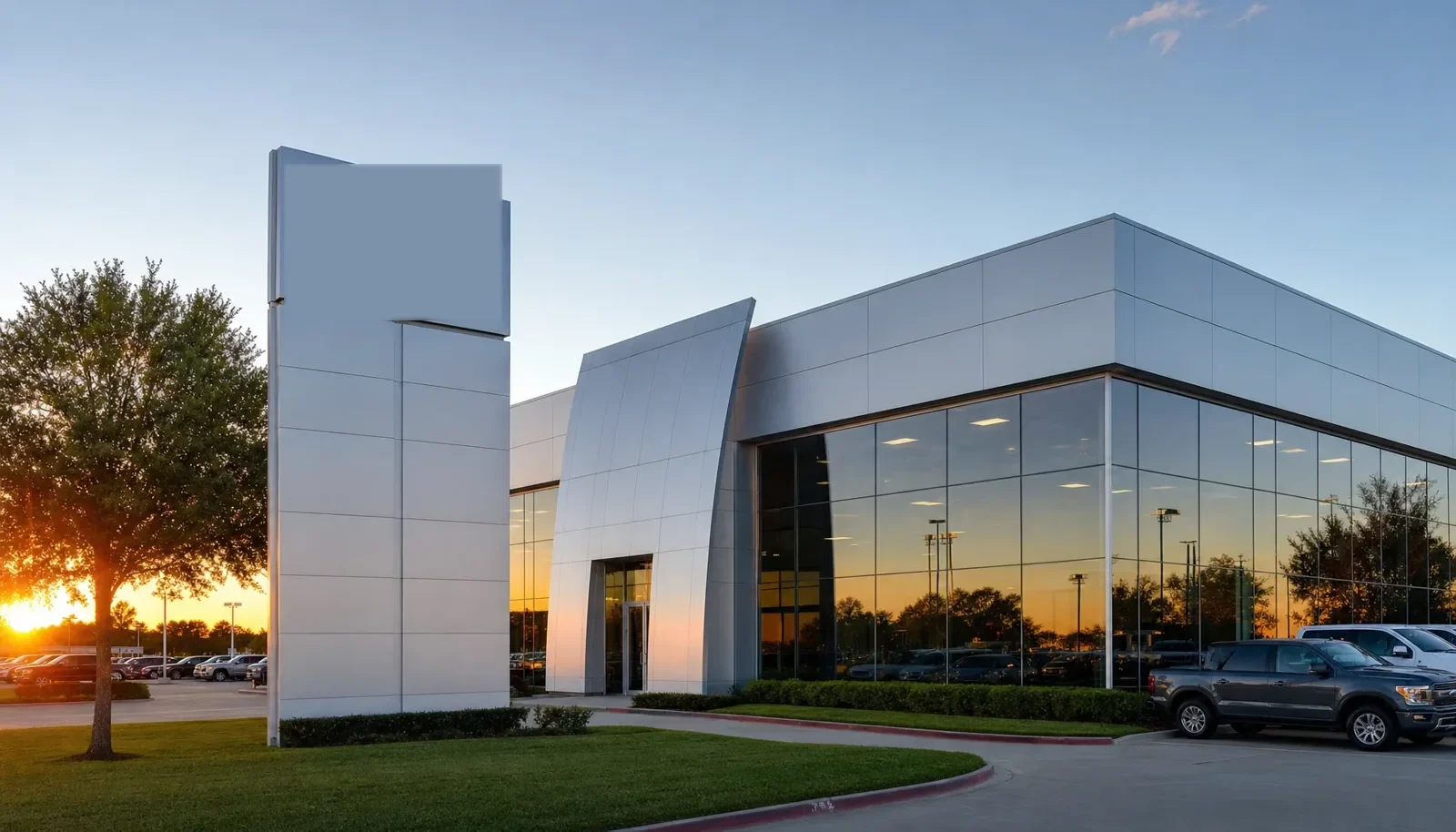
Trailer appointments and dock turnover govern where a distribution-center roof crew can stage. We map dock doors, yard circulation, trailer parking, pedestrian paths and the roof section above each operating zone before choosing a sequence. Along U.S. 29 North, Athens Technical College sits north of downtown and the route connects education and industrial development; regional distribution properties such as Braselton Highway 211 corridor are described as rear-load facilities with truck-trailer parking. The operating details differ by site, so we verify actual access with the manager and build the roof plan around the confirmed delivery calendar.
Map loading operations below the roof
We start with a roof and site walk that marks membrane condition, drainage, curbs, expansion joints, perimeter metal and access points. The manager identifies which dock doors cannot close, the hours when yard traffic peaks and the paths used by staff or drivers. That information affects crane location, material delivery, lift exclusion zones and interior protection. A commercial roof inspection records the visible defects, while a drone survey can document large or difficult-to-access areas when conditions permit. The deliverable connects roof findings to zones the facility can recognize.
Leak reports need to be placed on the plan, not treated as a complete diagnosis. We inspect nearby seams, penetrations and drains, then identify where moisture testing or a core may be needed. A wet area above pick lanes may require moving product or setting containment before removal. An isolated puncture over a noncritical room may follow a different sequence. The report separates urgent protection from permanent repair and records where further testing controls the decision. Before a bid is final, the scope should state what areas need opening and what will remain covered if a concealed condition is found.
Keep the dispatch plan moving
Distribution centers work in timed waves, so the project phases need a daily start and release point. We coordinate which doors, staging lanes and roof sections are active, then set a tie-in that can be protected at the end of the shift. If tear-off or wet insulation removal takes longer than the planned area, crews stop at the agreed boundary instead of opening the next bay. Facility staff receive the next shift's access map and any change that affects trailer routing. The roof lead records completion and daily cleanup before an area returns to normal use.
For a candidate recover, we verify moisture, deck and attachment before existing layers remain. A recover review may reduce tear-off, but only where the assembly and drainage support it. If replacement is needed, system choice follows the substrate and project criteria. TPO membrane roofing can be considered alongside EPDM roofing when the building design and detail conditions fit. We define insulation, edge metal, curb transitions and drain work together so the new assembly is not waiting on a late detail decision.
Set the yard and crane rules
Each delivery needs a route, arrival window and unloading area that do not interfere with trailers moving through the yard. We confirm whether a crane pick crosses an active dock or a pedestrian route, then set barriers and a spotter plan with the facility contact. Material laydown cannot consume the trailer queue or block emergency access. Dumpsters and tear-off loads need their own route, especially if the site operates through multiple shifts. The plan lists who can release a door, stop yard traffic or authorize an after-hours lift, so field decisions do not rely on an unavailable contact.
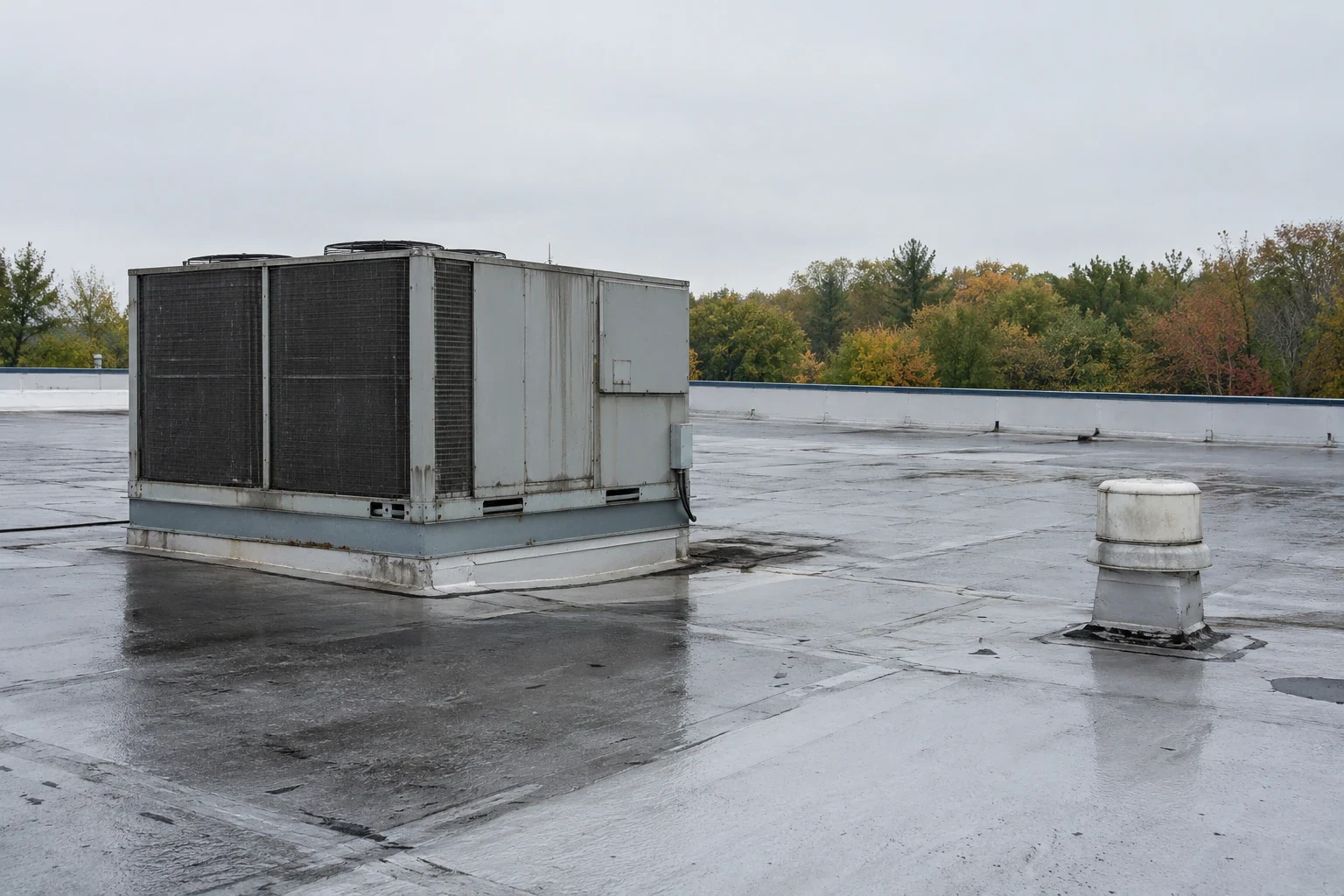
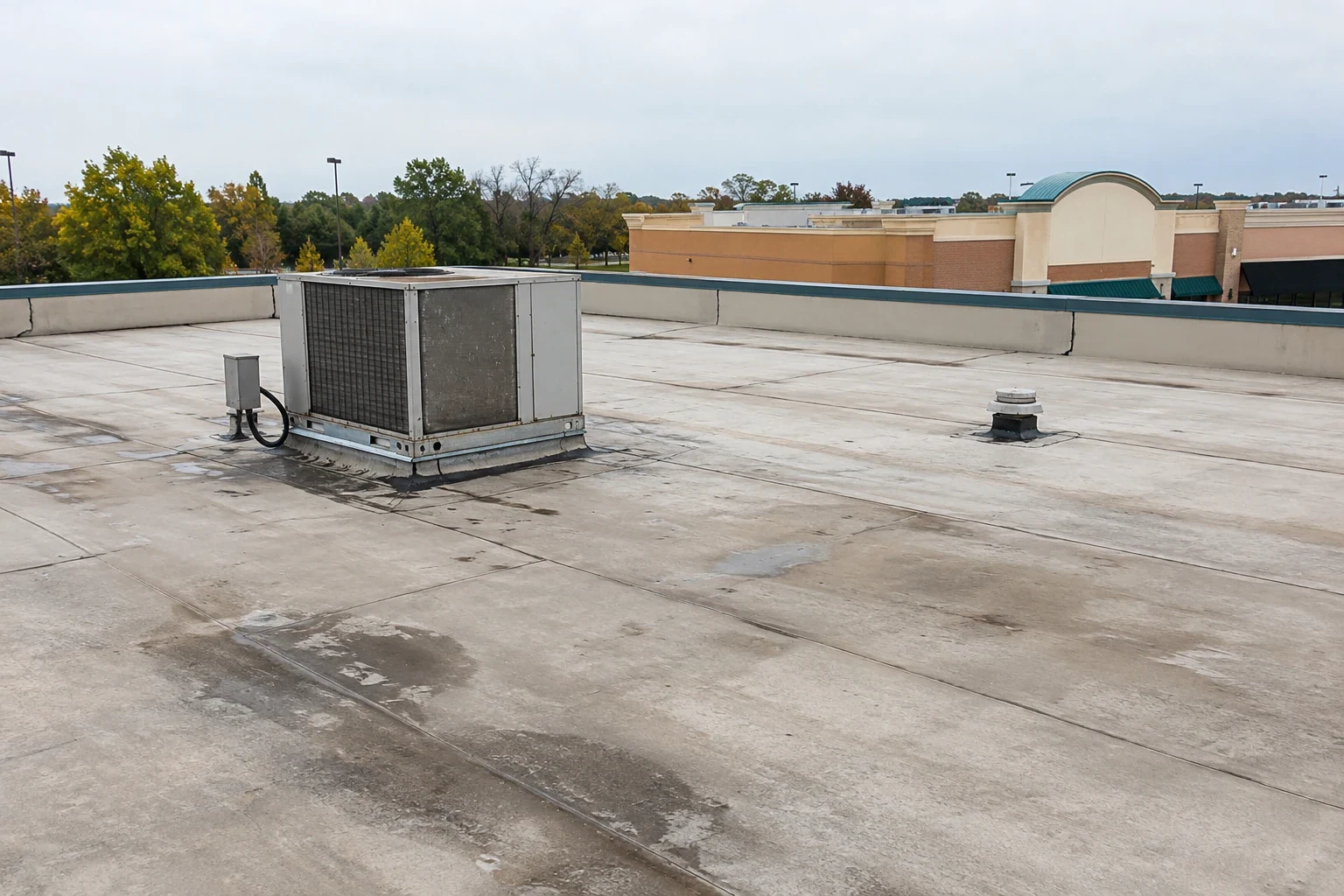
Roof penetrations and mechanical units add separate coordination. We schedule any shutdown with the responsible technician and establish which equipment can remain live during the work. A curb and support scope addresses flashing and service clearance, while a drain review confirms that outlets remain open and tied into the proper flow path. We protect finished areas from other trades and mark a route for later service calls. These checks are especially useful on a large roof where crews and maintenance staff may be on different schedules.
Use weather holds to protect inventory
Athens' warm season brings frequent thunderstorms, and the wider north-central Georgia region sees damaging winds, hail and seasonal tornado risk. We account for those conditions in the size of the tear-off area and the material lift plan. A forecast change can stop crane work or reduce the roof area opened, even when indoor dispatch continues. The crew secures the active boundary, protects drains and records which section can be released. The facility contact needs that update before routing inventory or equipment beneath the work.
After a storm, the field lead checks tie-ins, temporary protection, perimeter details and exposed materials before work resumes. If water entered the building, the manager records affected rooms and stock, and we trace the entry path before setting permanent repairs. Weather exposure alone does not establish that the roof was damaged. The inspection records actual movement, impact, puncture or water entry and distinguishes it from preexisting conditions. That evidence supports a repair scope and helps the site team decide whether the affected dock, lane or inventory zone needs temporary controls.
Choose a roof path with dispatch in view
A distribution center may have repeated leak calls at drains, curbs and long membrane seams. We compare localized repair, recover and replacement by the amount of sound material, moisture, attachment and disruption each path creates. A repair can target a small failure without moving the operation; a broad replacement may require a section-by-section dry-in plan and product relocation below. Cost drivers include roof area, tear-off volume, insulation replacement, curb work, edge conditions, lift access and restricted dock windows. The scope should show these decisions before the facility commits to a sequence.
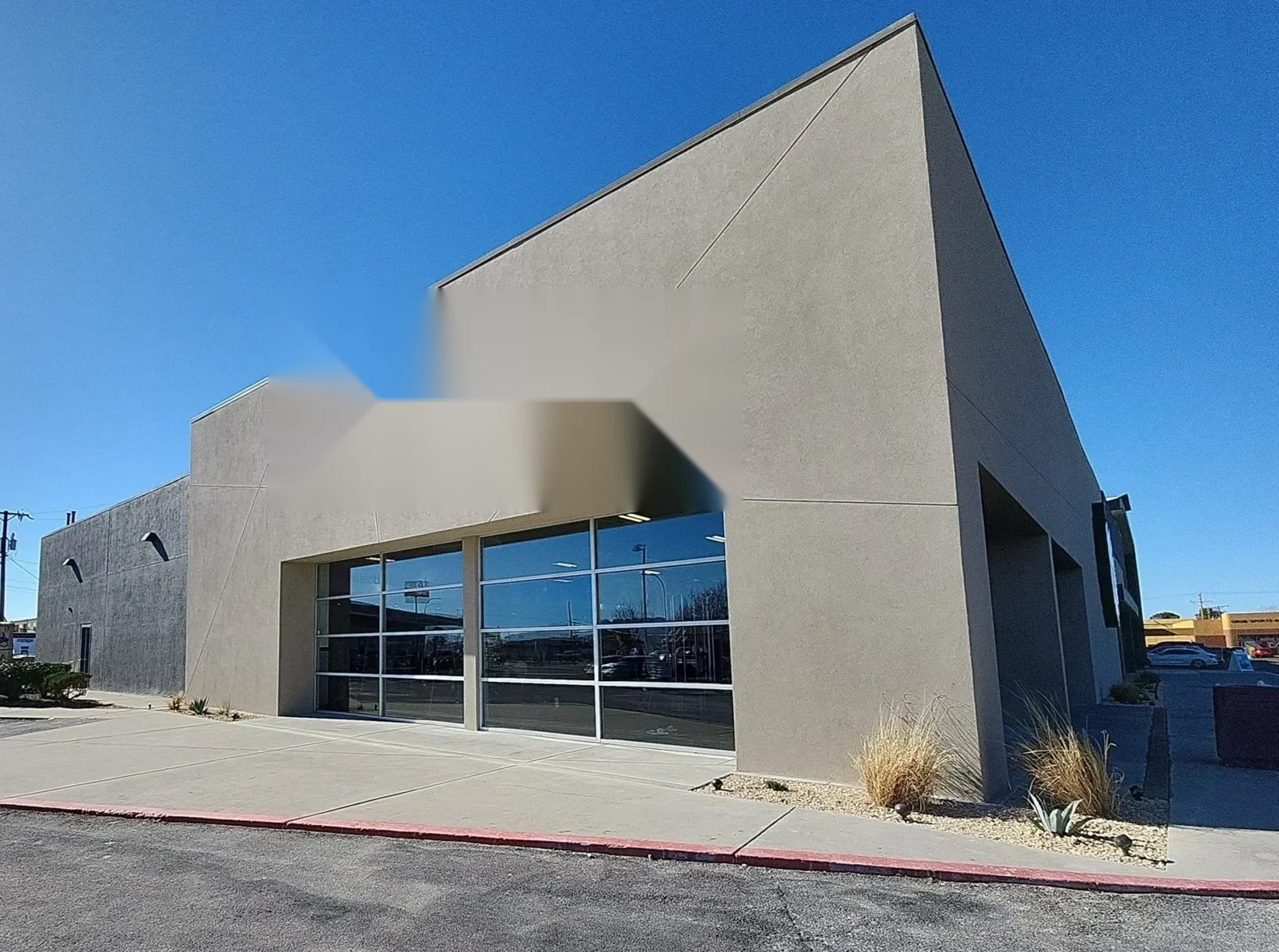
Related buildings can need different scopes. A warehouse roof plan may prioritize stock protection and forklift lanes, while a manufacturing roof plan may coordinate with production lines or exhaust systems. We do not assume those conditions from the label. The field walk confirms occupancy, critical equipment and access; then the proposal identifies the selected roof assembly, phasing, tie-ins and inspection points. If the building is served by multiple shifts, the manager can compare a day-work sequence with a limited after-hours phase before mobilization.
Build the roof schedule with dispatch
Provide the site plan, roof drawings, known leak areas, repair history, dock schedule and any restrictions on crane setup or truck circulation. Name the person who can coordinate deliveries, equipment shutdowns and safety boundaries. We will inspect the roof, map defects to operating zones and identify any testing or design review needed before system selection. The scope can then define working hours, material routes, active dock impacts and the daily cleanup check.
Commercial Roofing Athens can walk the facility with operations and maintenance staff, then return a phased roof plan for review. Each phase should show the work boundary, weather hold, access change and turnover condition. Contact us to schedule a distribution-center assessment in Athens, GA and align roof work with the dispatch calendar.
Related Roofing Work
Frequently Asked Questions
Can the dock schedule stay active during roof work?
It can when the phase plan protects truck circulation and identifies any temporary door restrictions. We map active appointments, work areas and lift windows with operations before crews mobilize.
How do you plan tear-off over inventory and picking lanes?
The manager identifies sensitive stock and high-traffic areas first. We limit open roof sections, set dry-in points and coordinate temporary protection or inventory moves where the inspection shows exposure risk.
What if moisture is found above a dock?
The work pauses at that boundary while the area is tested and the material limits are confirmed. We document the findings, protect the space below and price removal or repair based on the confirmed condition.
When can a distribution center use a recover system?
Existing layers must be dry, stable and allowed to remain, with drainage and attachment suitable for the proposed work. We inspect and test uncertain locations before treating recover as an option.
Who controls a crane pick over the yard?
The property designates the person who can hold traffic and release the work zone. We provide the pick window and exclusion map in advance, then confirm barriers and spotter roles before the lift.