Commercial Roofing Along U.S. 29 North, Athens, GA
Home / Service Areas / U.S. 29 North
U.S. 29 North
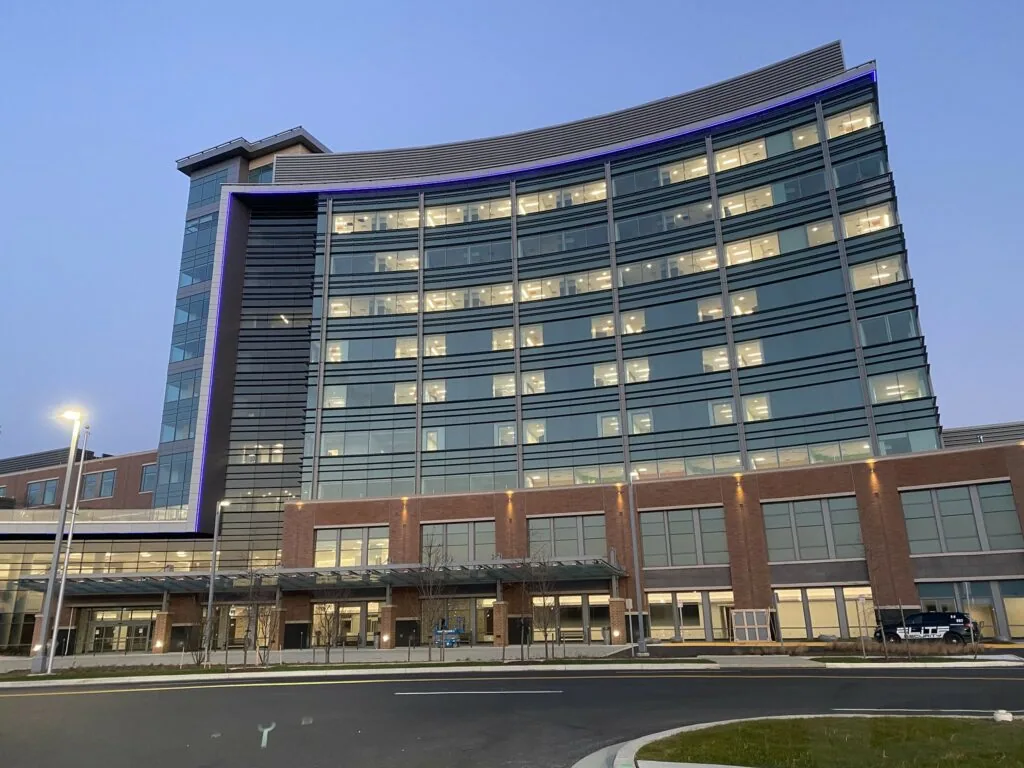
Material movement along U.S. 29 North and the Georgia 316 connection gives a North Athens roof project its first schedule constraints. Athens Technical College supports education and workforce activity north of downtown, while U.S. 29 and the Georgia 316 connection serve regional movement and industrial development. Athens’ economic-development inventory also describes more than 1,500 acres available for industrial development across county industrial parks. The county inventory tracks available employment sites north of Athens; our field survey measures the roof and maps access at the selected property. We identify the specific property, confirm its access contact and inspect the assembly before ordering material. The owner gets a measured scope, a delivery plan and a dry-in limit connected to the selected structure. In Athens, hot humid summers and frequent warm-season storms make the open-roof boundary part of every shift. The route may orient dispatch, but building use, roof condition and access must be confirmed at the address.
Set the building-level approach
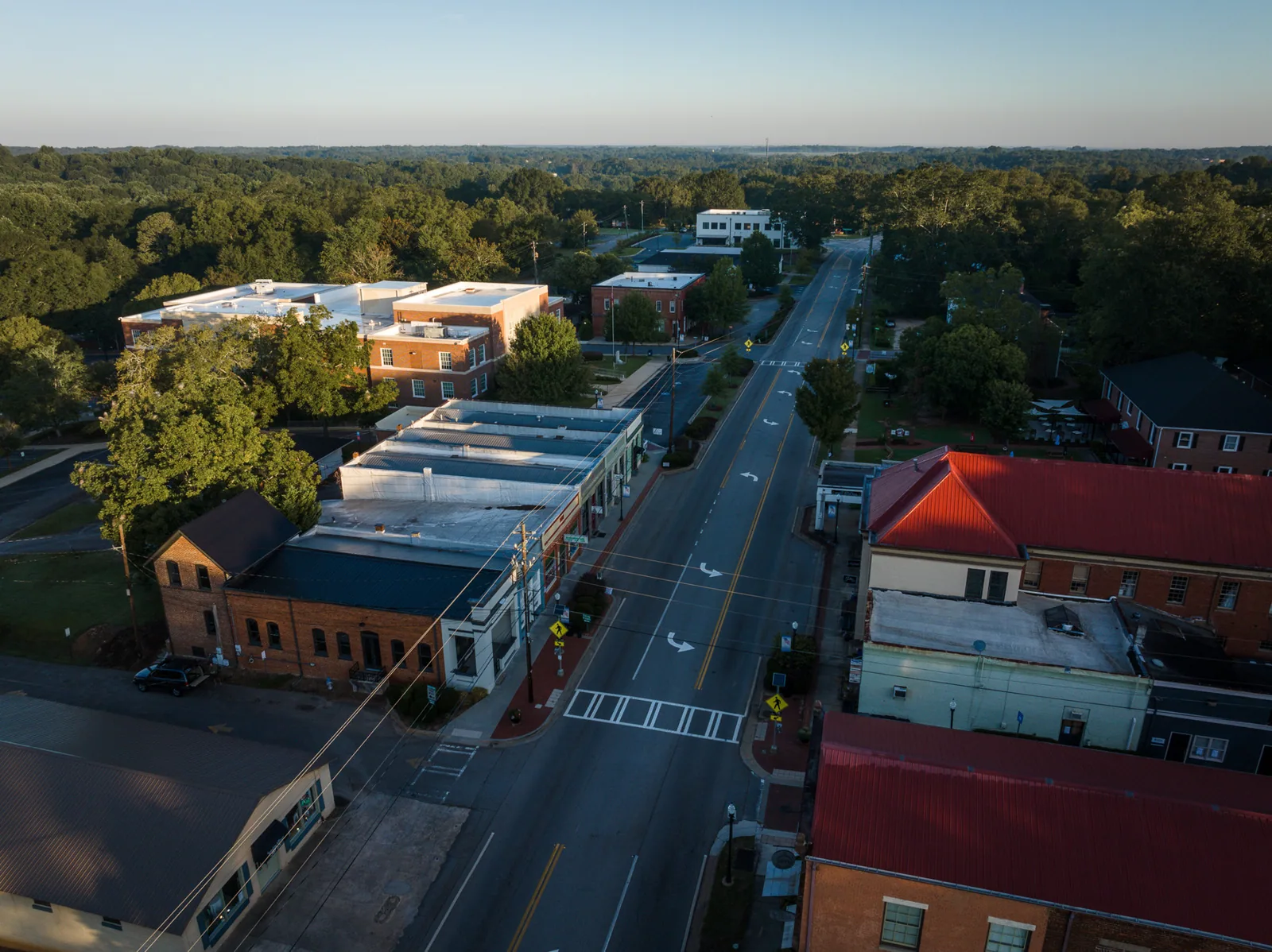
U.S. 29 North and Georgia 316 carry regional movement for education and industrial development, while the crew still needs an address-specific arrival plan. The facility contact identifies the gate, receiving hours, service entrance, overhead clearance, turning space and path to roof access. We place the laydown area where membrane and insulation can remain secured without blocking a campus entry or industrial operation. A crane pick or lift receives a separate review for setup, barricades and pedestrian control. Athens Technical College’s main campus sits north of downtown among industrial and commercial properties; we confirm the receiving entrance and roof-access path for each work order. A building at North Athens commercial area or within Athena Industrial Park gets a separate access sheet. The foreperson confirms who will accept deliveries and who can release the work zone before scheduling a truck. A regional road name is useful only when paired with the entrance and operating window for the selected building.
Measure before material is ordered
The roof survey records the installed membrane, seams, patches, edges, wall flashings, drains, scuppers, curbs and penetrations. We photograph each condition by zone and check whether water entry appears tied to one detail or more than one roof area. A ceiling mark guides the search but cannot establish the exterior opening by itself. Where moisture, attachment or deck construction is hidden, we identify a test or targeted survey before fixing removal quantities. At the field visit, we measure roof dimensions, drainage and edge details for the selected property. A commercial roof inspection records the details accessible during the walk; a due-diligence roof survey can organize confirmed conditions, photographs and unresolved items for an owner decision. We also record restricted access and any equipment that needs a separate visit. Each roof map stays with the inspected building, giving facilities staff a clear basis for comparing findings with that property’s operating calendar.
Separate a local repair from a roof program
A local seam, flashing or puncture can be repaired if the surrounding assembly remains dry and attached. Repeated failures, wet insulation or deck deterioration can justify a larger replacement scope. A recover depends on the existing layer count, deck, attachment, drainage and perimeter height. Coating requires compatible material, a dry surface and suitable preparation. We show what the roof walk supports, what remains uncertain and which cost drivers change the work: measured area, tear-off, disposal, insulation, deck repairs, edge metal, equipment access and occupant protection. If a test could change the quantity, we identify it before crews mobilize. The county’s industrial inventory and the Athens Technical College campus show the mix of education and employment across north Athens. A ponding-water roof assessment can examine a drainage complaint; recover feasibility is determined from confirmed roof layers. If multiple buildings are in an owner’s scope, warranty records can help track dates and open obligations without treating every property as the same assembly.
Tie roof sections to occupied schedules
A campus, classroom, industrial building and support property can have different access and occupancy requirements. We confirm the contact for the actual roof, map the affected interior, and agree on delivery and noise windows before beginning. The crew protects the space below, opens only the section that can be dried in, installs the approved layers and checks transitions before releasing that zone. If a mechanical unit needs service, the schedule gives the technician a separate access window instead of leaving a curb incomplete. Removal that exposes an unexpected layer or deck condition stops at a protected limit until the owner reviews the evidence and scope. An occupied-building work plan can organize the sequence and daily handoff. Penetration flashing work is completed with the surrounding assembly in view, and Athens-Clarke County commercial area has its own access plan rather than sharing one with a North Athens property. The manager receives a status before a work boundary, material route or occupied area changes.
Use a defined stop point
North-central Georgia has damaging thunderstorm winds, large hail and tornadoes during the year. Spring and summer are the more active periods for wind and hail, and most tornadoes occur from March through May. Spring and summer storms can compress the work window in North Athens, so each phase includes a protected stopping point and dry-in plan. Before removal, we identify the amount of membrane the crew can expose and close, stage temporary protection and name the person who can pause work. The lead checks conditions throughout the shift, secures loose stock and finishes at a boundary that can be protected. If lightning, rain or unsafe wind makes rooftop work unsafe, the crew stops and reports which zones are covered and which require a return visit. After a reported event, inspection documents the actual roof details before repair changes the surface. For a leak that needs immediate protection, emergency stabilization can be documented separately from the permanent correction and any test needed to confirm the full extent.
Close the work at the address
We finish each phase with a check of seams, drains, wall transitions, edges and penetrations, then attach photographs to the roof-zone map. The closeout identifies completed work, materials available from approved records, access limits and tests or decisions still open. Temporary cover remains distinct from a permanent repair in the handoff. The property contact confirms the pedestrian route, service path and laydown area are clear before the crew demobilizes. If a future phase remains, its start point, staging need and tie-in are listed so the next visit begins with the correct building information. Athens Technical College at U.S. 29 North and the county’s larger industrial-site inventory illustrate the corridor’s education and development context; neither establishes a roof condition elsewhere. Commercial Roofing Athens can schedule a North Athens roof walk to verify the selected property, map the U.S. 29 or Georgia 316 approach and set the occupied work window before pricing.
Related Roofing Work
- Commercial Roofing in North Athens, GA
- Commercial Roofing at Athena Industrial Park, Athens, GA
- Commercial Roof Inspection
- Commercial Roof Due Diligence Surveys
- Commercial Ponding Water Roof Repair
- Occupied Building Commercial Reroofing
- Commercial Skylight and Penetration Flashing
- Commercial Roofing Across Athens-Clarke County
Frequently Asked Questions
Does the 1,500-acre industrial inventory mean that much roof work is planned on U.S. 29?
No. It describes available industrial land across county parks. We verify the selected property and measure its roof before setting a scope.
How do deliveries reach the building from U.S. 29 or Georgia 316?
The property contact confirms the correct entrance, unload area, truck turn, receiving time and roof access. The regional route does not replace the address-level plan.
Can the Athens Technical College location define another building’s access?
No. The college’s address is corridor context. Every facility has a separate contact, check-in and delivery route that must be confirmed before mobilization.
What needs testing before a recover is priced?
We verify layer count, deck, attachment, drainage and perimeter height. If moisture or a concealed layer could change the decision, the estimate identifies that open test.
What does the owner receive after each phase?
A roof-zone record with photos, completed work, access limits and unresolved tests. Temporary protection and permanent repair are listed separately.