Commercial Roofing in North Athens, GA
Home / Service Areas / North Athens

North Athens
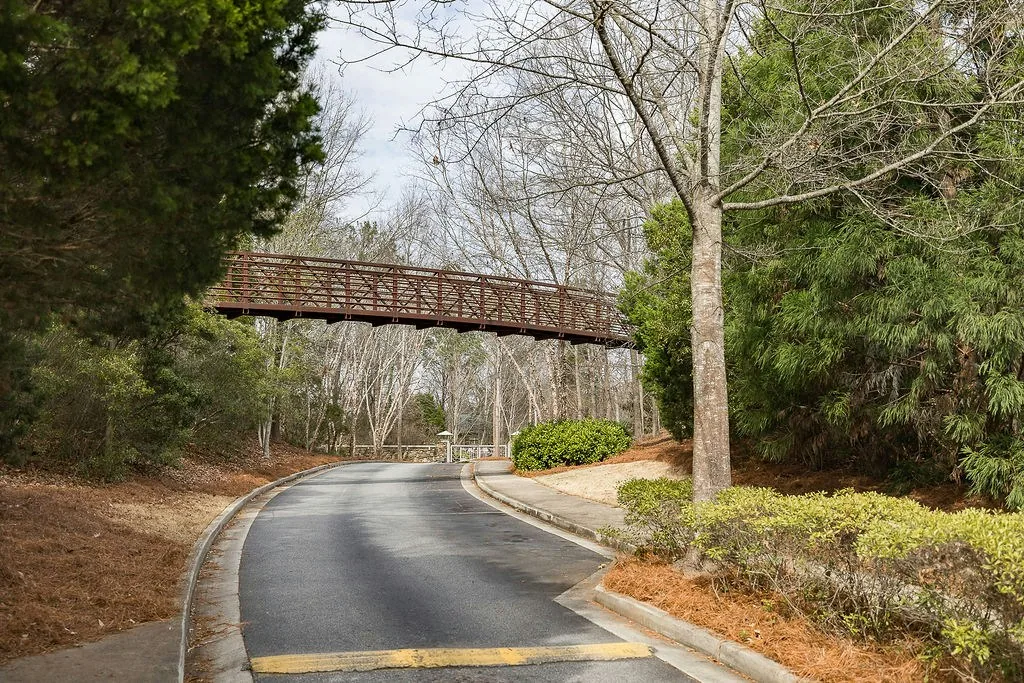
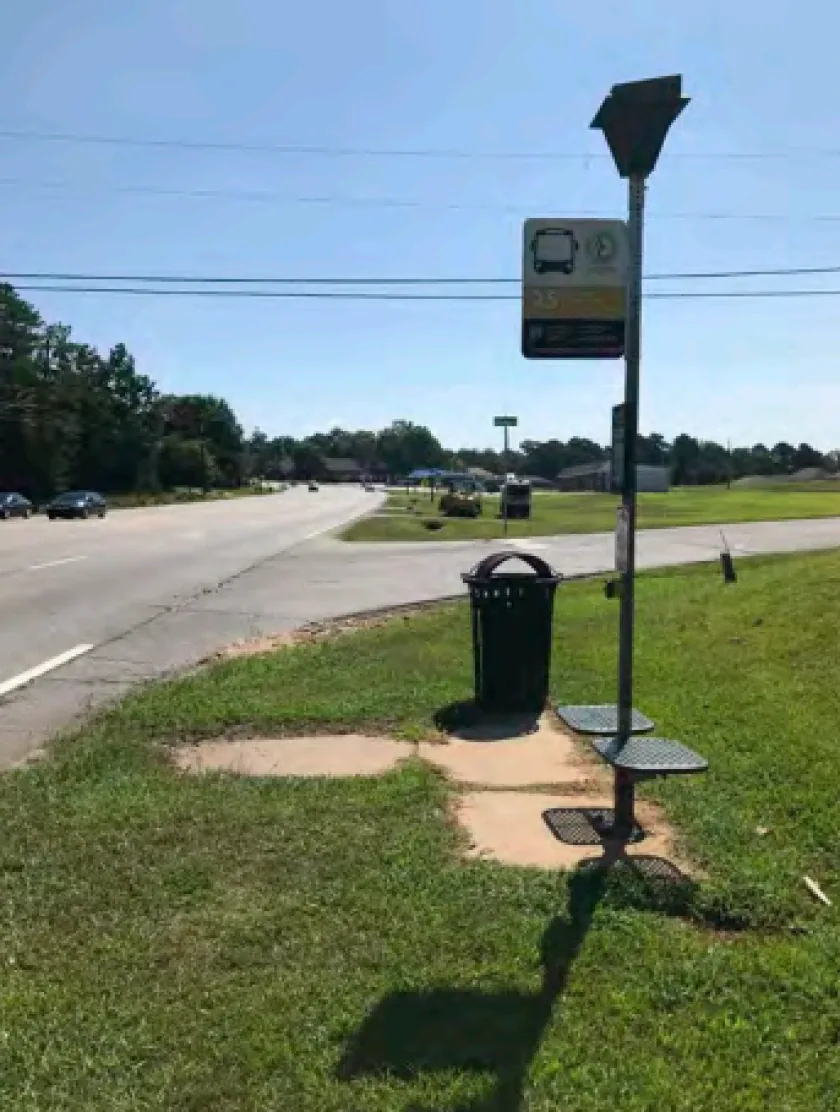
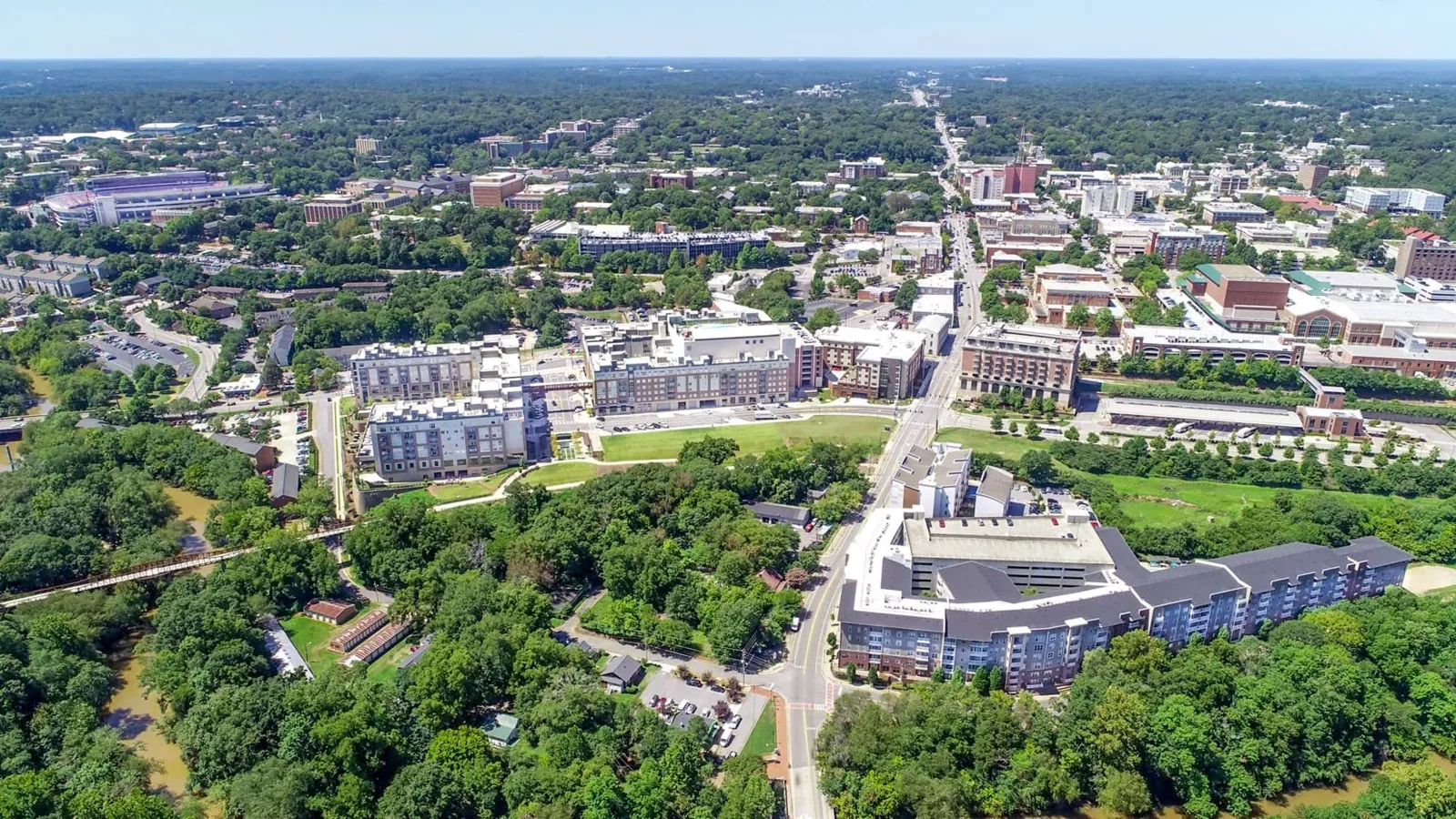
Commercial properties in North Athens depend on access routes that connect local buildings with U.S. 29 and the Georgia 316 corridor. We confirm the selected property, receiving window and contact before planning a roof survey; nearby education and workforce properties bring scheduled deliveries and peak arrival periods; we map each building entrance, laydown area and pedestrian route before mobilizing. The survey maps membrane, drainage, curbs and perimeter details, then separates visible defects from conditions that need testing. Athens’ warm-season storms make a defined dry-in point important. Each estimate identifies its roof area, access limits, installation method and owner approval steps so the project can move without treating the corridor as one property.
Map the occupied buildings first
The property contact identifies business hours, service entrances, deliveries and any building where noise or vibration needs a restricted window. We confirm check-in, roof access, the route for tools and material and the place where supplies can be staged without blocking pedestrian circulation or emergency access. A lift or crane pick receives its own setup and pedestrian boundary. If a mechanical unit needs to stay online, that limit is recorded before the roofing detail reaches the curb. Athens Technical College contributes education and workforce activity in North Athens; the property contact supplies the current schedule for the building in scope. The same procedure can apply to Athens-Clarke County commercial area, though that area has separate property teams and access processes. Near the property, Athena Industrial Park also requires a different address-specific route.
North Athens combines educational, commercial and industrial uses, so the delivery route and operating window need confirmation at the building in scope. The property contact identifies the rooms, equipment and service paths that cannot be disrupted, then approves phases for material movement, roof access and interior protection. If a roof section sits above a sensitive area, that limit is written into the daily plan and checked before work begins. The result is a building-by-building sequence that keeps the regional corridor open while the roof work advances.
U.S. 29 North and the Georgia 316 connection support regional movement through this part of Athens, but the building’s receiving entrance and internal circulation still control a roofing delivery. We verify the route with the property contact, check the roof access point and identify any classroom, shop or industrial operation below the planned work zone. Athens Technical College is one of several education and employment uses in North Athens; the surrounding U.S. 29 and Georgia 316 routes also serve industrial development. Each owner receives a roof map, measured scope and work schedule tied to the inspected building.
Inspect before choosing the repair
Our roof walk checks seams, laps, patches, membrane surface, perimeter metal, parapet details, wall flashings, drains, scuppers, curbs and penetrations. Findings are photographed by zone, with the likely water path separated from a confirmed defect. A ceiling stain can guide the inspection but does not establish the point where water entered. Where insulation moisture, deck condition or multiple existing layers remain uncertain, we mark the question and recommend a test or survey before including removal in a fixed scope. We check attachment and drainage before considering a recover. A roof inspection provides hands-on detail review, while a moisture survey can help target verification below the membrane. The owner receives a written roof condition report that identifies repair items, recommended tests and inaccessible areas. We verify the system, attachment and hidden layers at the selected roof.
Price what the inspection supports
A repair may be limited to a failed seam, curb or flashing when nearby membrane and substrate are sound. Wider deterioration, wet insulation, weak attachment or damaged deck can make replacement more appropriate. A recover is considered only after layer count, deck, drainage, edge height and applicable requirements are checked. We explain the basis for each option and state which concealed condition could change the scope. Cost drivers include measured roof area, access, removal and disposal, insulation, deck repairs, the number of transitions, equipment moves and protection below. Coating work requires a compatible, dry substrate and a preparation plan. A targeted repair can address confirmed local defects; a recover assessment or replacement may be warranted if the assembly condition extends farther. The written scope keeps allowances and exclusions visible to the property contact before materials are ordered.
Sequence by building and roof section
Work is divided by roof zone, with each section connected to its access point, occupied rooms and daily tie-in. We confirm notices and protection below, then remove only the area that can be dried in during the shift. Insulation, cover board and the selected membrane or metal detail follow the approved sequence. Drains, walls and equipment curbs are completed before the section is released. The field lead inspects seams and photographs the finished boundary so the next phase starts from a known point. If an unexpected deck condition appears, the crew protects the open area and waits for direction on the additional work. Business events, deliveries or operating schedules may change available windows, so the property contact approves each move. A phased reroof sequence can preserve access to active buildings, while a curb and equipment review coordinates units that cannot be moved casually. Daily cleanup includes the approved ground route and staging area.
Keep the work closed through the forecast
Warm-season storms are frequent in Athens, and the roof plan sets a maximum opening before the crew begins. We agree on temporary protection, the dry-in point and the person authorized to call a weather hold. Material delivery and tear-off are sequenced around the amount of roof that can be secured that shift. If wind, lightning or rain reaches the work area, the crew stops at a safe limit, protects the boundary where conditions permit and reports the status to the property contact. The field lead updates the next mobilization window after checking what remains open. A regional severe-weather report can prompt an inspection, but the specific roof condition comes from photos and hands-on review. If an event is reported, we document impact to the membrane, edge metal and penetrations before permanent work begins. A hail-damage review can be scoped separately from immediate temporary protection.
Give facilities a phase-by-phase record
At handoff, the property contact receives photos tied to the roof-zone map, completed work, materials identified from approved documents and any open test or decision. We inspect seams, drainage, walls and penetrations before releasing a completed section. Any inaccessible part or temporary protection is labeled clearly. The record includes the access or equipment limit that affected the phase, so later maintenance can plan around the same constraint. The roof report ties findings to the inspected building, with each additional structure receiving its own survey. When work is planned near Prince Avenue, the separate facility contact and schedule are confirmed independently. Contact Commercial Roofing Athens to arrange a building-level roof walk and set the access, staging and weather plan before pricing the scope.
Related Roofing Work
- Commercial Roofing Across Athens-Clarke County
- Commercial Roofing at Athena Industrial Park, Athens, GA
- Commercial Roof Inspection
- Commercial Roof Condition Reports
- Commercial Roof Repair
- Occupied Building Commercial Reroofing
- Commercial Hail Damage Roof Repair
- Commercial Roofing Along Prince Avenue, Athens, GA
Frequently Asked Questions
Does the property’s expansion history tell you the current roof area?
No. The historical floor-area figure describes a property expansion, not today’s roof dimensions or construction. We measure and inspect the specific building before setting quantities.
How do you schedule roofing around classes and labs?
We confirm active rooms, shop and lab hours, delivery access and noise restrictions with the property contact. Each phase has a work boundary and a release time.
Can existing roof layers stay in place?
Possibly, after we verify layer count, attachment, moisture, deck, drainage and edge height. If a condition remains concealed, testing comes before a recover recommendation.
What happens if an inspection finds a deck problem?
We protect the opened area, photograph the condition and identify the added work for approval. The crew resumes that section after the revised detail and scope are accepted.
How do you document completed work?
Photos are tied to the roof map, with seams, penetrations and drainage checked before turnover. The report lists completed sections, open questions and the next action.