Manufacturing Plant Roofing in Athens, GA
Home / Property Types We Roof / Manufacturing Plant Roofing
Manufacturing Plant Roofing
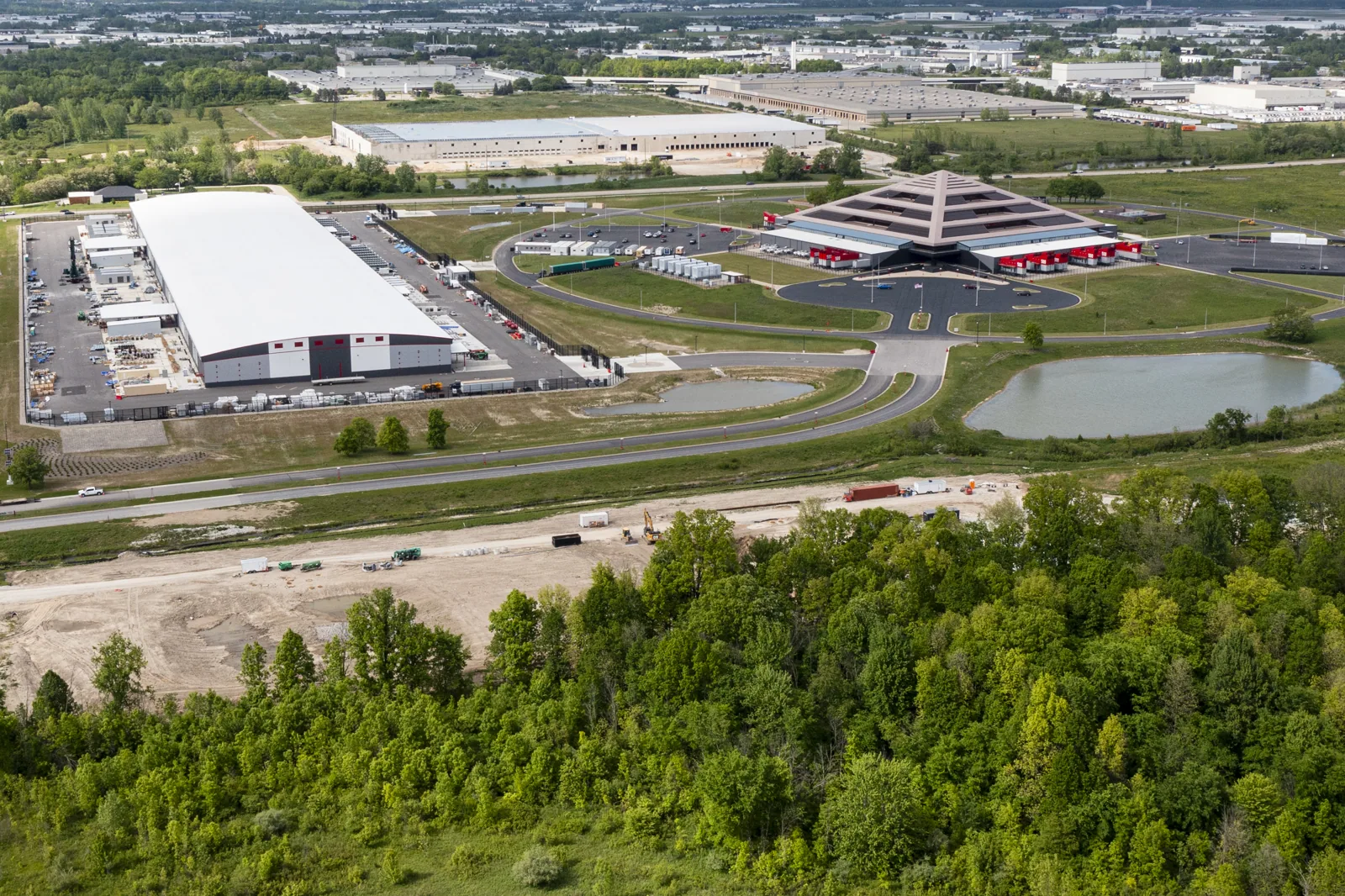
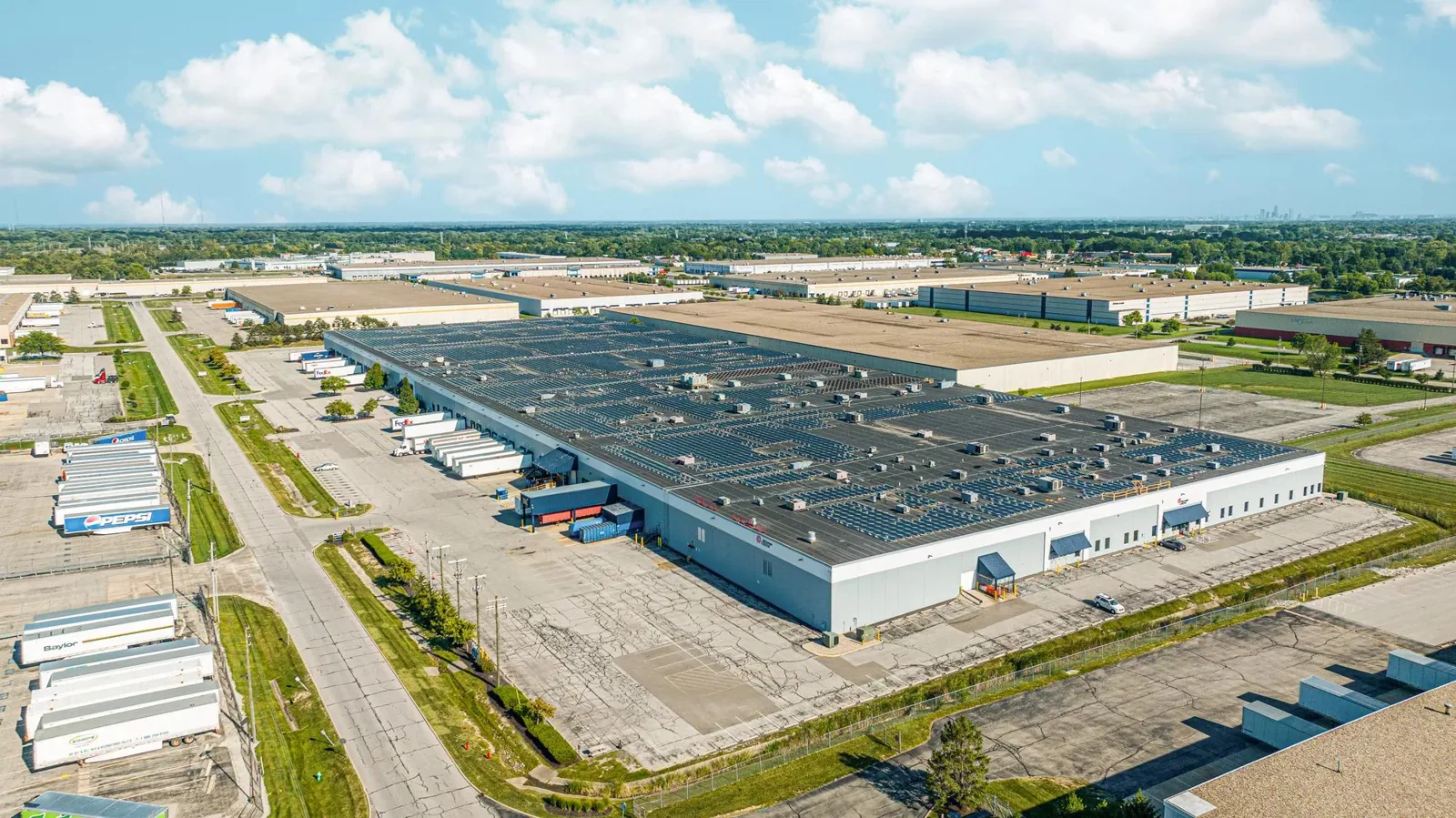
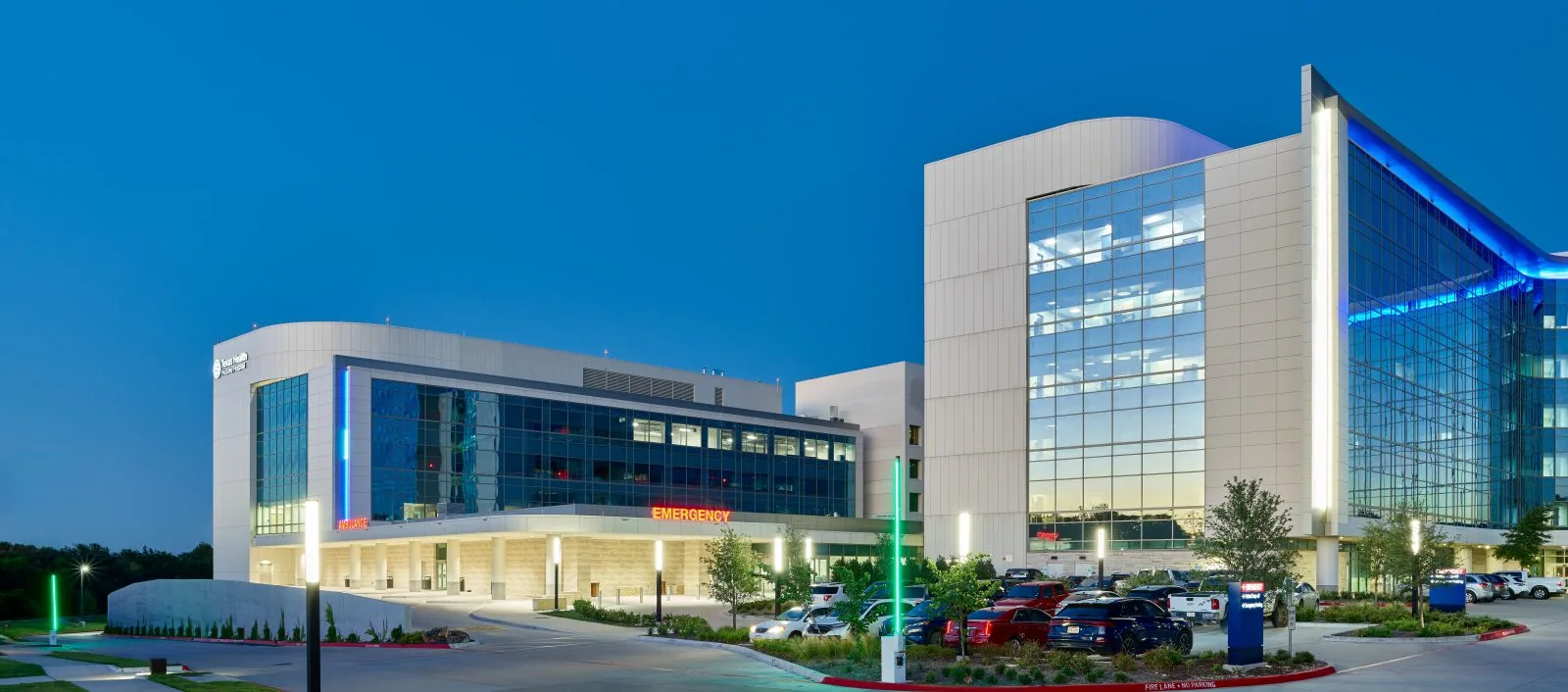
Production cannot wait for an undefined roof boundary. Before work begins, we map operating lines, exhaust points, incoming materials and areas where overhead access must be limited. Major local manufacturers include Caterpillar, Pilgrim's, Boehringer Ingelheim Animal Health and Carrier Transicold, while industrial sites such as Athena Industrial Park and Commerce I-85 industrial corridor have their own delivery and plant-access conditions. Production sites have distinct delivery, exhaust and access constraints. A site walk establishes the assembly, process sensitivities and work sequence before we price repairs or replacement.
Identify roof conditions near process equipment
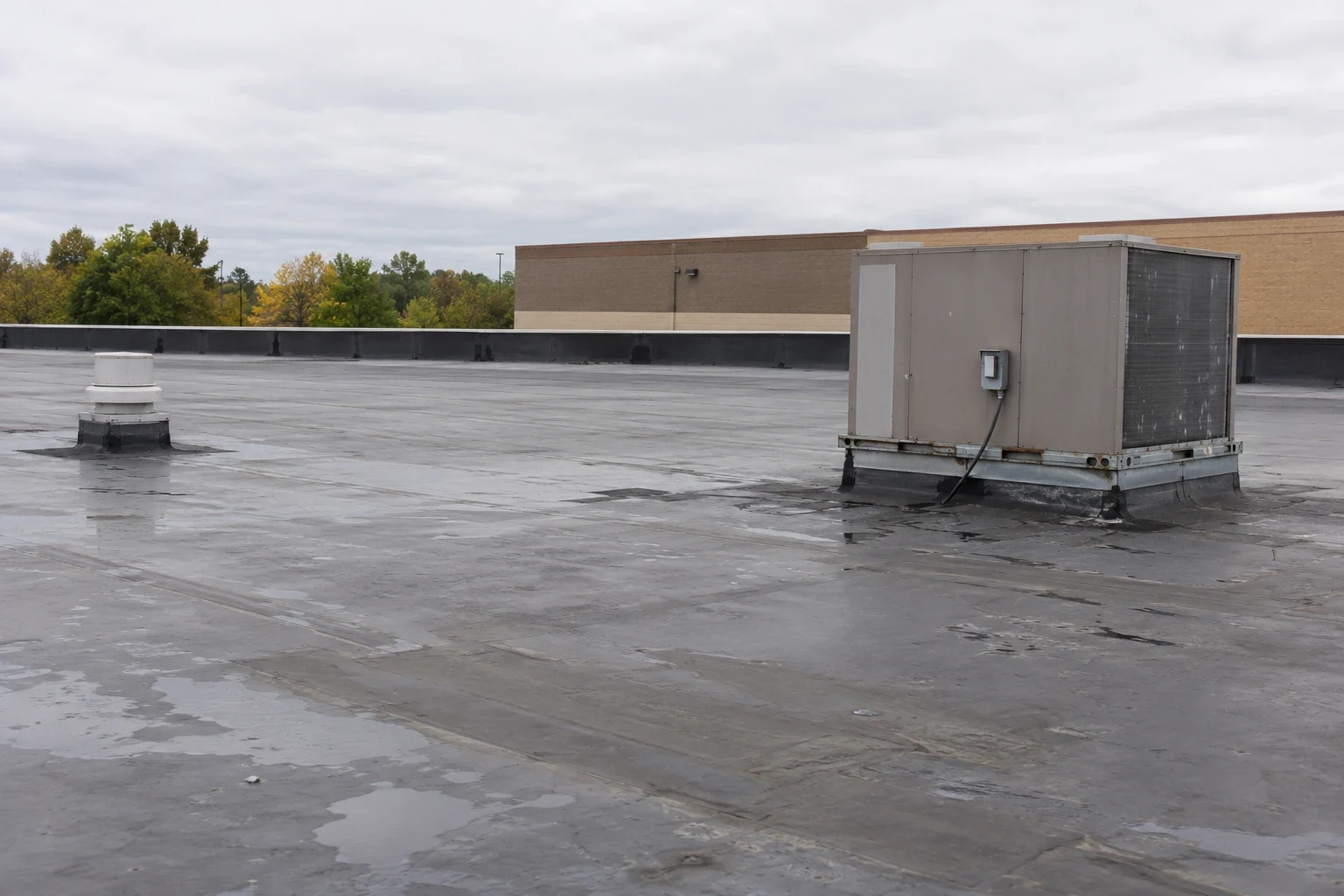
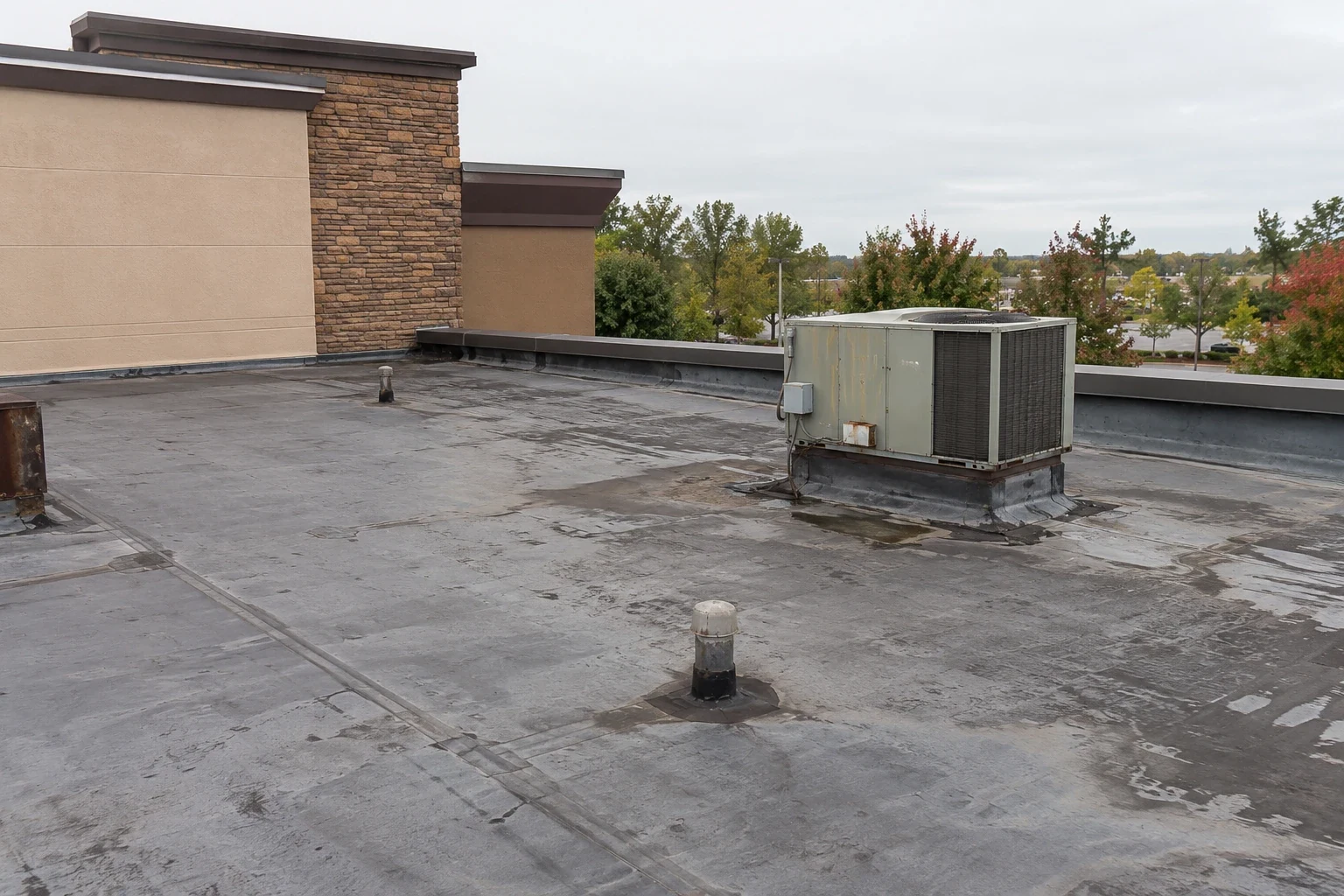
We inspect membrane seams, metal panels, insulation, deck, curbs, exhausts, drains and perimeter transitions. The survey records active leak points, corrosion, loose flashing, ponding and previous repairs, then ties each condition to the rooms or process areas below. If water-sensitive production or electrical equipment sits beneath a suspected leak, the plant contact can identify containment and access requirements while we confirm the cause. A roof inspection provides photographs and a condition map; selected areas may require a core or other testing to determine whether wet material extends beyond the visible symptom.
Manufacturing roofs can combine different additions and equipment generations. We record where a new curb meets an older membrane, where exhaust discharge may affect the surface and where vibration or repeated service visits can stress a flashing. Equipment lists and prior maintenance records help identify shutdown owners and roof access windows. The report separates a local repair from a condition that affects a larger section, and it names the next confirmation step for uncertain items. That distinction lets the plant decide whether work can fit a planned maintenance window or needs a separate production hold.
Coordinate work with plant controls
Before mobilization, the facilities and production contacts identify safety briefings, escort requirements, lockout procedures and work-hour limits. We confirm who can approve a shutdown, isolate equipment or release a roof access point. A field crew should not assume a process exhaust can be covered or taken offline. The scope lists the affected unit, planned duration and contingency if the line cannot be released. If work remains above an occupied production zone, the site contact and crew establish barriers, overhead protection and a clear method for stopping work when conditions change.
Roof work proceeds by phased section with a defined tie-in at every shift end. Material deliveries use a confirmed route and laydown area that do not block raw-material or finished-goods movement. A phased reroof plan can set the order of bays around operating windows. We schedule crane picks with plant operations and identify the area below each lift. Daily cleanup includes clearing fasteners, scrap and packaging from roof paths and ground-level access before the area is released.
Rebuild penetrations before they are covered
Process lines, vents, ducts and supports often cross the roof plane. Each penetration needs a flashing detail that matches its shape, movement and operating conditions. We document corroded curbs, failed sealant, loose counterflashing and clearances needed for maintenance. A curb and equipment scope can align roofing work with mechanical service, while the roof plan marks drains and scuppers that must remain open. If a unit needs to be raised or disconnected, that work is sequenced with the responsible plant contractor.
These details influence system selection. A compatible PVC assembly may be evaluated where the roof's exposure and design criteria support it; a TPO roof system may suit other conditions. The specification defines attachment, insulation, sheet layout, curb transitions and perimeter metal for the actual deck. We compare those requirements with the building's process layout before material release. A membrane name alone does not answer whether the assembly fits the plant.
Set production and weather hold points
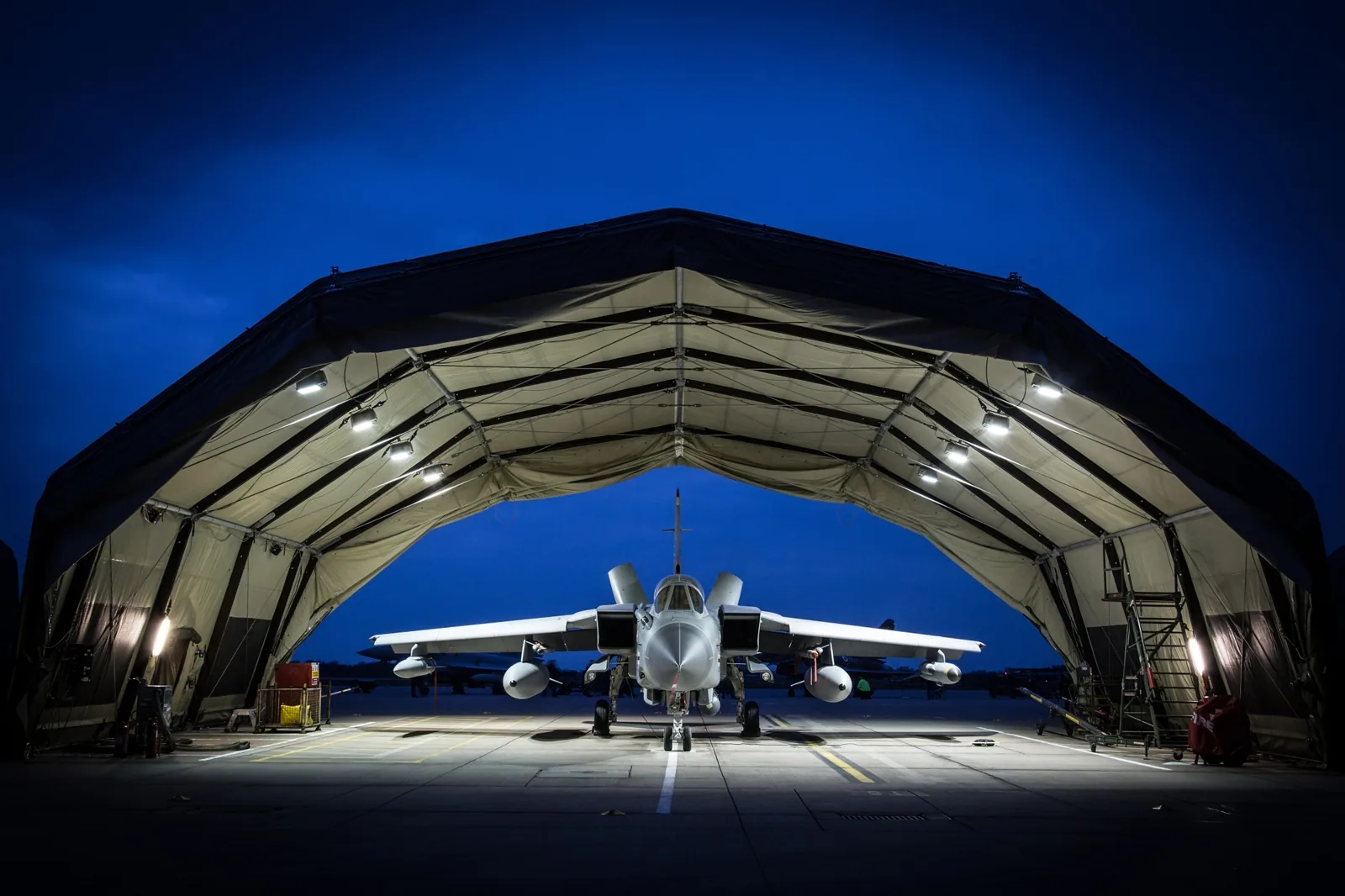
North-central Georgia has hot, humid summers and frequent thunderstorms, with damaging winds, hail and a seasonal tornado risk. The weather hold must connect to both the roof sequence and production schedule. We set the area that can be opened, the dry-in point and the decision time for crane picks or membrane work. A storm forecast may require shifting a delivery or sealing an earlier boundary so the plant does not have a partially protected roof above an operating line.
When weather interrupts, crews secure the work area and tell the plant contact which route or rooftop unit could be affected. After conditions pass, the field lead checks the tie-in, drains and exposed material before restarting. If an interior leak appears, the location is recorded and compared with the roof map before a permanent patch is made. Athens’ storm season makes production access, equipment routes and secure tie-ins part of each plant’s roof work schedule. The field condition and event-specific findings control the repair decision.
Select repair or replacement by process risk
Repair may fit an isolated penetration or seam when surrounding insulation, membrane and deck remain sound. A recover requires a dry, stable assembly and compatible new details. Replacement may be necessary where wet material, repeated failure or deteriorated support extends beyond local repair. We show the affected areas and explain the drivers that change cost and duration: removal volume, insulation depth, structural review, equipment work, crane access and the production windows available. If a decision depends on concealed conditions, the proposal names the test or opening needed to resolve it.
A manufacturing building has different coordination needs from a distribution center or cold-storage facility. Loading routes, process controls and roof penetrations should be confirmed at the actual plant, not inferred from the property label. We compare system choices against the deck, drainage, exhaust layout and expected service access, then provide a phasing plan with daily tie-ins and turnover checks.
Set a roof walk with operations
Provide roof plans, process-equipment lists, leak locations, prior repair records and upcoming shutdown dates. Identify escort rules, roof access controls, operating areas that need overhead protection and the person who can approve a crane pick or equipment isolation. We will inspect the roof, mark the conditions and prepare an access sequence that identifies what can proceed without stopping production and what needs a scheduled release.
Commercial Roofing Athens can walk the roof with facilities and operations staff, then return a scope that separates repair, system replacement and mechanical coordination. The schedule should show work limits, delivery routes, weather holds and turnover requirements for each phase. Contact us to review a manufacturing-plant roof in Athens, GA before the next maintenance window is assigned.
Related Roofing Work
Frequently Asked Questions
Can production stay active during a plant reroof?
Often, with roof sections and interior protection coordinated around the process schedule. We confirm operating limits with the plant contact, define overhead controls and set each day's dry-in boundary before removal begins.
How do you handle exhausts and rooftop equipment?
We document the units, service clearances and flashing condition, then coordinate shutdown or isolation with the responsible technician. Work does not proceed on an assumed equipment release.
What information helps price roof work at a plant?
Roof plans, leak records, equipment locations, process access limits and available shutdown windows help define the scope. We inspect the assembly and identify testing needed before choosing repair or replacement.
Will a storm delay the roofing sequence?
It can change a lift, tear-off limit or application window. We set a weather hold and secure the active section, then inspect tie-ins and drainage before resuming after conditions improve.
How are hidden wet areas priced?
We mark uncertain areas and state whether a core or opening is needed. Confirmed wet material gets a defined removal scope; unresolved quantities remain clearly identified until the plant authorizes testing.