Commercial Roofing in Commerce’s I-85 Industrial Corridor
Home / Service Areas / Commerce I-85 Industrial Corridor
Commerce I-85 Industrial Corridor
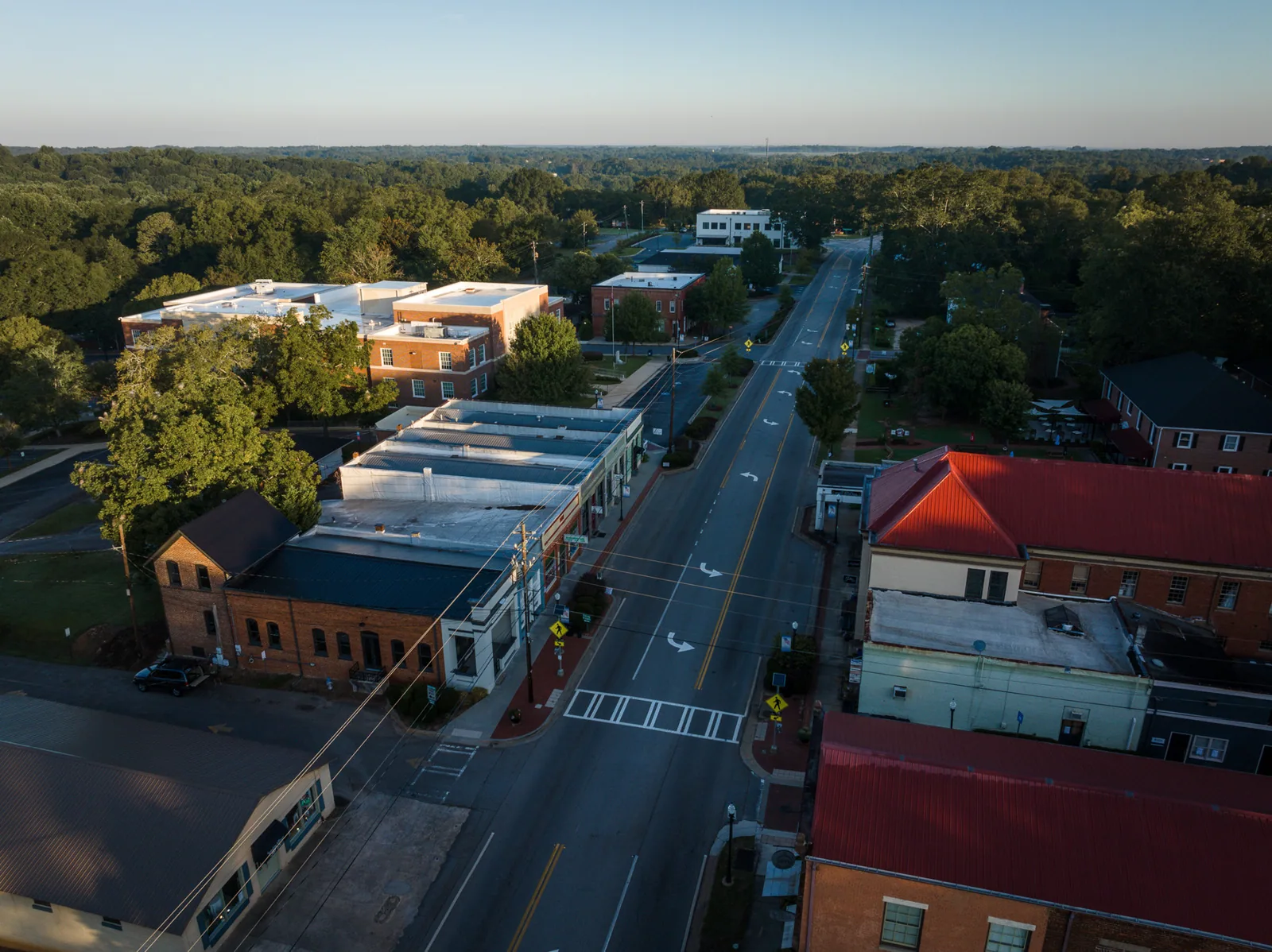
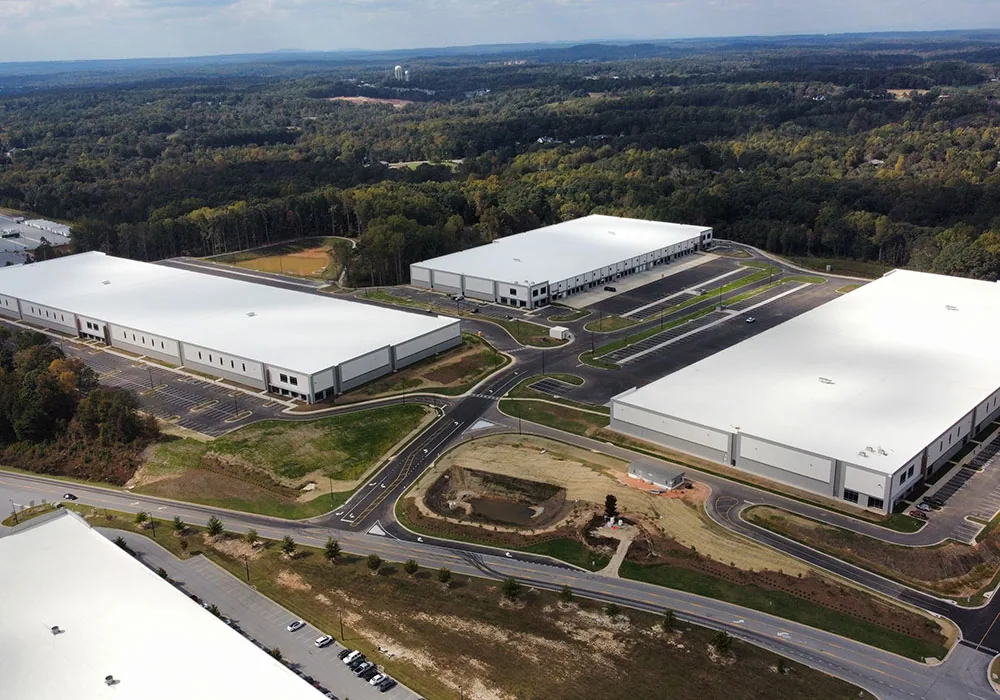
Industrial deliveries and I-85 access shape the mobilization plan at the Commerce I-85 industrial corridor. The City of Commerce ties industrial recruiting to I-85 access and a growing manufacturing base, so truck routes and active operations shape roof mobilization. The city also connects industrial recruitment to I-85 and a growing manufacturing base. The announced I-85 industrial growth adds industrial activity to the park; our field visit measures roof area, drainage and perimeter details at the property in scope. We confirm the building and operating contact, inspect its assembly, and set access, staging and work zones before pricing. The Athens area has hot humid summers and frequent warm-season storms, so the open-roof limit and dry-in point guide each shift. The property manager receives a sequence for truck movement, equipment coordination, weather holds and turnover before material is ordered.
Confirm the truck and crane route
I-85 provides regional access for the park, but the building contact confirms the correct exit, gate, turning room, unload point and receiving hours for the selected property. We map the route from material drop to roof access and choose a laydown area that can be secured without blocking operations. A crane pick or lift receives a separate setup review and exclusion boundary. If production, equipment service or rail-related movement affects the building schedule, the property contact identifies the active restriction and approved work window. SK Innovation’s announced expansion adds project activity in Commerce 85; we coordinate work timing with the current property contact to keep deliveries and construction access clear. A visit at East Jackson Industrial Park or Downtown Commerce has a separate facility contact and route plan. Each mobilization begins with the actual address.
Before delivery, we confirm the building gate, truck turn, roof hatch and laydown area with the facilities contact. The property contact confirms the approved truck entrance, turning room, crane position if required and the route that must remain clear for other tenants. We coordinate the delivery with the section ready to receive material and keep loose stock secured between shifts. If the tenant schedule changes before mobilization, the site team rechecks access and work hours rather than carrying forward an obsolete assumption. The roof survey and work map remain tied to the actual building selected by the owner.
Measure the existing assembly
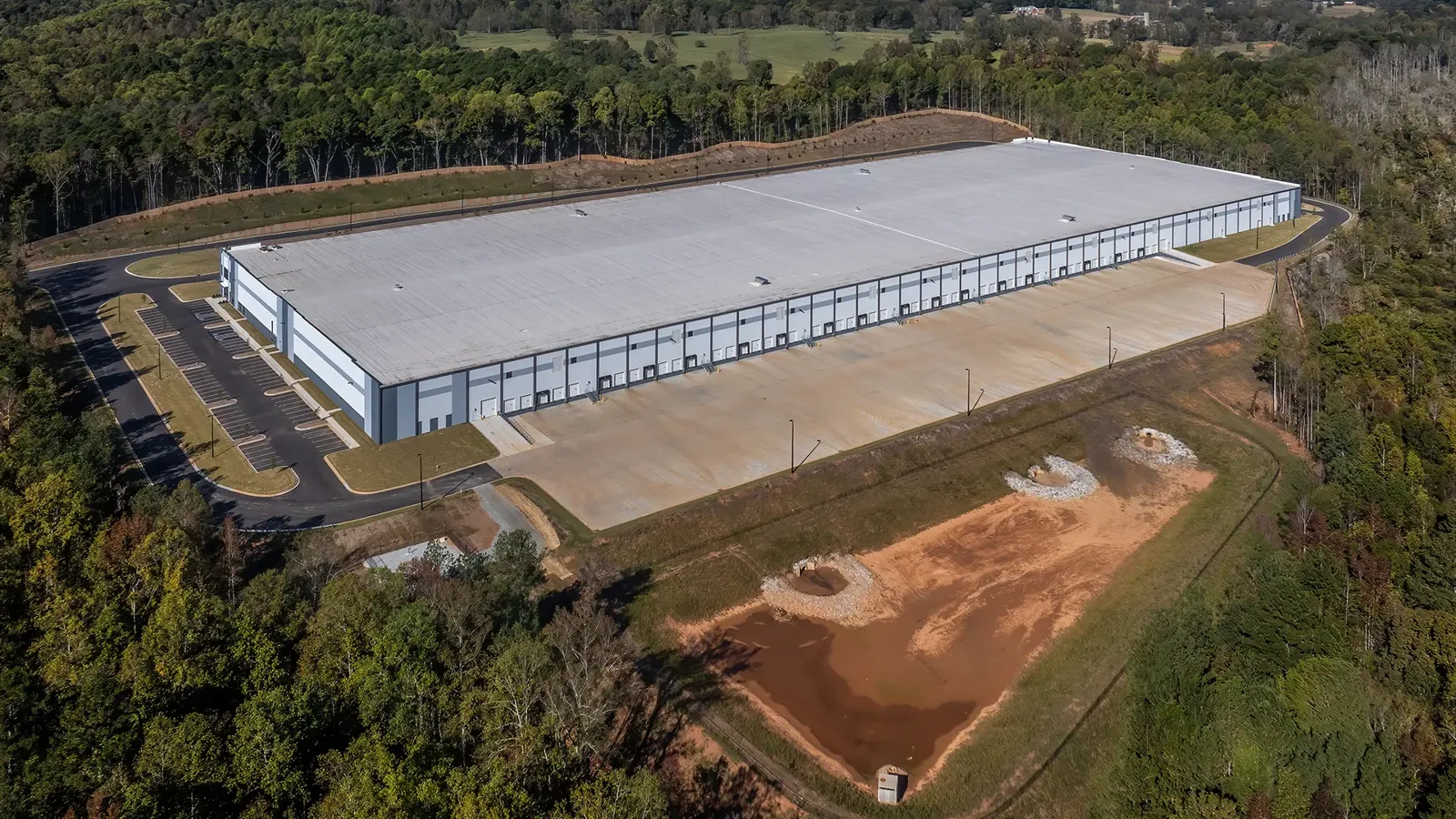
The roof walk checks membrane, seams, patches, edge metal, penetrations, curbs, wall transitions, drains and scuppers. We photograph issues by zone and record any surface or detail that needs testing. The announced 430,000-square-foot facility adds scale to the park; our roof takeoff begins with field dimensions, drains and edge transitions. If concealed moisture, attachment or deck condition may affect the scope, we mark a test cut or targeted survey before removal is priced. Existing layer count, drainage and perimeter height are reviewed before considering a recover. A infrared moisture survey records visible conditions, while a due-diligence roof survey identifies which items are confirmed and which remain open. The report ties photos to the selected building, not to the park as a whole.
Compare work paths by condition
An isolated seam, puncture or flashing may be repaired when surrounding materials remain sound. Wet insulation, repeated failure or damaged deck can support a broader replacement scope. Recover suitability depends on layer count, attachment, deck, drainage and edge details. Coating requires a compatible, dry substrate and preparation. We explain the finding behind each recommendation and identify cost drivers such as measured area, removal, disposal, insulation, equipment coordination, edge work and access. Any concealed condition that could change quantities is identified before the project advances. A seam-failure repair can address a documented local failure; a recover scope review addresses an assembly that has broader deterioration. The written scope separates temporary protection from permanent work and names the test or approval that remains before final quantities are fixed.
Keep production and roofing in sequence
We divide the work into roof sections with defined access, protection below and a tie-in that can be closed within the shift. The property contact confirms operating hours, tenant notices, equipment that must stay available and the path for deliveries. The crew removes only what it can dry in, installs the specified assembly and checks drains, penetrations and edge transitions before releasing the area. If an unexpected deck condition changes the detail, work pauses at a protected boundary while the owner reviews added scope. Material delivery is matched to the next ready zone, limiting roof storage and repeated handling. A multi-phase facility planning can document work windows and daily cleanup; penetration and curb details sets mechanical access before the new membrane is closed. The contact receives a status before the crew changes the roof zone or delivery route.
Secure the open area at each hold
Athens-area storms can interrupt tear-off and membrane work, so the schedule sets a limit on exposed area and identifies who can call a hold. We stage protection before removal and establish a dry-in point for each section. The field lead watches the weather, secures material and closes the tie-in before leaving the roof. If the roof becomes unsafe for handling material, the supervisor suspends work, records which edges have temporary cover and gives the property contact a restart condition. The next material movement is reset with the property manager. Warm-season storms can compress Commerce 85 work windows, so every phase has a weather hold and secure tie-in. If a property reports impact, we inspect the roof itself and document membrane, edge and penetration conditions before permanent repair. An active opening may receive storm-damage assessment, with the lasting work scoped after inspection.
Keep the facility record specific
At turnover, we inspect completed seams, drains, curbs, flashings and tie-ins, then match photos to the roof-zone map. The closeout records work performed, materials identified from approved documents, access restrictions, open tests and the person assigned to the next decision. Temporary protection is identified apart from permanent repair. The property contact confirms the staging area and delivery path are returned before the work zone is released. If later phases remain, we mark the next section and tie-in for the follow-on crew. Commerce has a broad manufacturing base; for a corridor project, the facilities contact confirms the property’s truck route, production limits and delivery window. A separate service area at Downtown Commerce has different streetscape and business conditions. Contact Commercial Roofing Athens to schedule a property walk and set the industrial roof sequence around the confirmed building and its operations.
The closeout file should identify the receiving entrance used, the building and roof zone completed, and any allowance or test still pending. If project ownership or occupancy changes, that record helps the next manager understand the assumptions behind the scope.
Related Roofing Work
Frequently Asked Questions
Does the industrial corridor’s planned development tell you the roof size?
No. No. Citywide industrial activity does not describe a particular roof. We survey the selected structure, confirm its assembly and measure quantities before pricing.
How do deliveries enter Commerce 85?
The property contact confirms the gate, truck turn, receiving window and roof route. I-85 access is regional context, not a delivery instruction.
How do you keep a multi-building program accurate?
We identify each property and survey its available roof areas. Measurements, access requirements and findings stay with the building inspected.
Can a plant stay in operation during reroofing?
The facility contact sets equipment and production limits. We protect a defined section, coordinate access and close it before moving to another phase.
What can change after the roof is opened?
Concealed insulation, deck or attachment conditions may change the quantities. We protect the exposed boundary, document the finding and request approval before adding work.