
Commercial Roofing in Downtown Commerce, GA
Home / Service Areas / Downtown Commerce
Downtown Commerce
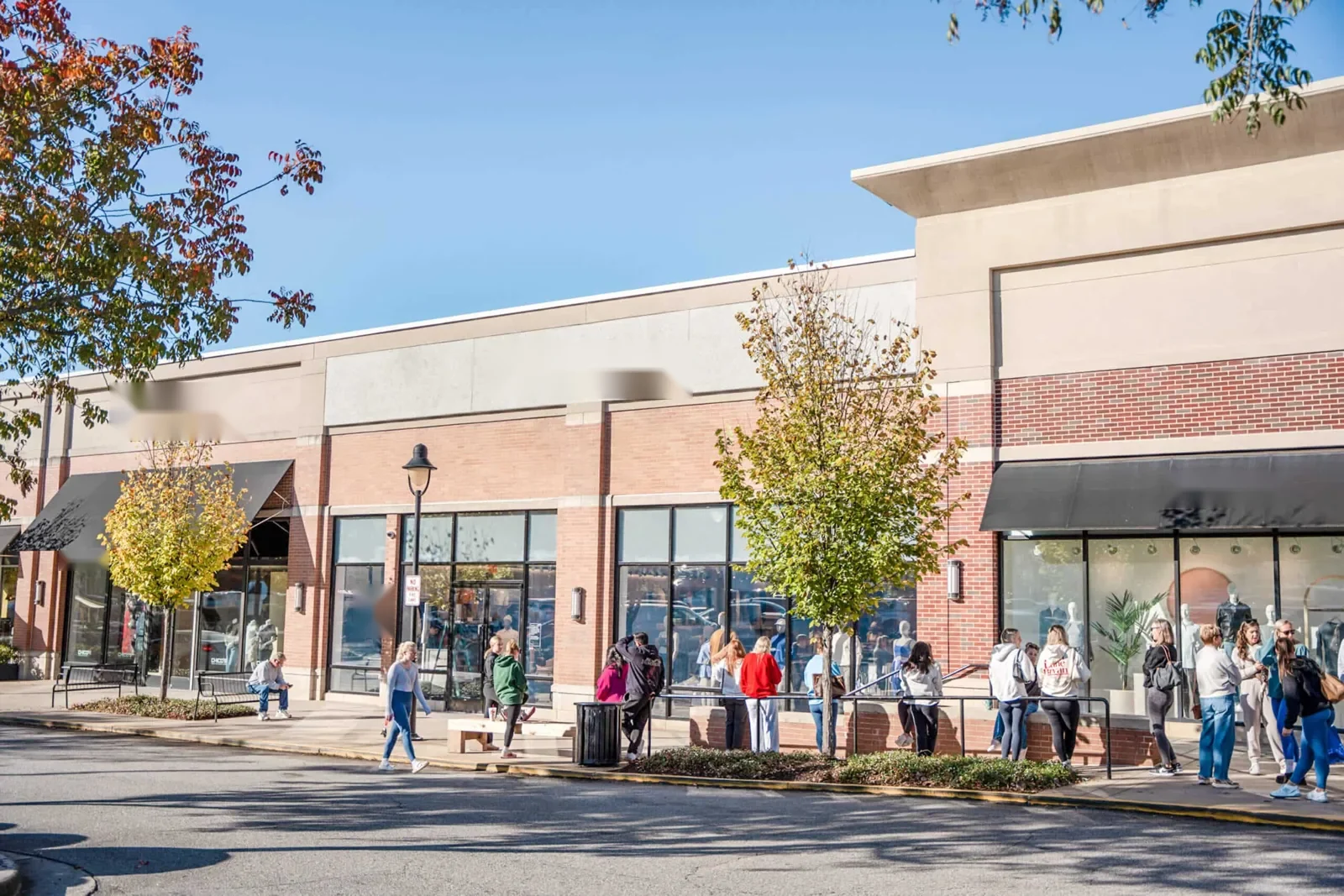
Storefront hours, pedestrian routes and material staging set the first work window in Downtown Commerce, GA. The city’s Downtown Development Authority and Main Street program are undertaking revitalization work, and city reporting records small-business openings and a brewery in the commercial district. We confirm current street access with the property contact, inspect the installed assembly, then map the truck route, laydown area and roof sections. North-central Georgia’s spring and summer storm pattern makes the exposed-area limit and dry-in point part of mobilization. The property manager receives a schedule for deliveries, pedestrian protection, weather holds and completed-section handoff that fits the building’s operating hours.
Work with the current streetscape route
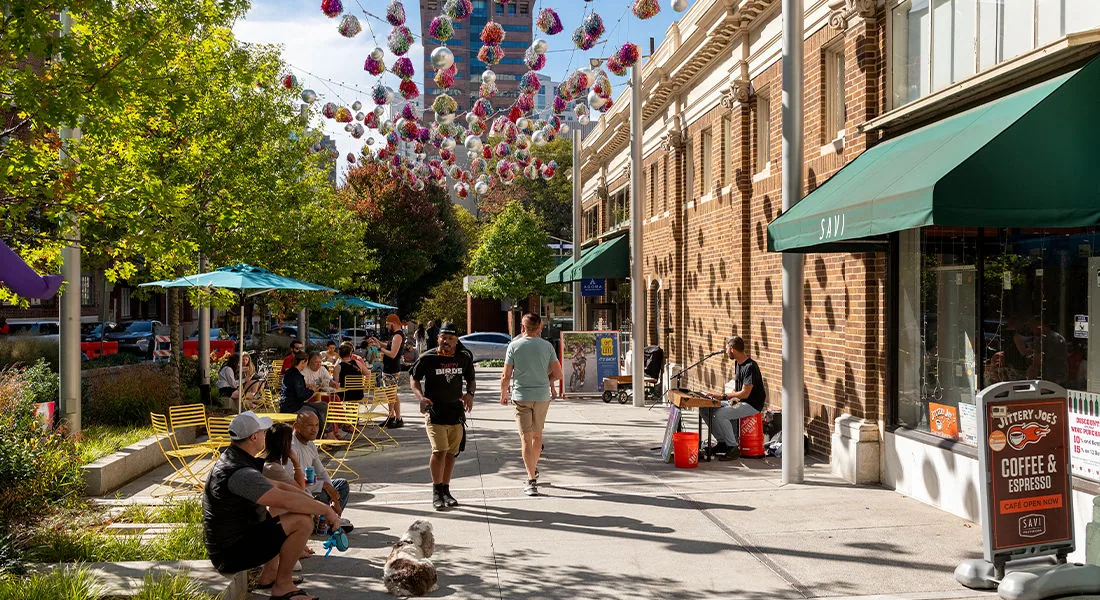
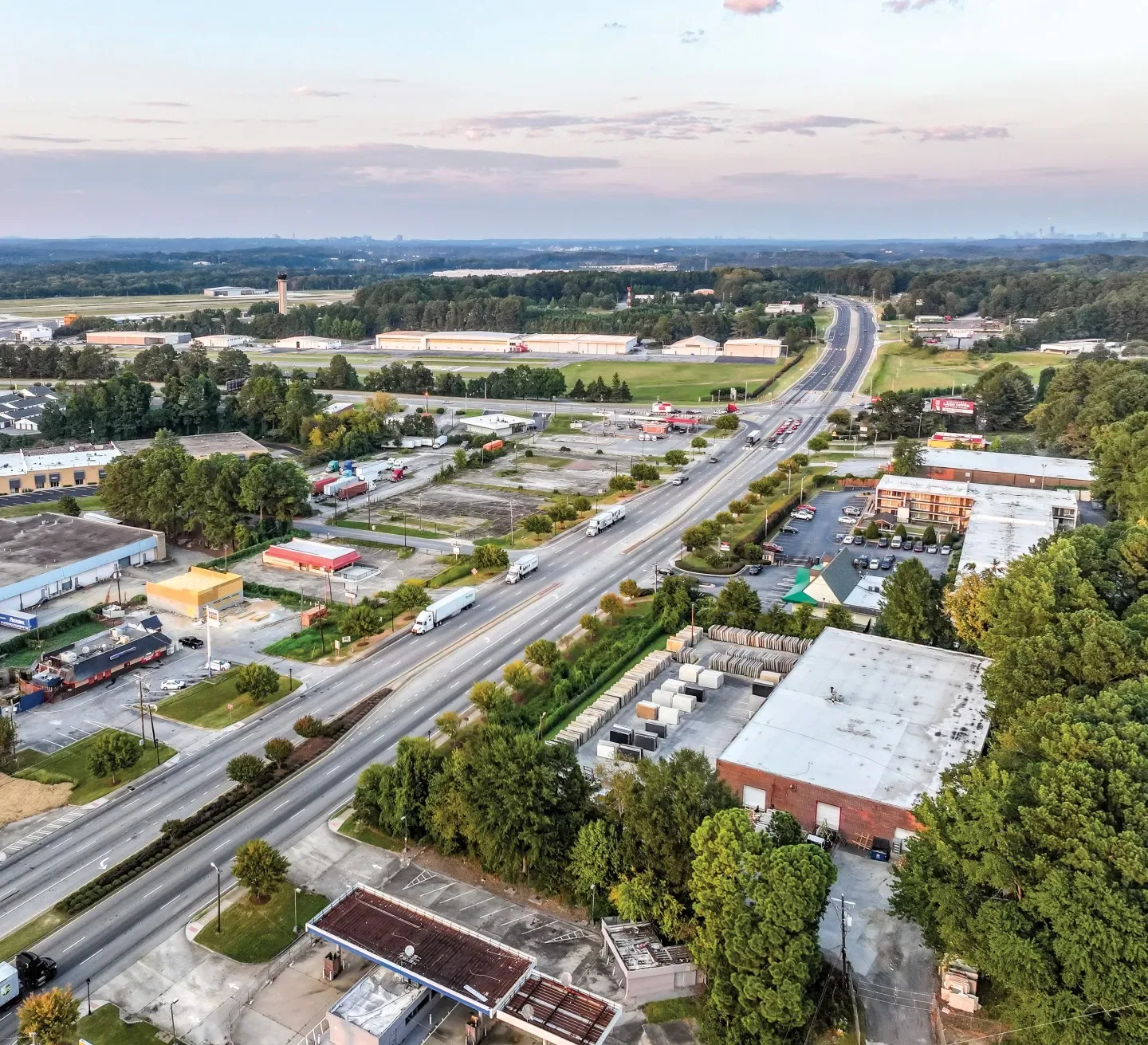
Before a material truck arrives, we confirm current street access, loading space, pedestrian movement and construction coordination with the property contact. We confirm whether current revitalization work affects the delivery route or pedestrian path at the selected address. The manager identifies storefront hours, service entries, approved staging and any lift or crane-pick limits. We map a path that keeps customer and service access clear, then time delivery to the roof section ready to receive materials. For storefronts, the manager confirms current business hours and any customer entrance that must remain open. A separate project at East Jackson Industrial Park or Commerce I-85 industrial corridor has a different vehicle and loading plan. We record the building address and local contact on the mobilization sheet.
Street or streetscape work can change access between the roof survey and the installation date. The owner confirms the current loading point, any temporary pedestrian route and who can approve a short adjustment before material arrives. We keep the work boundary connected to the selected storefront and schedule noisy removal around the property’s operating hours. If a business event or city activity changes the route, the crew holds material off site until the approved path is available. The phase record records the access arrangement used so a future service visit can repeat what worked.
Survey the installed roof
We inspect membrane, seams, prior patches, perimeter metal, wall transitions, drains, scuppers, curbs and penetrations. Each finding is photographed by roof zone and checked against likely water paths. An interior stain helps direct the walk but does not prove the entry point. If moisture below the membrane or deck deterioration is suspected, we identify a test cut or targeted survey before tear-off quantities are fixed. Existing layer count, attachment, drainage and edge height are checked before a recover is evaluated. A commercial roof inspection records accessible details, while a warranty documentation ties photos and next actions to the property. The survey records visible layers, tests needed to resolve concealed conditions and any access limit that affects the scope. At parapets, coping joints, storefront canopies and roof-to-wall transitions, we check termination security and whether water can pass behind the flashing. Where roof levels meet, we trace drainage into the lower area and confirm outlets remain accessible. The photo log labels each detail by section so a repair can be scoped without extending work across the whole roof.
Choose a repair path from evidence
A localized seam, puncture or flashing defect may support a repair if surrounding material remains dry and attached. Repeated failures, moisture across roof zones or a damaged deck may call for broader replacement. A recover depends on the existing layers, attachment, deck, drainage and edge height; coating requires compatible, dry material and preparation. We state which finding supports each option and what affects price: measured area, removal, disposal, insulation, deck work, details, access and interior protection. Any concealed condition that may change the quantity is listed before work. A seam failure review can correct a confirmed failure; a replacement scope accounts for a failing assembly. If a roof-edge change affects a storefront or shared entrance, we record the detail and confirm access timing with the property contact before installation.
Phase the work around open businesses
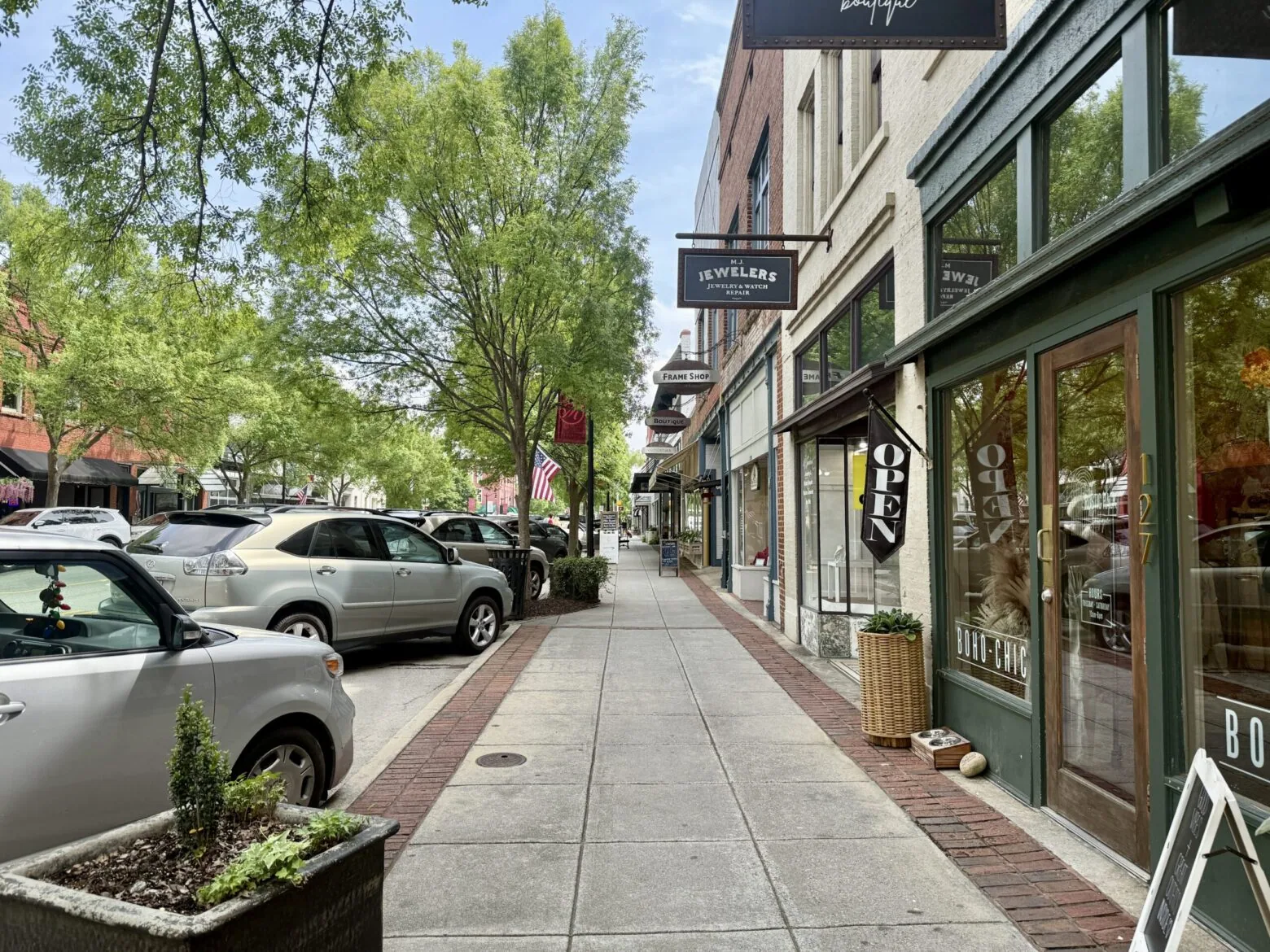
The work plan ties each roof zone to storefront access, the space below and the approved delivery window. The property contact confirms tenant notice, noise limits, equipment service and any streetscape route constraint. The crew protects the interior, opens only a section that can be dried in during the shift and checks drains, penetrations and wall transitions before releasing it. When investigation reveals a deck condition outside the expected scope, we secure the transition, photograph it and obtain the contact’s approval before changing the detail. Material is delivered for the ready area rather than left in an exposed stack. An phased property coordination can show daily handoffs, while drainage detail review schedules rooftop service before membrane closes around a unit. Cleanup returns the customer route at the end of each shift.
Set the weather hold before tear-off
The foreperson plans the tear-off limit around the shift’s dry-in capacity and stages protection before any section is opened. Temporary protection is staged and the property contact names who can call a weather hold. The roofing supervisor tracks the permitted access window, accounts for loose material and leaves each opened section with a complete temporary closure. If rain, lightning or unsafe wind reaches the site, the crew stops at the safe boundary and protects the opening where conditions permit. The contact receives a status and revised window. After a reported storm, we inspect and photograph the membrane, flashings and edge details before scoping permanent repair. An active opening can receive emergency roof response, followed by a separate scope for lasting work and any test still needed.
Return the site and records
The handoff pairs each finished section with its photographs, test status and access record so the owner can locate the work without relying on a general closeout list. The property contact receives the next-phase boundary and any access needed for a return visit. The closeout distinguishes short-term water control from a completed repair so the next decision is visible. Before demobilizing, the site representative walks the approved business path with the foreperson and confirms the delivery area is clear. If a future phase remains, we record its starting boundary and the access condition needed to return. The closeout also identifies who holds the roof map, who receives new service findings and which tenant contact should be notified before another delivery. That handoff keeps downtown operations connected to the actual roof record. The manufacturing campus at Southeast Toyota in Commerce has a distinct delivery and access plan from downtown storefronts. Contact Commercial Roofing Athens to schedule a Downtown Commerce roof walk and set delivery, staging and weather holds before the scope is priced.
Related Roofing Work
Frequently Asked Questions
Does downtown revitalization mean the road is closed?
Not by itself. We confirm current access and any construction coordination with the property contact before scheduling material delivery.
Does the city’s rail and textile history identify the roof type?
No. Historical context does not tell us which layers, membrane or repairs are present. We survey the selected building and document its current condition.
How do you schedule around a new business or brewery?
The owner or property contact confirms operating hours and delivery windows. We plan barriers, noise and roof access around those current instructions.
Can a repair proceed before all concealed layers are known?
A visible defect can be scoped, but uncertainty that affects removal or attachment is listed for testing. The proposal separates confirmed work from unresolved conditions.
What does the turnover record include?
Photos tied to roof zones, completed work, open tests and access limitations. Temporary protection is identified separately from permanent repair.