Multi-Site Commercial Roofing Programs in Athens, GA
Home / Roofing Capabilities / Multi-Site Commercial Roofing Programs
Multi-Site Commercial Roofing Programs
Portfolio mobilization begins by assigning the right site contact and access window to each address that needs roof attention. We can coordinate a survey calendar, field records and reporting format across the portfolio while keeping roof findings, quantities and approvals property-specific. Athens includes institutional campuses, business parks and industrial facilities. A portfolio may include a roof near Coggins Park and another at Commerce I-85 industrial corridor; their delivery routes and operating schedules must be confirmed separately before crews mobilize.
Set shared fields and separate site decisions
At kickoff, we build a property list with address, site contact, roof access, known assembly, operating hours, drawings and repair history. The program can use common photo labels and condition categories, which makes portfolio review more consistent. Findings still remain attached to the building where they were observed. A leak at one address does not establish a defect at another, even when both locations use the same roof material or are managed by the same organization.
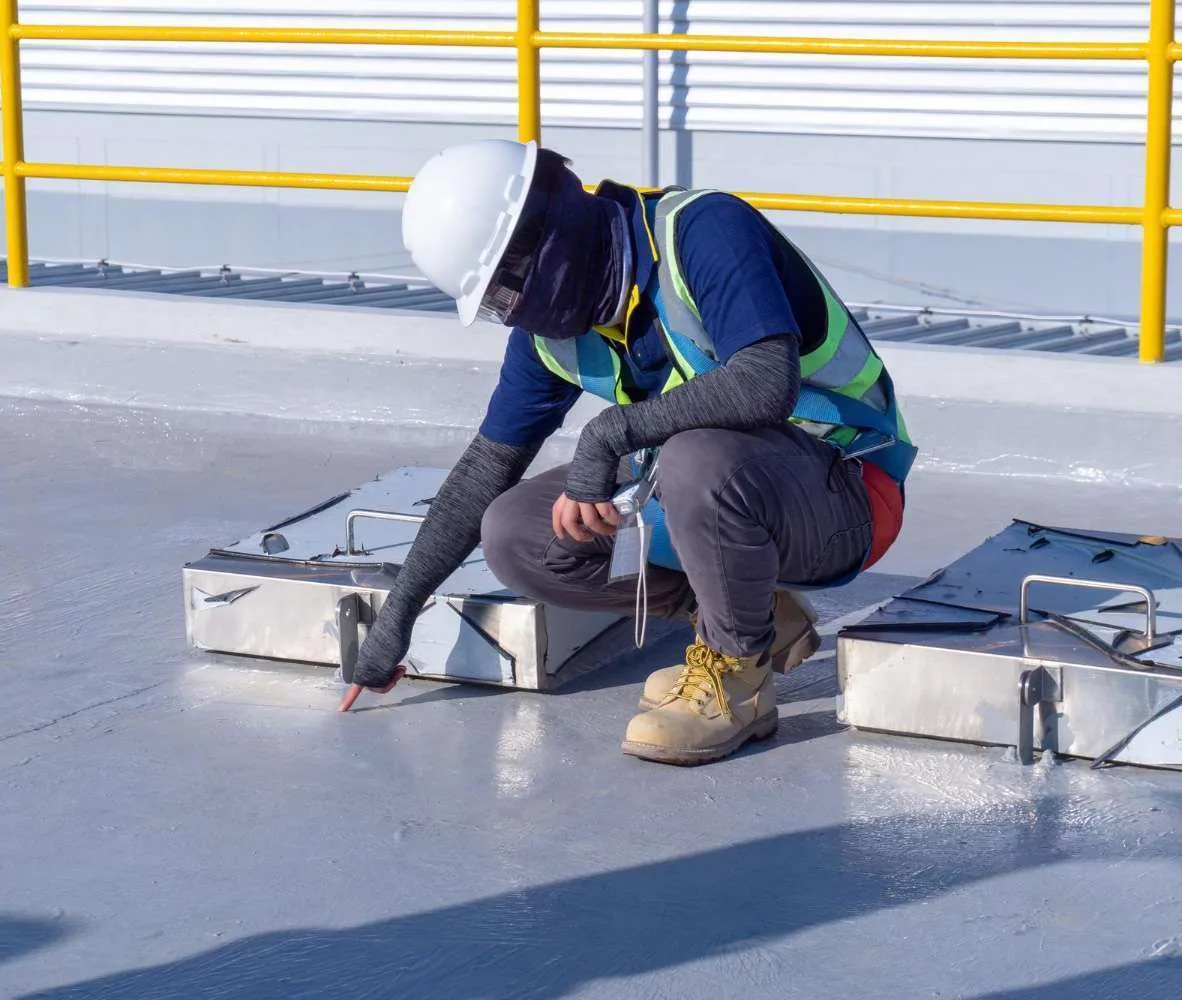
We identify which records can be shared across the program and which need local confirmation. A common inspection form can record roof zones, drains, curbs, seams, perimeter details, photos, test locations and access limitations. A roof asset register can preserve the resulting history, while condition reports supply the evidence for each property. This lets a facilities director compare status without flattening important differences between sites.
Group visits around geography and access
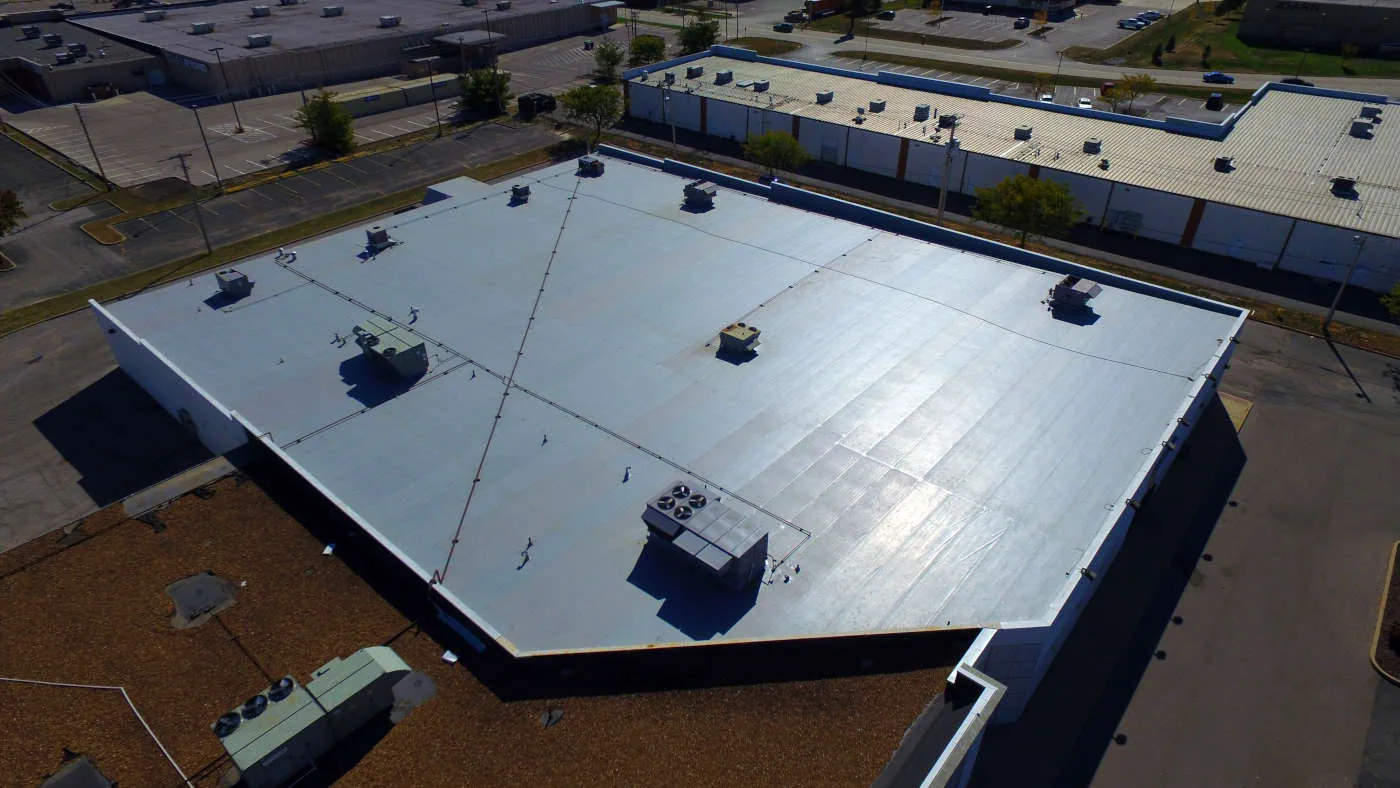
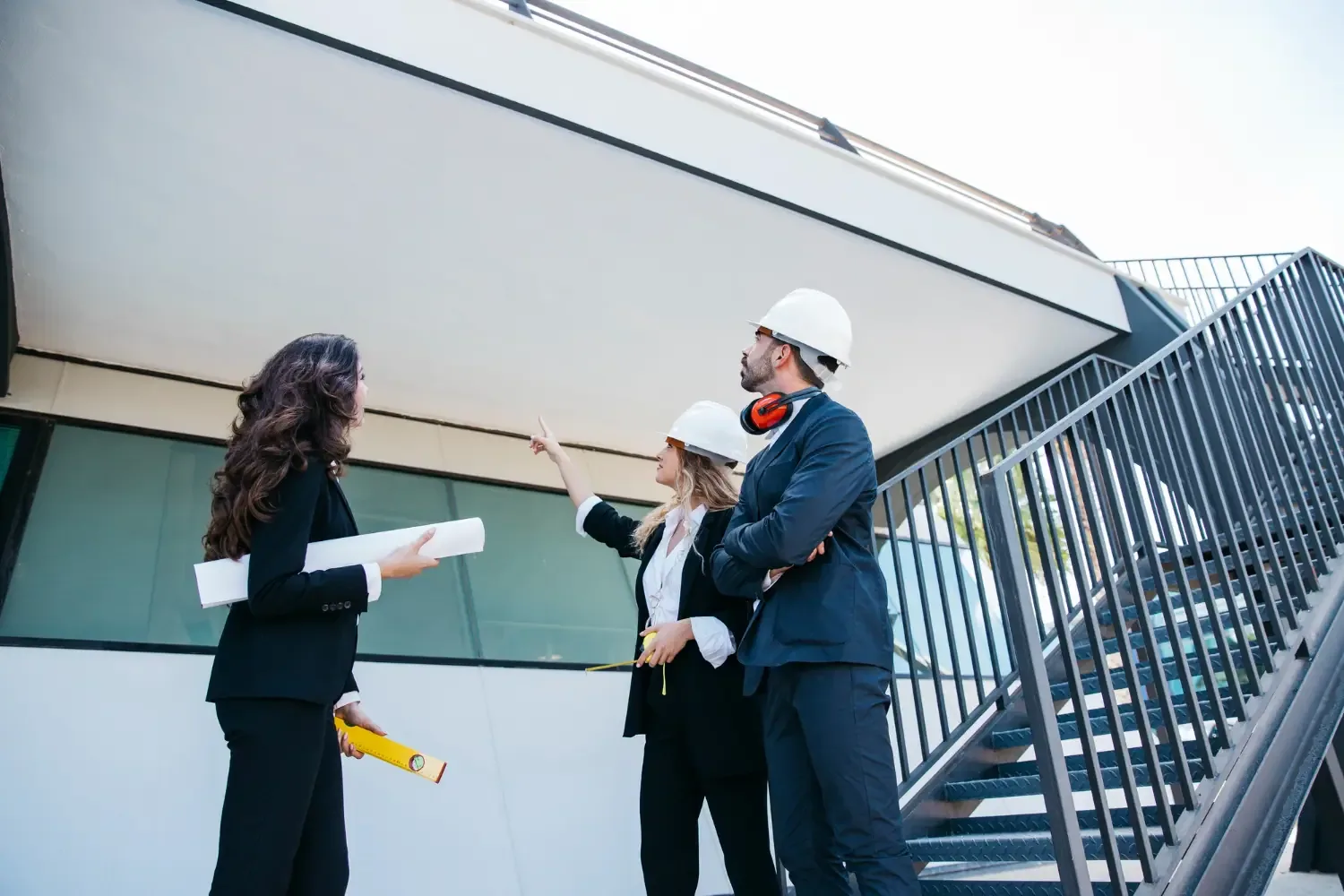
Survey routing considers drive time, gate access, tenant schedules, roof hatches and whether a building needs an escort. We confirm each appointment with the site contact rather than assuming one manager can open all locations. A multi-tenant commercial park may have shared entry rules, while a manufacturing campus may require a separate check-in and delivery route. The schedule names the access owner, inspection scope and any equipment or safety restriction before the route is assigned.
For a property near Atlanta Highway or a facility near North Athens commercial area, we record public traffic, parking and staging needs at that address. Where site conditions require more time, the calendar reserves a separate visit rather than compressing inspection into an unsuitable window. The owner receives the list of completed properties, missed access points and follow-up appointments after each field day.
Prioritize work without confusing the portfolio
Each site’s findings are categorized as active leak response, repair, testing, maintenance or capital review. The portfolio manager can then compare urgency and choose which building moves first. If a roof condition needs testing, we identify the zone and what result changes the recommendation. We do not copy an estimate from a nearby facility or apply a single replacement year to roofs with different materials and histories.
Athens-Clarke County has a mix of education, healthcare, manufacturing, retail and accommodation businesses. The local climate includes hot, humid summers and frequent thunderstorms, with regional wind and hail exposure. That context can inform survey timing and emergency readiness, but the observed roof condition belongs to each property. A capital sequence can combine confirmed projects and decision dates while preserving separate quantities. The asset manager can fund one roof phase without treating the rest of the group as inspected.
Portfolio comparisons need common definitions for leak urgency, membrane condition, drainage, edge details and testing status. We agree on those fields before collecting data, then retain each site’s own assembly, access contact, service history and approval thresholds. A roll-up can show cost ranges or risk priorities, but should keep assumptions visible so the same score does not hide different roof conditions. When a local manager reports a new leak, the program can route it to the correct service team while preserving the inspection record for future capital planning.
Coordinate repairs around operating calendars
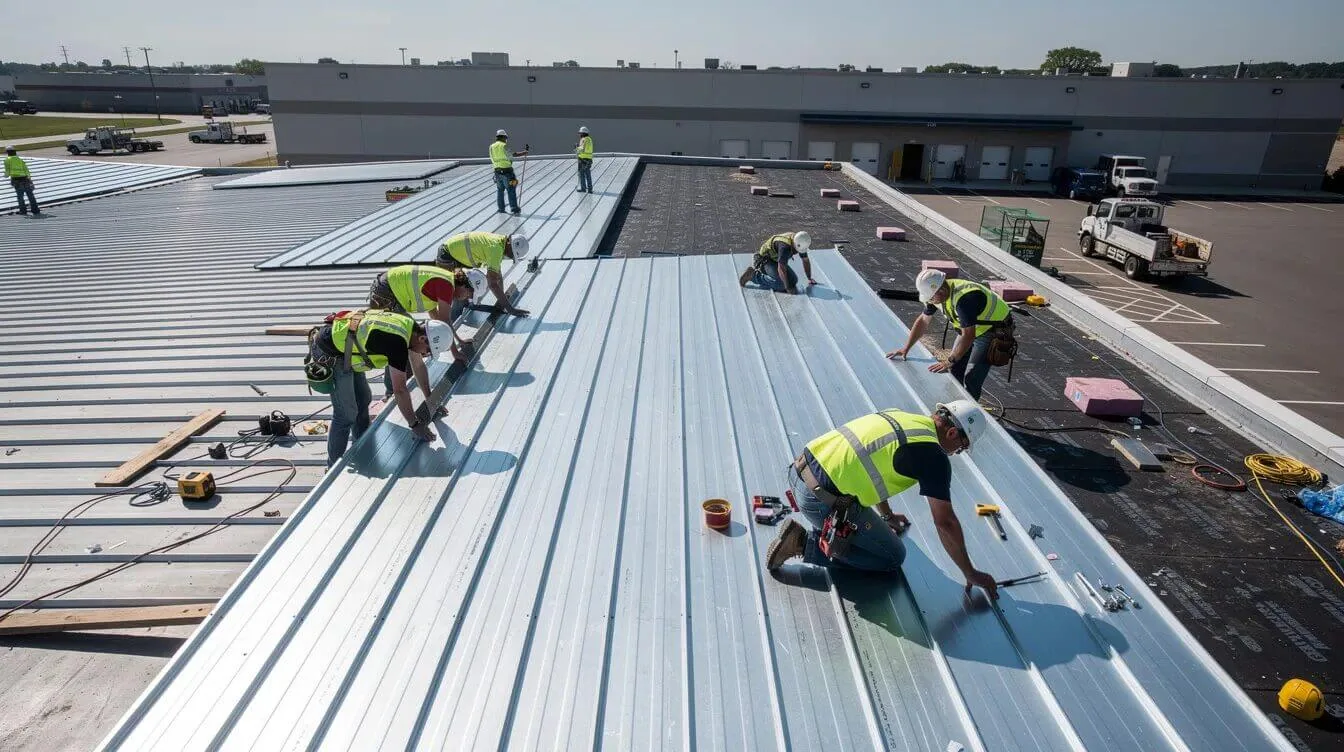
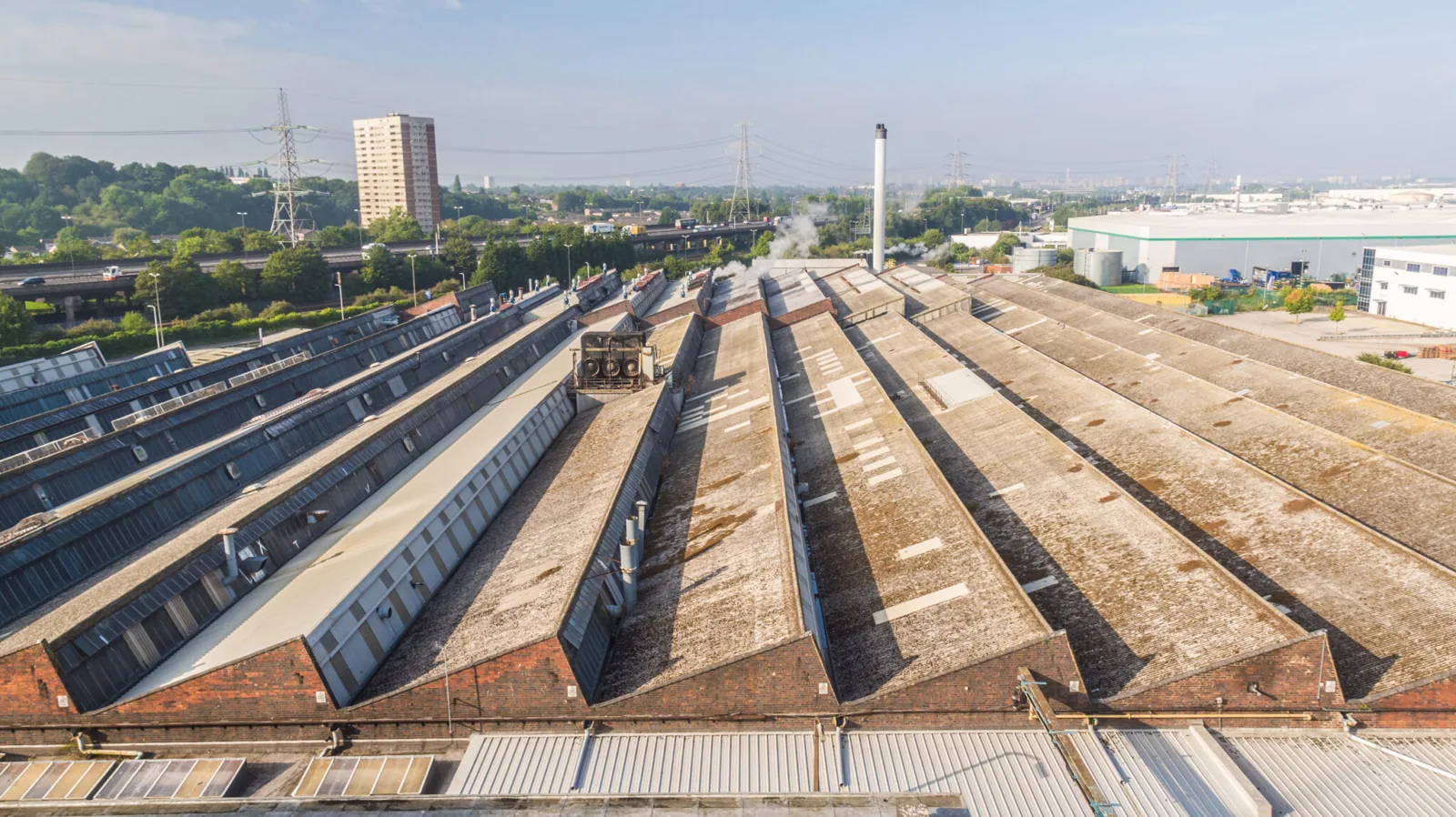
After prioritization, each approved work order receives its own route, staging plan, material delivery and daily tie-in. One facility may permit a weekend crane pick; another may need work after a tenant notice or shutdown. We identify occupied areas, equipment, loading paths, noise limits and who can release the work zone. A phased reroof scope shows the protected area and turnover check for the specific building, not just the regional program schedule.
Athens has frequent warm-season storms, so every open roof phase needs a defined dry-in limit and weather hold. We coordinate material staging and forecast review with the local contact. If rain, wind or lightning changes the window, the crew secures the agreed boundary and reports which area remains protected.
Give leadership a useful portfolio view
Program updates can show which buildings have been inspected, what findings are urgent, which tests are pending and where a repair is complete. We use a status date and owner for each open action so the report remains current through budgeting and construction. The summary can compare costs qualitatively by drivers such as access, tear-off, deck work and operating restrictions. Final pricing follows a property-specific scope and confirmed quantities.
Photos, maps and closeout records remain available at the site level. A transaction survey for one asset can be coordinated with routine portfolio inspections without changing the sequence for other buildings. The property manager receives site-level turnover, while ownership gets a consistent summary for the group. Contact Commercial Roofing Athens to plan an initial portfolio walk, select reporting fields and establish the access contacts for each location.
At program kickoff, we establish a decision log with the person who can authorize a test, approve a repair and accept turnover. That avoids routing a field question through the wrong office after crews arrive. If property management changes, the owner can update the contact without losing historical findings. The schedule can also identify how much notice tenants need, which addresses require escorts and where equipment or materials cannot be left overnight.
When the group includes both urgent repairs and routine surveys, we separate the dispatch queue from planned site visits. The portfolio lead can see which action is time-sensitive and which visit can be combined geographically. This keeps emergency work from displacing every preventive inspection and helps each facility receive a realistic access window.
Each site record uses an agreed property reference, inspection date, roof-zone labels and report revision. The portfolio summary links those details to the next action and its owner, while the site file retains photos, test results and approvals. When a record changes after a repair or follow-up visit, the date and condition remain visible beside the earlier observation.
For annual budgeting, repeat photos from the same roof zones can reveal whether seams, drainage or earlier repairs have changed since the prior visit. That comparison gives ownership a practical basis for resetting priorities before the next funding cycle.
Related Roofing Work
- Commercial Roofing at Coggins Park, Athens, GA
- Commercial Roofing in Commerce’s I-85 Industrial Corridor
- Commercial Roof Asset Management
- Commercial Roof Condition Reports
- Atlanta Highway Corridor
- Commercial Roofing in North Athens, GA
- Commercial Roof Capital Planning
- Occupied Building Commercial Reroofing
Frequently Asked Questions
Can one roofing schedule cover several properties?
The survey calendar and reporting method can be coordinated across locations. Each site still needs its own access approval, inspection findings, quantities and work authorization.
How do you compare roof priorities across a portfolio?
We categorize each building’s findings by active leak, repair, test, maintenance or capital review, then show evidence and open decisions for the owner to rank.
Can one repair price apply to similar buildings?
No. Similarity can help organize review, but field condition, access, deck, roof details and quantities must be confirmed at each address before pricing.
What does the portfolio dashboard or summary include?
It can list inspection status, urgent items, tests pending, approved repairs and completion dates, with links or references to each property’s photos and map.
Who coordinates access at each site?
The owner identifies a local contact for gates, escorts, roof access and operating limits. We confirm that person and the approved window before dispatch.