Commercial Roof Asset Management in Athens, GA
Home / Roofing Capabilities / Commercial Roof Asset Management
Commercial Roof Asset Management
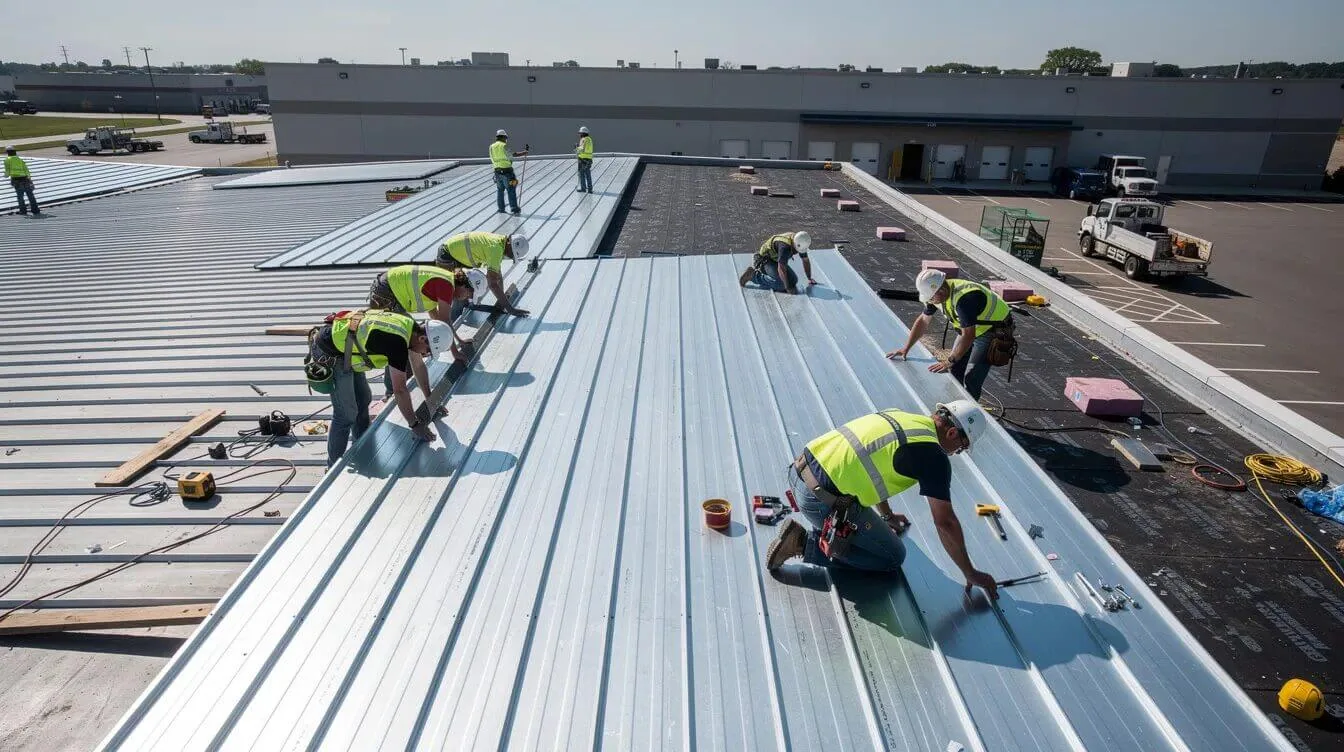
A portfolio roof register is useful only when a facilities lead can connect an address to the roof area, current condition and next decision. We inspect each building, record the assembly where visible, map defects and attach dated photos to the zone that needs attention. Athens has a wide mix of university, healthcare, school, manufacturing and retail property; the University of Georgia alone reported 491 Athens-campus buildings in its facilities inventory. We keep findings for each site distinct, whether the manager is tracking buildings near Downtown Athens or Athena Industrial Park.
Build a record by building and roof zone
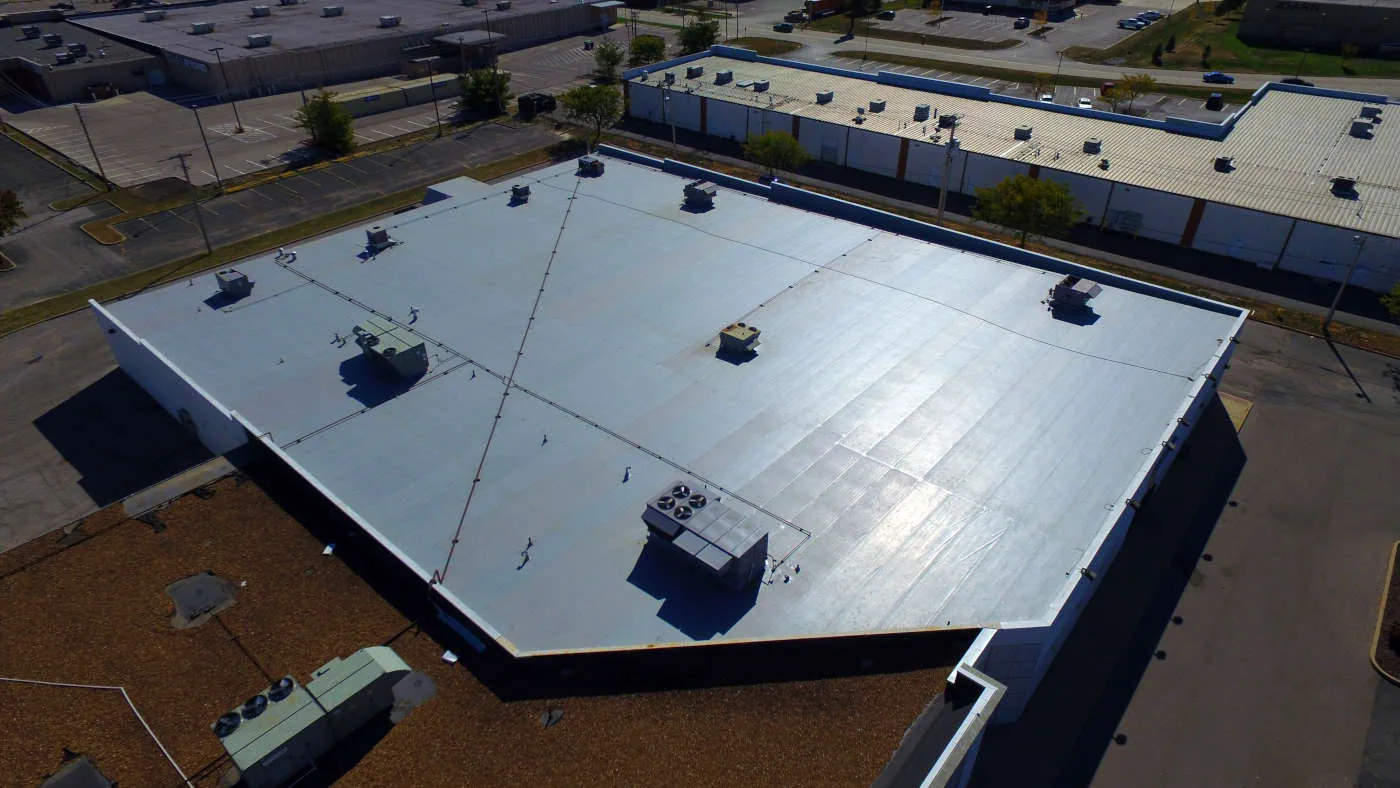
The first entry captures the site address, roof access, system type where identifiable, drainage layout, equipment and inspection date. We divide broad areas into usable zones and mark seams, penetrations, curbs, edges, leaks, patches and locations that could not be accessed. Photos use the same zone labels as the map, so later maintenance staff can return to the right place without searching an entire campus. If drawings or repair invoices are available, we record which details came from records and which were observed during the walk.
A register does not infer roof age, remaining life or installed assembly from the building’s name. We identify unknowns, recommend sampling where the answer changes a capital decision and record who needs to approve access. For a university system or a company with multiple locations, the same fields can make reports easier to compare, but each building retains its own inspection and work history. A photo condition report can supply the findings for each register entry.
For each visit, we record who received the findings, which items were approved and what still needs a decision. A roof record should not silently convert a recommendation into authorization. If a repair was deferred, we leave its status open and record the contact who can revisit it. If completed, the closeout date and photo reference move into the history. That audit trail lets a new facilities manager distinguish an old observation from current work and reduces the chance that an unresolved item disappears during a staffing or ownership change.
A roof register should use a stable building identifier and store the roof-zone map, assembly description, access records, inspection date, leak history and open recommendations. We record when a field is unknown rather than filling it with an assumption, then identify the next inspection or test that could resolve it. The register can also track who approved a repair, which contractor performed it and where closeout photos were saved. With those basics in one place, a facilities lead can compare roof decisions across the portfolio without losing the detail needed at each property.
Keep maintenance actions connected to findings
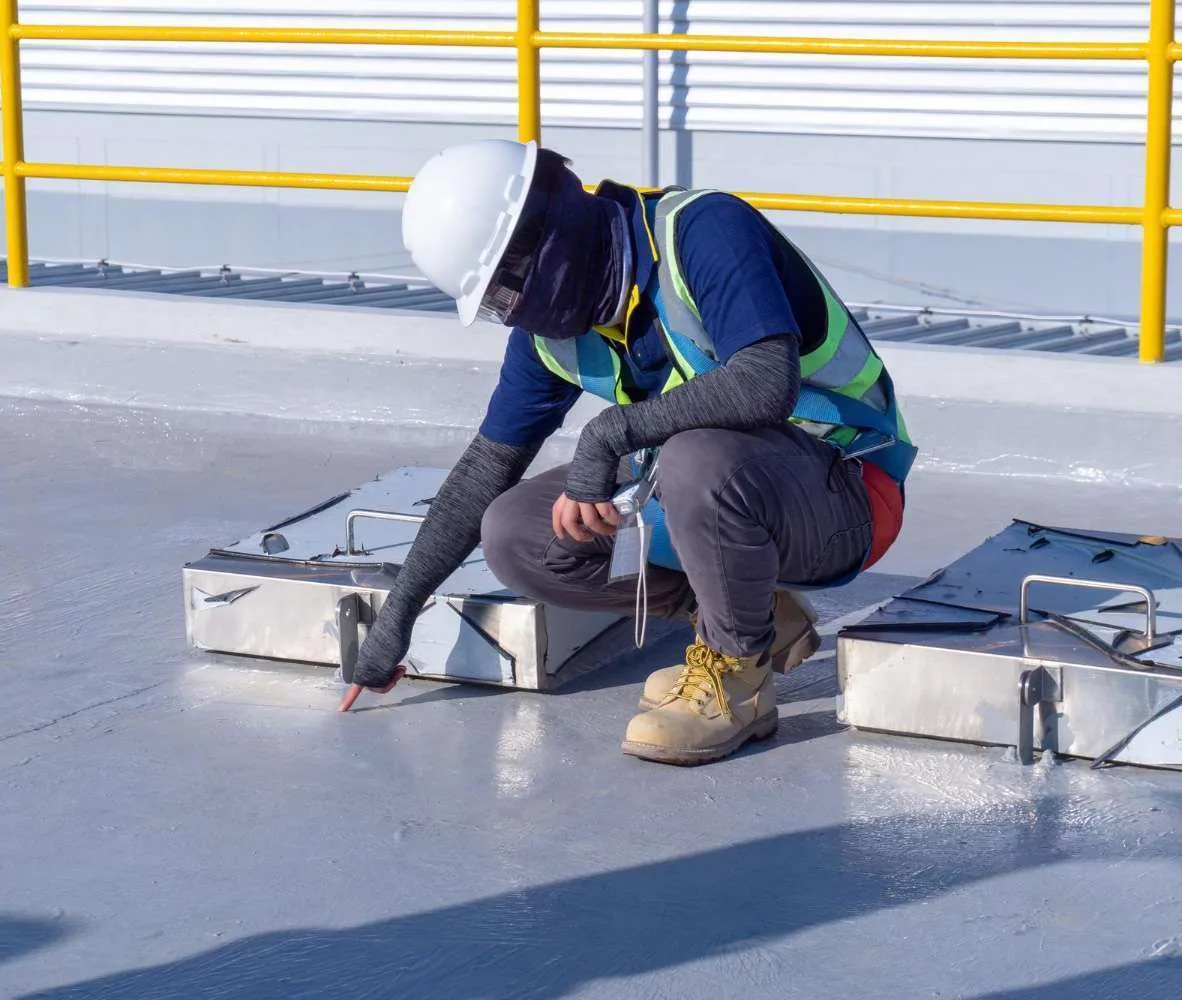
Every repair entry should say what failed, where the crew worked, what material was used when known and whether a follow-up remains. We can update the roof record after inspections, leak calls, emergency stabilization and completed work. The history helps the property manager compare current observations with earlier photos and spot a recurring location, such as a drain, curb or seam that needs another review. A maintenance visit can use the map as a route and return new findings to the same file.
We also record operating limits that affect access: hatch location, equipment shutdown authority, tenant routes, delivery windows, restricted roof zones and preferred contacts. These records are not a substitute for confirming the day’s conditions. They give the next project lead a starting point and identify which permission must be renewed. For an occupied building near Piedmont Athens Regional, clinical access may shape the survey window; an industrial address has a different delivery and staging path.
Sort the next action without hiding uncertainty
We classify findings as immediate leak control, repair, testing, monitoring or capital evaluation, then state the evidence supporting that status. A split flashing detail with a dry surrounding assembly may call for a focused repair. Broad moisture, unstable attachment or damaged deck can change the scope and require a larger review. If a condition cannot be confirmed from the surface, we mark the test area and describe what result moves the item into the next priority group.
A capital plan can group work by urgency, access window and budget cycle, while the asset record preserves building-level quantities. Athens-Clarke County’s commercial framework includes downtown, general-business and employment areas with office, manufacturing, science and flex uses. We use that map to plan the approach, then confirm the building’s loading route, roof access and laydown area during the survey. The register links each decision to inspection evidence rather than applying a district-wide replacement assumption.

Refresh condition after a weather event
Athens has hot, humid summers with frequent warm-season thunderstorms, and the north-central Georgia region sees damaging wind, hail and tornado risk. When a storm report affects a property, we can inspect accessible roof zones, photograph new conditions and compare them with the prior baseline. Athens’ warm-season storm season informs response windows and post-event inspections across a managed portfolio. We record the reported event date separately from the inspection date and record any area that remained inaccessible.
Temporary protection, permanent repair and follow-up testing receive distinct entries in the roof history. That allows the asset manager to see what was stabilized and what remains under review. A wind assessment or hail inspection is tied to the affected building and roof area instead of being copied across other locations.
Give the next project lead a working map
Before a reroof, sale, refinancing or equipment project, the manager can use the register to locate plans, past repairs and outstanding tests. We verify the relevant roof zones again, check whether access records remain current and identify any change since the last survey. A transaction roof survey can focus on the properties under review; a phased work plan can use the same maps to plan daily tie-ins and tenant routes.
Commercial Roofing Athens can maintain a consistent record format for a portfolio while keeping each asset’s findings, quantities and approvals separate. The facilities lead receives a next-action list, photos and map references that can be used at budget meetings or service calls. Contact us to set an Athens roof survey and decide which buildings or priority zones should be entered first.
We can also maintain separate owner approval and tenant-notice fields for each work order.
For each visit, retain the roof map, date, observed change, repair status and the decision owner approved for follow-up.
Related Roofing Work
Frequently Asked Questions
What belongs in a roof asset register?
The register can include address, roof map, visible system, inspection date, photos, repair history, access limits and outstanding tests. Unknown conditions remain labeled for investigation.
Can one report format cover many properties?
Yes, shared fields can support comparison, while findings and decisions stay tied to each individual building. The shared fields support comparison, while each building keeps its own observed conditions and decisions.
How often should the register be updated?
We update it after agreed inspection visits, repairs, emergency stabilization or a material change in roof condition. The owner can choose a schedule that fits operations and budget review.
Can the roof register estimate remaining life?
A visual survey does not establish a precise remaining-life figure. We record condition, tests and repair needs, then identify what additional information a capital decision requires.
Can maintenance staff use the maps?
Yes. Zone labels and access records can help plan a roof route and locate prior findings, subject to confirming current site access and safety rules.