Commercial Roof Capital Planning in Athens, GA
Home / Roofing Capabilities / Commercial Roof Capital Planning
Commercial Roof Capital Planning
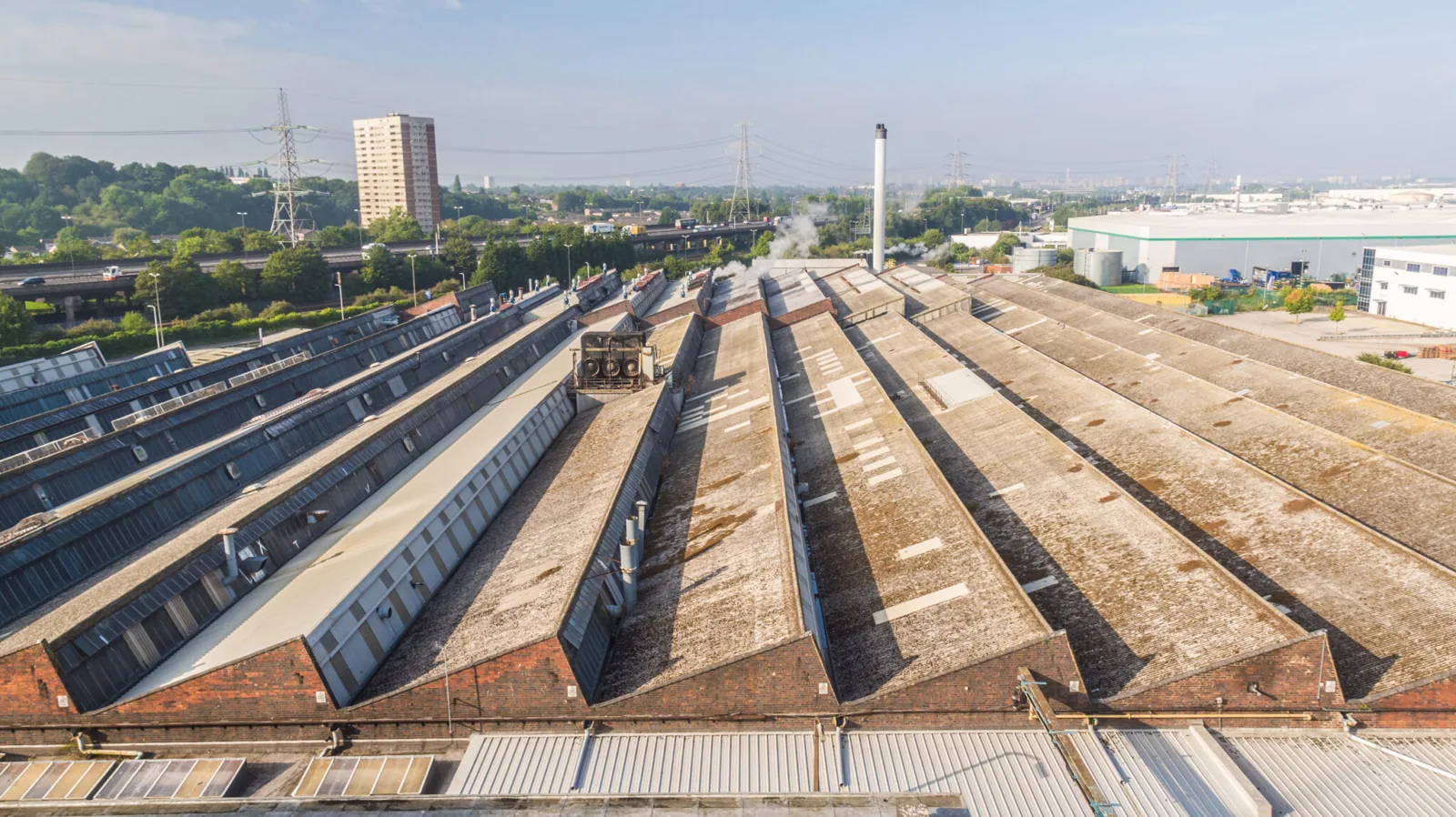
A roof budget is easier to defend when each requested amount points to an inspected area, a defined scope and an open question that could change the quantity. We walk the property, map the assembly and separate immediate repairs from testing, restoration and replacement decisions. Athens combines a large university inventory, healthcare properties, schools, retail and manufacturing. University properties span academic, residential, student-service and support uses; we inspect each roof and connect every capital item to its own building and zone. We tie each capital item to the building and zone, whether it is near UGA or in the Commerce I-85 industrial corridor.
Start with field findings, not a calendar guess
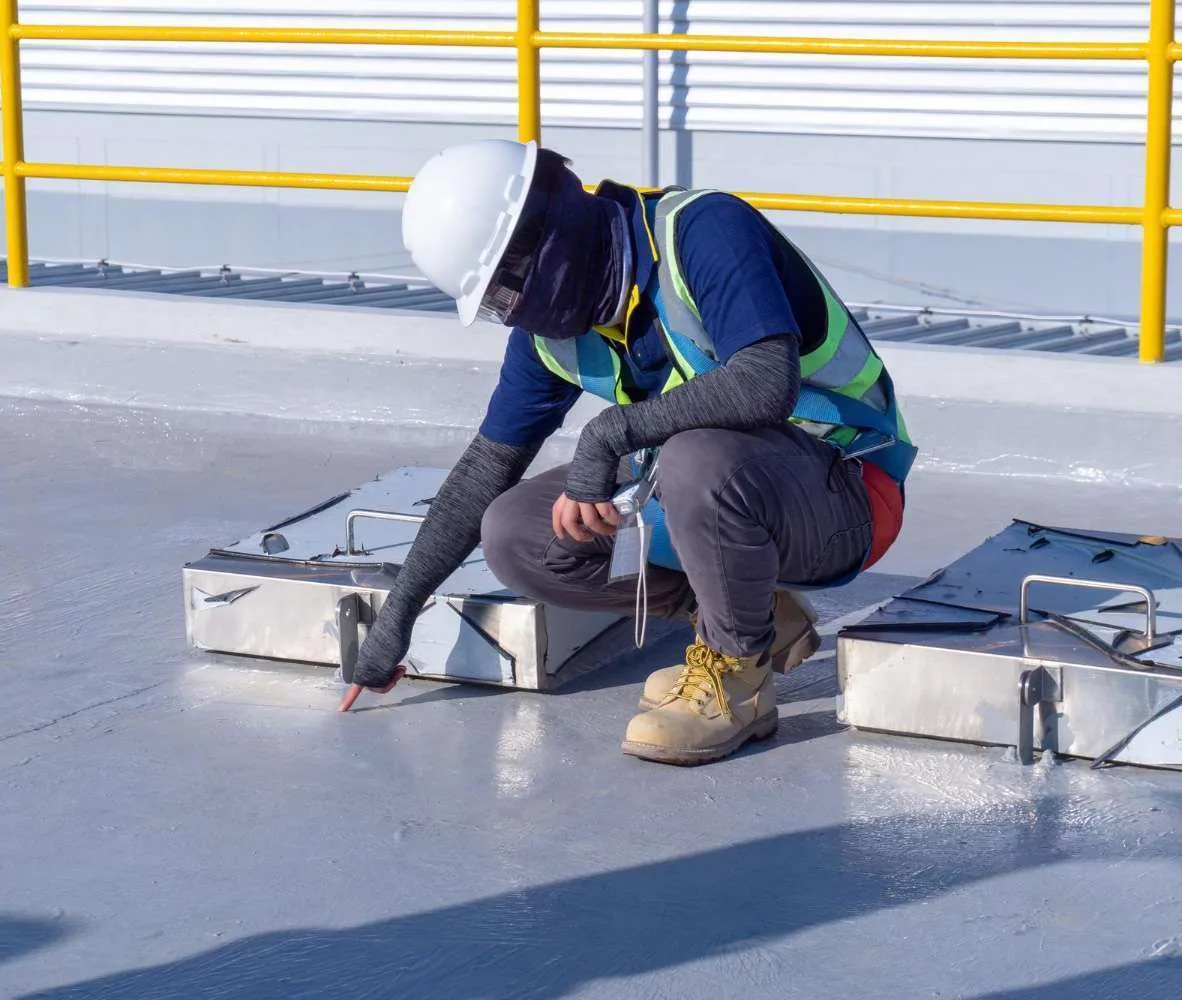
The first step is an inspection of seams, drains, curbs, flashing, edges, equipment and visible membrane or panels. We record photographs, map deficiencies and record areas not reached. If concealed moisture or deck condition may affect scope, we identify a test opening and state what the result would change. The report distinguishes confirmed work from a planning allowance that remains uncertain. A photo condition report can carry the evidence into the budget worksheet.
We do not assign precise remaining roof life based only on appearance. Instead, the capital record describes current condition, observed repair needs, testing, access constraints and follow-up timing agreed with the owner. If records show prior repair or replacement, we trace the water path and confirm whether field conditions match. An asset record can preserve the inspection history, while a current roof survey updates the basis for decisions when the budget cycle arrives.
Separate urgent work from planned investment
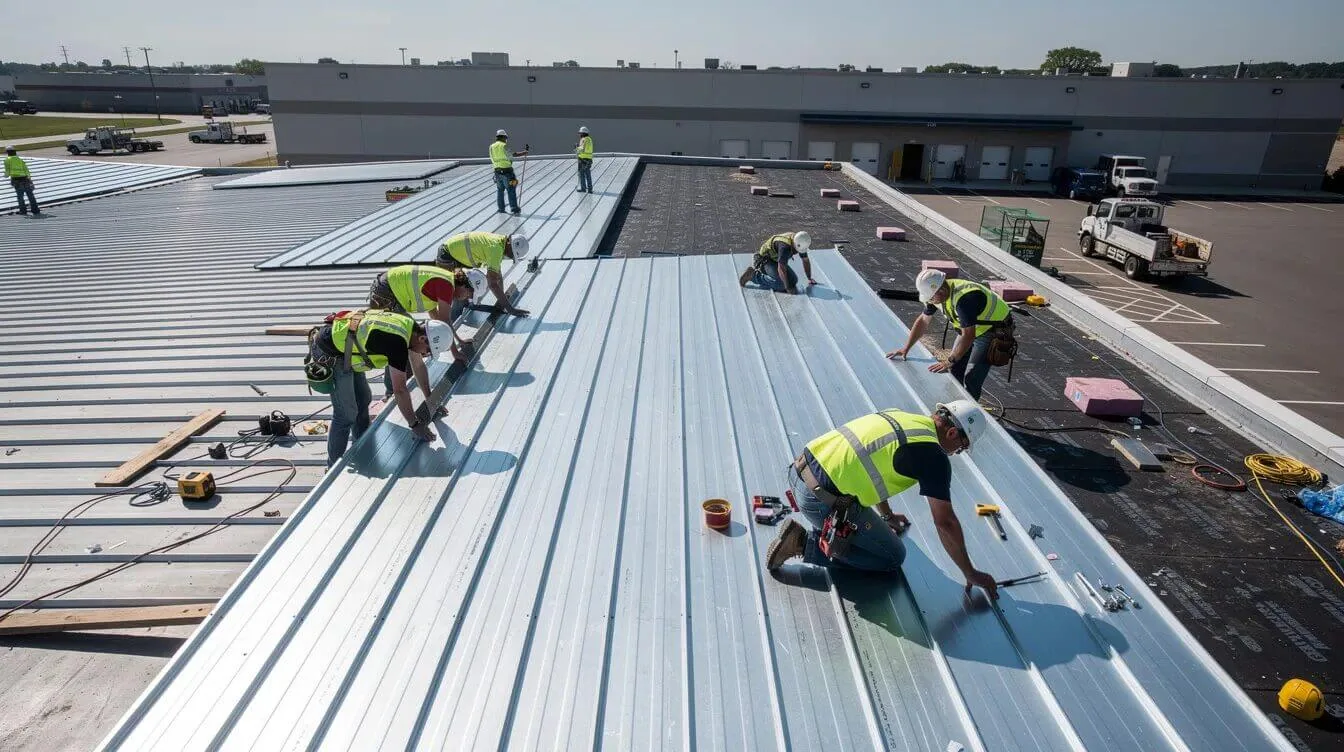
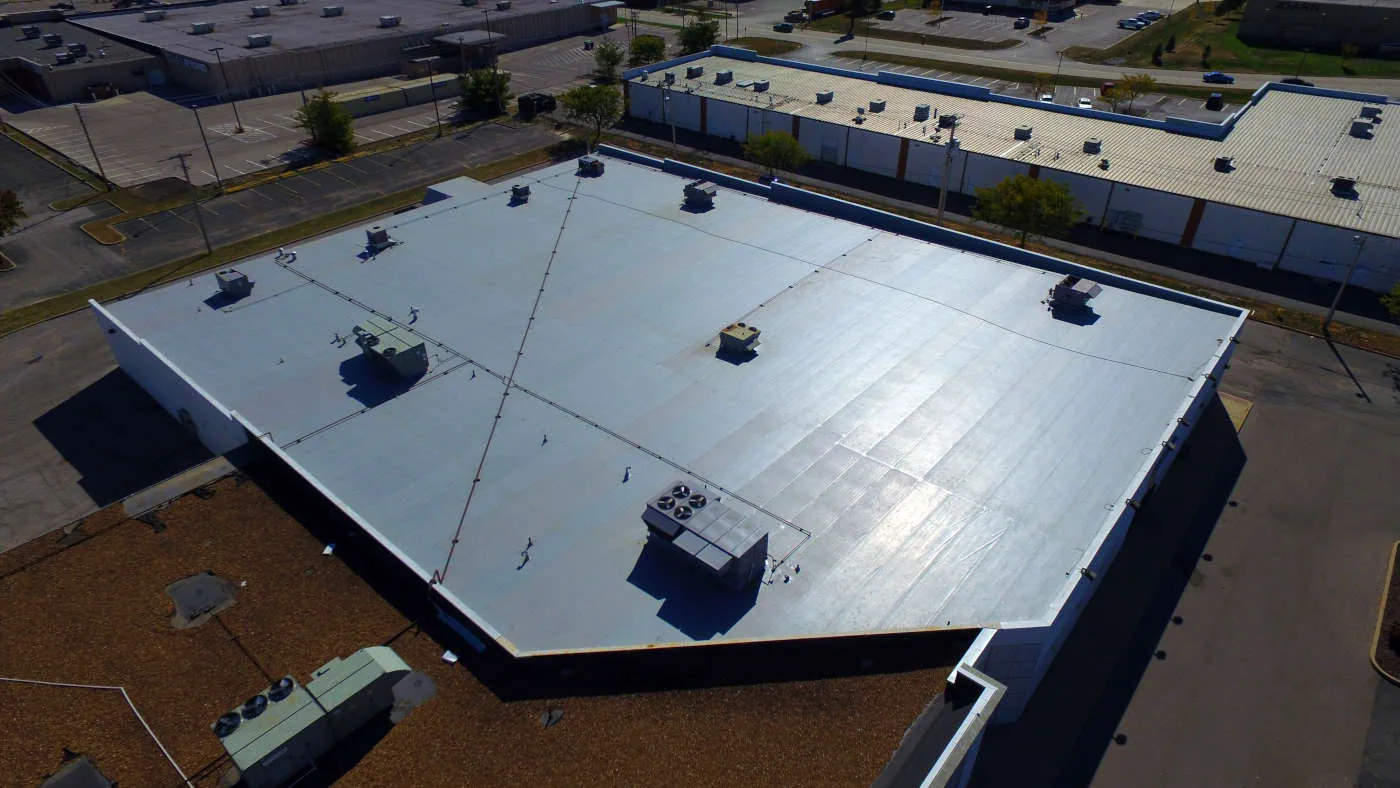
We sort findings into active leak response, localized repair, investigation, restoration, recover evaluation or replacement. A split flashing transition on a sound assembly may need a focused repair. Wet insulation, failing attachment or broad membrane breakdown may change the option and the timing. The scope identifies whether deck repair, new insulation, edge metal, equipment lifts or tenant protection drives cost. If a test controls the amount, we show that item separately until sampling confirms its extent.
A coating can be considered when the roof is dry, attached, prepared and suitable for the specified material. A restoration scope cannot correct a weak deck or cover trapped moisture. A recover review checks existing layers, height, drainage and transitions; full replacement accounts for removal and new assembly. Comparing these options against the field record gives the owner a clear basis for funding a repair now or moving a larger project into design.
Alternates for repair, recover and replacement should use the same measured area and state their exclusions clearly.
Sequence projects around access and operations
Capital timing also depends on how the building is used. We record occupied areas, delivery routes, shutdown authority, crane positions and the time available for each phase. A medical building, a retail tenant and a plant do not share the same access window, even when the roof system is similar. The owner can group work by mobilization efficiency while preserving each address’s roof map, quantities and approval. A phased reroof plan identifies daily tie-ins, dry-in limits and turnover checks before the budget is converted into a construction schedule.
Athens-Clarke County’s locally adopted codes effective in 2026 include the 2024 International Building Code with Georgia Amendments. We record code review as a project input and coordinate the scope with the authority having jurisdiction rather than assuming that an old roof record determines current requirements. A public facility or a building at Athena Industrial Park may also have procurement, loading or operating constraints that change mobilization. Those details belong in the sequence beside the roof work, not as an afterthought.

Account for the work window
Athens has hot, humid summers and frequent thunderstorms, with damaging wind and hail risk in the broader region. We account for forecast holds, material delivery and dry-in at the planning stage. The schedule identifies how much roof can be opened, the protected stopping point and who can pause work. A weather event does not prove the roof needs replacement; a new observation is inspected and logged against that building’s condition record.
We document temporary protection separately, then return to define permanent work after safe access and inspection. This keeps the annual budget from absorbing a short-term stabilization without showing the larger decision still pending. The owner can shift the planned sequence if a test, storm or operational restriction changes the work that can reasonably proceed.
Give each request a decision date
A useful plan says which item needs funding now, what can wait for a scheduled survey and when the owner should revisit a deferred decision. We identify the action owner, records to gather, tests to authorize and approvals needed before bidding. Quantities are tied to a map and scope; assumptions are labeled and reviewed when new evidence becomes available. That lets finance compare priorities without mistaking a rough planning figure for a final proposal.
For several properties, a multi-site program can coordinate surveys and procurement dates, while each asset retains its own work sequence. The portfolio manager can use a due diligence survey before a purchase or refinance, then carry confirmed needs into an annual capital cycle. Contact Commercial Roofing Athens to walk priority buildings, document condition and build a budget path grounded in field findings.
For a reserve study or annual budget meeting, we can separate emergency response, near-term corrective work, investigation and larger construction into distinct line items. The records show the assumptions behind each amount, such as access equipment, tear-off, material staging or occupied-building protection. If those assumptions change, the plan can be updated against new field data instead of carrying an old quantity into another fiscal year. That also gives the facilities lead a short list of decisions to complete before bids are requested.
We can also flag owner decisions that precede a solicitation or tenant notification.
That timing is visible alongside each facility’s access window.
Each capital request should state the planning assumption behind its number: measured roof area, removal quantity, insulation depth, deck allowance, access method and expected work window. Where concealed conditions are uncertain, list a test or a clearly separated contingency instead of blending it into a fixed scope. The decision record can show the consequence of deferring work, the next review date and the approval needed to proceed. This makes the capital plan easier to update when an inspection, tenant change or funding cycle alters the priority.
A budget line can identify the roof area, evidence, expected project sequence and the condition that could change the allowance.
Related Roofing Work
Frequently Asked Questions
Can you set a replacement year for every roof?
We can provide condition, repair needs, test questions and decision timing, but a visual survey alone does not establish a precise remaining-life date. The owner decides funding and risk tolerance.
What is included in a roof capital plan?
The plan can group inspected conditions, repair options, test-dependent quantities, operating constraints, access windows and decision dates by building.
How do you compare repair and replacement?
We tie both options to observed assembly condition, moisture, deck, attachment, drainage and transition details, then explain the cost and timing drivers for each scope.
Can the plan cover a portfolio?
Yes. Survey and budget timing can be coordinated across locations, while maps, quantities, approvals and decisions remain property-specific.
What if new damage appears before the budget cycle?
We inspect the affected zone, document immediate stabilization separately and update the capital record when confirmed findings change the planned scope.