
Commercial Built-Up Roofing in Athens, GA
Home / Roof Systems / Commercial Built-Up Roofing
Commercial Built-Up Roofing
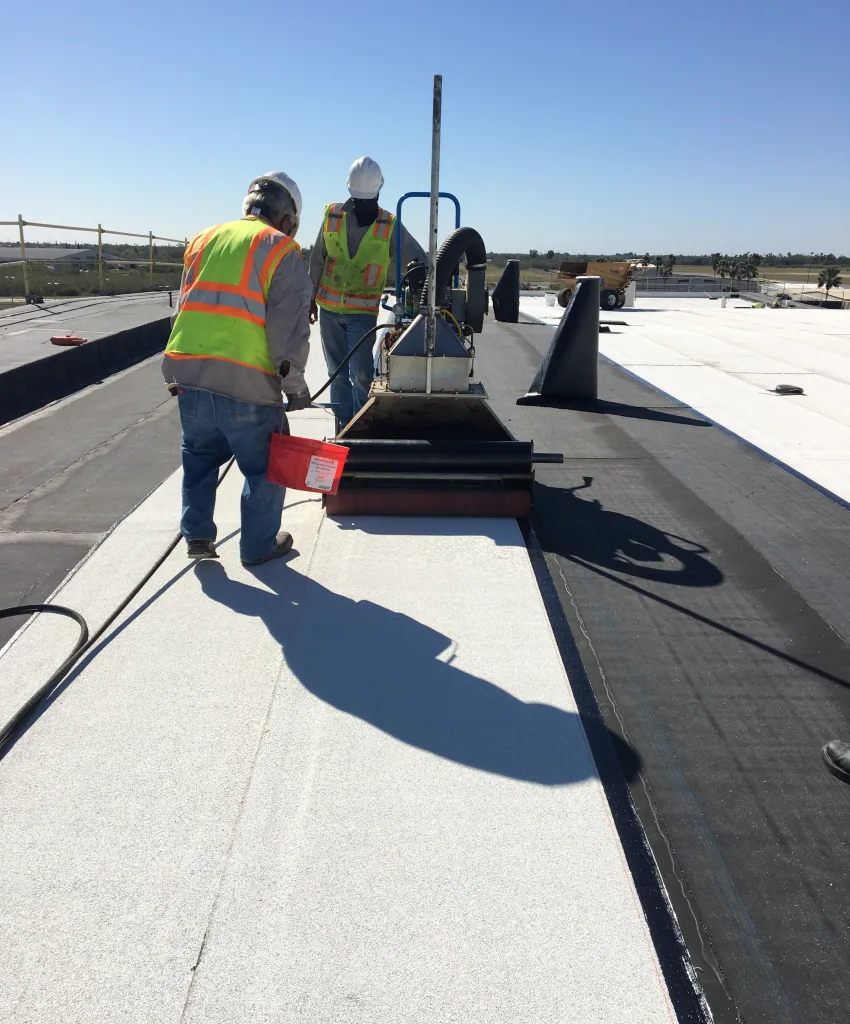
Material delivery and roof access set the first work window for a built-up roofing project. We map the laydown area, crane or hoist route and occupied areas, then inspect the layered asphaltic assembly, drainage and deck before choosing repair, recover or removal. An older office near Downtown Athens and a manufacturing building at Southeast Toyota in Commerce can have different equipment and roof geometry, so each section gets its own access and tie-in plan. The survey traces drains, parapets, curbs and prior patches, recording what is sound and what needs a closer look. A roof condition inspection supports the repair or replacement decision.
Identify the layers before work
At the roof edge or a test location, we examine the visible ply build-up, surfacing and substrate. We look for exposed reinforcement, open seams, blisters, alligatoring, aggregate loss, patch layers and areas where water may have reached the insulation or deck. The surface alone cannot show every concealed condition, so test cuts may be useful when moisture or layer count will change the recommendation. We document test locations and restore each opening using a compatible detail.
A built-up roof can have several plies and a cap sheet or protective surfacing, but the actual assembly varies. The project scope should state the layers being installed or removed, the attachment method and how the new work ties into curbs and walls. If the current roof has multiple existing assemblies, adding another layer may affect height, drains and structural considerations. A recover assessment checks those conditions before covering the existing field.
Before a new BUR system is priced, a test cut can clarify the existing number of plies, insulation condition and deck interface. That evidence affects tear-off quantities, attachment and whether the proposed build-up can meet edge-height and drainage requirements. The specification should state the number and type of plies, interply adhesive or asphalt, surfacing and flashing approach. We photograph representative conditions and compare them with the bid assumptions. If the existing section differs from the expected assembly, the owner can review the cost and schedule impact before additional layers are installed.
Review surfacing and water paths
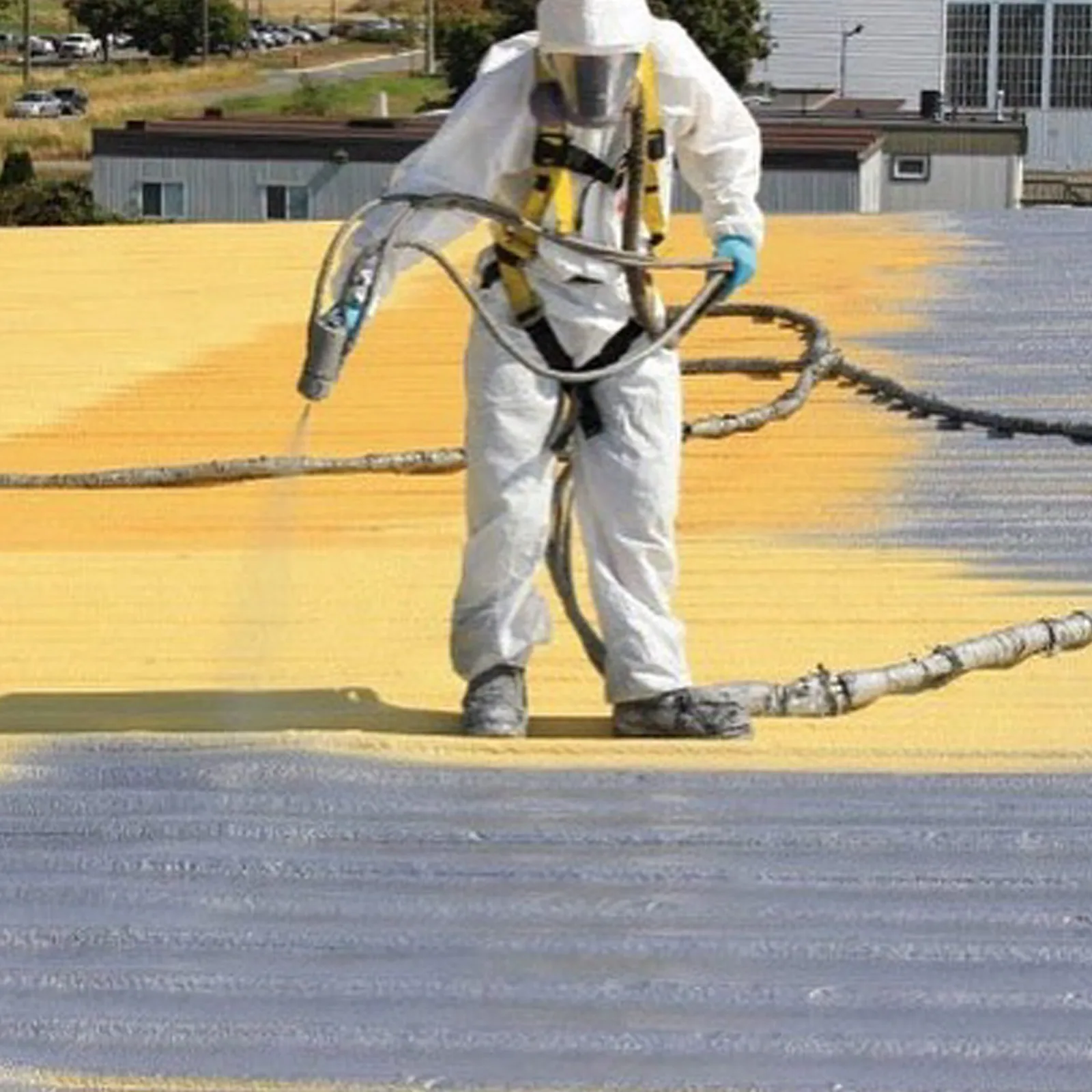
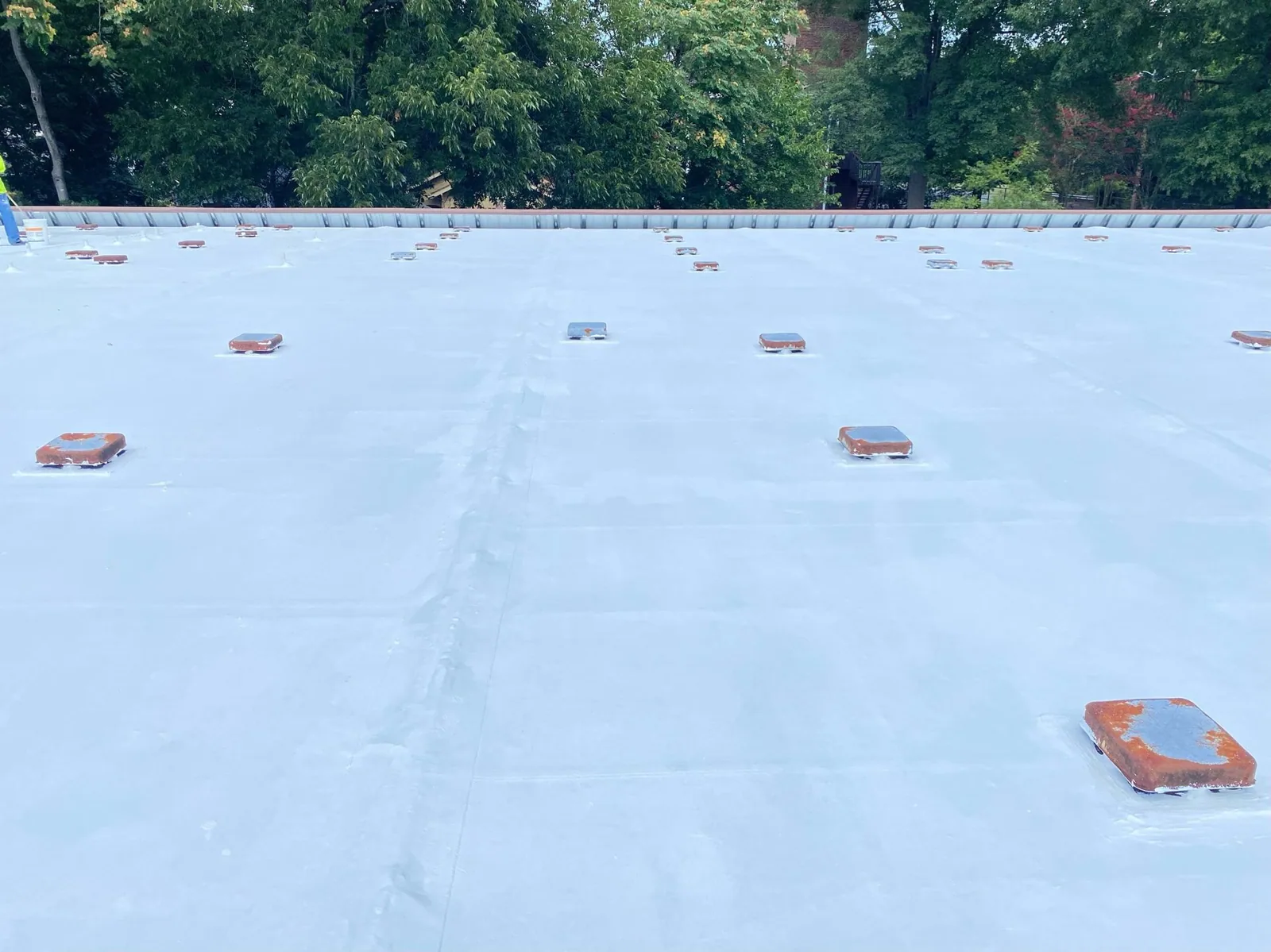
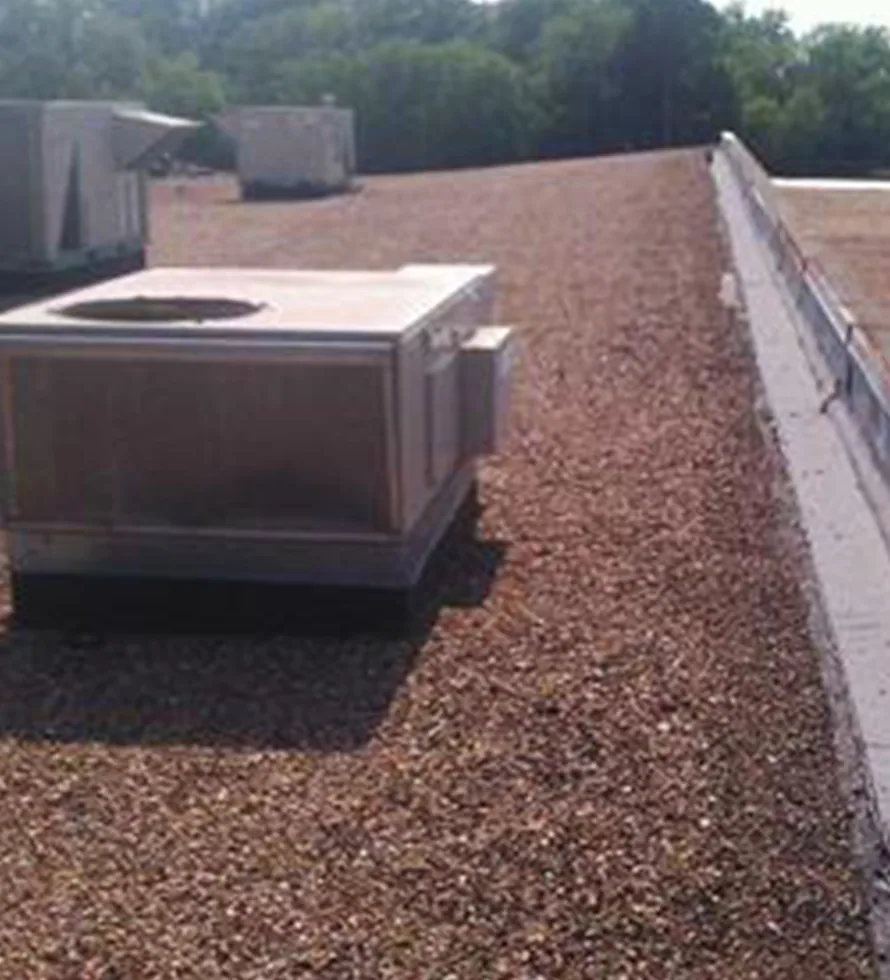
Aggregate surfacing, coatings or a cap sheet protect the roof field in different ways and require different repair preparation. We inspect where granules or aggregate have moved, whether asphalt is exposed, and how the surface transitions at drains and parapets. Loose material should be removed from drains and walk paths, but a clean surface does not by itself prove the plies below are sound. We distinguish maintenance debris from material loss and identify any section needing further review.
Water can travel through a split or open lap and appear away from its entry point. We trace the roof slope, drains, scuppers, curbs and wall transitions when the property reports an interior leak. A drainage check can address outlet function, while a leak investigation connects interior reports to roof evidence. The proposal keeps those findings distinct if more than one condition is present.
Choose the application method
Built-up roofing can be installed with hot asphalt, cold-applied materials or other methods specified for the assembly. The method affects heating equipment, ventilation, fire-prevention procedures, staging and how the building can be occupied during work. We review the product instructions and site requirements before mobilization. If hot-work approval or monitoring is needed, it is identified with the facility contact in advance.
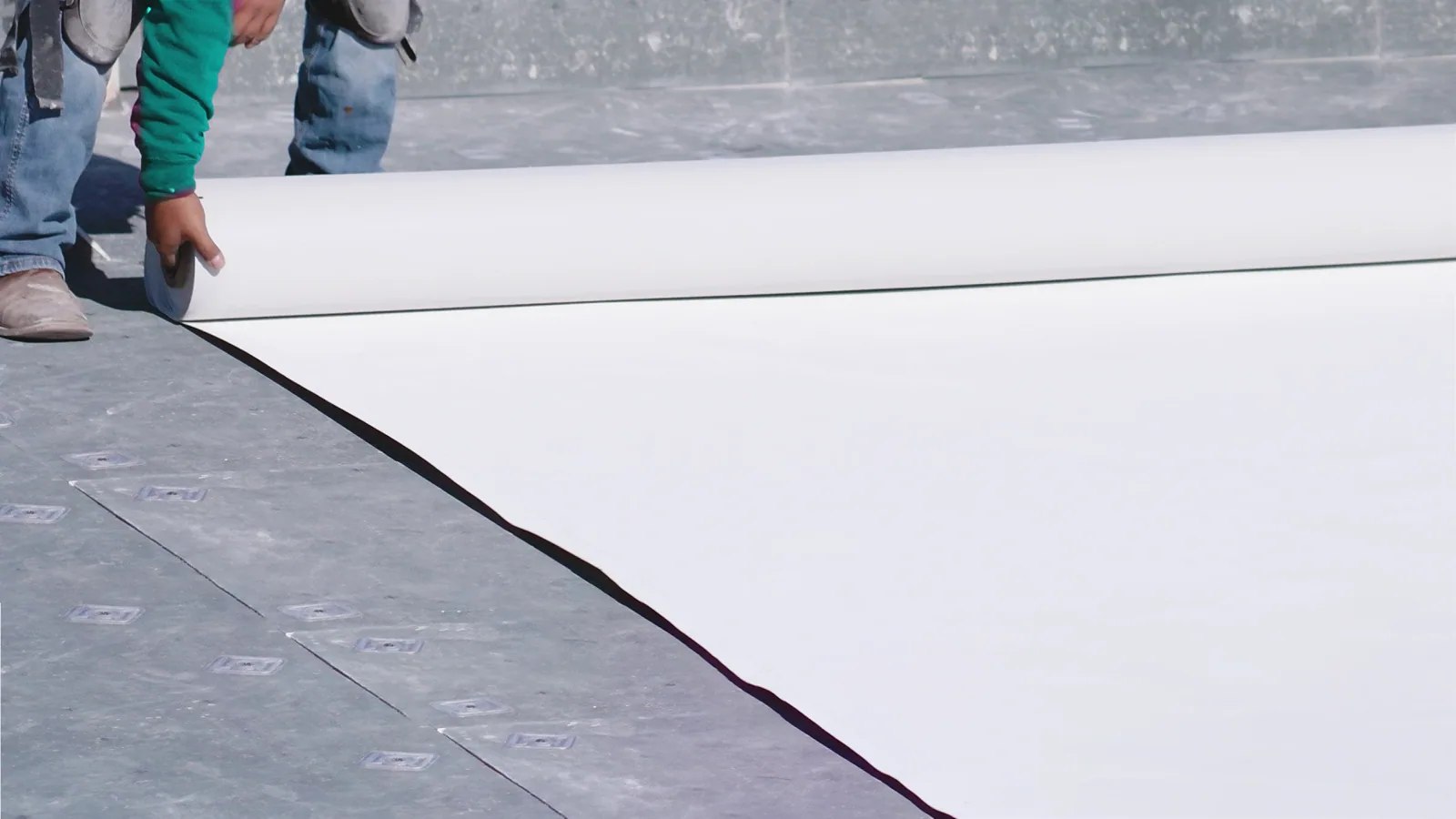
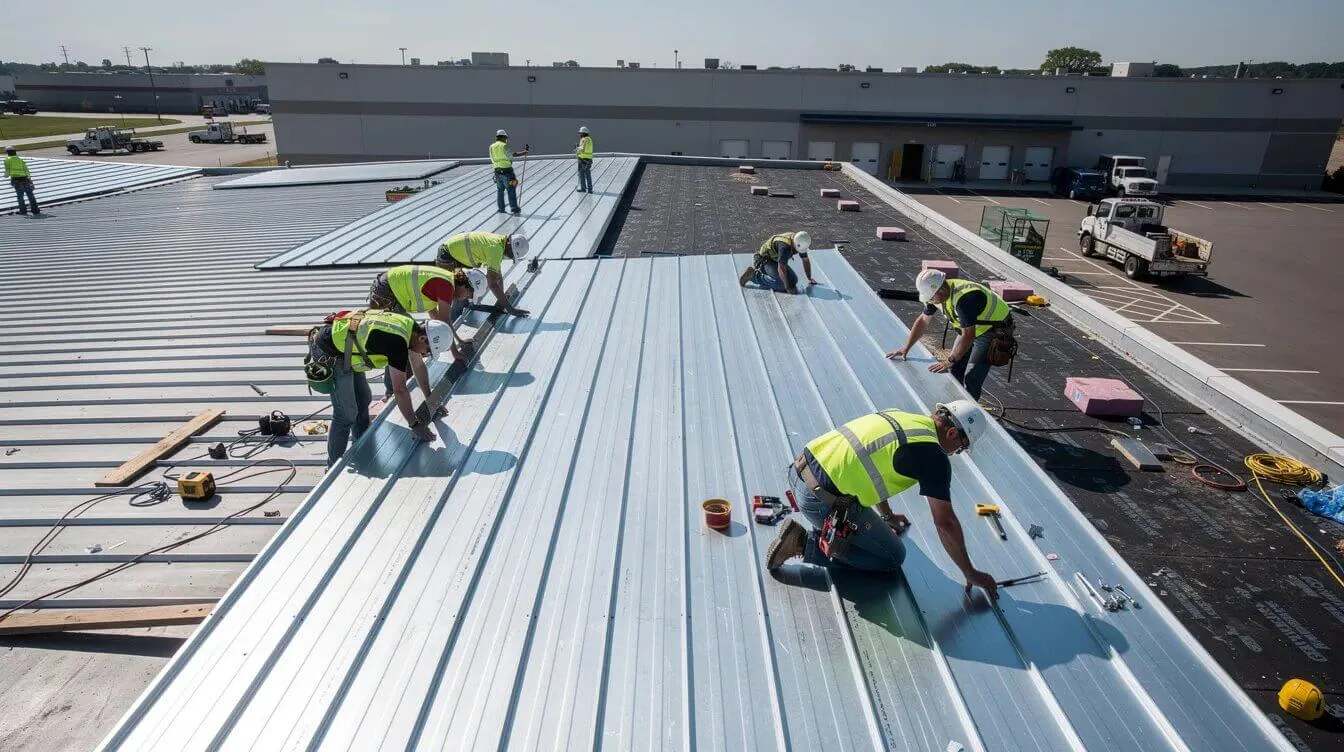
Each ply is placed and bonded in a planned sequence, with laps staggered and flashing details completed before surfacing. The crew inspects adhesion, lap alignment and transitions as layers go down. We size the active area to the crew and weather window so an incomplete section can be protected at the end of the shift. Material delivery, kettle or equipment location, and debris handling are included in the staging plan rather than left for the day of installation.
Plan around Athens weather
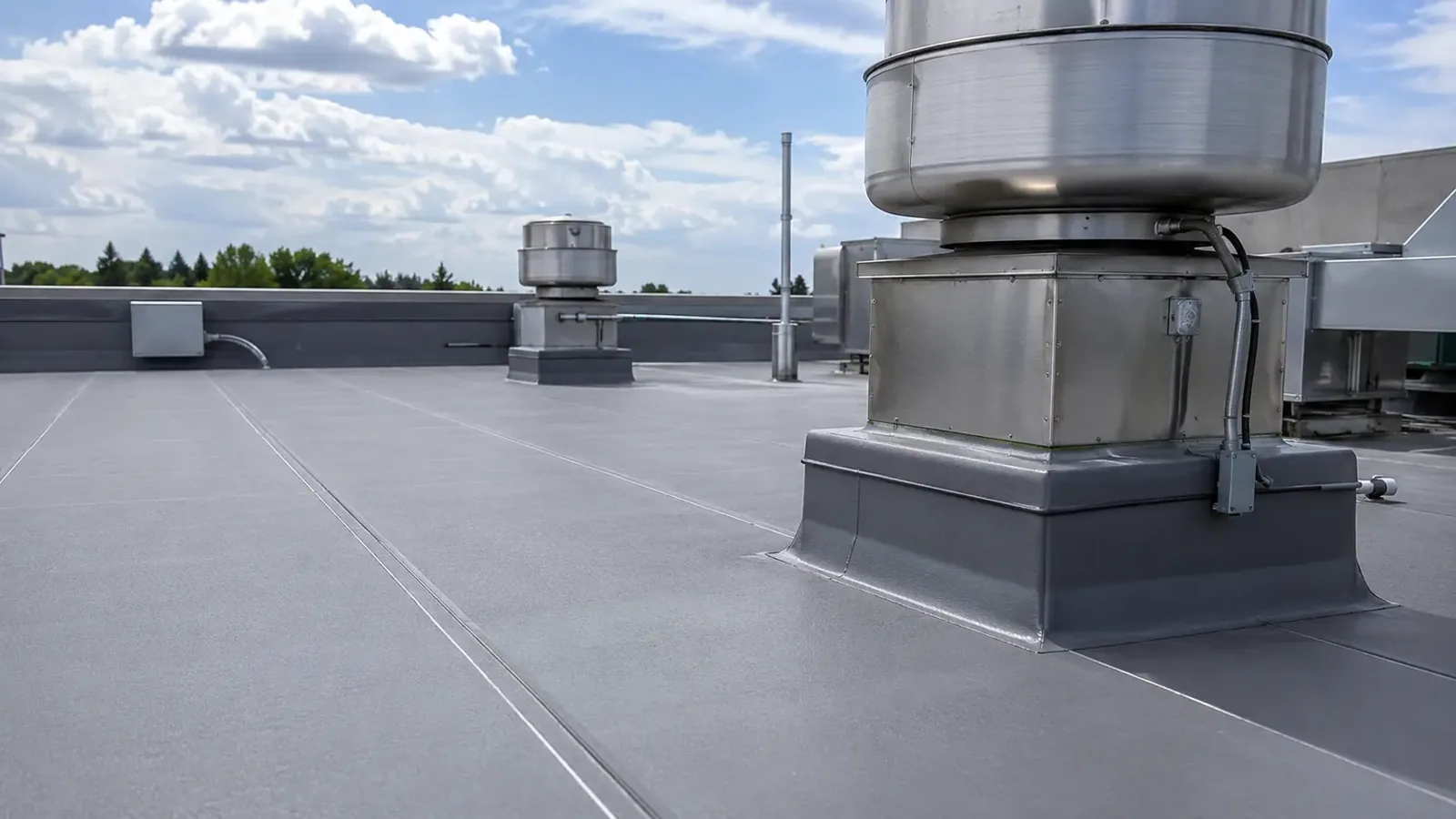
Athens’ humid, hot summers bring frequent thunderstorms, and spring is the main period for many local tornadoes. Moisture at the roof surface affects installation, while wind and rain can interrupt placement of asphaltic layers. We check forecast, material temperatures and substrate condition before opening a section and establish a dry-in point that can be completed in the available window. A weather hold is logged with the area secured and next access window identified.
After a severe event, we inspect the roof for displaced surfacing, punctures and open flashing before planning repairs. The owner may request a storm assessment to document those findings. For a building near the College Station Road commercial corridor, the work route should account for service operations and controlled access; the building contact verifies current site needs.
Compare BUR with other roof systems
Built-up and modified-bitumen systems both use multiple layers, but membrane format, surfacing and application details differ. Single-ply TPO, PVC, KEE and EPDM use other seam approaches. We compare roof geometry, existing assembly, drainage, access, maintenance requirements and project criteria before recommending a system. An owner may also review EPDM or another membrane when its installation conditions suit the building.
Where the built-up roof is sound and compatible, a coating evaluation may be possible after prep and adhesion review. Widespread wet insulation or a weakened deck requires a different approach. If removal is recommended, a replacement scope identifies ply removal, disposal, substrate work and new assembly details. Coating should not conceal unresolved defects or change the roof boundary without documentation.
Define the ply and surfacing scope
Share roof plans, available assembly records, leak reports, past repairs and access requirements. We will identify what can be confirmed at visible edges, where test cuts may be needed and which drains, curbs and parapets affect the work. If the building will remain active, include operating hours and staging limits.
Commercial Roofing Athens can inspect the built-up assembly and prepare a scope by roof section, with materials, application method, flashing and closeout checks stated. Schedule a roof walk to coordinate access, material handling, weather holds and daily turnover before pricing the work.
Frequently Asked Questions
How many layers are in a built-up roof?
The number varies by assembly, and visible edges or test cuts are used to verify what is present. We document the observed plies and surfacing before recommending recover or removal. A roof name or old proposal is not enough to establish current layer count if repairs have changed the build-up.
Can a built-up roof be coated?
A coating may be considered when the existing roof is sound, dry, compatible and prepared according to product instructions. We inspect plies, surfacing, drains and details first. Wet insulation, open defects or a weak deck need correction rather than a coating layer.
Does built-up roofing always use hot asphalt?
No. Application depends on the selected assembly and product instructions, and may involve hot asphalt, cold-applied materials or other specified methods. The method affects staging, safety, ventilation and occupied-building planning, so it belongs in the scope.
What causes blisters in a BUR assembly?
Blisters can result from trapped air or moisture between layers, but the cause should be confirmed at the roof. We inspect the area and surrounding plies, then determine whether opening or testing is needed. The repair should address the condition below the surface, not merely cover the raised area.
Can the building stay open during BUR installation?
Often, with staging, noise, ventilation, material routes and work zones coordinated in advance. The application method and building use affect what controls are needed. The property contact confirms occupied routes, hot-work rules and operating hours for the specific project.