Commercial Roofing Along College Station Road, Athens, GA
Home / Service Areas / College Station Road
College Station Road
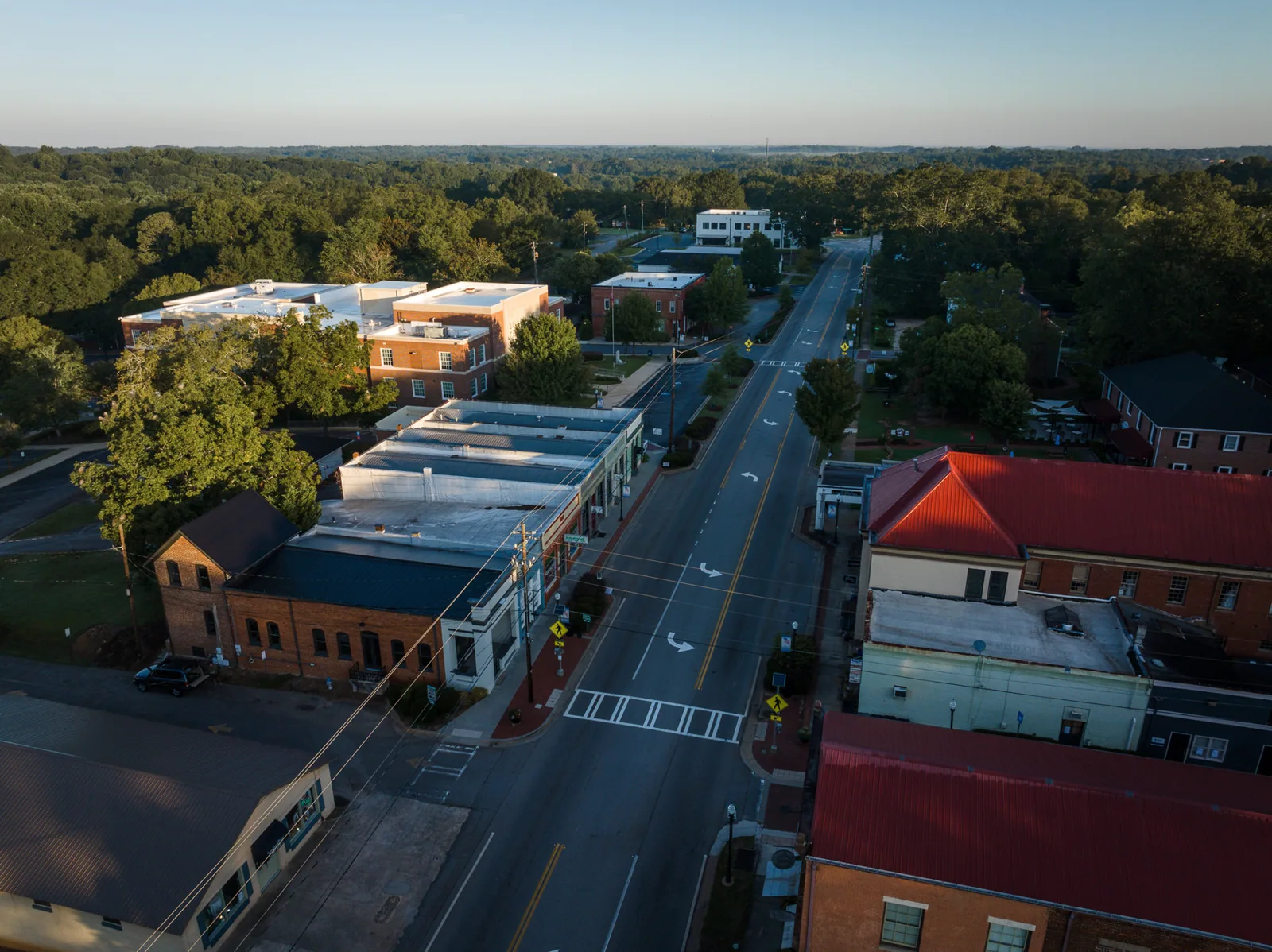
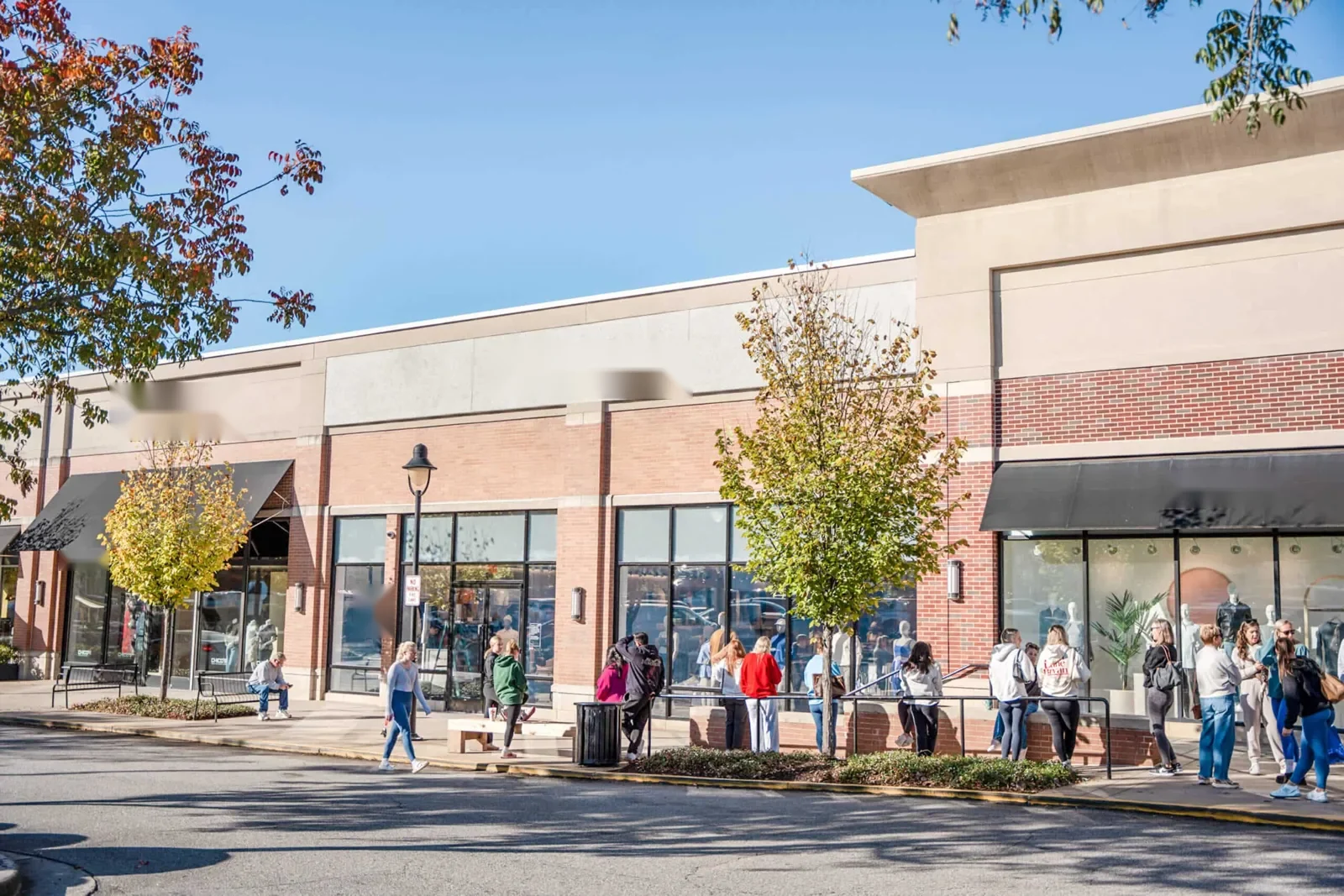
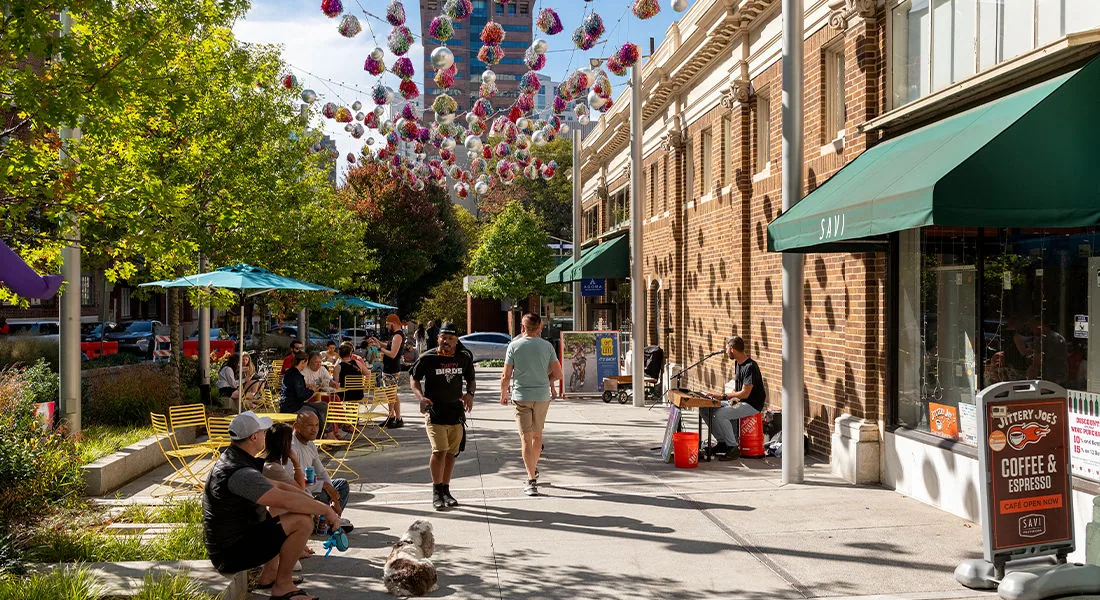
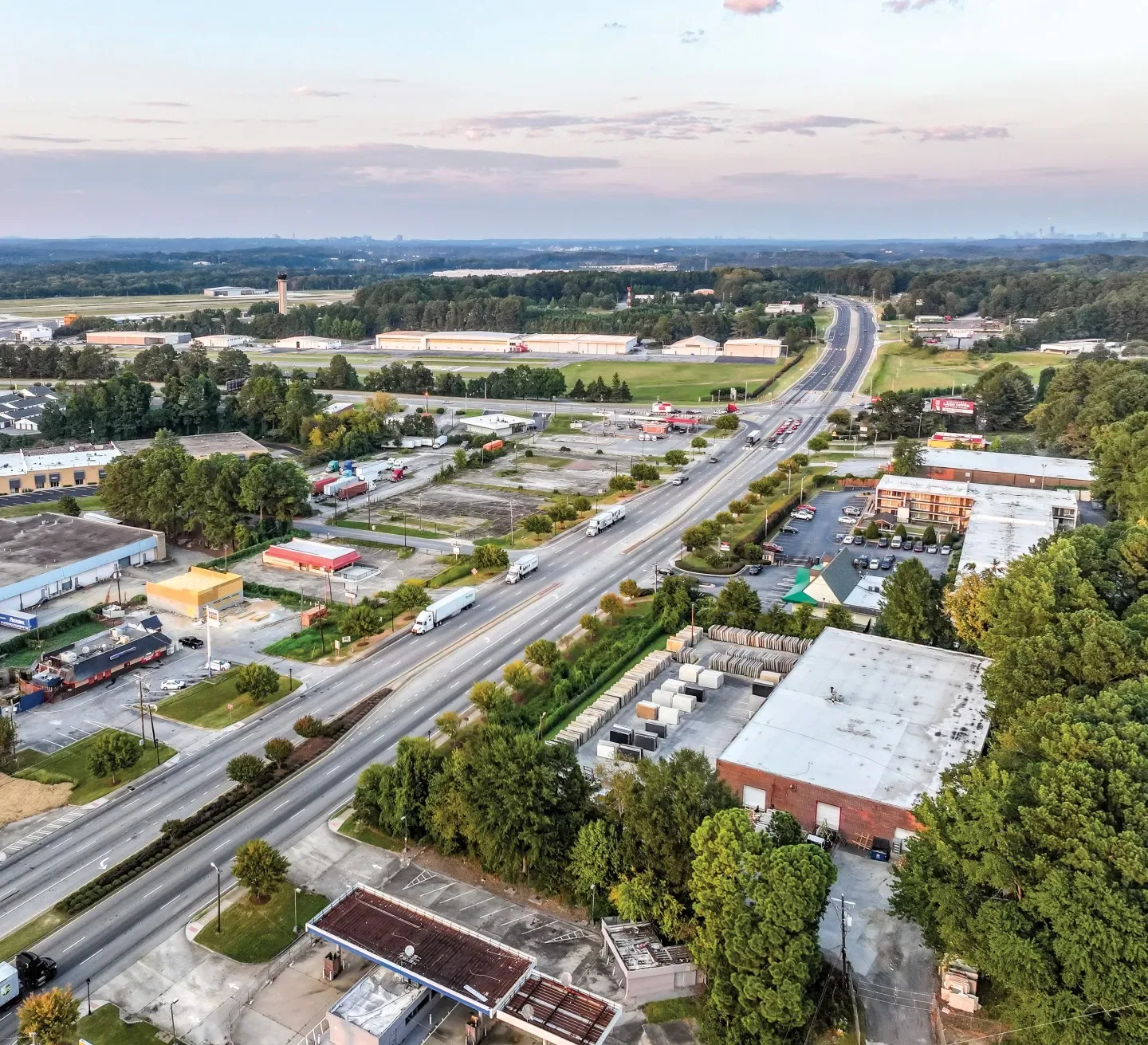
Commercial properties along College Station Road and in East Athens have different roof assemblies, access conditions and operating schedules. College Station Road and Barnett Shoals Road serve neighborhood businesses and employment uses in East Athens. The county-documented Barnett Shoals commercial node includes retail and service uses, while Downtown Athens has different pedestrian and delivery patterns. We identify the specific building, survey its roof and map drains, penetrations, equipment and perimeter details before pricing repair or replacement. At the College Station and Barnett Shoals commercial node, each building needs a delivery plan tied to its actual driveway, gate and unloading area. Athens' warm-season storms make a planned dry-in point essential, while the owner's work window determines how each section is phased.
A roof survey checks the assembly and drainage before a contractor sets quantities; a work plan then ties inspected roof zones to tenant access, equipment clearances and daily turnover. We coordinate with the property manager, document the approved staging area and set an open-roof limit before work starts. Those steps help offices, retail, service businesses and other commercial buildings along College Station Road without assuming every roof or operating schedule is alike.
Confirm the building and access plan
Before dispatch, we record the property address, building name and roof-access contact. The contact sets check-in, escort rules, service access, delivery windows and any areas that must remain restricted. We confirm the route from the approved entry to the roof, then mark where equipment and materials can be staged without blocking staff, customers or service movement. A crane pick or lift has a separate setup plan and pedestrian control. The work order names the person who can approve a temporary closure or release a completed area.
College Station Road properties connect with the wider East Athens street network, but the truck still needs a property-level approach. The field lead checks turning space, overhead clearance, gate width and the distance from unloading to the roof-access point. If a property shares parking or a drive with neighboring tenants, the manager identifies the route that must remain open and the place where materials can wait. We carry the current site instruction into the mobilization plan and reconfirm it before material arrives.
Inspect roof zones before setting quantities
The roof walk records seams, laps, patches, membrane surface, drains, scuppers, edge metal, curbs, wall transitions and penetrations. Photos are assigned to roof zones so facilities can connect a condition to the building and detail. We trace likely water paths from observed openings, while treating interior staining as a clue rather than a confirmed entry point. If moisture below the membrane or concealed deck deterioration is suspected, we mark the area for testing and state what the result would change. Existing layers and attachment are checked before recommending recover. A commercial roof inspection establishes the visible condition; a condition report records what is confirmed and what remains inaccessible. If a targeted survey or test cut is required, the scope names the location, access needed and follow-up decision. That lets the facility compare a measured repair with broader work without carrying an unverified assumption into the price.
Price only the condition that is established
A localized leak may come from a seam, penetration or flashing that can be repaired if the nearby membrane and substrate remain sound. Widespread wet insulation, recurring failures or a compromised deck can support a replacement scope instead. Recover requires a check of layer count, attachment, drainage, edge height and code requirements; a coating needs a compatible, sufficiently dry surface. We show the finding behind each option and identify any test that could change quantities. Cost and timing depend on measured area, removal depth, disposal, insulation, deck repair, equipment coordination, access and protection below. A targeted repair can stabilize a confirmed defect. If the roof has broader deterioration, replacement planning identifies removal, tie-ins and occupied-area coordination before the scope is approved. The estimate separates temporary work from permanent work and records the decision point for concealed conditions.
Protect occupied operations during construction
We divide the roof into phases tied to the building access and the rooms or functions below. The facility contact approves noise windows, notices, protection and any equipment interruption before the crew begins. Material delivery is scheduled for the section that can receive it, and the laydown area stays clear of service circulation. The crew removes only an area it can dry in, installs the approved assembly and checks drains, curbs and wall transitions before handing that phase back. The field lead records the finished boundary and any open item before the next section connects.
For a retail or office property, that sequence can keep a customer entry, loading door or staff route in service while work moves overhead. We plan pedestrian protection where a lift or debris path crosses a public area, and the contact identifies who can approve a short route change. If a test reveals a different deck condition, the crew secures the limit and waits for direction on the changed scope. An occupied-building sequence coordinates access and turnover, while equipment curb coordination assigns service clearances before membrane is closed around a unit. Daily cleanup and route checks stay part of the same phase.
Keep weather from expanding the open area
Warm-season thunderstorms occur often in Athens, so the plan sets an open-roof limit and dry-in point before removal starts. We stage temporary protection, name the weather-hold contact and check conditions while the work proceeds. If rain, lightning or wind reaches the area, work stops when access becomes unsafe; the crew protects the exposed boundary where conditions permit and reports what is secure. The next mobilization window is revised after the field lead confirms the roof condition. Spring and summer storms can tighten the dry-in window, so we phase roof work so each exposed section can be protected within the shift.
If the facility reports impact, we inspect the membrane, penetrations, edges and drainage and record actual findings before permanent repair. An active opening may receive emergency stabilization; any later replacement or repair scope remains based on the inspection. The site contact receives a handoff identifying temporary protection, open areas and the next safe action. Along this commercial corridor, customer traffic, shared parking and service vehicles can affect roof access. The owner confirms a staging point before mobilization.
Tie photos and decisions to the building
At turnover, we check seams, transitions, curbs and drains, then attach photos to a roof map and the confirmed building name. The record lists completed work, material details available from approved documents, inaccessible areas and any test or decision that remains open. Temporary protection is separated from permanent repair, and the facility contact receives the next phase boundary if work continues. This building-level record helps property teams compare roofs across a portfolio without mixing one site's maintenance history with another's.
East Athens businesses can use the closeout to plan future work around Lexington Road access, eastbound U.S. 78 movement or the site's own delivery schedule. Facilities can retain photos and repair history in a roof asset record for future planning. The next inspection can begin with the roof zones, repairs and unresolved tests from the prior visit. Contact Commercial Roofing Athens to schedule a roof walk at the confirmed building and establish access, staging and weather-sensitive work windows.
Frequently Asked Questions
How do you plan roofing along College Station Road?
We confirm the property address, roof-access contact, delivery route and staging point for each building. The scope is based on that roof’s assembly and operating constraints.
Do commercial roofs in East Athens share one roof type?
No. We identify the installed membrane or panel system, drainage, penetrations and concealed conditions during the survey before selecting repair or replacement details.
How do you protect businesses during reroofing?
The property contact sets notices, customer or staff routes, noise windows and equipment limits. Each phase has a defined opening, dry-in point and turnover check.
Can a wet area be repaired without replacing the whole roof?
That depends on the confirmed extent, nearby attachment and deck condition. We test suspected moisture, map the result and compare a local repair with broader replacement.
What is included in the closeout?
Photos tied to the building and roof zone, completed work, open tests, inaccessible areas and the next action. Temporary protection is labeled separately from permanent work.