Commercial Roofing in East Athens and Barnett Shoals Road, GA
Home / Service Areas / East Athens and Barnett Shoals Road
East Athens and Barnett Shoals Road
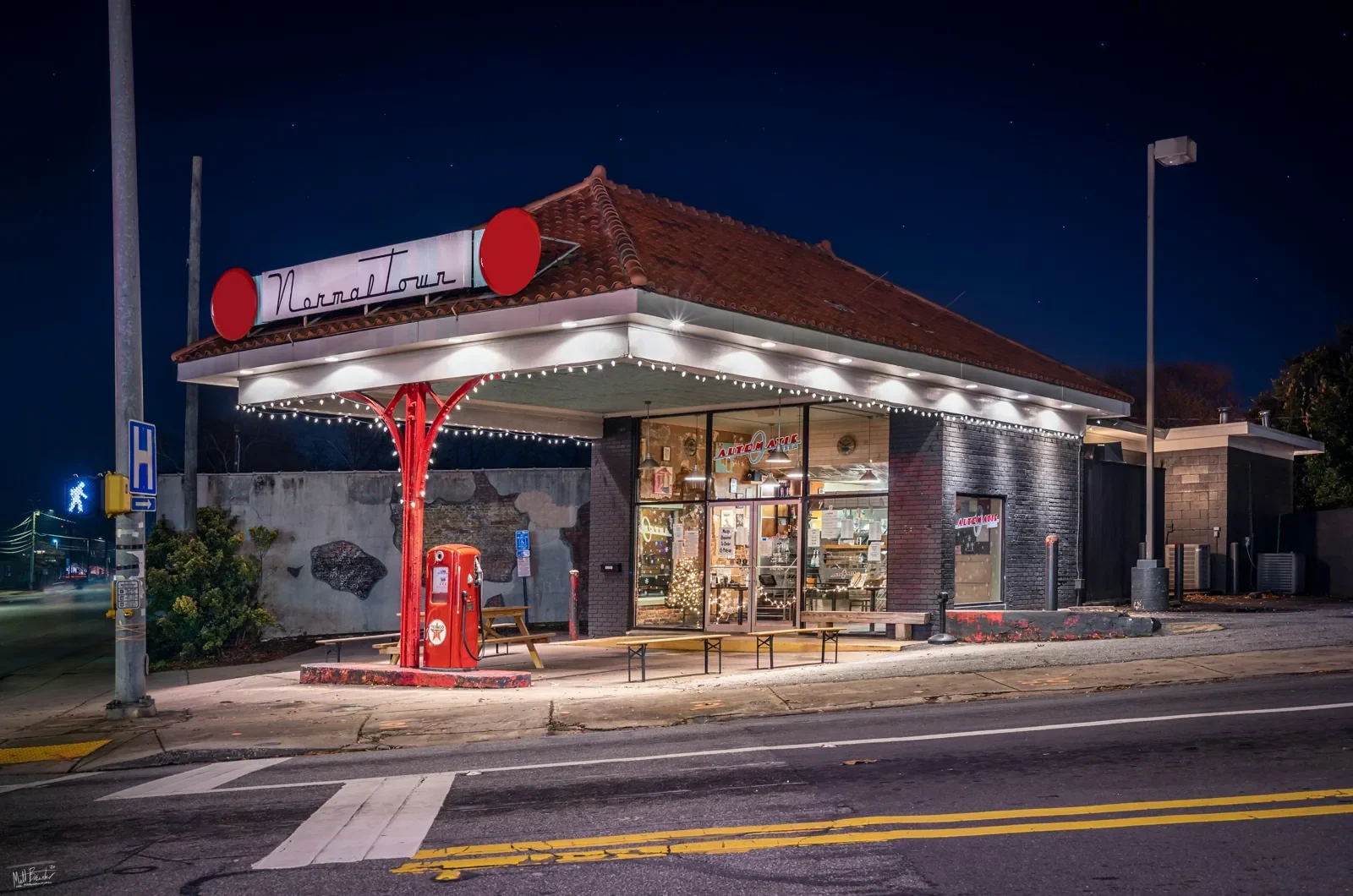
Retail deliveries and customer access set the first roofing window along Barnett Shoals Road in East Athens. Along Barnett Shoals Road, the College Station Road node brings grocery, strip retail, restaurants, storage and vehicle-service businesses into a connected commercial stretch. The Barnett Shoals and College Station redevelopment includes a 116,274-square-foot grocery building and a 36,410-square-foot retail strip center; we coordinate roof access with the selected property’s receiving and tenant contacts. We confirm the selected property and its operating contact, then inspect the assembly and map the route, staging point and work zone. In Athens, hot humid summers and frequent warm-season storms influence exposed-area limits and material delivery. The property manager receives a phased sequence that protects tenant movement, sets the dry-in point and identifies who can call a weather hold before tear-off begins.
Separate customer routes from roof staging
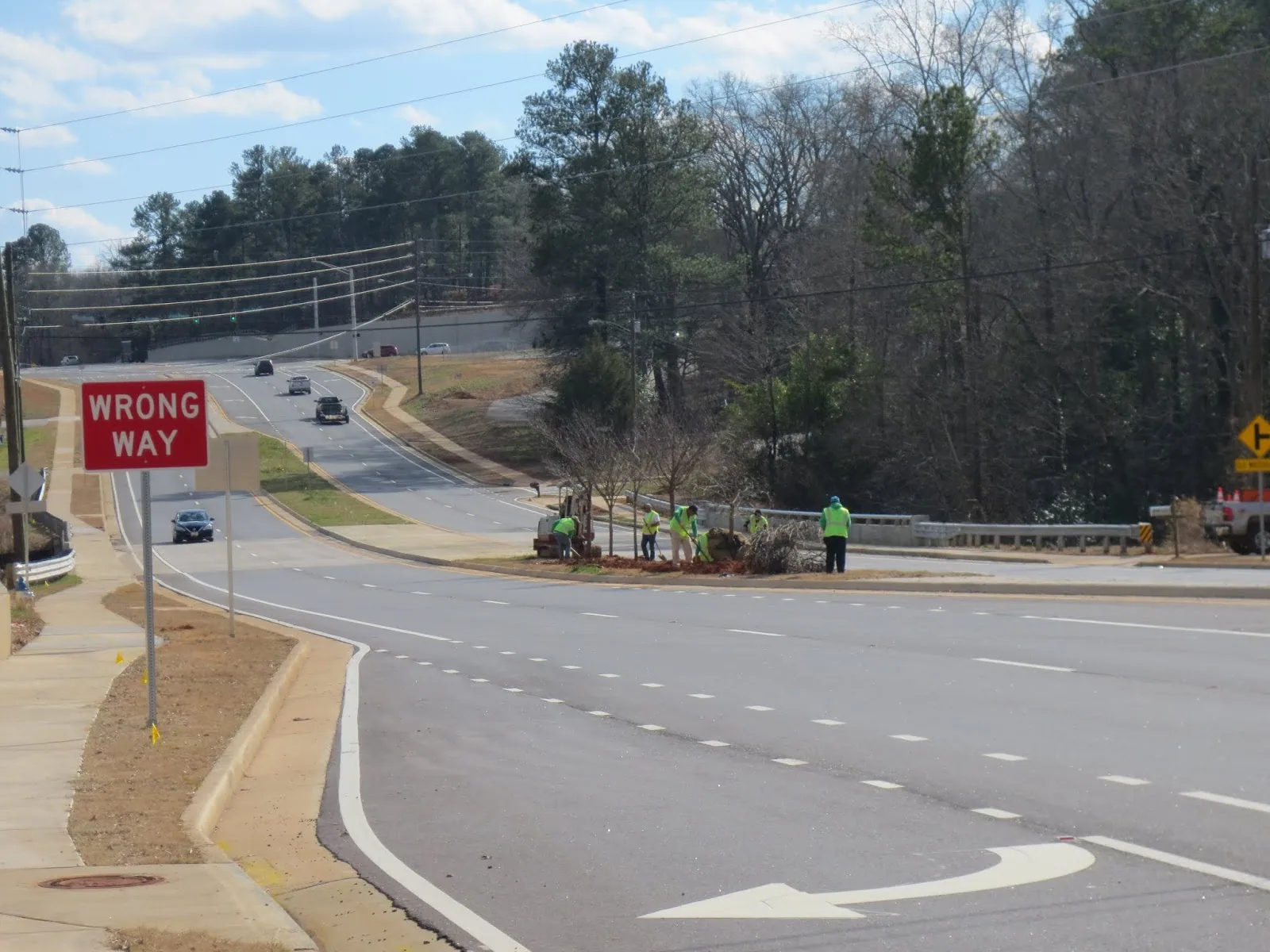
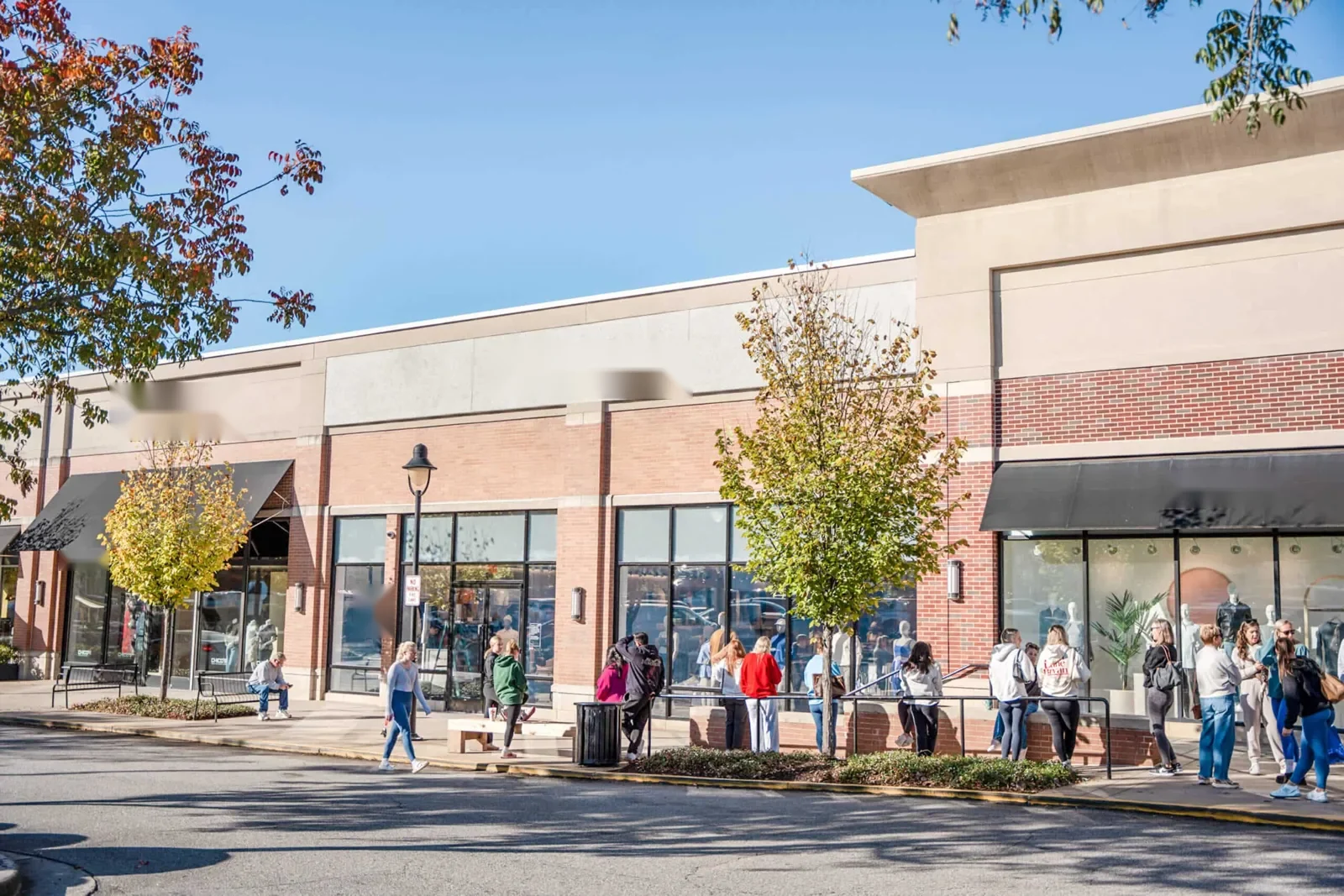
A grocery entrance, restaurant service path and vehicle-service bay have different movement needs. The property contact identifies active doors, receiving windows, parking circulation and any area where a lift or crane pick could cross customer access. We select a laydown area that keeps membrane and insulation secure without blocking fire access, loading or storm drains. The crew’s route is marked and the ground is checked during daily cleanup. A vehicle-oriented use may require coordination around service bays or deliveries, but the exact hours and restrictions come from the building contact. The Barnett Shoals and College Station node includes grocery and retail space; we confirm current entrances, tenant contacts and receiving hours before planning roof work. Nearby College Station Road commercial corridor and Athens-Clarke County commercial area have separate operating contacts. We keep each property’s access instructions tied to the address on the work order.
Measure the assembly at the selected address
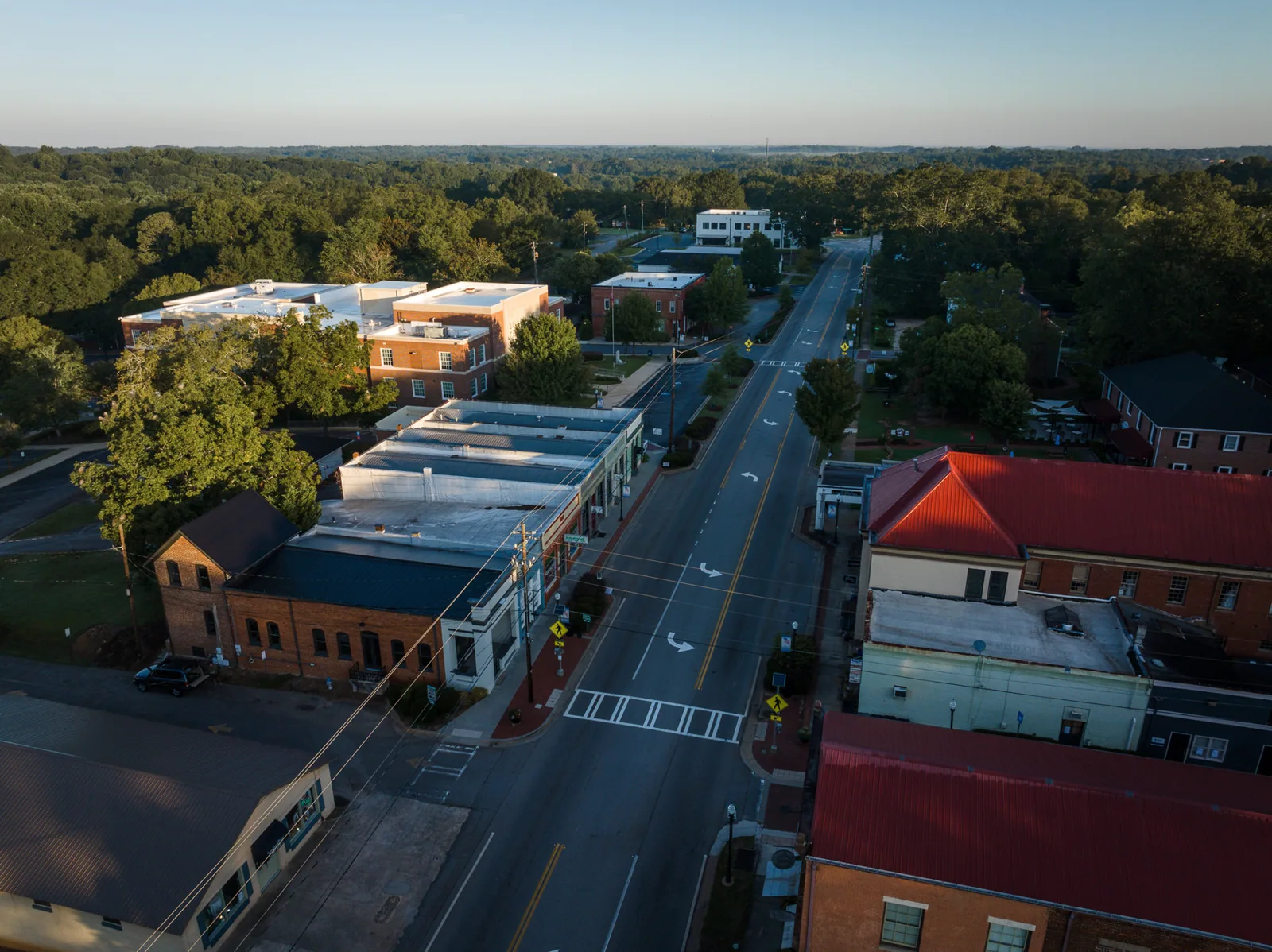
The roof walk records membrane, seams, patches, perimeter metal, parapet transitions, penetrations, equipment curbs, drains and scuppers. We photograph defects by roof zone and record whether a condition is isolated or repeated. Interior water marks guide the inspection but do not identify the entry detail by themselves. If moisture below the membrane, attachment or deck condition remains concealed, we recommend a test cut or targeted survey before adding removal to a fixed quantity. We also verify existing layers and edge height before considering a recover. A commercial roof inspection documents accessible details, and a capital scope record distinguishes observed items from required testing. We measure roof planes, drainage, curbs and perimeter details on site before estimating material. The scope uses field dimensions, actual details and the owner’s access restrictions to set labor and material quantities.
Match the repair to the failure
A local seam or flashing issue can be repaired if surrounding membrane and substrate remain sound. If water has reached insulation across several sections, attachment is failing or the deck is damaged, broader replacement may be more appropriate. Recover depends on layer count, moisture, deck, drainage and edge height. Coatings require a compatible and adequately dry surface. We explain the evidence and compare cost drivers such as measured area, tear-off, disposal, insulation, deck work, equipment moves, drain details and staging. A concealed condition is listed with the test needed to resolve it. A confirmed defect may call for targeted roof repair; a widespread assembly issue may call for replacement or restoration after inspection. The written proposal states what work is included and which condition could change quantities after opening.
Stage work to keep businesses operating
The sequence groups work into roof sections that can be opened and dried in during a planned shift. Before mobilization, the manager approves tenant notices, noise windows, delivery access, protection below and any equipment interruption. The crew removes only the area that can be secured, installs the selected assembly and checks drains, walls and penetrations before the phase is released. Material arrives as the work area is ready, not as unsecured stock that occupies a shared roof. If the deck differs from inspection findings, the field lead protects the open edge, photographs the condition and waits for approval on the revised detail. A phased occupied-site plan records each tenant handoff, while drain and scupper work is sequenced so outlets are functional before the next section begins. The property contact receives updates before any move that changes a customer route or service window.
For a roof that serves more than one storefront, map the tenant spaces, loading point and shared drainage before dividing the job into phases. A property manager can identify which business approves access and which service route cannot be blocked during deliveries. We confirm whether the work is above active sales, storage or vehicle-service areas, then set notice and protection requirements with the site contact. Each phase closes with a dry-in check and photos tied to the building, giving facilities staff a clear record for maintenance across East Athens.
Set the stop point before weather arrives
Athens summer storms can compress a roof shift, so the work plan names the last section that may be opened and the surface that must be sealed before crews leave. The manager selects the person who can suspend work and receives the forecast check. Materials stay secured; if lightning, heavy rain or unsafe wind arrives, the lead stops, protects what is exposed where possible and reports the boundary. The next delivery time is reset with the property contact after the roof is safe to access. Spring and summer storms can shorten a Barnett Shoals work window, so we set a protected stopping point before tear-off. After a reported event, we inspect the actual seams, edge metal, penetrations and drainage and photograph observed conditions. Wind-related repair work is scoped from those findings, with temporary protection kept separate from the permanent repair.
Give ownership a record by roof zone
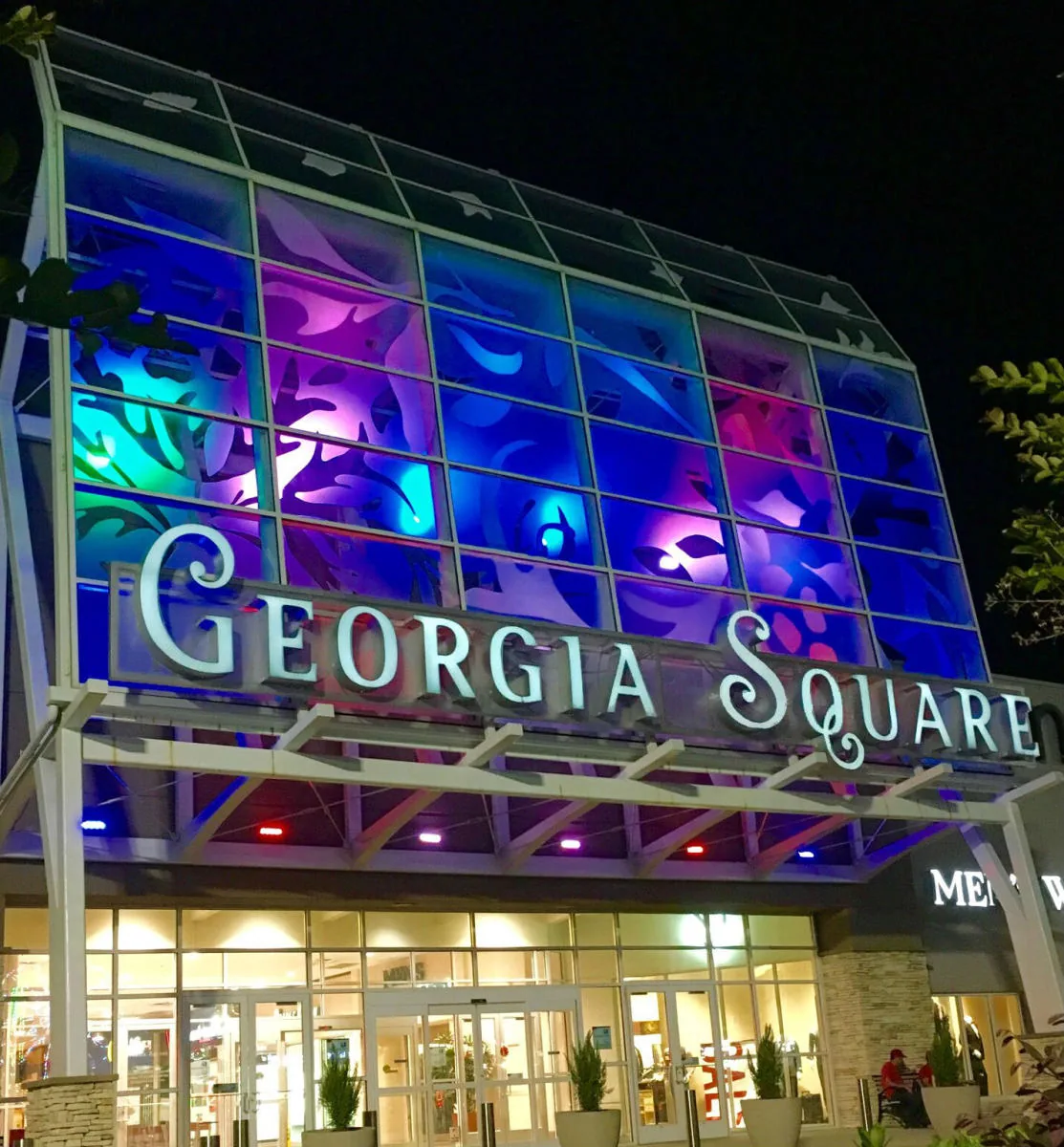
At turnover, we inspect completed seams, transitions, curbs and drainage, then tie photographs to the roof map. The record records work performed, materials identified from approved documents, any tests pending and areas that remained inaccessible. Temporary protection is labeled separately from permanent repair. The manager confirms the delivery path and customer routes are clear before barriers are removed. If later phases remain, we mark the completed tie-in and next work boundary so another shift can resume from a known point. This matters across a corridor where grocery, storage, vehicle-service and restaurant operations may vary by property. For related work near Georgia Square Mall, the property’s actual retail route and contact are confirmed separately. Contact Commercial Roofing Athens to arrange a roof walk, confirm the building and set the access, staging and weather plan before pricing.
Related Roofing Work
Frequently Asked Questions
Are the published grocery and retail square feet roof measurements?
No. Those figures describe building area in a redevelopment program. We measure the roof and inspect its current assembly before setting quantities.
How do you protect customer access along Barnett Shoals?
The property contact approves entrances, deliveries and lift zones. We mark the pedestrian route and stage materials outside required access before the crew starts.
Does the corridor listing tell you what roof system is installed?
No. We inspect the specific property and record membrane, layers, drainage and details. A building use does not establish roof construction.
What if concealed moisture is found after tear-off?
We secure the section, document the extent and identify the added removal or replacement detail. Work beyond the approved scope waits for owner direction.
When can the next roof section begin?
After the completed area is inspected, dried in and released, and after the next access and delivery window is confirmed with the property contact.