Commercial PVC Roofing in Athens, GA
Home / Roof Systems / Commercial PVC Roofing
Commercial PVC Roofing
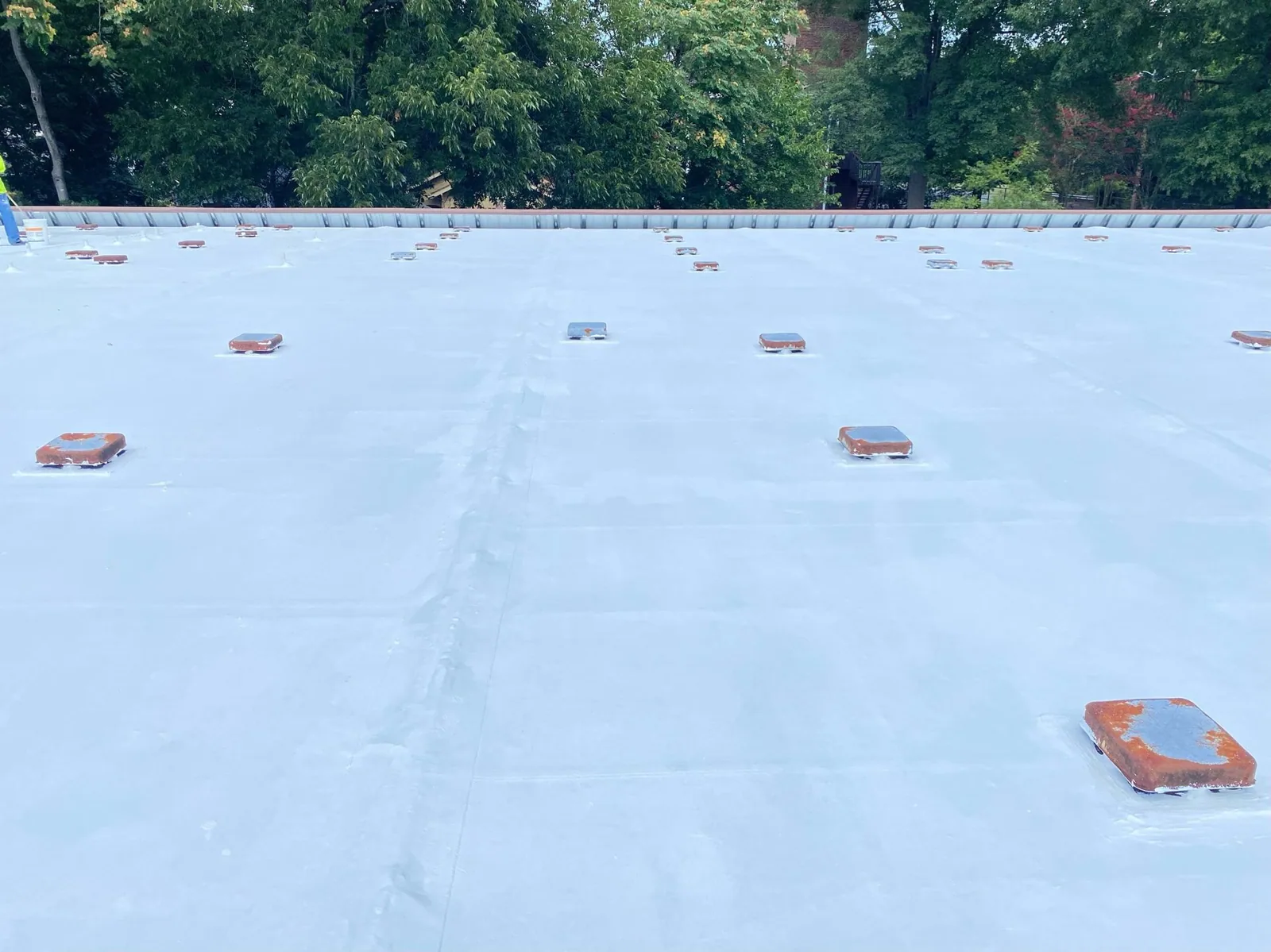
Kitchen exhaust, process discharge and rooftop equipment can expose a roof to conditions that deserve a closer system review. PVC is a heat-welded single-ply membrane considered on some commercial roofs, but the correct choice depends on the building’s use, existing assembly and project specification. Athens includes food-processing and manufacturing employers such as Pilgrim’s and Carrier Transicold, alongside retail and university properties. Each roof has its own exposure and details, so we inspect the substrate, drainage, curbs and transitions before pricing a PVC assembly. A condition inspection establishes what is present and what needs correction first.
Match the membrane to the exposure
PVC membrane is formulated for commercial roofing and joined at seams with hot-air welding. Its suitability depends on the exposure, roof layout, substrate and manufacturer requirements. If grease, oils or process materials may reach the roof, the owner should trace the water path and expected contact so the design team can verify compatibility. The facility contact identifies process or exhaust materials that could reach the roof, and we compare that information with field conditions and product requirements. A site inspection and project information determine whether PVC, TPO, KEE or another assembly belongs in the comparison.
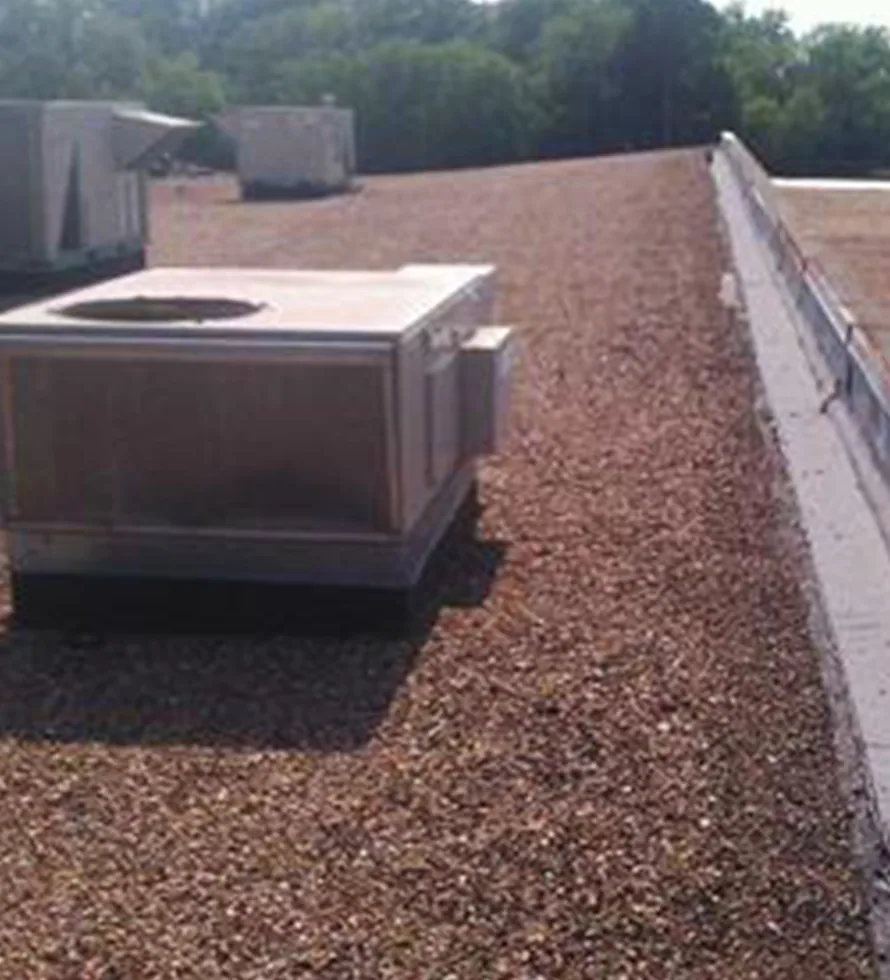
We inspect existing membrane and document areas that are brittle, split, stained, patched or wet. If a chemical release or exhaust path has affected a section, we record the observed location and ask for safety information before handling residue. Roof drains and scuppers are checked for a clear discharge path, while rooftop units and piping are reviewed for leaks or condensate. A drainage assessment may be needed if ponding or blocked outlets are part of the condition.
Choose the substrate and attachment
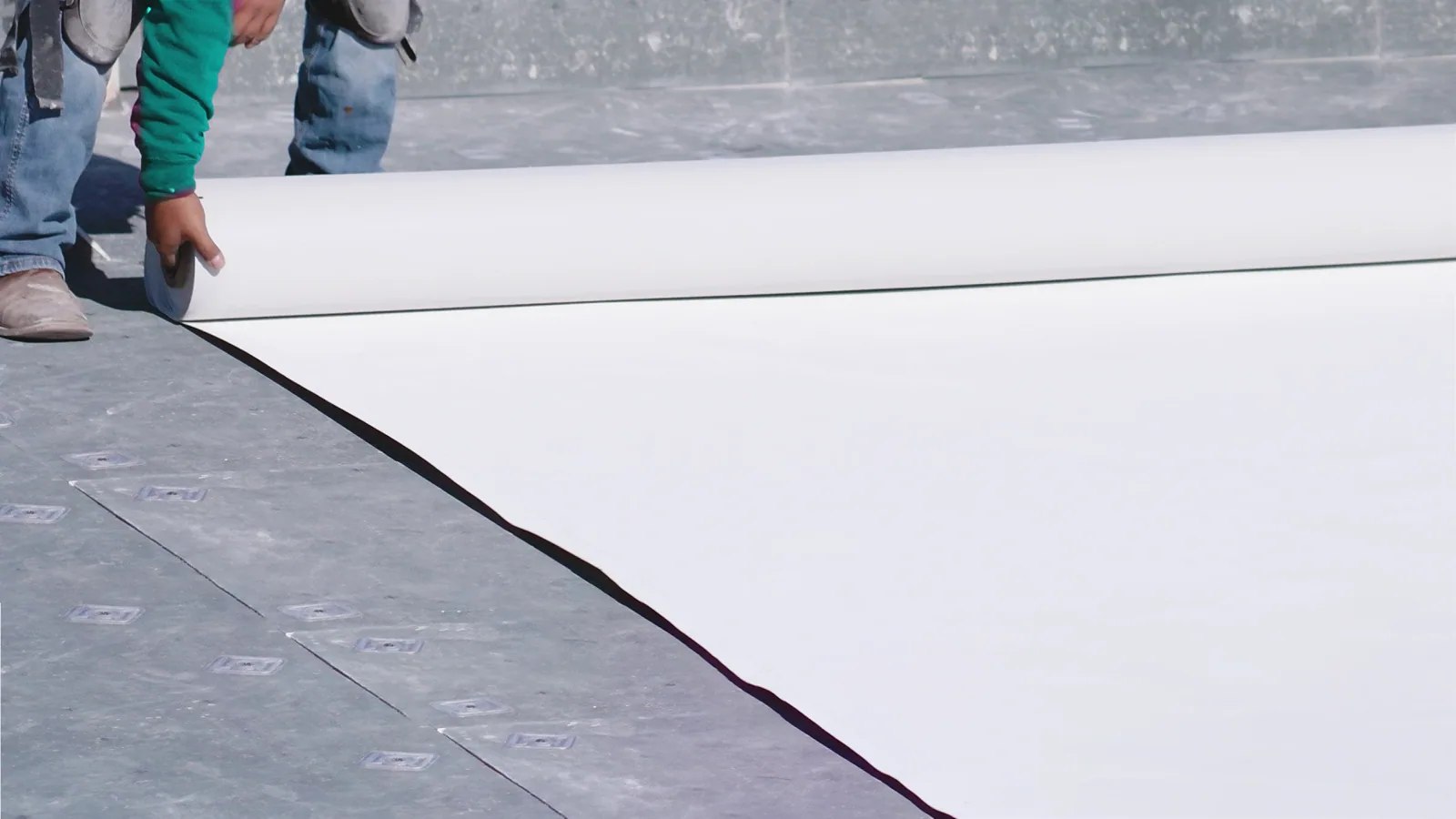
A PVC system is installed over a substrate and insulation package suitable for the deck and project. We review existing layers, deck condition, fastening zones, perimeter requirements and the finished elevation at drains and curbs. If the roof is being recovered, moisture and existing layer count must be considered before an overlay is specified. Wet insulation or unstable material should be removed or addressed rather than concealed beneath a new sheet.
The proposal identifies membrane type and thickness, attachment method, insulation, cover board, perimeter metal and detail work. Mechanically attached and adhered assemblies have different preparation and field requirements. A cover-board scope helps establish the surface and height transitions, while wind design and fastening details are coordinated for the building. Athens Commerce Park fronts Atlanta Highway in west Athens and was developed for small and medium-sized businesses. At a UGA laboratory or a facility in the park, we confirm equipment access, occupied routes and staging with the building contact.
Test welds before production
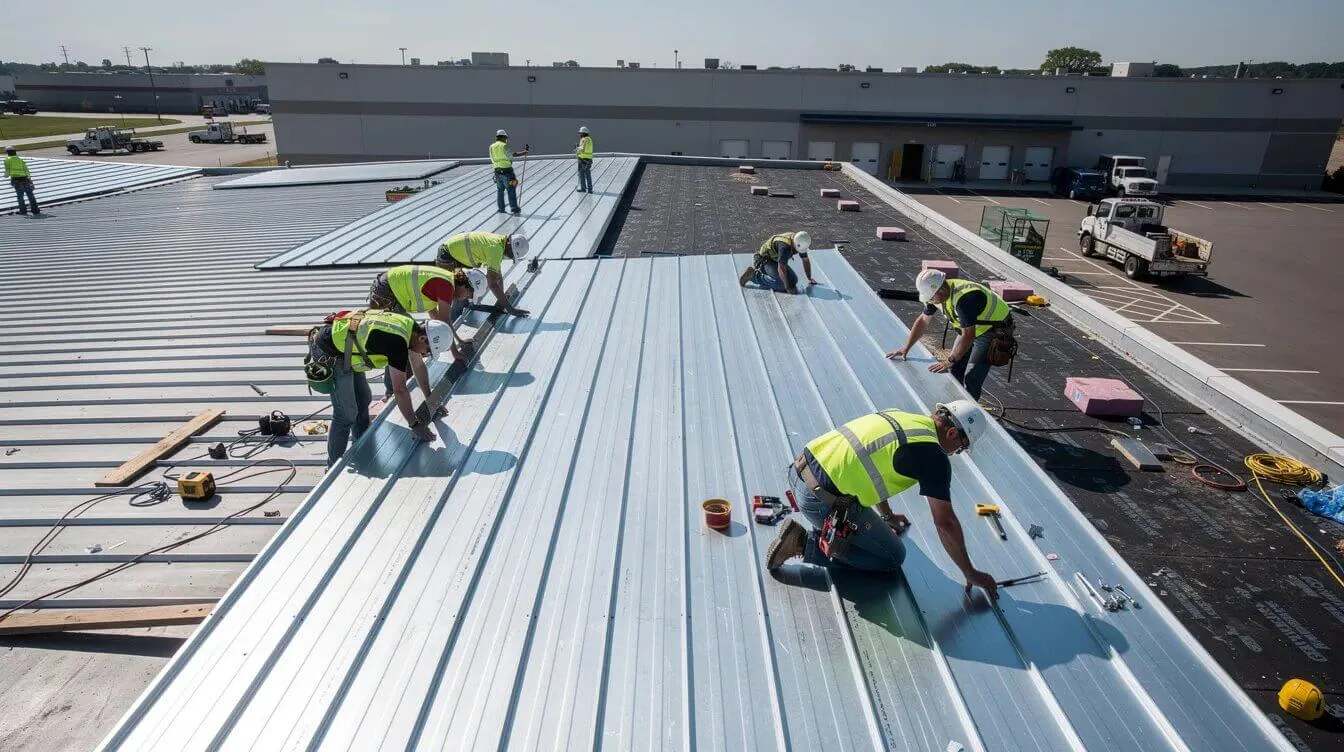
Weld quality is checked as installation proceeds. The crew cleans and prepares lap areas, adjusts heat and speed for conditions, then verifies the test weld before joining production seams. Corners, end laps, T-joints and field-to-flashing connections need careful detailing. A seam can appear closed while a small void remains at a termination, so quality checks include probing or other inspection methods required by the project specifications.
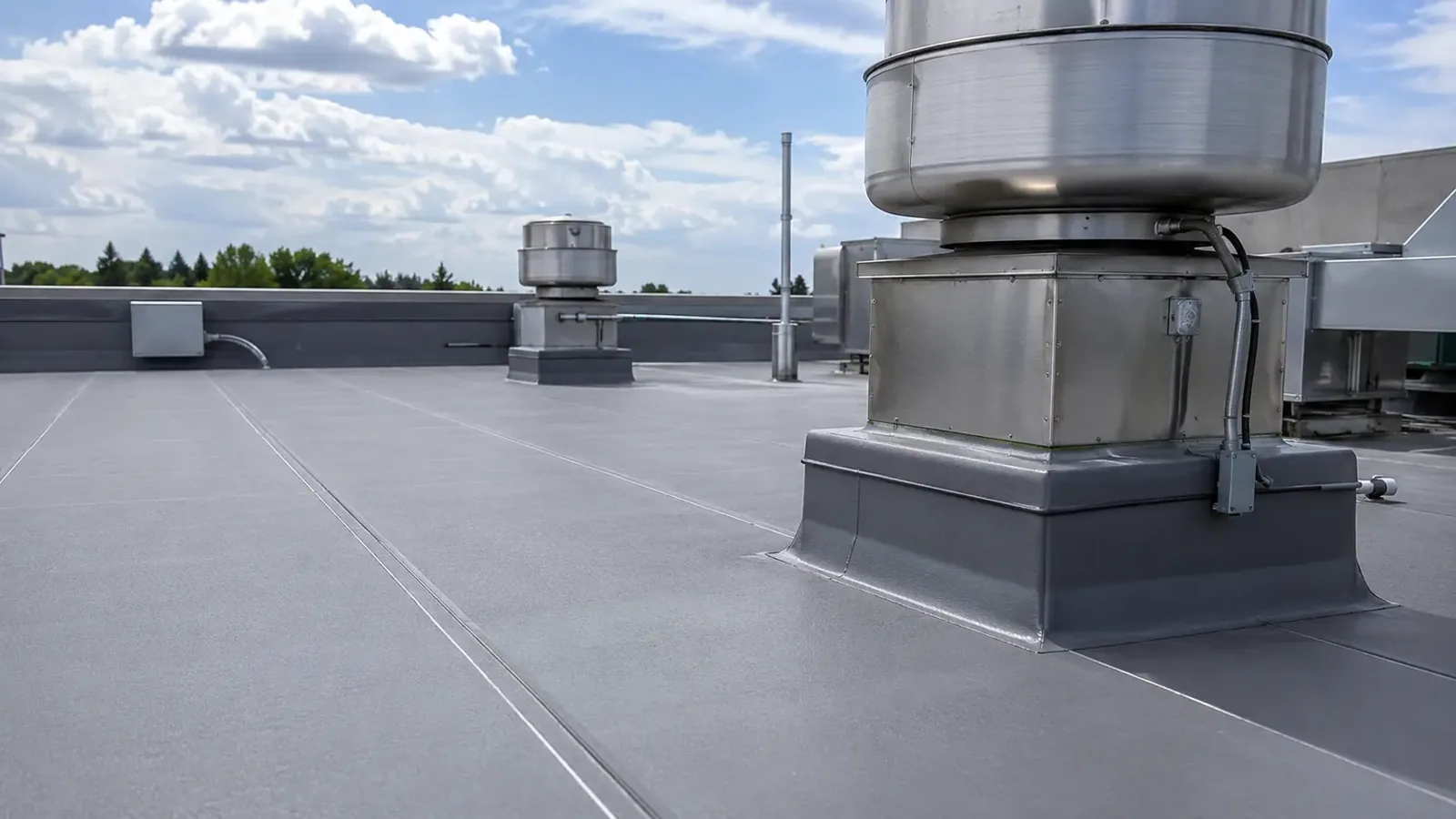
At roof edges, the membrane must connect to secure metal and compatible termination details. Drains, curbs, pitch pockets and penetrations are flashed with system materials and inspected before nearby work hides them. If rooftop equipment is lifted, the crew agrees on the temporary cover and return sequence before the unit moves. A curb and support review can identify the roofing and mechanical boundaries for that work. The closeout records the membrane and detail locations installed.
Protect open laps from weather
Athens’ warm-season storms and high summer temperatures affect when PVC work can proceed. The substrate must meet the system’s dryness and temperature requirements, and the crew needs time to complete the seam and daily tie-in. We set section size and dry-in boundaries before removing an existing roof. If rain or unsafe wind approaches, work pauses at a secure point and the property contact receives an update about which areas are complete.
Material delivery and roof access are planned around the building’s operation. At a food-processing site, product movement or loading may control when trucks arrive; Five Points is centered at South Milledge Avenue and South Lumpkin Street, about 1.5 miles from downtown through the UGA campus; we confirm the exact receiving point and pedestrian route before staging. We confirm those constraints with the manager and do not assume that an available roof hatch means the entire route is clear. If weather causes a hold, temporary protection is checked before the crew leaves.
Compare PVC with nearby options
PVC, TPO and KEE membranes share heat-welded seam techniques but differ in formulation and project fit. EPDM uses a different approach to seams and flashing; modified bitumen and built-up roofs use multiple layers. We compare options based on deck, drainage, rooftop equipment, chemical exposure, maintenance access and project requirements. If you are weighing a TPO assembly or KEE membrane, we explain how the specified product and preparation align with the actual roof conditions.
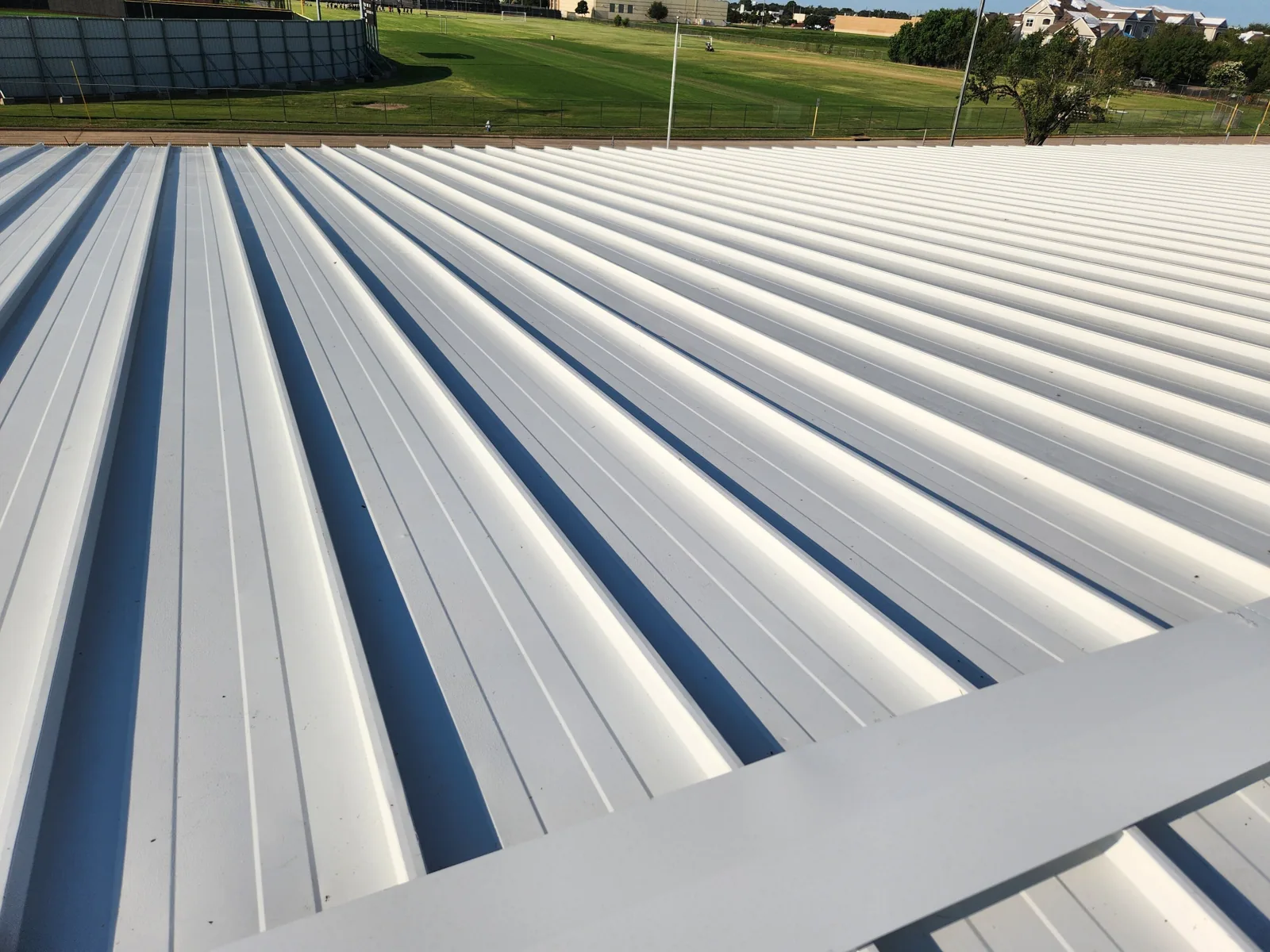
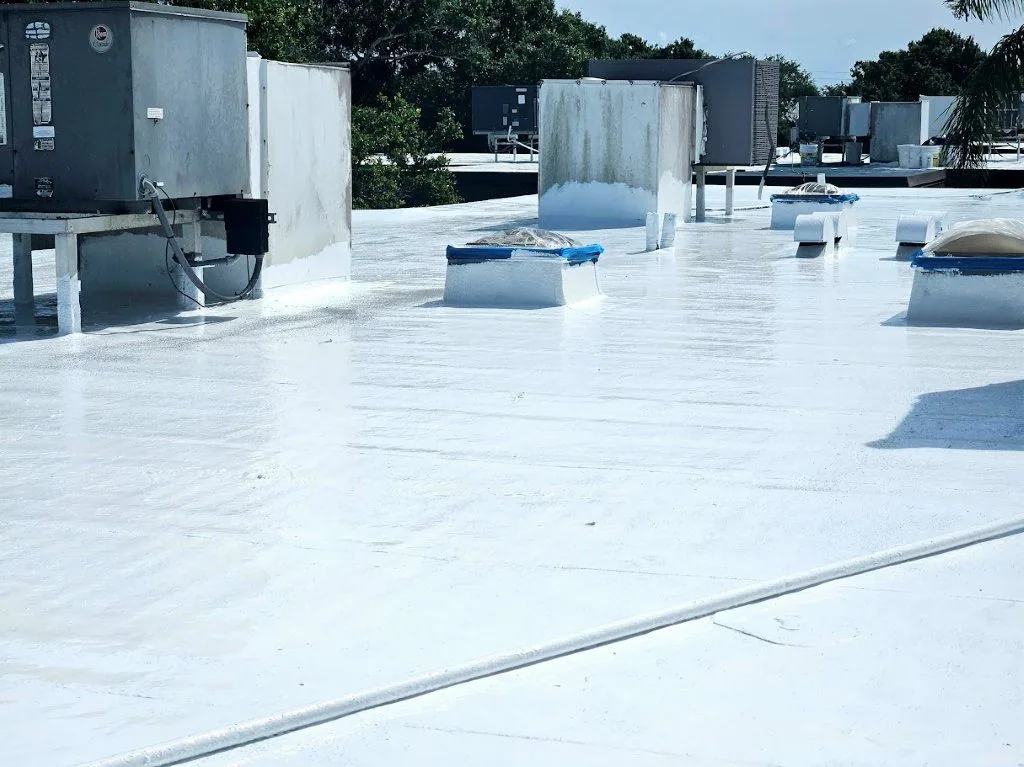
If a sound existing roof needs a reflective surface, coating restoration may be discussed after checking adhesion and compatibility. Where moisture or broad membrane failure is present, repair or replacement needs a more complete assembly review. A coating evaluation and replacement scope should state separate assumptions rather than being blended into a membrane bid.
Set the PVC work boundary
Share roof plans, current membrane information, known leaks, process or exhaust exposures, access rules and any project specifications. We will inspect the assembly, identify moisture or substrate concerns and mark curbs, edges and drainage details that require work. If the building has several operating areas, identify which routes and service windows should be protected.
Commercial Roofing Athens can prepare a PVC roofing scope with membrane, attachment, flashing, phasing and weather holds stated by roof section. Schedule a roof walk to map the access route, staging location and occupied hours before material is selected and ordered.
Frequently Asked Questions
What roof conditions make PVC worth comparing?
PVC may be considered where the building’s roof system, exposure, substrate and project requirements align with the product specification. We inspect the existing assembly and ask about process or exhaust conditions before recommending an option. A use label alone does not establish chemical contact at the roof.
How are PVC seams connected?
The membrane laps are joined by hot-air welding, with the crew checking material preparation, heat, speed and finished seam condition. Corners, end laps and penetrations need their own inspection. The project record identifies the completed details and any area that was inaccessible.
Can PVC be installed over an old roof?
Keeping existing layers is an option only when their condition, moisture status, deck and project requirements permit it. We review records and open selected areas if concealed conditions remain uncertain. Wet insulation or an unstable base may require removal before a new assembly is considered.
Does PVC require special planning near food operations?
The facility manager should identify exhaust, production areas, delivery windows and any roof-access restrictions. We review possible exposure and request relevant safety information before selecting materials or beginning work. Installation timing and staging should protect the operation below.
Can a PVC roof be repaired after equipment work?
Yes, if the repair is compatible with the installed membrane and the affected area can be accessed. We inspect the penetration or curb, prepare the surface and weld new flashing or membrane as specified. Any mechanical lift or reconnection is assigned in the project plan.