Commercial Roofing for Property Management Companies in Athens, GA
Home / Industries We Serve / Property Management Companies
Property Management Companies
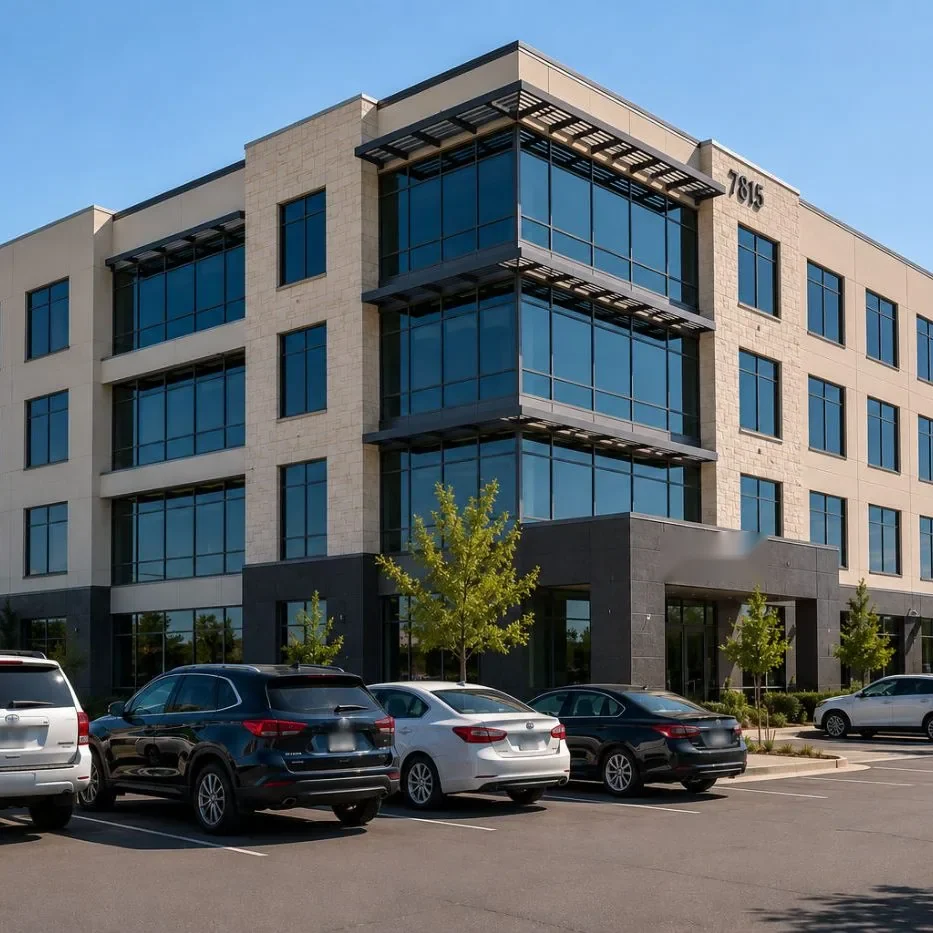
A portfolio roof review starts with the property list, the next lease event and the people who can release access. We help managers compare roof condition across assets without treating different buildings as one system. Athens' commercial mix ranges from university and health properties to retail, manufacturing and office sites. Athena Industrial Park and the Lexington Road corridor show two distinct operating settings; the manager confirms each property's schedule, tenants and roof access before we scope work.
Build a usable roof register
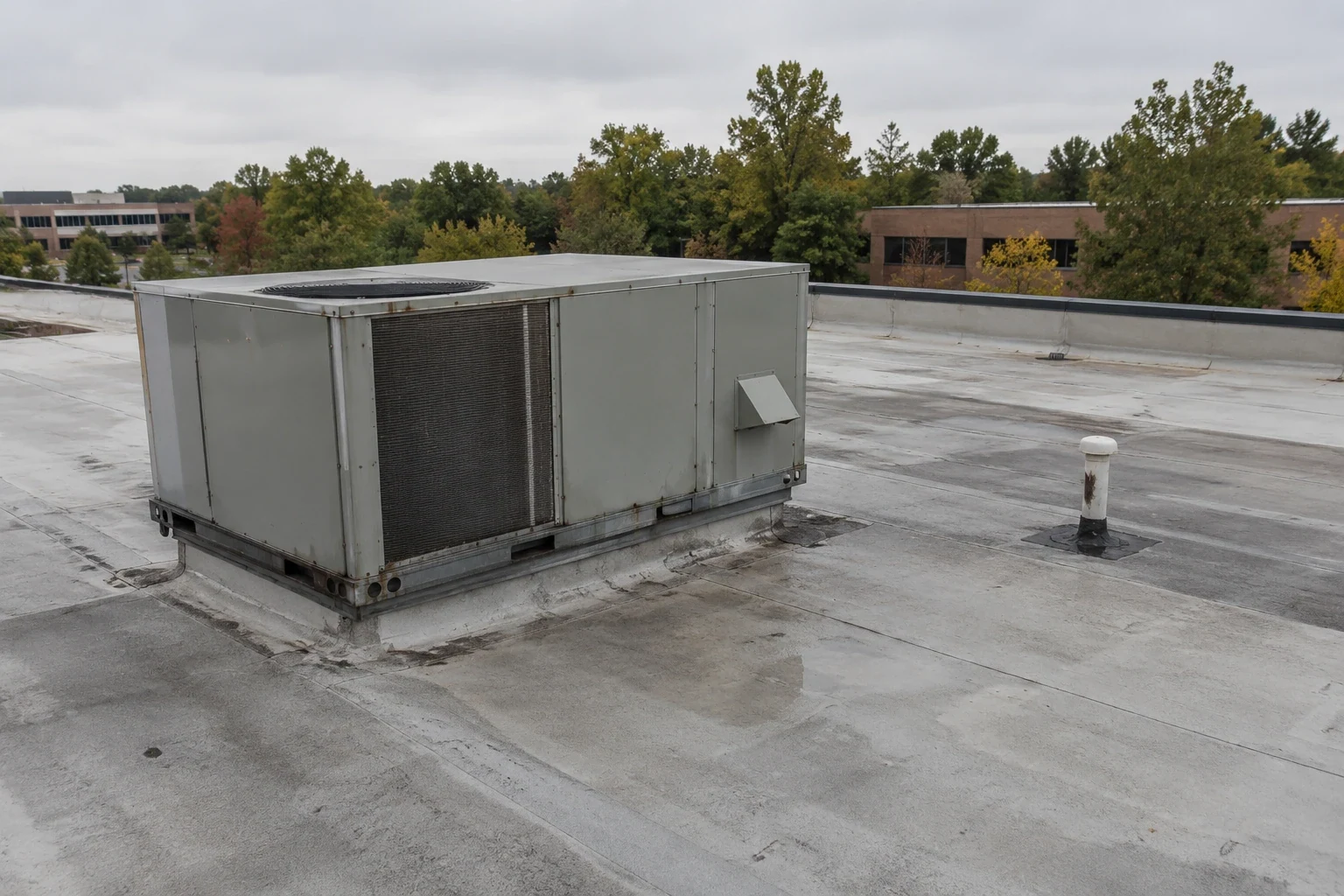
For each building, we record the roof type, visible condition, leak history, drainage, perimeter details and equipment access. A commercial roof inspection produces photographs and a location map that can be compared across properties. If moisture is suspected beneath the roof, we identify testing needed before replacement quantities are set. The register separates confirmed defects, maintenance items and questions that require a core or structural review. A property manager can use those categories to set a next action rather than store another unranked set of records.
A portfolio may include office suites, warehouse space, retail and occupied residential assets under one ownership group. We keep each building's findings distinct and record the contact who can provide keys, escort, tenant notices or equipment shutdown. When a lease expires or a tenant moves, the manager can ask us to inspect the newly available area and update the record. That creates a current roof condition for budgeting and due diligence without assuming that a neighboring asset has the same age, system or repair need. We can carry forward inspection date, material records, repair status and next review window in a format the manager can maintain. When a new leak ticket arrives, it can be matched to the prior map and assigned for follow-up instead of restarting the building history each time a different vendor is called.
A practical roof register links each property to its address, roof sections, last inspection, active leaks, warranty documents and next action. We use consistent labels so portfolio staff can compare buildings without treating unlike assemblies as equal. The register should distinguish observed damage from a suspected cause and show where a test cut or specialist review is still needed. For managed portfolios around Athens, that format gives an asset manager enough information to sequence budgets while preserving the separate access rules, tenant contacts and approval limits attached to each property.
Sort work by risk and access window
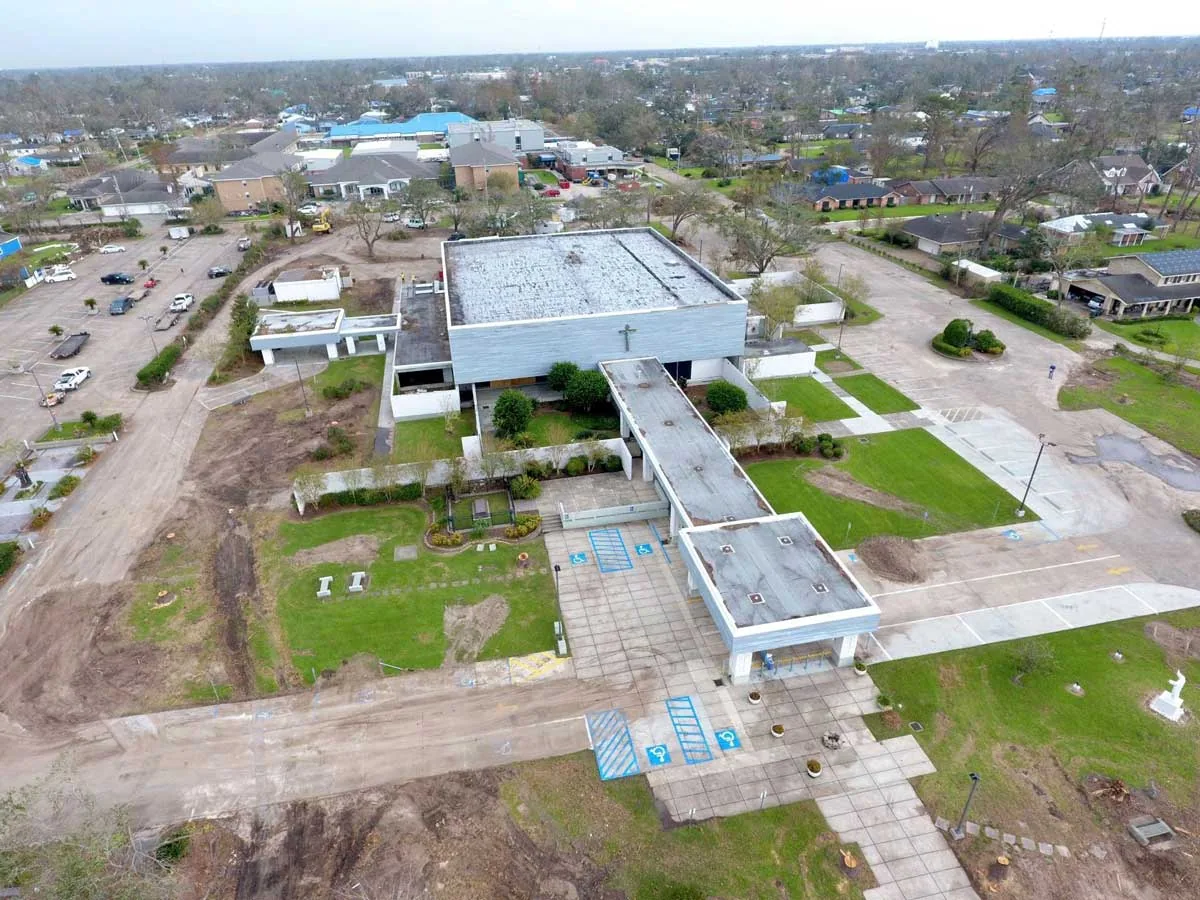
Priority reflects leak activity, interior use, moisture, attachment, drainage and the access window available. An active leak over a medical suite may need immediate protection; an aging seam without moisture may fit a planned maintenance visit. We show what is urgent, what can be budgeted and what needs testing before capital is committed. A roof asset review can organize those decisions by property and phase. Managers receive the same location logic across reports, making it easier to compare action items while retaining the detail unique to each building.
Tenant operations affect cost and duration. We map loading, office hours, public entrances, parking, equipment routes and the area below each roof phase. A phased reroof plan defines work limits, notices, lift windows and daily tie-ins. If a roof can be recovered, existing layers and drainage still need verification. If wet insulation or unstable decking is found, the scope identifies removal and interior protection before the next tenant is scheduled into the space.
Coordinate properties across Athens
Management in Athens may oversee a downtown office, a retail property on a commercial corridor and an industrial building near regional routes. Athens-Clarke County’s commercial land-use areas include Downtown and General Business districts alongside employment areas with office, science, manufacturing and flex-space. That range calls for a separate access plan for each property. We confirm street access, loading, tenant activity, roof entry and delivery staging separately, then group inspections where geography allows without merging the records.
Athens' hot, humid summers and frequent thunderstorms affect membrane work, crane picks and dry-in limits. Regional damaging wind, hail and seasonal tornado risk also belongs in the work calendar. Each property gets a weather hold and a secured stopping point. If management controls several roofs under one storm response, we can report which building was inspected, what was observed and which area needs repair. Regional climate informs preparation; only the site visit establishes a roof's actual condition.
Owners should also decide who can authorize emergency repairs, approve work above a spending threshold and receive after-hours leak calls. Keeping those roles with the property record reduces delay when a tenant reports water intrusion. The contractor can then direct the finding to the correct manager and provide a written scope for review rather than letting a site-level request become an untracked portfolio commitment.

Compare repair, maintenance and capital replacement
A localized flashing or drain repair can extend a sound assembly, while recurring leaks or broad wet insulation may justify replacement. Recover is considered only when existing materials are dry, stable and acceptable for the proposed system. We present each path with its condition basis, cost drivers and access needs. Roof area, removal, insulation, equipment coordination, tenant protection, crane access and work-hour limits affect the budget. When scope depends on concealed conditions, we identify the test location and how the price changes if the result expands the repair.
A real-estate investor may focus on diligence and capital timing; a healthcare system may have critical access rules. We adjust the report to the manager's decision process while keeping the field findings tied to each building. The portfolio file should show completed repairs, remaining risks and the next inspection or maintenance action. We can also list what approval is needed, who contacts tenants and whether a vendor must isolate equipment. A consistent record makes handoff easier when a building changes managers or a capital project moves into procurement. It also gives the owner a way to verify that a repair was completed at the roof zone shown in the report.
Set a portfolio roof review
Provide the property list, existing roof records, current leak tickets, tenant contacts, capital calendar and access rules. Identify which buildings can be grouped by location and which have special hours, equipment or security constraints. We can inspect the priority assets, document defects and return a schedule that separates immediate protection from planned repair and replacement.
Commercial Roofing Athens can prepare a portfolio-level summary with a separate condition record for each property. The manager receives recommended priorities, testing needs, access windows and turnover checks to support budgeting and tenant coordination. Contact us to plan a roof review across Athens properties and select the first buildings for inspection.
Frequently Asked Questions
Can you inspect several properties under one management group?
Yes, when access and contacts are coordinated. Each building receives its own photo record and condition map so one site's findings do not stand in for another.
How should roof issues be ranked across a portfolio?
We compare active leaks, moisture, assembly condition, tenant impact and access timing. The report separates urgent protection from scheduled maintenance and capital work.
What do you need before reviewing the portfolio?
A property list, roof plans, repair history, leak tickets and tenant access contacts help establish the inspection sequence. We identify missing records during the first review.
Can reroofing continue while tenants occupy the buildings?
It can when work limits, interior protection and tenant routes are defined. We phase each roof and communicate deliveries, noise and temporary access changes before mobilization.
How do you budget for concealed roof conditions?
We identify test areas and explain which quantities remain open. Confirmed repairs are separated from allowances, and any scope change is tied to the evidence found.