Commercial Roofing in the Lexington Road Corridor, Athens, GA
Home / Service Areas / Lexington Road Corridor
Lexington Road Corridor
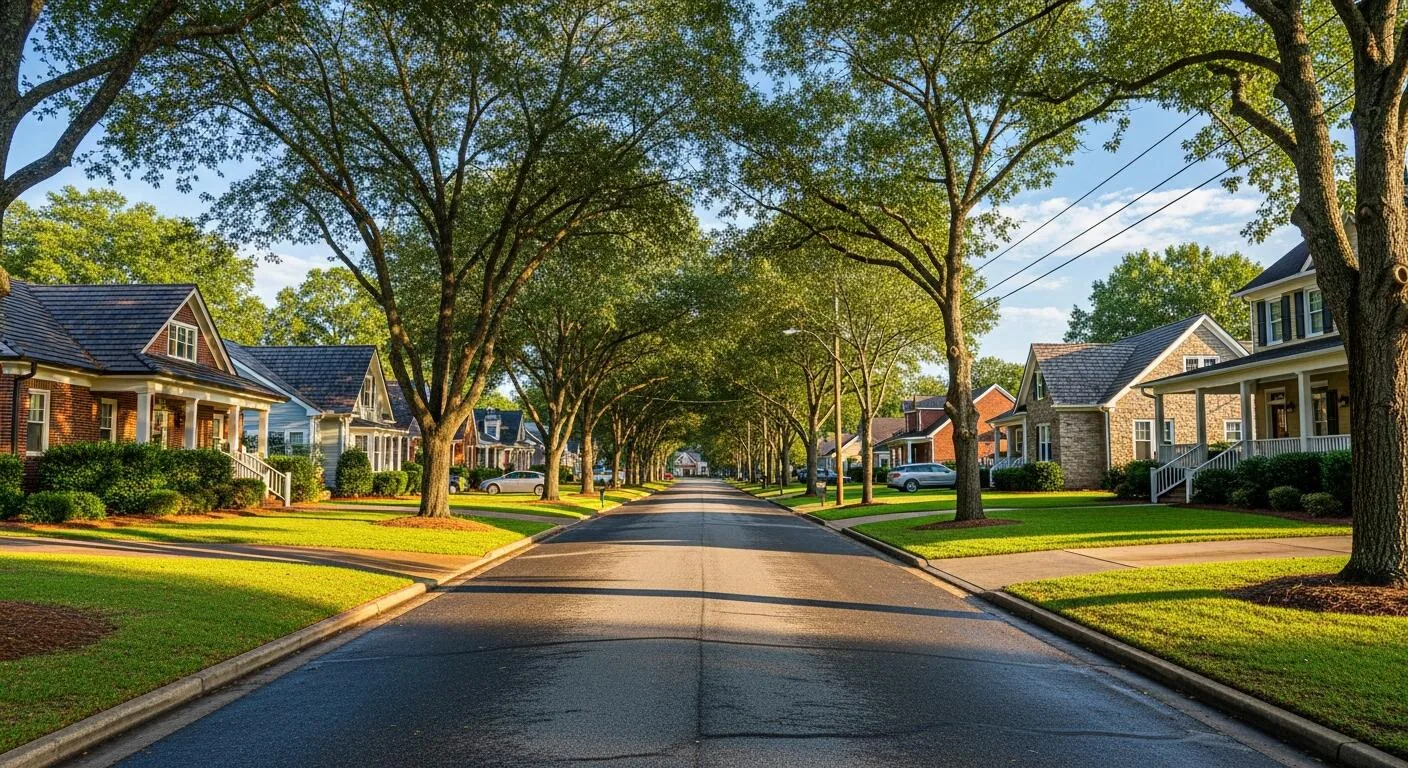
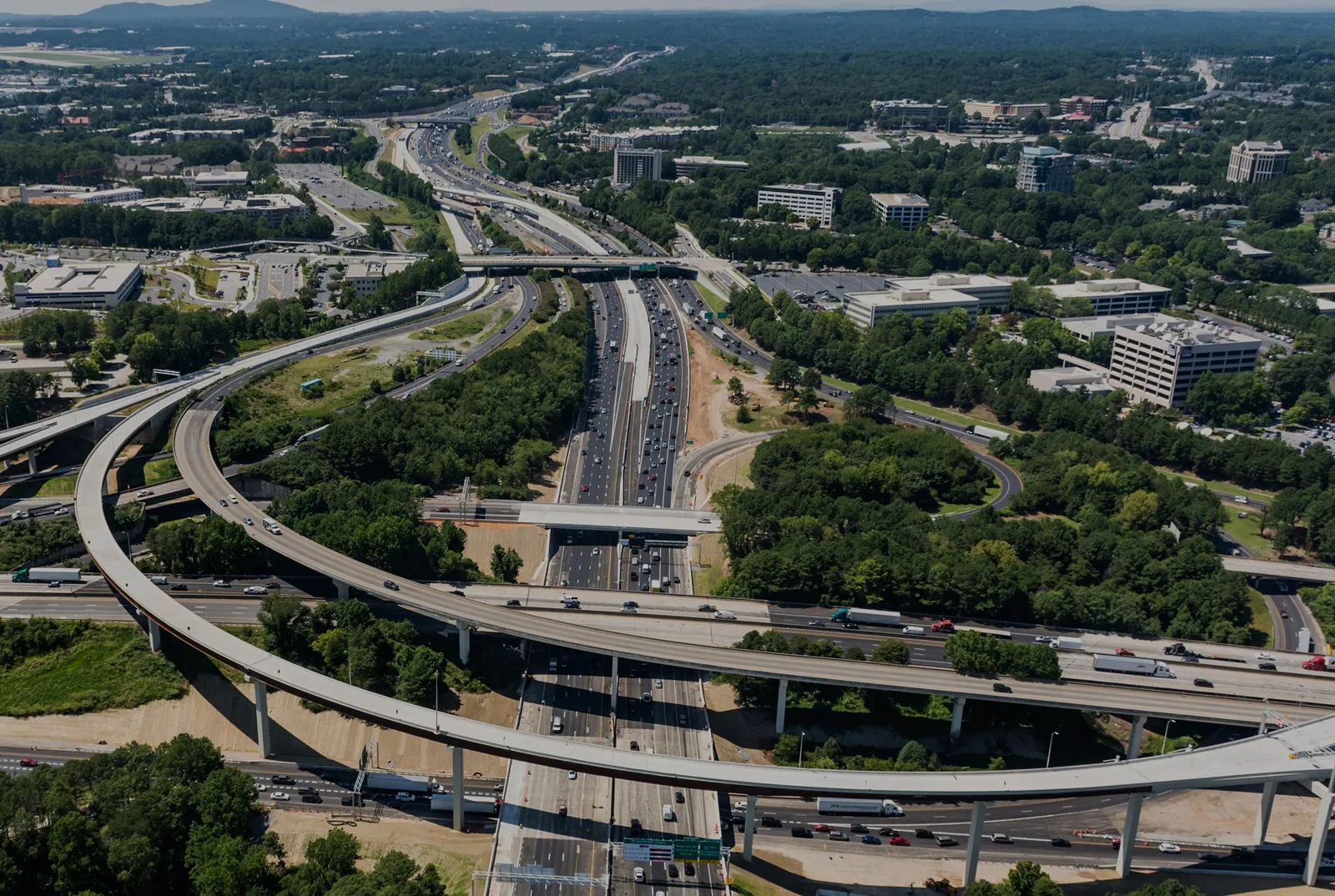
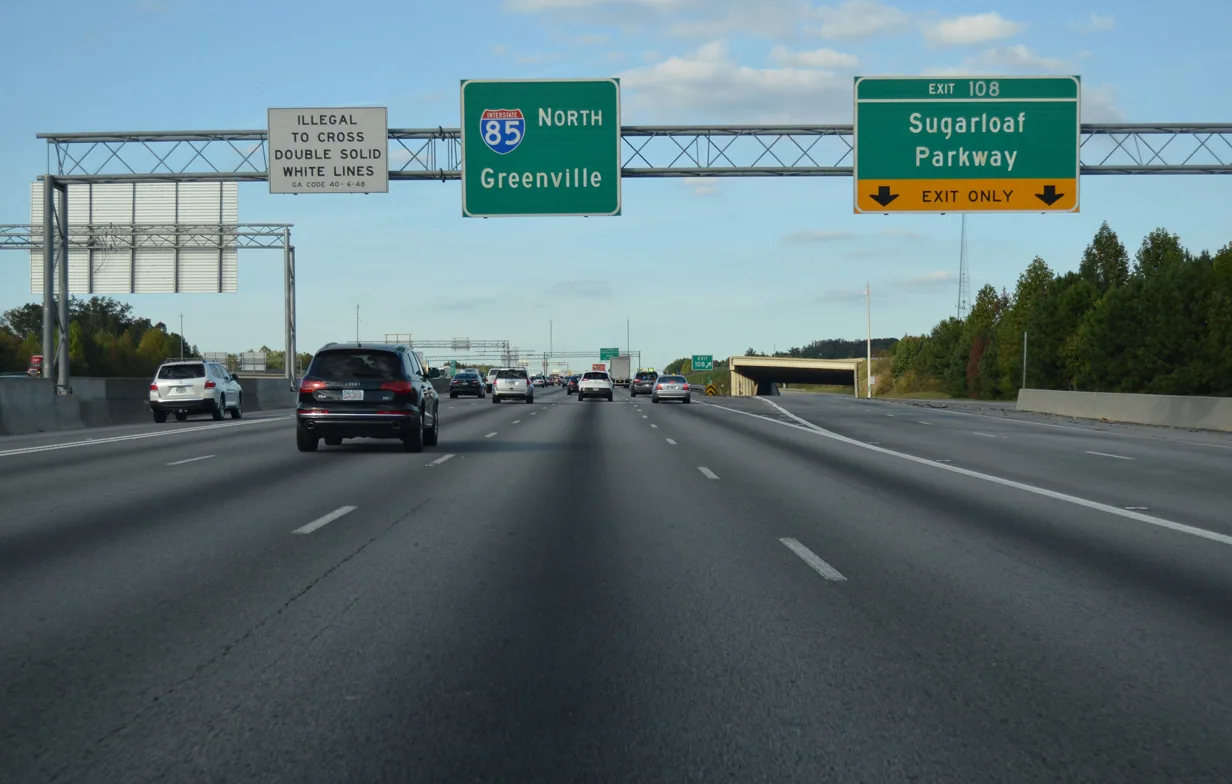
Commuter traffic and retail access shape the delivery window along the Lexington Road corridor in Athens. Lexington Road is a major arterial, commuter route, retail hub and gateway to downtown. Lexington Road connects east Athens commercial properties with U.S. 78; we confirm each building’s driveway, loading space and roof-access route before delivery. We confirm the property contact and route, inspect the roof assembly, then plan staging, pedestrian protection and the work zone around current operations. In Athens, hot humid summers and frequent warm-season storms influence how much roof can be opened before the dry-in point. The property manager receives a schedule that ties material delivery, roof access, tenant or staff notice and daily turnover to the building’s actual constraints. The roof survey checks membrane, drains, flashings and penetrations at the selected building before repair or replacement is priced.
Confirm the approach and unloading point
A major arterial may offer regional access, but the roofing crew still needs an address-level plan for turns, gates, overhead clearance, unloading and parking. The contact identifies the receiving window, a safe laydown area and any route that must remain open to customers or staff. If a crane pick or lift is needed, we review the setup area and pedestrian boundary before material is ordered. The work plan records who will accept a delivery and where the crew checks in. Because Lexington Road is both a commuter route and business node, the field sequence is coordinated around the property’s schedule rather than a guessed traffic lull. The property’s manager confirms the current route and loading point before mobilization, particularly when deliveries share an entrance with customers or neighboring tenants. Atlanta Highway and Downtown Athens provide useful comparisons for the access questions, while the Lexington Road building still needs its own arrival plan. We confirm the planned movement again before mobilization in case conditions have changed.
Along a commuter and retail arterial, roof deliveries should be planned around the property’s own entrance and internal circulation rather than the road name alone. We verify turning space, clearance, loading access and a location for temporary material storage before scheduling a truck. The owner confirms which customer or staff entrances need continuous access and who can approve a short change. A roof map ties the delivery plan to the inspected building, while the phase calendar shows when the crew expects to occupy each ground-level zone.
Verify the roof before setting scope
We inspect the membrane, seams, patches, wall transitions, perimeter metal, drains, scuppers, skylights, curbs and penetrations, then photograph each observation by zone. The walk checks whether a defect is local or may continue beneath the surface. An interior stain points to an area to investigate, but not necessarily to the entry detail. If moisture, deck condition or layer count remains uncertain, we recommend a test or survey before pricing tear-off. Recover is considered only after attachment, drainage and edge height are checked. A commercial roof inspection documents visible details, while a capital roof record lists findings, tests and inaccessible areas. The roof report converts field findings into quantities and repair decisions tied to the building, with access and delivery records for the property team.
Compare measured repair and replacement
A failed seam, puncture or flashing can support a local repair if the nearby membrane and substrate are intact. If moisture has reached insulation, failures recur across sections or the deck is deteriorated, replacement may be a better scope. Recover depends on existing layers, attachment, deck, drainage, edge height and applicable code. A coating is a candidate only after the existing surface proves compatible, dry and sound enough for the selected preparation; we identify any test and cleaning step before adding it to the scope. We explain the evidence behind each option and show how measured area, removal, disposal, insulation, deck repair, equipment access and perimeter details affect cost and timing. Concealed conditions that could change quantities are listed before work. A targeted repair addresses documented defects; a recover review or replacement plan follows only after the assembly supports it. The owner receives a written scope that distinguishes immediate protection from permanent work.
Keep each crew move deliberate
We map sections to access points, occupied areas and tie-ins that must be closed before a shift ends. The property contact approves notices, sound windows, equipment interruptions and interior protection. Material delivery is matched to the roof area ready to receive it, and storage is limited to what can be secured. The crew removes only the scheduled section, installs the approved assembly and checks walls, drains, curbs and edges before releasing the area. If the field condition differs from the survey, work stops at a protected limit while the owner reviews the changed scope. A phased occupied-site plan records tenant handoffs and daily cleanup, while equipment coordination sets the visit for units that intersect the new membrane. The manager receives a status before the crew advances to another section or changes the material route.
Set a dry-in point before removal
Athens’ warm-season storms arrive often enough that the work plan needs a weather hold and a maximum open area. We stage temporary protection before tear-off, name the contact who can stop the work and agree on a dry-in point for each section. The field lead tracks the forecast and seals each opened section before ending the shift. If lightning, rain or wind makes roof access unsafe, the crew halts at the last protected boundary and reports which materials and surfaces are secure. Athens’ spring and summer storms can shorten the Lexington Road work window; we inspect reported impact and secure the open section before permanent repair. We photograph seams, flashings, drainage and edge metal before permanent repair changes the surface. For active water entry, emergency stabilization is separated from the permanent scope and the next inspection.
Return access with the roof record
At turnover, the field lead checks completed seams, flashings, drains and penetrations, then matches photos to the roof-zone map. The closeout records work completed, materials identified from approved documents, open tests and any area that could not be accessed. The property contact confirms that staging, barriers and debris are removed from the approved route. If another phase is planned, the record marks its starting boundary and weather protection. The corridor serves as a gateway to downtown; each business along it still needs a property-specific contact, roof survey and access schedule. The property record names the building, roof zones, approved scope and follow-up contact for future maintenance. Contact Commercial Roofing Athens to plan a roof walk, verify the delivery route and set the work sequence around the property’s operating hours.
Frequently Asked Questions
Does the commuter route determine when deliveries can arrive?
No. The property contact confirms the gate, unloading point, access restriction and receiving hours. We schedule the crew and material against that building’s approved window.
What do you inspect before recommending a recover?
Layer count, attachment, moisture, deck, drainage and edge height all need review. We identify any test required before deciding whether existing layers can remain.
Can the repair scope change after tear-off?
Yes, if concealed deck or insulation conditions differ from the survey. The crew secures the boundary, documents the finding and waits for owner direction on added work.
How do you keep an occupied business operating?
The manager approves the work zone, notices, noise window and protection plan. We complete and dry in a defined section before moving the crew to the next area.
What happens if weather delays the work?
The field lead follows the hold point, protects the roof where conditions permit and reports what is secure. The next mobilization time is set after access is safe.