Commercial Roofing for Real Estate Investors and REITs in Athens, GA
Home / Industries We Serve / Real Estate Investors and REITs
Real Estate Investors and REITs
An acquisition review needs a roof condition that can be tied to a building, a date and a decision. We inspect the assembly, document defects and separate confirmed repair needs from items that require testing. University properties span academic, residential, student-service and support uses; a property near Normaltown commercial area has a different tenant and access context than an asset along Atlanta Highway. We record the actual roof and operating constraints so investors can assess each property on evidence, not on its neighborhood or building label.
Document condition before the transaction closes
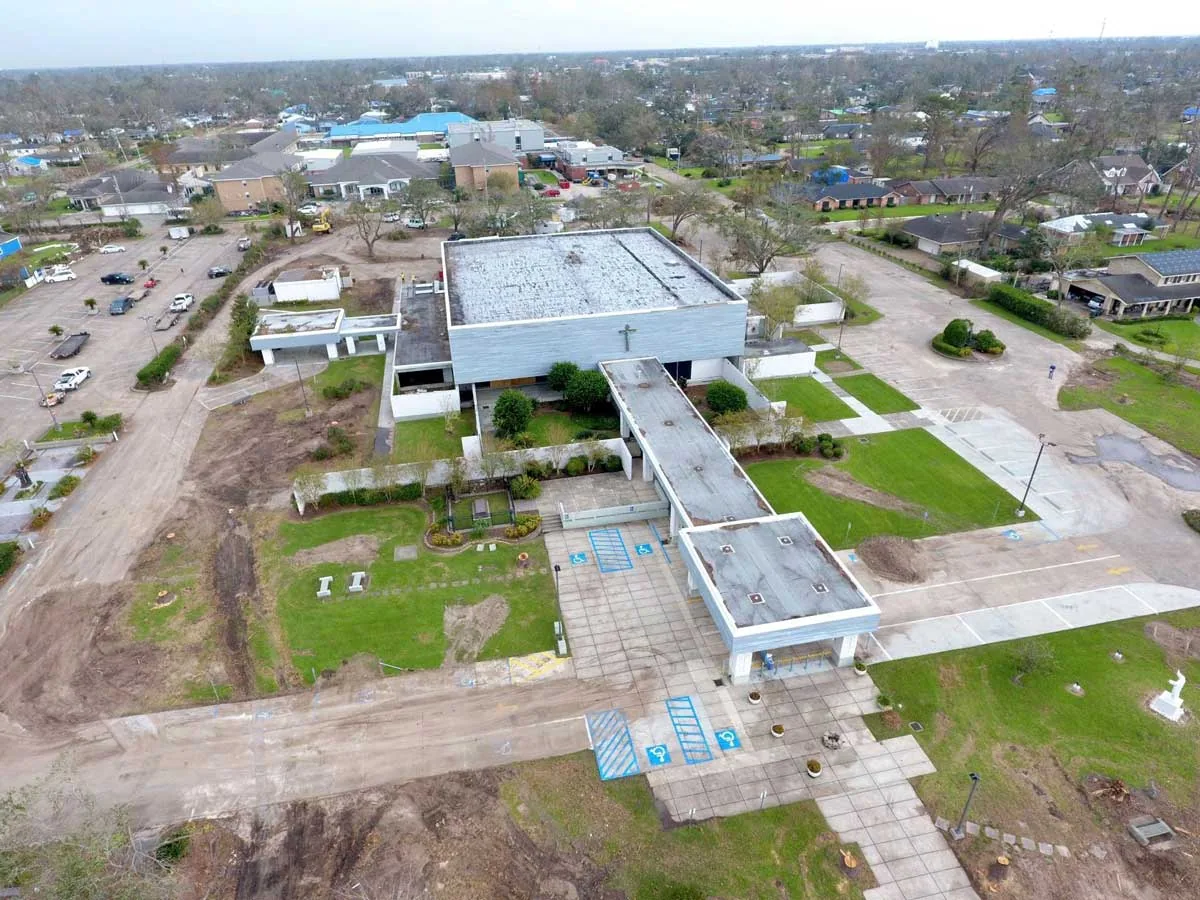
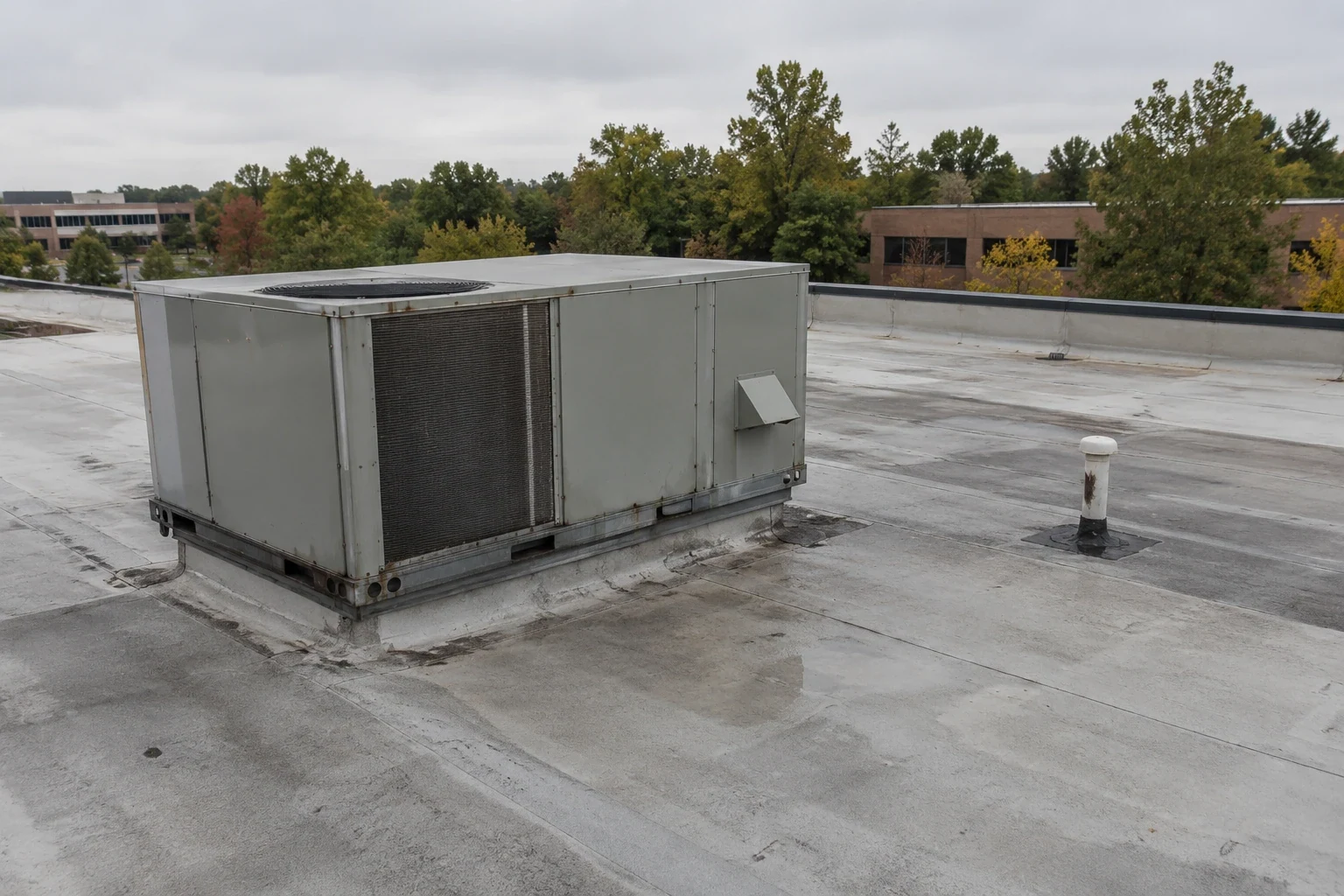
A roof due-diligence survey can inspect membrane or panels, drainage, edge details, penetrations and previous repairs. We provide photographs and a roof map that identifies visible defects and potential moisture concerns. If an assembly's condition cannot be confirmed visually, we recommend core cuts or another test and show what decision the result controls. This matters when the seller's records are incomplete or a leak history does not identify where water enters. The report distinguishes a confirmed repair from an allowance that remains unresolved.
For a portfolio transaction, each property's roof record stays separate. We identify system type where visible, the condition of its components and any access limitations for further testing. If the roof serves occupied space, the buyer needs to know what protection, tenant notice or equipment coordination is required before work. We can review available maintenance logs and compare them with the field condition, then list missing records. That gives the acquisition team a clear basis for a contingency or a post-close inspection rather than an unsupported forecast of roof life.
Transaction diligence should state what was accessible on the inspection date, which records were reviewed and what could not be confirmed without opening the assembly. A roof walk can document visible membrane, drainage, edge details, penetrations, repairs and interior leak reports, while concealed insulation or deck condition remains unconfirmed unless the assembly is opened. We separate near-term life-safety or active-water concerns from reserve recommendations and identify the next investigation needed to refine cost. That distinction helps an investment team build a defensible capital model without treating a visual survey as a destructive test.
Translate findings into a capital sequence
After the field review, we sort items by urgency, scope and timing. A failed curb or isolated seam may fit a repair; broad wet insulation or failing attachment can require replacement. A recover is considered only when existing layers are dry, stable and allowed to remain. We explain cost drivers such as tear-off, insulation, edge metal, equipment lifts, tenant protection and restricted work hours. If testing could change the quantities, the report identifies the sample area and what happens if the result is larger than expected.
A capital plan can group scopes by condition and access window while preserving property-specific records. Athens’ downtown and general business districts sit alongside employment areas with office, laboratory, manufacturing and flex uses. Those settings shape access windows and tenant coordination. A property management team can coordinate building access, while a healthcare operator may require special controls. We record the decision owner, tenant notice, shutdown and testing needed for each roof phase.
Ground the review in the Athens asset
Athens combines university facilities, two health systems, public schools, retail corridors and manufacturing plants. A building’s use affects access and tenant schedules, so we coordinate the roof walk with the property manager and operating staff. Along the Lexington Road corridor, commercial access shapes delivery timing, while sites at Athena Industrial Park need staging that fits loading and business operations.
Athens has hot, humid summers and frequent warm-season thunderstorms; the region also sees damaging wind, hail and seasonal tornado risk. We account for weather in the mobilization window, dry-in boundary and sequencing of material deliveries. A roof assessment after a storm documents observed conditions and distinguishes them from preexisting wear. For diligence, use Athens’ regional hazard profile to set post-event review timing, then base capital decisions on each asset’s inspection record and roof history. The report should connect the event, roof location and field evidence before a repair or claim scope is assumed.
Protect tenants while preserving asset access
Once an acquisition closes, the plan may need to move quickly around lease obligations, tenant renewals or an upcoming improvement. We map entrances, loading, parking, equipment and the interior spaces beneath a proposed roof phase. A phased occupied-building plan shows the active area, daily tie-in, notice period and turnover check. For a multi-site owner, similar assemblies can share procurement where appropriate, but each site keeps its own roof map, quantities and access plan.
Maintenance records should identify what was repaired, which products were used and what needs follow-up. We can provide a photo closeout and a short list of remaining items for the owner's building file. Permanent work follows the inspection and approved scope. The acquisition or asset manager can then compare immediate stabilization with a scheduled capital replacement based on observed condition and operating impact.
For assets with a pending lease change, we can mark work that must happen before turnover separately from repairs that can wait for a later roof phase. That distinction helps the asset manager coordinate tenant notices, access permissions and capital approval without blending deferred maintenance into an immediate leak response. A roof map also gives operations a reference for locating drains, equipment and prior repairs after the transaction team hands the file to the property manager.
Where ownership spans several building types, we keep the inspection method consistent while recording the assembly and risks found at each property. A clinic, a small retail building and a production facility may all need different staging, shutdown and occupant-protection decisions. We identify those constraints during the site walk and record which contact can authorize access or testing. The portfolio view then compares decisions without assuming that similar addresses have similar roof conditions.
Request a transaction or portfolio survey
Provide property addresses, available roof plans, repair records, tenant schedules and the transaction or capital deadline. Identify which buildings allow test cuts, who can approve access and whether a tenant needs advance notice. We can inspect priority properties and return a condition map, testing needs, repair options and phasing constraints for each asset.
Commercial Roofing Athens can coordinate site walks with the broker, property manager and facilities contact. The result is a roof record that can support due diligence, annual budgeting or post-close work planning. Contact us to set an Athens roof review and define which properties need field inspection first.
Frequently Asked Questions
Can a roof report support an acquisition decision?
It can document visible condition, test needs, repair items and access limits for the building under review. The report separates confirmed quantities from conditions that require sampling.
How do you estimate near-term capital work?
We identify repair and replacement options, their supporting field findings and the cost drivers that affect each scope. Any quantity dependent on a test is listed separately.
Can a portfolio use one roof standard?
A common reporting format can help compare assets, but findings and specifications remain property-specific. Deck, system, moisture, tenant access and code conditions must be confirmed at each building.
What should an investor provide before inspection?
Roof plans, maintenance logs, leak records, tenant contacts and any prior test results help set the survey. We identify missing information and testing constraints during the walk.
Can the work be scheduled after closing?
Yes, when the owner and property manager set access, tenant notice and funding approval. We can prepare a phased scope that shows immediate protection separately from planned capital work.