Commercial Roofing in Normaltown, Athens, GA
Home / Service Areas / Normaltown
Normaltown
Normaltown’s commercial properties sit within an established Athens neighborhood along the Prince Avenue area. Roofing plans start with the actual building and its operating contact: we inspect the roof assembly, map penetrations and drainage, and identify whether a visible issue needs further testing before pricing. Normaltown brings neighborhood businesses and health-related uses together along Prince Avenue; each building has its own roof, access path and operating schedule. We stage work by roof zone, protect the routes below and set a daily dry-in limit for Athens’ frequent warm-season storms.
Confirm the building and approved route
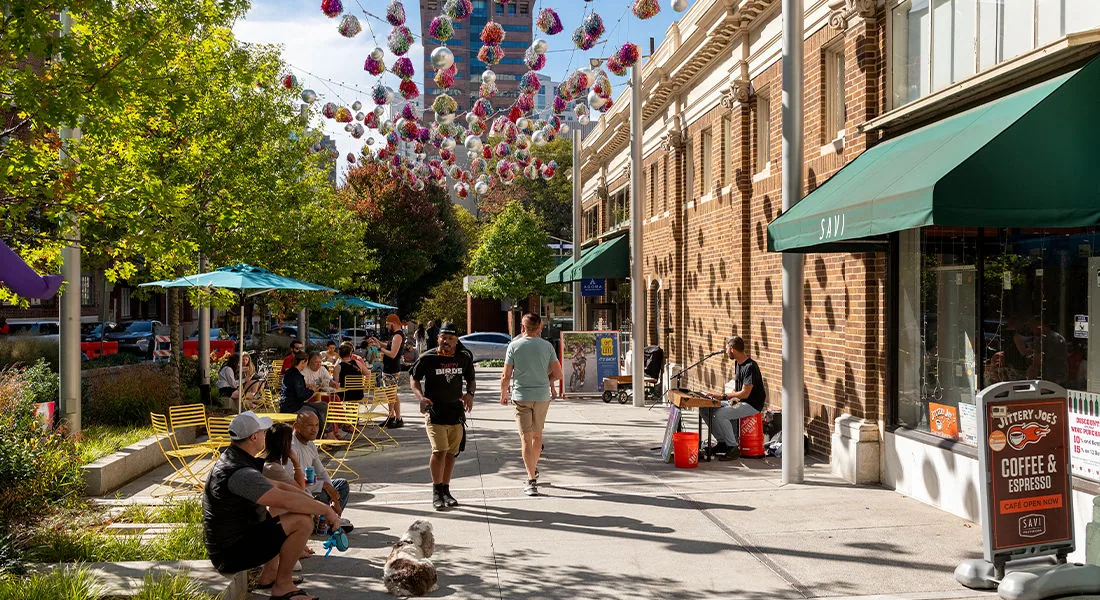
Before delivery, the property contact identifies the building entrance, loading window and path to roof access, along with any check-in or escort requirement. We map pedestrian routes and service circulation that must remain available, then select a laydown area that does not interrupt nearby business access. If a lift or crane pick is needed, the setup point and exclusion boundary are reviewed with the person responsible for the property. UGA’s Health Sciences Campus is one health-education use along Prince Avenue; nearby offices, shops and services have separate access and operating needs that we confirm before mobilization. The contact confirms current conditions. Work at Prince Avenue or Athens medical area requires a separate facility approval and site plan. The access sheet names the receiving person, delivery path and authorized weather-hold contact so the field team knows who can release each phase.
Survey the current roof assembly
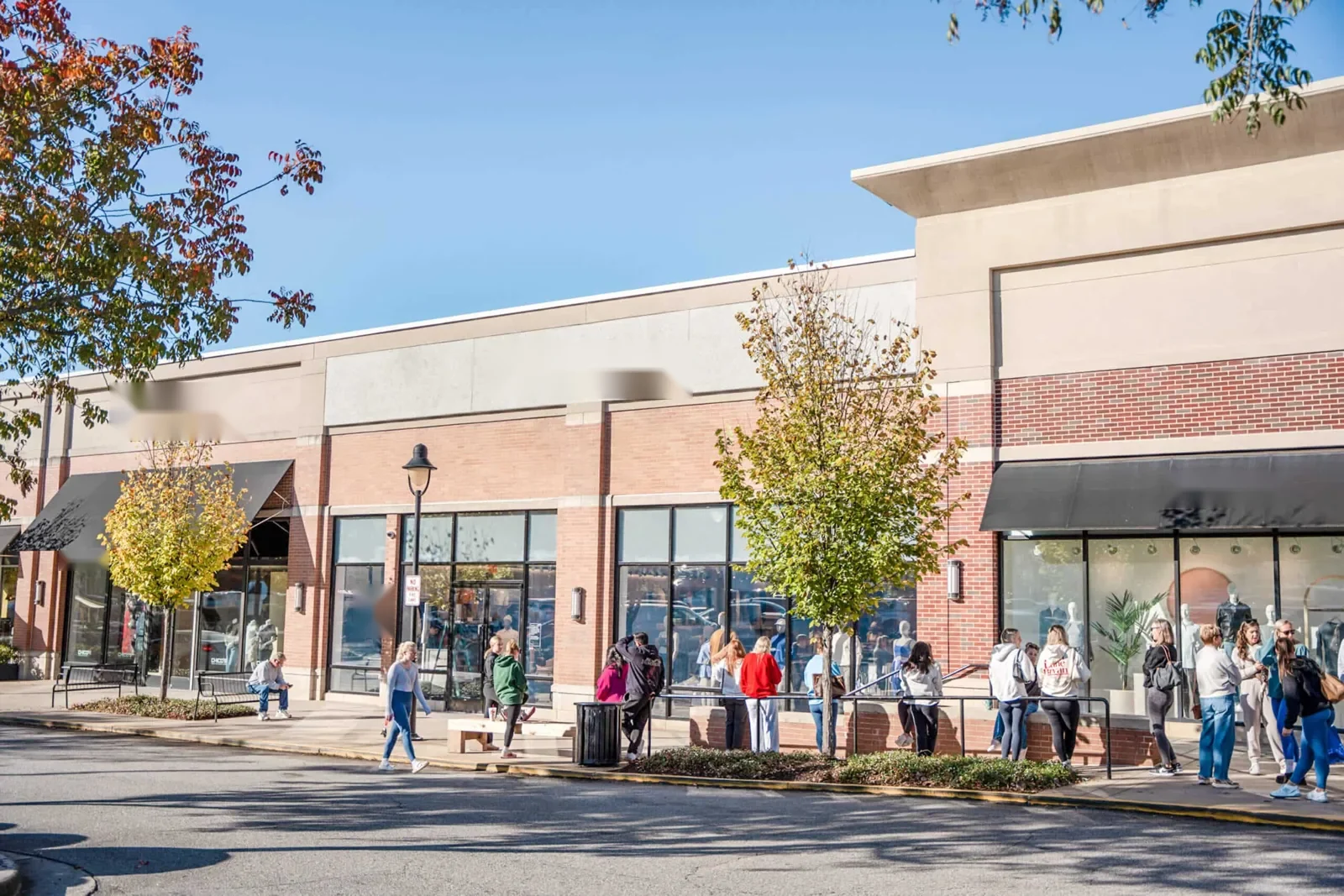
Normaltown’s commercial mix includes health-education activity, local services and businesses; a roof walk records the current membrane, seams, drainage and edge details at the selected address. We inspect field membrane, seams, patches, edge metal, walls, drains, scuppers, curbs and penetrations. For each accessible roof area, we pair photographs with the closest drain, curb or wall transition so facilities can distinguish a building detail from a condition elsewhere. Interior staining is recorded as a symptom, then compared with the roof detail and likely water path. If moisture or deck condition cannot be confirmed from the surface, a test cut or targeted survey may be appropriate. Existing layers and attachment are checked before discussing a recover. A hands-on roof inspection documents accessible conditions, while a photo-based condition report keeps observations and recommended tests tied to their location. The report states what is confirmed, what remains concealed and what must be resolved before a replacement quantity is final.
Normaltown includes commercial and institutional uses along Prince Avenue, including the former Normal School site now associated with UGA Health Sciences. Normaltown’s Prince Avenue corridor combines health-sciences uses, Piedmont Athens Regional and local businesses, so we coordinate access with the selected building’s facilities contact. We inspect the selected building, record the assembly and map any leaks, drains, curbs and wall transitions. Where a property includes occupied or historic spaces, the facilities contact identifies surfaces or rooms that need protection before test cuts or removal. We map conditions by roof zone and connect each repair recommendation to a field observation.
Choose work from the evidence
A failed flashing or seam may be repairable if the adjacent membrane and substrate remain sound. Repeated failure, widespread moisture or deck deterioration can move the recommendation toward replacement. Recover is only considered after checking layer count, attachment, deck, drainage and edge height. A coating is evaluated when the existing assembly is compatible, dry and properly prepared. We compare the work options against what inspection supports and identify the cost drivers: roof area, removal depth, insulation, deck repairs, equipment coordination, material handling and protection below. A concealed condition that could change the scope is named before work begins. The owner can start with a targeted repair for a documented defect or review replacement sequencing if the assembly has broader failure. The estimate separates immediate stabilization from permanent work, giving property facilities staff a clear point for approving the next phase.
Stage work around active facilities
We assign each roof section an access path, interior protection, start window and tie-in that must be closed before the shift ends. The property contact confirms notices, occupied spaces and equipment that needs to remain in service. Work advances by a bounded roof zone: we complete its specified layers, inspect the water paths and confirm the interior release before scheduling another section. Material delivery is timed to the section that can receive it, and the ground route is kept clear of loose debris and tools. If the exposed deck differs from the survey, the field lead protects the boundary, records the condition and waits for owner direction. A phased work sequence can show the building-by-building handoff, while equipment curb coordination assigns the mechanical contact before the membrane detail is closed. The facilities contact receives schedule changes before the next crew movement.
Hold work at a protected boundary
Frequent warm-season thunderstorms in Athens make the weather hold a field decision with a named owner. We set the maximum open area, temporary protection, dry-in point and communication method before tear-off. The lead checks conditions as the shift progresses, secures loose material and closes each planned section. If rain, lightning or wind reaches the roof, the crew stops when access is unsafe, protects the open area where conditions allow and reports what has been secured. The contact gets a revised mobilization window if the next section must move. Spring and summer storms shape the available work window; we set the exposed-area limit, secure each tie-in and inspect reported impact before scoping permanent repairs. When an event is reported, we photograph edge metal, seams, penetrations and drainage before permanent work. Any wind-related scope or emergency stabilization remains separate from the planned reroof phase.
Record the section for facilities
At turnover, the field lead checks completed seams, perimeter transitions, penetrations and drains, then pairs photos with the roof-zone map. The record lists the work performed, materials identified from approved documents, concealed conditions and any item needing a later decision. The property contact receives the area released for normal access and the next phase boundary if work continues. Normaltown’s mix of health-related uses and neighborhood businesses makes building-level access and operating conditions important to record. The facilities contact sets work windows around active clinical, academic and support services. A future repair visit can begin with the documented condition instead of repeating the entire discovery process. Set a planning visit with Commercial Roofing Athens to review roof access, release points, staging and weather holds with the property contact.
Related Roofing Work
Frequently Asked Questions
Does the former Normal School history tell you the roof system?
No. The site’s history does not identify the current assembly. We inspect the building and document membrane, drainage, transitions and concealed layers before recommending work.
How do you control access near Prince Avenue?
The property contact confirms check-in, delivery timing and pedestrian routes. We plan the material path and work boundary around current property and neighborhood conditions.
Can the crew replace a roof while the property is in use?
We divide work into sections with protection, a dry-in point and a handoff. The facility contact approves each operating window and any equipment interruption.
What makes an inspection report useful for later work?
Each photo is tied to a roof zone, and the report separates confirmed defects from test items. That lets facilities track what was repaired and what remains open.
How do weather holds affect the project?
The hold limits exposed area and identifies who can stop work. If conditions change, the crew secures the open boundary where possible and revises the next mobilization window.