Commercial Roofing Across the Athens Medical Area
Home / Service Areas / Athens Medical Area

Athens Medical Area
Athens medical and commercial properties include different buildings, operating contacts and roof assemblies. Athens’ healthcare sector includes Piedmont Athens Regional, St. Mary’s Health Care System and medical businesses across the city. We tie every Athens roof survey to the specific property and zones included in the scope. We confirm the Athens property in scope, inspect its membrane, drainage, curbs and perimeter, and document visible defects before recommending repair or replacement. The facilities contact identifies patient, staff and service routes that must stay available. Warm-season storms shape the open-roof limit; every phase ends with a recorded dry-in point and handoff for the selected building.
Confirm the property and access
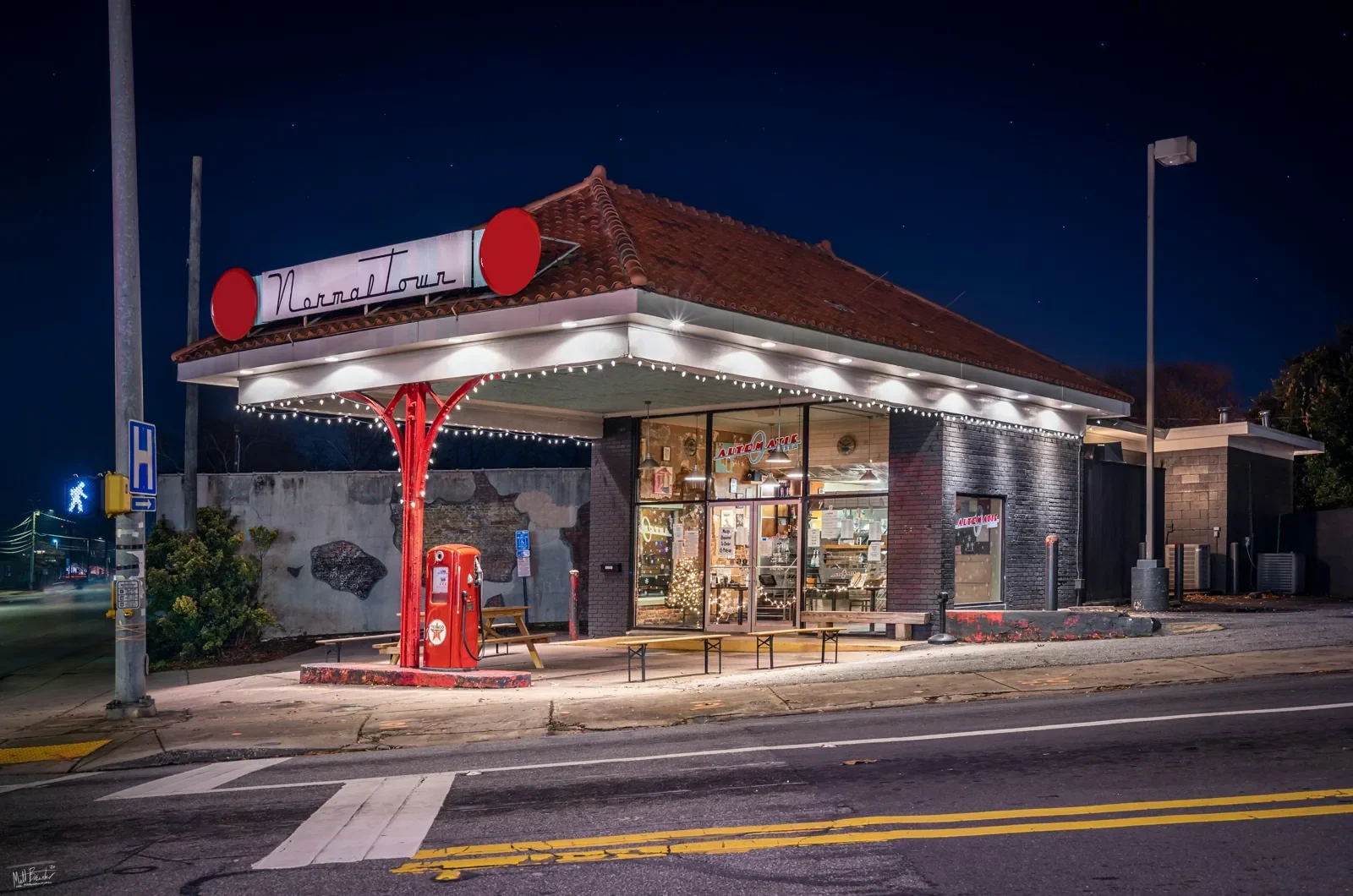
Before dispatch, we confirm whether the work concerns an Athens property or another location within the health system. The site contact identifies approved check-in, escort requirements, privacy rules, restricted spaces, deliveries and the route to roof access. Material staging is reviewed against patient, staff and service circulation, then a lift zone or crane pick is mapped if required. The property contact also states who can approve a temporary closure or equipment interruption. Each property receives its own access sheet, with the building name, contact, approved hours and delivery route. The same care is needed along Prince Avenue and in Normaltown commercial area, where each building has a distinct contact and operating schedule. The access plan records the site name, contact, approved hours and routes so material delivery and crew movement follow the right facility’s instructions.
Build the scope from observed conditions
The roof walk records membrane, seams, flashings, drains, scuppers, penetrations, curbs and perimeter transitions by zone. We photograph open laps, patches, ponding and visible deterioration, then trace water paths without treating an interior symptom as the confirmed entry point. If moisture below the surface or concealed deck damage is suspected, a test cut or infrared survey can define what is actually affected before removal is priced. We also verify existing layer count and attachment before considering a recover. A hands-on inspection identifies details that require close access, while a condition report ties each photograph to a location and recommended next action. If an area cannot be accessed during the first visit, it is listed as an open question rather than quietly included in a fixed repair scope.
Separate temporary work from permanent repair
Clinical and support operations require a sequence that shows what is protected, what is temporarily stabilized and when a roof zone can be returned. We mark the work area and protection below, then limit removal to a section that can be secured before the crew leaves. Insulation, membrane, flashings and drainage details follow the approved sequence. The crew checks the tie-in before moving on, and the site contact receives a daily handoff with the completed area and any open item. An unexpected deck or moisture condition stops that section at a protected boundary until the owner reviews the change. A phased reroof plan maps work windows and occupant notices; a localized defect found during the survey may call for commercial roof repair before the broader assembly is considered. The scope keeps temporary protection distinct from permanent work so no one mistakes a weather stop for a completed repair.
Set the weather stop before opening
Warm-season thunderstorms occur frequently in Athens, which makes the forecast a schedule input rather than a footnote. We agree on the maximum area exposed, the materials staged for protection and who can call a weather hold. The field lead checks conditions during the shift and finishes the agreed dry-in point before the crew leaves. If rain, lightning or wind makes work unsafe, access stops at the safe limit; the open roof is protected where conditions permit and the site contact receives an update on what remains exposed. Athens’ spring and summer storms can shorten the work window; after a reported event, we inspect seams, edges, penetrations and drainage before preparing repairs. After a reported storm, we inspect the specific surface, edges, flashings and drainage and photograph observed conditions before permanent repair. An active opening can receive emergency stabilization, with a follow-up scope prepared after inspection. The plan records the next mobilization window if weather changes the sequence.
Coordinate equipment and service access
Mechanical units, exhaust, communications lines and drains may intersect the planned work area. We map each curb and penetration and confirm with the facility contact which equipment must remain available and who can authorize service access. If another technician needs to enter the roof zone, the schedule assigns a separate visit and a responsible escort. Drain bowls and scuppers are checked for obstruction, separation and flashing condition so the completed roof can shed water. Where the scope includes replacing a unit or curb, we confirm which trade completes the work and who inspects the final membrane detail. The mobilization sheet also identifies the tool route and laydown area, with daily cleanup required before barriers move. A edge metal review records service clearance, while drain work is sequenced before each section is closed. The facility decides any operating restriction; we report the roof task and time it requires.
Return a usable roof record
At turnover, we inspect seams, wall transitions, penetrations and drains in the completed area, then attach photographs to the roof-zone map. The record names work performed, the material identified in approved documents, test results, inaccessible areas and any item still awaiting direction. We record who accepted the section and whether future work remains. Barriers, tools and debris are removed from the approved route only when the facility contact releases it. Athens-area health systems include several properties, so each closeout identifies the building and roof zones covered by the work. Where a recurring repair is likely, maintenance can use the documented condition report to prioritize a later roof walk. Contact Commercial Roofing Athens to confirm the St. Mary’s site, review access rules and schedule the inspection and work window.
For multi-building medical owners, the closeout should separate observed conditions from recommended follow-up. We identify the roof zone, photograph the repair or test location, record materials installed and record any access restriction that remains. A facilities team can then compare the completed work with its leak log and schedule the next inspection without treating one repaired area as a system-wide condition. If the survey finds saturated insulation, unstable decking or a detail requiring a specialist, that item stays visible in the record until the responsible contact approves a defined next step. This keeps urgent protection, permanent repair and future capital planning distinct.
Related Roofing Work
Frequently Asked Questions
Which St. Mary’s campus does the roof scope cover?
We confirm the exact address and facility contact before inspection. The health care system includes several hospitals and campuses, so a visit to one building does not cover the others.
How do you protect patient privacy during a roof visit?
The facility sets approved check-in, escort and restricted-area rules. Our access plan follows those instructions and limits the crew to the roof and routes released for the work.
What if the leak entry point is not visible from the roof?
We map the interior symptom and inspect likely water paths, then identify any moisture survey or test cut needed to verify concealed conditions before expanding the repair.
Can repair work happen while the facility operates?
The property contact approves work windows, protection and any equipment interruptions. We sequence a defined section, close its tie-in and report the handoff before moving to another area.
How are storm delays handled?
The agreed weather hold limits exposed area and names the decision-maker. If conditions change, the crew secures the boundary where possible and reports a revised mobilization window.