Commercial Roof Edge Metal, Coping and Gutter Repair in Athens, GA
Home / Commercial Roofing Services / Commercial Roof Edge Metal, Coping and Gutter Repair
Commercial Roof Edge Metal, Coping and Gutter Repair
A loose coping joint or separated gutter is a roof detail with a job to do: hold the perimeter, move water and close the membrane edge. We inspect its attachment, laps, corners, sealant, fascia and connection to the roof field before proposing replacement or repair. A downtown building near Prince Avenue may have tight pedestrian access, while a facility along the US 29 North corridor can require another staging route. We coordinate the work zone and check connected flashing so the fix does not end at a visible metal face. Where water is entering, a roof repair inspection can trace the condition beyond the perimeter.
Inspect the full edge assembly
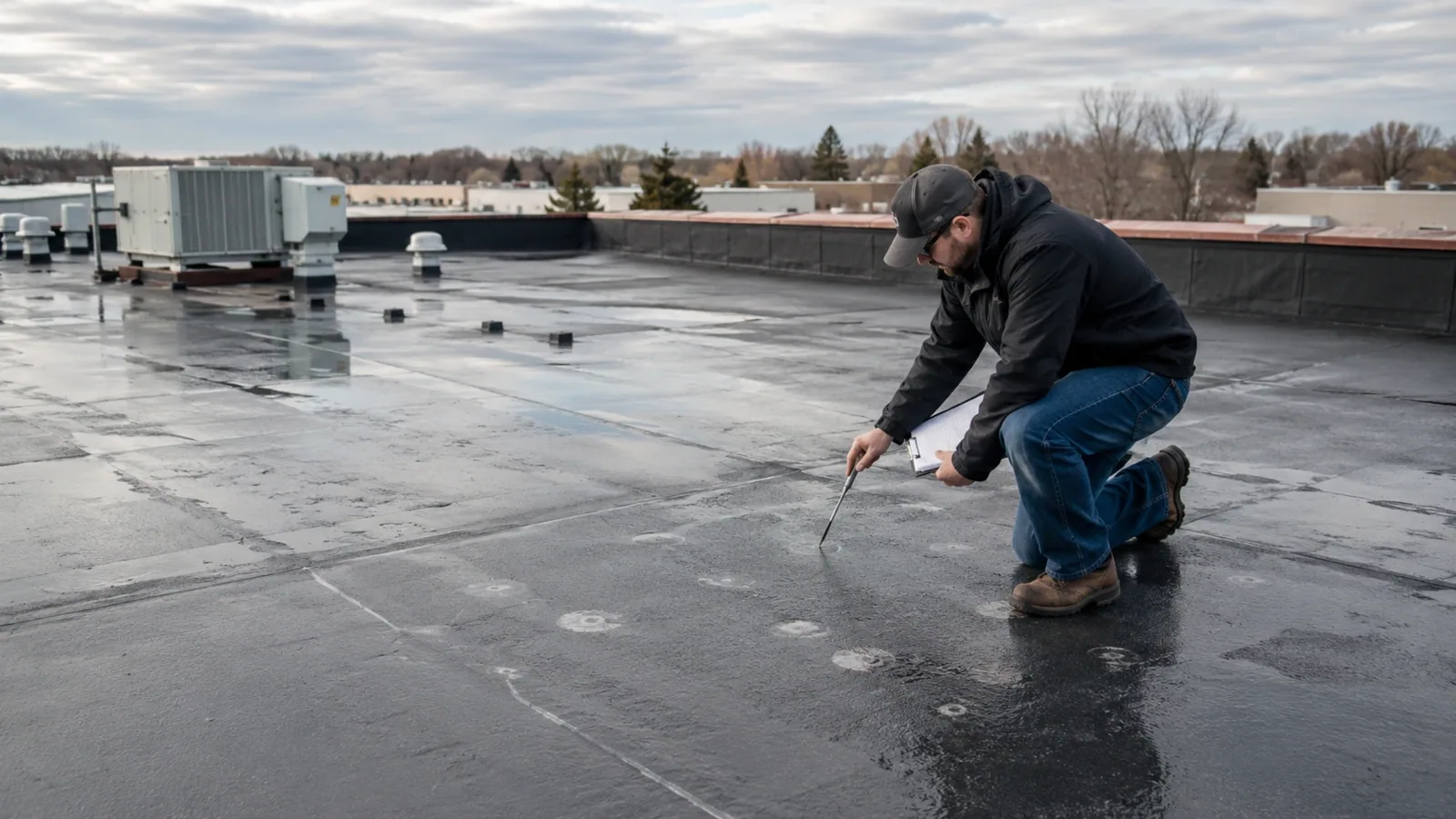
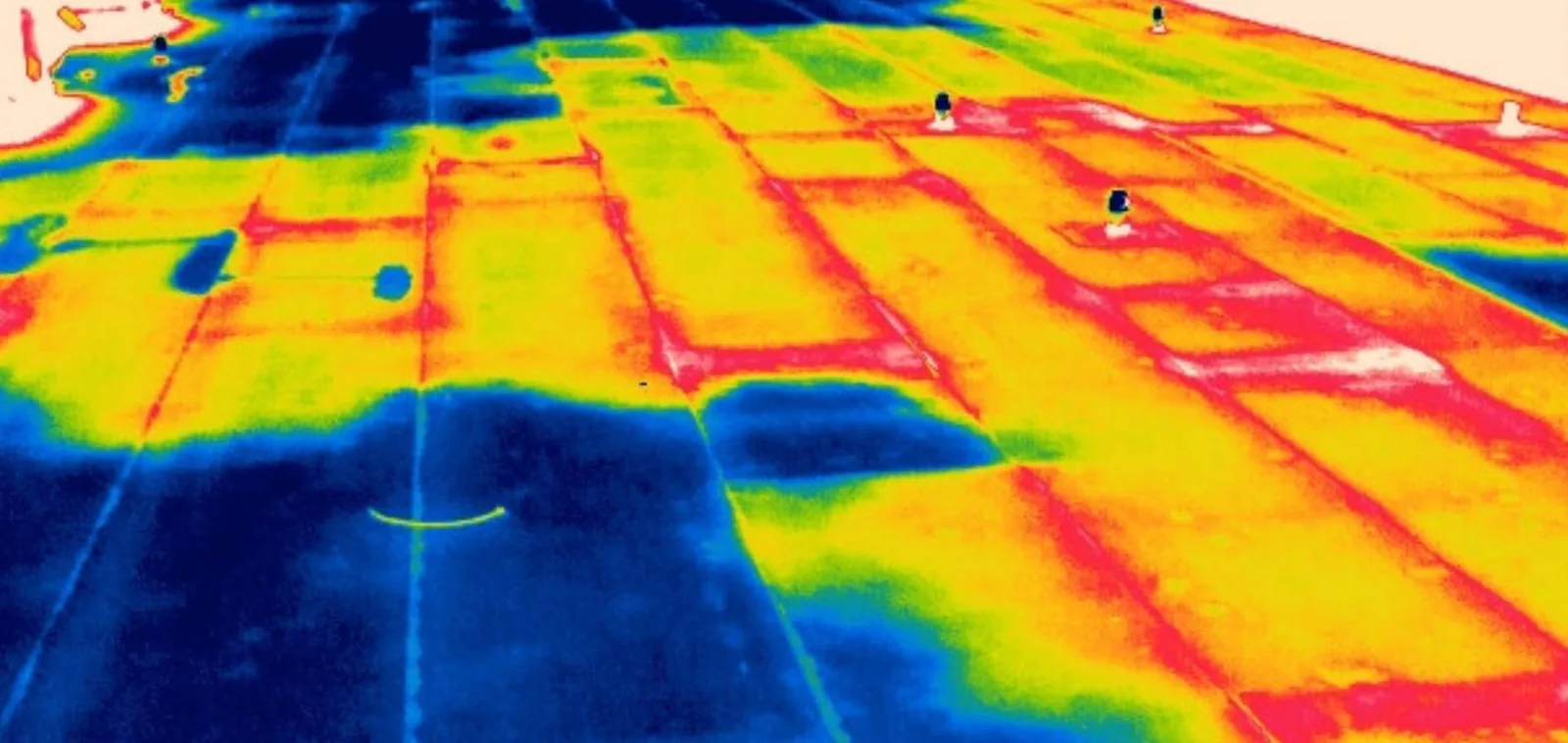
The edge is reviewed from roof membrane to fascia or wall, including metal cleats, fasteners, splice plates, end dams, corners and joints. We look for loose sections, corrosion, open seams, uplift, sealant failure and signs that water has passed behind the metal. A coping cap may appear intact from the ground while its attachment or membrane termination is loose. We document the condition from the roof and identify whether the assembly can be repaired locally or needs a continuous replacement detail.
Gutters and downspouts are checked for secure hangers, open joints, debris, sagging and discharge path. The outlet should carry water away from the building without spilling onto an entry or wall. A gutter that is clear but separated from the roof edge can still allow water behind the fascia. We record the condition of the adjoining membrane and any drain or scupper connection before deciding which trade work belongs in the scope.
Check movement and attachment
Wind puts pressure on perimeter components and can expose a weak attachment or open joint. Athens lies in a region with damaging thunderstorm winds, hail and tornado activity, so after a severe event we inspect the actual edge for displacement, missing fasteners, lifted flashing and membrane separation. After a reported storm, we inspect Athens roof edges for shifted coping, open joints, loose cleats and damage to adjacent membrane. The report identifies what was observed at the building, how much of the edge was accessible and whether a larger review is needed.
Metal expands and contracts with temperature, and long runs need joints or details suited to movement. A repair that locks the metal in place without addressing its connection can shift the stress to another joint. We check corners, transitions and terminations with the roof system in view. If the membrane has pulled away at the perimeter, the scope may include rebuilding the edge termination as well as replacing visible metal. A wind-damage assessment can record storm-related conditions across other roof areas.
Keep runoff off walls and entries
Gutters, scuppers, leaders and downspouts work as a path, so we follow water from the roof edge to its discharge point. We look for a slope that holds water, an outlet blocked by debris, a loose downspout or a splash point at a wall. If a scupper releases onto a lower roof, we check the receiving area and membrane detail rather than treating the opening alone as the entire drainage system. The correction should match the roof geometry and connect to a functioning outlet.
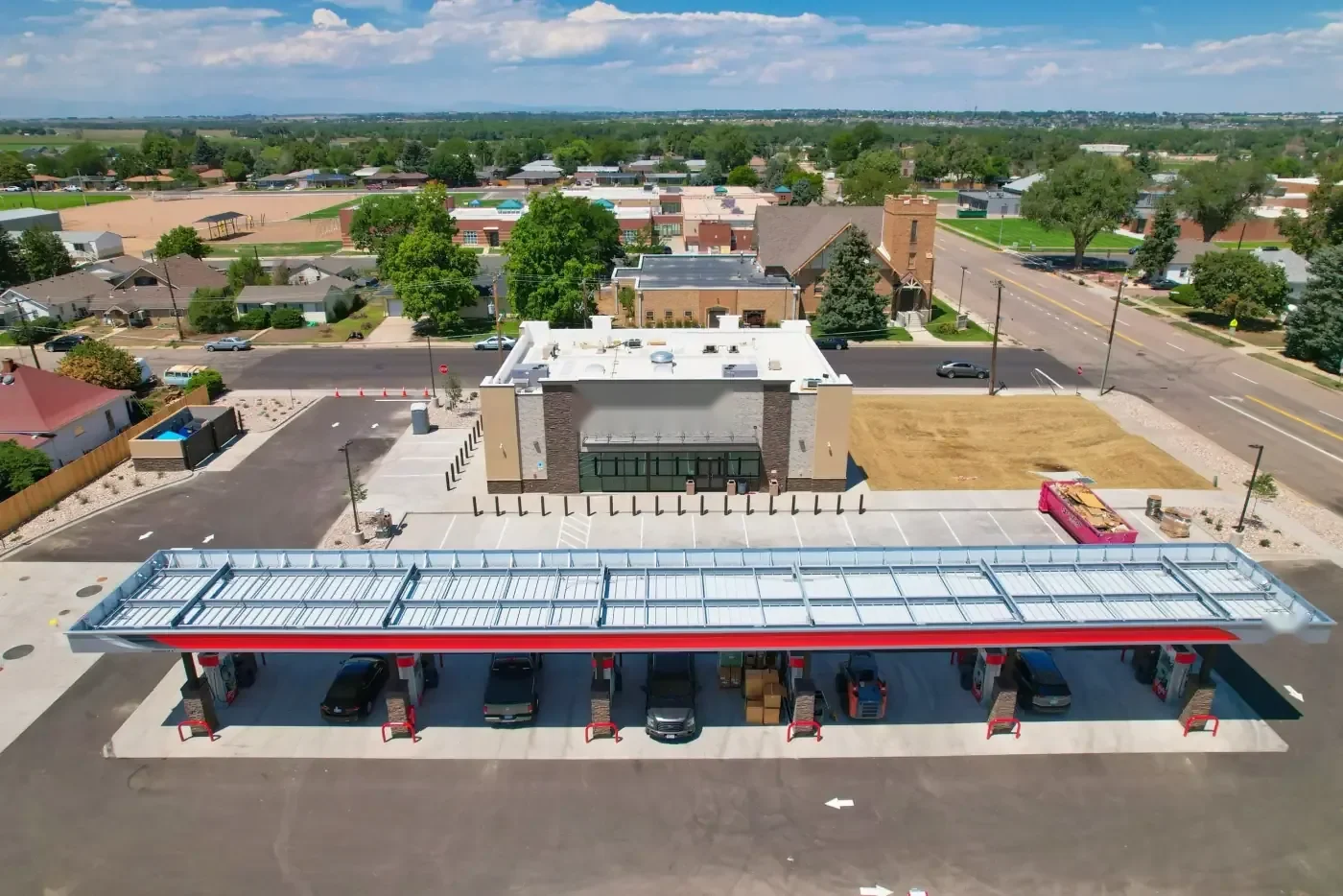
At a property near Prince Avenue, limited sidewalk space can shape lift and material staging. A commercial site at US 29 North may have a different vehicle route. We confirm where debris can be placed, how the work zone is protected and which entrances must remain available. Any discharge change that affects grade drainage or municipal systems is identified for the owner’s review instead of being assumed within a metal repair.
Match the metal to the roof
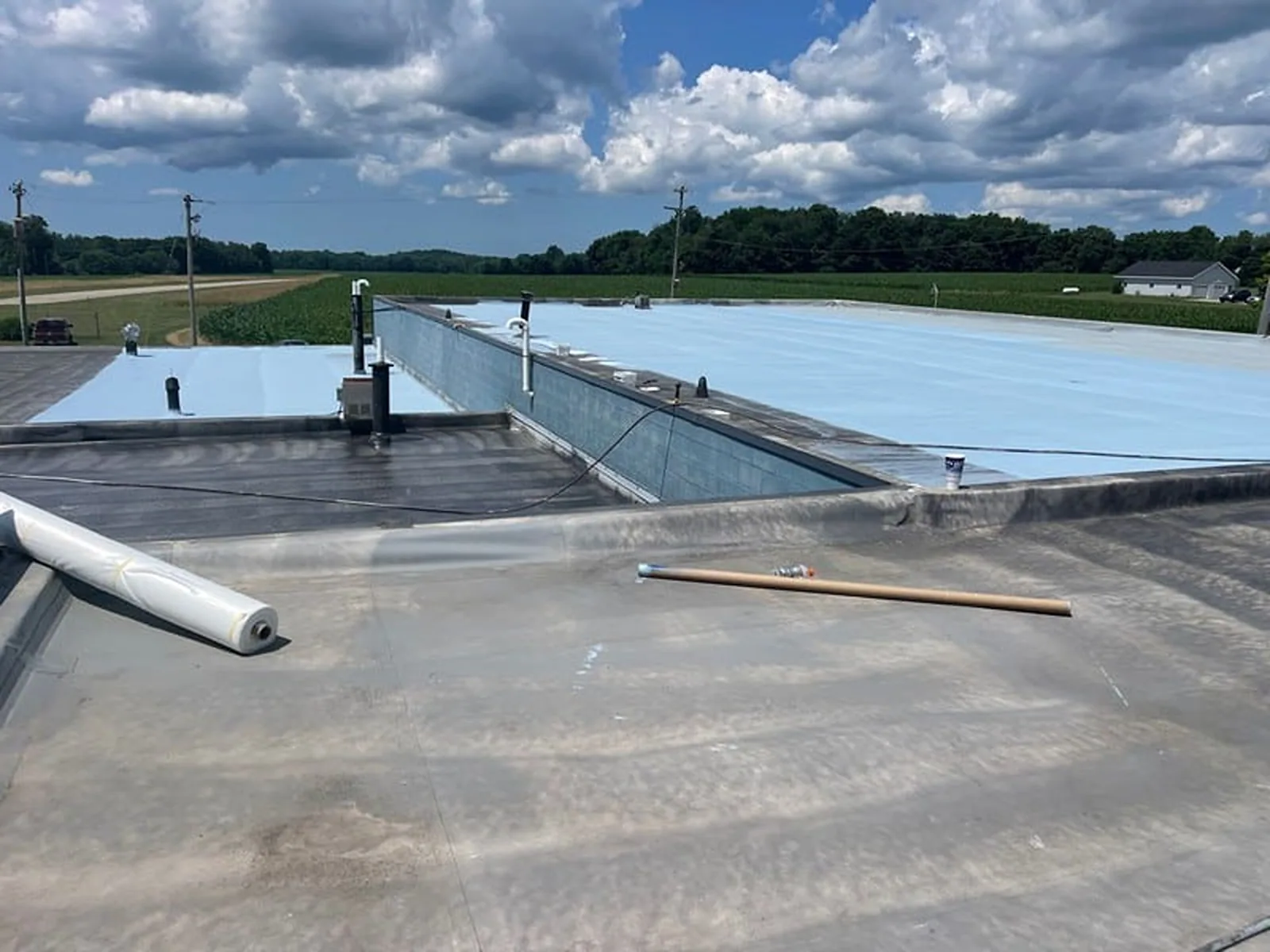
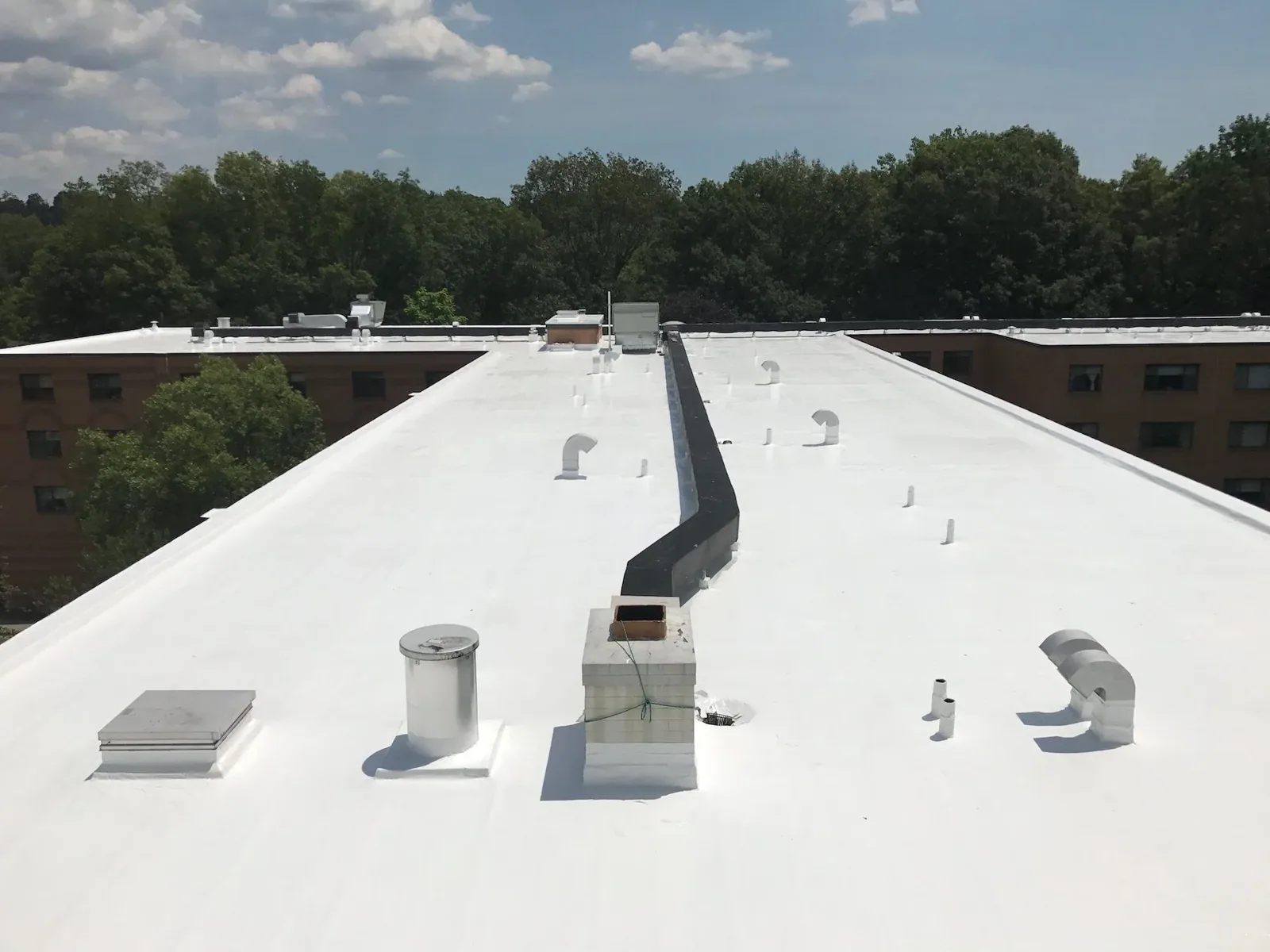
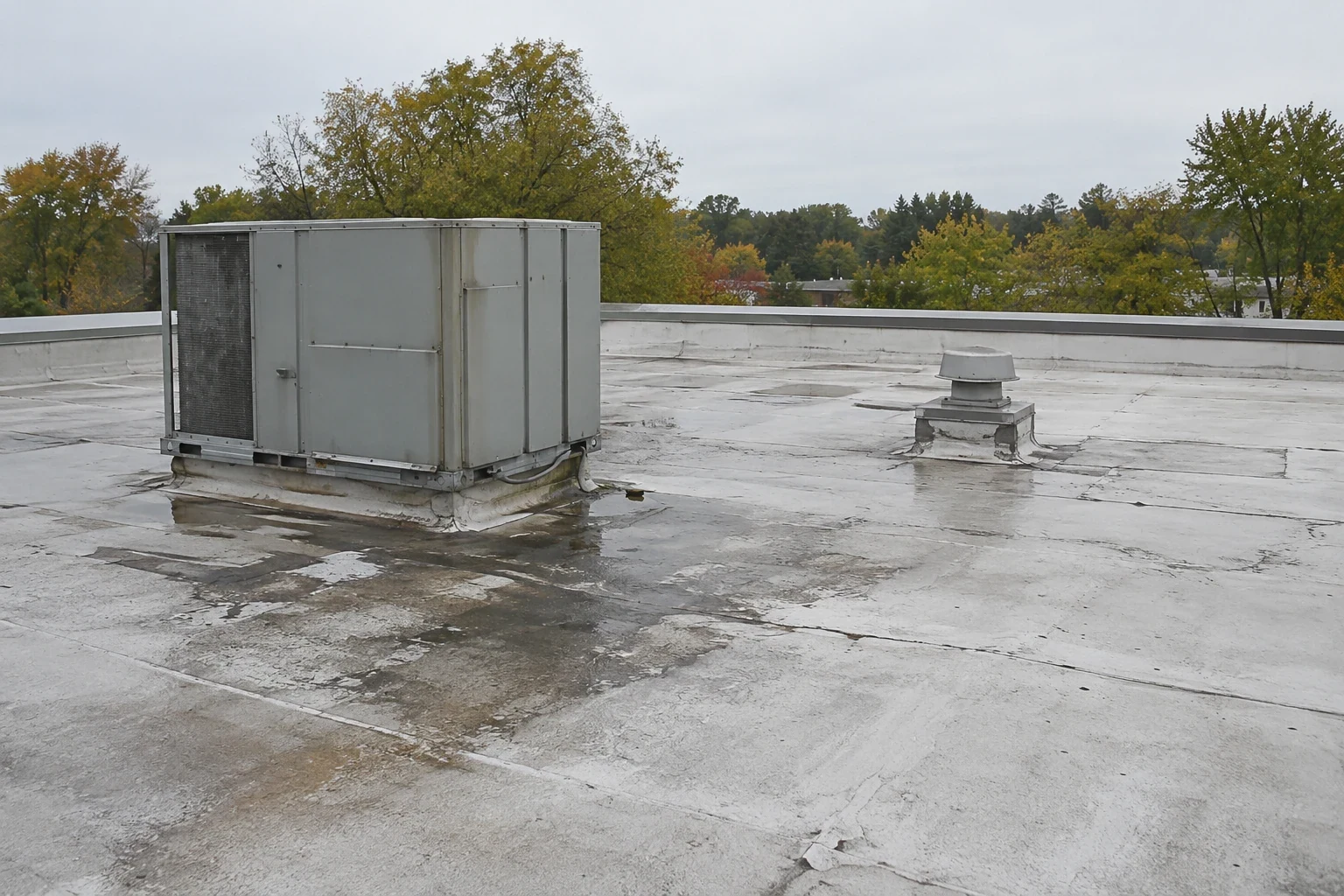
Edge work must be compatible with the membrane and attachment details. We identify whether the roof is TPO, PVC, EPDM, modified bitumen, built-up, coating or metal before selecting a termination method. The proposal names the metal profile, fastening or cleat approach, splice and corner details, and how the membrane will tie in. Where the existing edge has several patch layers or concealed deterioration, selective opening may be needed to determine what substrate can accept new attachment.
We also check roof height and drainage changes before replacing coping or gutter sections. New insulation or a recover may raise the finished field and affect the metal interface. If the perimeter is part of a broader roof recover or replacement, the edge detail should be included in that assembly scope rather than priced as a disconnected accessory. A drainage correction can be coordinated when outlets or scuppers share the perimeter work.
Sequence the installation safely
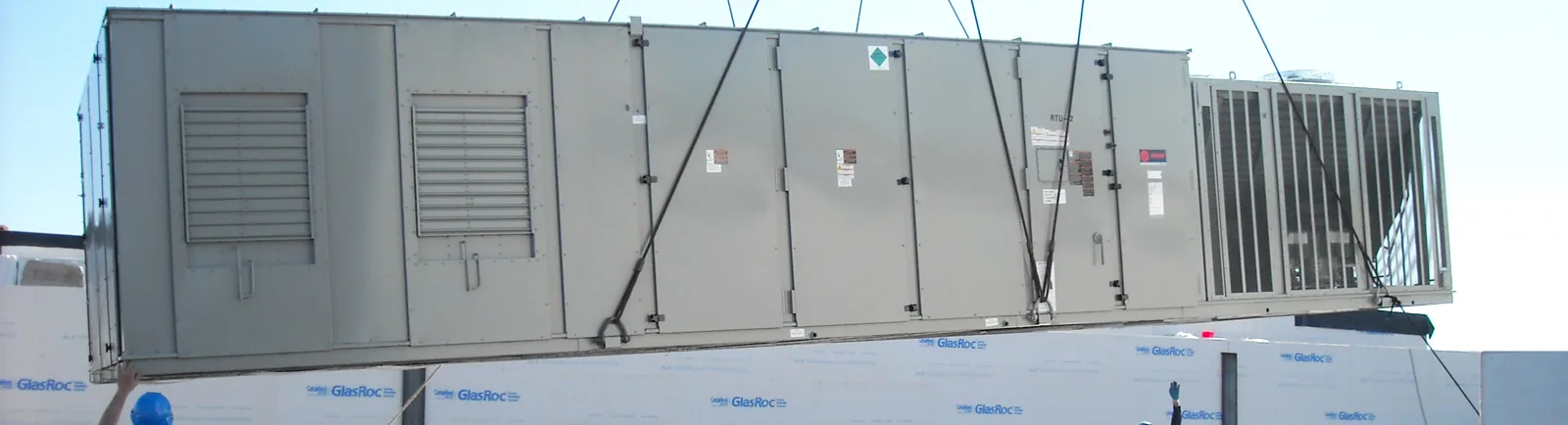
We coordinate roof access, lift or crane needs, material delivery, pedestrian routes and loading restrictions with the property contact. Long metal pieces need a delivery and handling path that avoids occupied entrances and rooftop equipment. The crew removes only the length that can be secured and rebuilt in the planned shift, then closes the membrane transition and checks the joint before moving on. If a weather hold is needed, the exposed edge is protected at an agreed stopping point.
Daily turnover includes the length completed, materials installed, any areas not accessed and the next phase’s route. At a school, hospital or retail building, staff should know when an entrance or loading bay changes. We leave the work area clean and check that gutters and outlets are free of metal cutoffs or fasteners. Photos document the completed edge and any remaining condition requiring a separate scope.
Review the perimeter before pricing
Share the building address, reported leak or wind condition, photos from a safe location, roof plans and any access restrictions. We will inspect the coping, fascia, gutters and connected membrane and mark the area that needs work. If replacement height or roof assembly work is planned, provide that scope so the edge can be detailed consistently.
Commercial Roofing Athens can prepare a perimeter repair or replacement scope with attachment, water discharge, access and sequencing identified. Schedule a roof walk to map the staging location, occupied routes and weather hold point before the metal work is priced.
Frequently Asked Questions
Can you replace only a damaged section of coping?
Often, if the adjoining lengths, joints, substrate and membrane tie-in are sound. We inspect corners and neighboring connections before defining a splice or replacement boundary. If the attachment has failed along a broader run, a small patch may leave the same condition in place nearby.
Why does a gutter leak behind the fascia?
A separated joint, loose hanger, poor slope or disconnected roof edge can send water behind the metal. We follow the runoff route and inspect the fascia, membrane termination and discharge point. The repair scope names the failing connection rather than assuming a new gutter alone will solve it.
Can wind lift coping without tearing the roof membrane?
Yes, perimeter metal and membrane terminations can fail differently. We inspect attachment, joints, cleats and the membrane edge, then record which components moved. A regional wind event is context; the recommendation comes from the condition visible at the property.
Will a roof recover affect the coping height?
It can. Added insulation or membrane thickness may change how the field meets the edge and whether existing metal can remain. We review the proposed finished height and include a compatible termination detail before the recover begins.
Do you check where downspouts discharge?
Yes. We follow the gutter outlet and downspout to the visible discharge point and record loose connections, blockage or water landing at a wall or entry. Changes beyond the roof and gutter assembly are identified separately for the property owner to coordinate.