Commercial Roofing in Normaltown and Prince Avenue, Athens, GA
Home / Service Areas / Normaltown and Prince Avenue
Normaltown and Prince Avenue
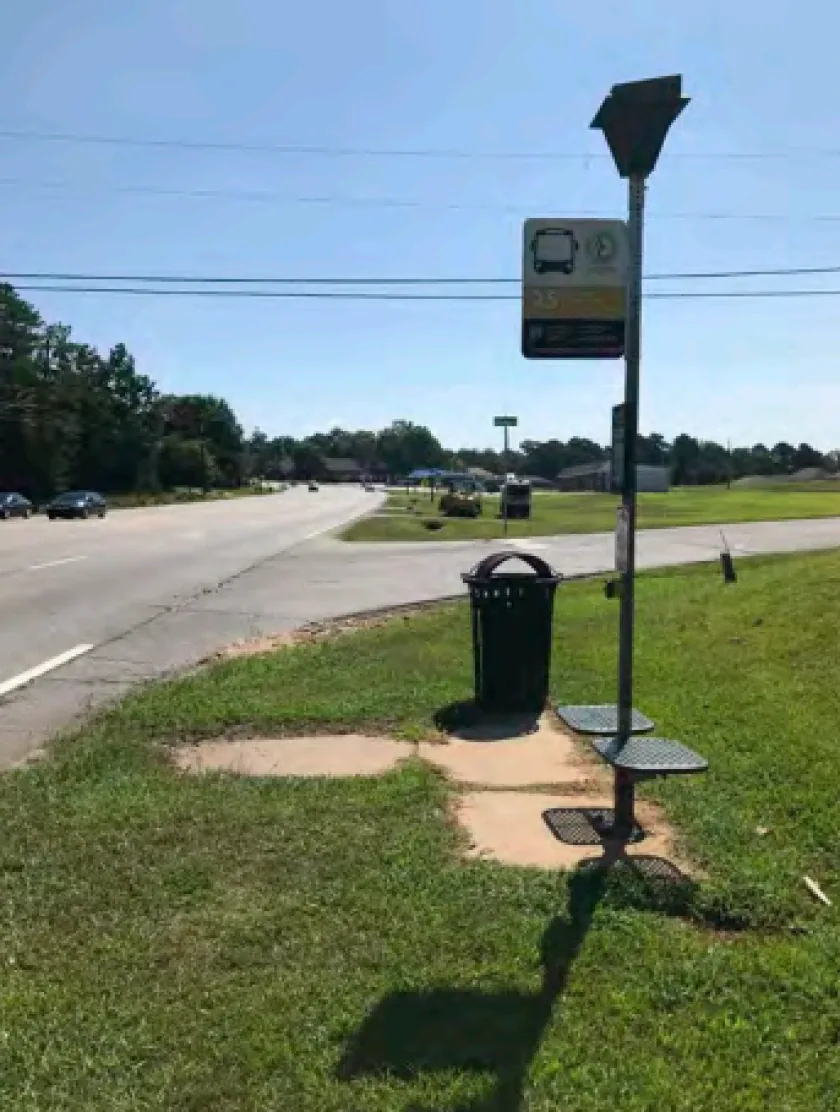
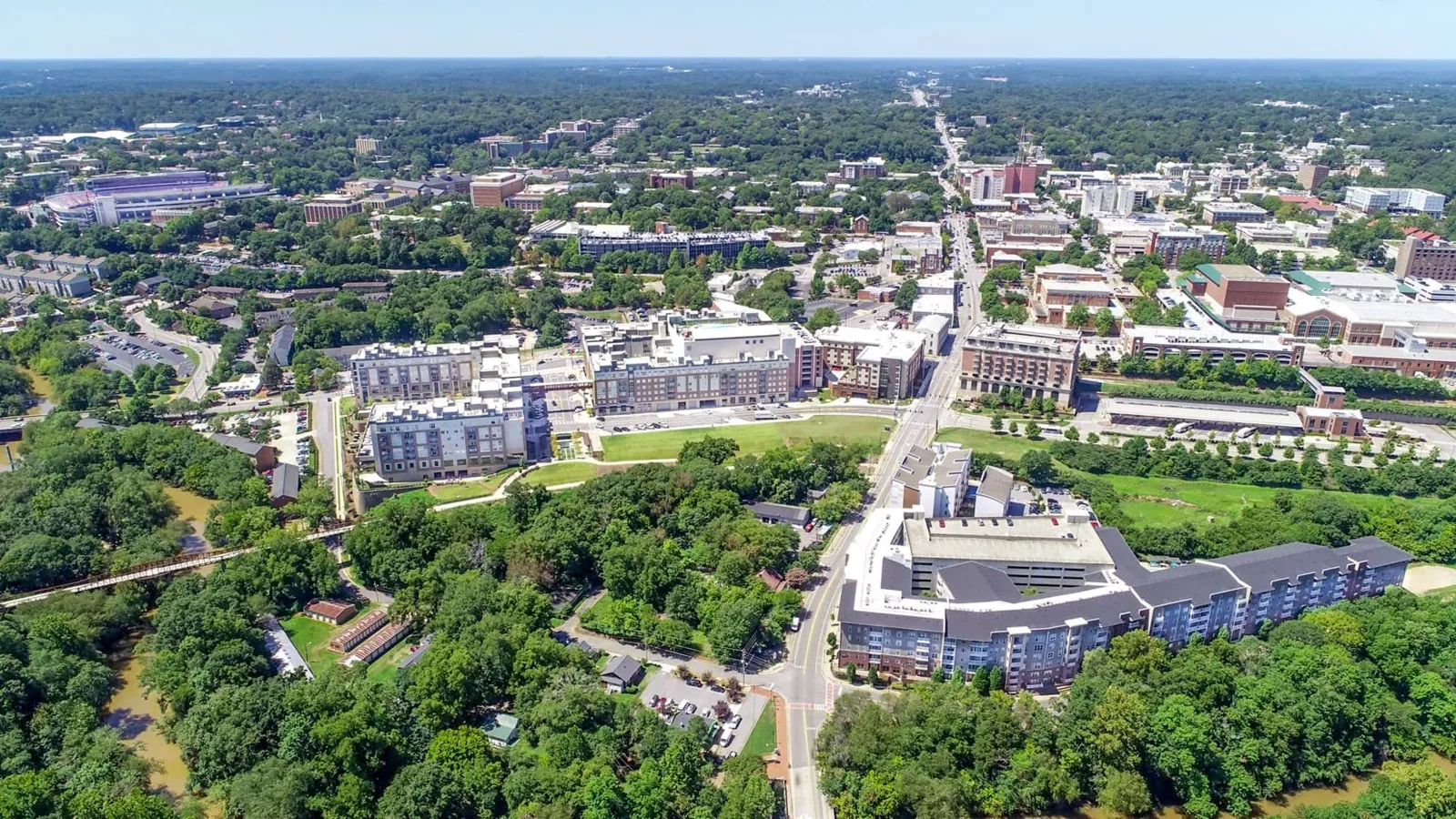
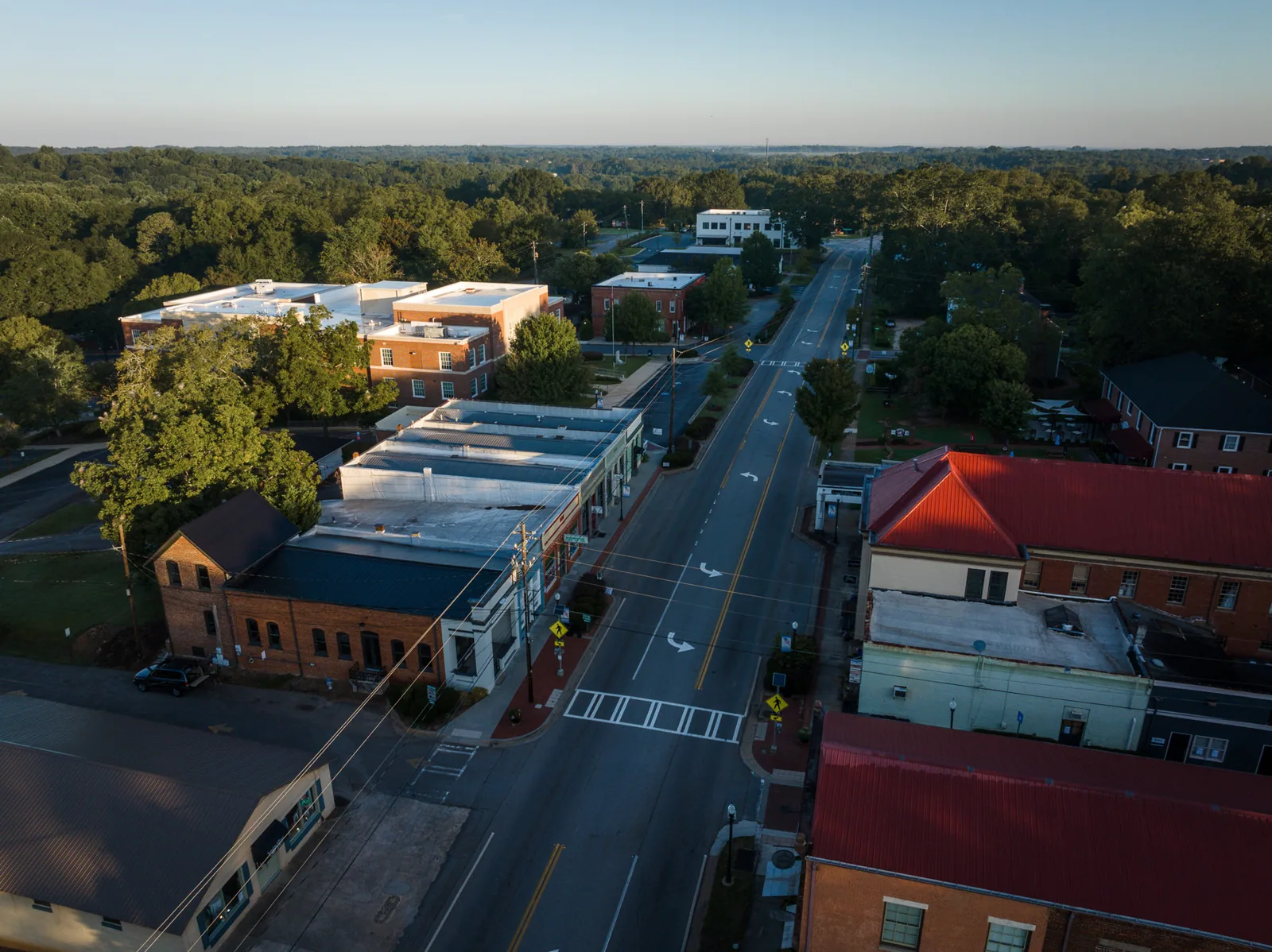
Prince Avenue business hours and the approved material route shape roof work in Normaltown. The neighborhood centers on Prince and Oglethorpe avenues, west of Boulevard and Cobbham, with restaurants, coffee shops, bars and local businesses along the corridor. UGA’s Health Sciences Campus has added activity alongside retail and service uses, so a roof visit begins by confirming the selected property, contact and work window. Normaltown’s medical, campus and retail uses bring different building schedules; we confirm roof details and tenant access during survey planning. We inspect the actual surface, map seams, drains, flashings and penetrations, then set a phased plan that protects the occupied area below. Athens’ hot humid summers and frequent warm-season storms affect material staging and how much roof can be opened. Before mobilization, the contact receives a pedestrian route, dry-in point, weather-hold process and daily handoff tied to the building’s schedule.
Plan deliveries along the business corridor
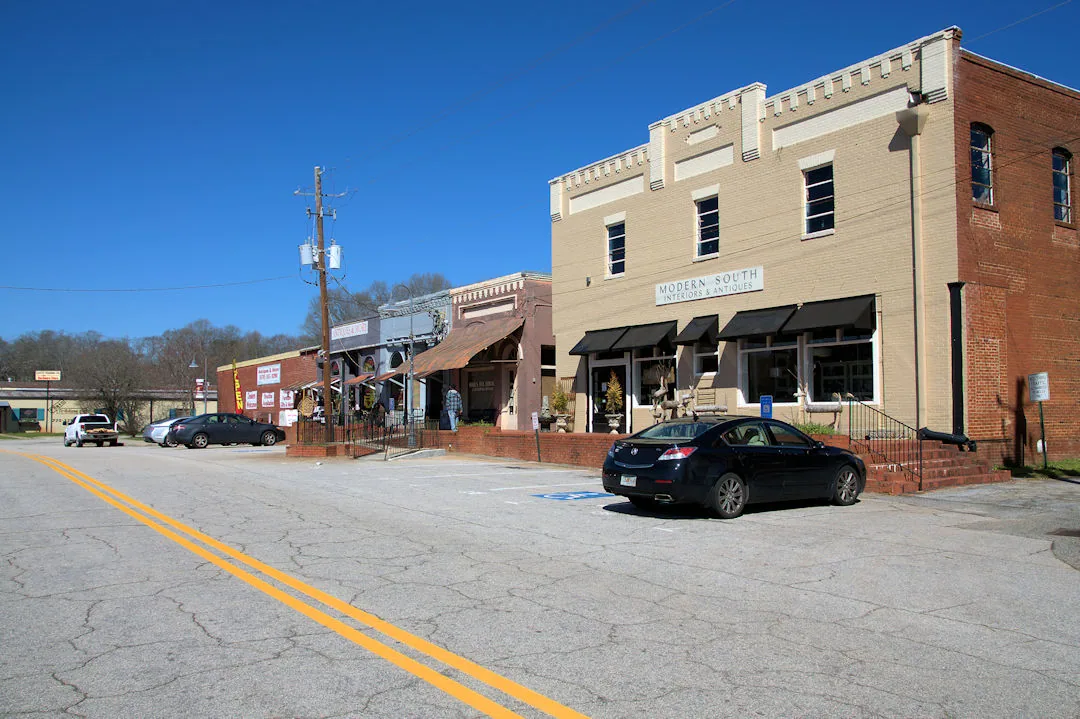
Before a truck, lift or crew arrives, we confirm loading access, overhead clearance, the receiving window and where materials can be secured. The property manager identifies customer entrances, service paths and any route that must remain open. A crane pick or lift requires its own setup location and pedestrian boundary, and the ground route is checked for daily cleanup at shift end. The property contact confirms tenant notices, delivery hours and access restrictions before work is scheduled. If work is near Normaltown commercial area or the Boulevard Historic District, we confirm that property’s approvals separately. The building name and address go on the mobilization sheet so instructions for one part of Normaltown are not carried into another.
Document the roof detail and likely path
We inspect field membrane, seams, patches, perimeter metal, wall flashings, drains, scuppers, skylights, curbs and penetrations, then place each photograph on a roof-zone map. A leak report identifies where water appeared inside, but its route can cross before reaching the ceiling. The field lead compares the interior symptom with roof details and records what is visible. Suspected wet insulation or concealed deck damage may require infrared testing or a test cut before removal is priced. Existing layers and attachment are checked before recover is considered. A hands-on inspection records surface and detail conditions, while a condition report separates confirmed defects from recommended tests. If active water entry needs immediate protection, that temporary step is documented separately from the lasting repair and the area still needing verification.
Keep options tied to confirmed conditions
A localized flashing or seam repair can work when surrounding membrane and substrate remain in serviceable condition. Broader moisture, repeated failures or damaged deck can point to replacement rather than another patch. A recover requires a review of layer count, attachment, drainage, perimeter height and applicable requirements. Coating work depends on a compatible and dry surface. We show how the evidence supports each option and identify the cost drivers: measured area, tear-off, disposal, insulation, deck repair, equipment moves, access restrictions and the number of details to rebuild. A concealed condition that may change scope is named before the owner approves work. A targeted roof repair can address a confirmed issue; restoration or replacement may fit a broader assembly problem. The proposal separates quantities we have measured from items that need testing.
Schedule by occupied section
The sequence connects each roof section to the occupied rooms below, the route for material and the handoff time. We confirm tenant notice, noise windows, service access and equipment availability with the property contact. The crew protects the interior, removes only the area that can be dried in and installs the specified layers before moving to another section. Drains, wall transitions and curbs are completed and checked before release. If an unexpected deck condition changes the assembly, the lead protects the open boundary, records the finding and waits for approval on added work. The laydown area is replenished only for the next section, keeping customer paths and roof storage controlled. An occupied-site sequence can stage work in short phases; curb coordination sets the equipment access before a membrane detail is closed. The property manager receives each schedule adjustment before crews shift zones.
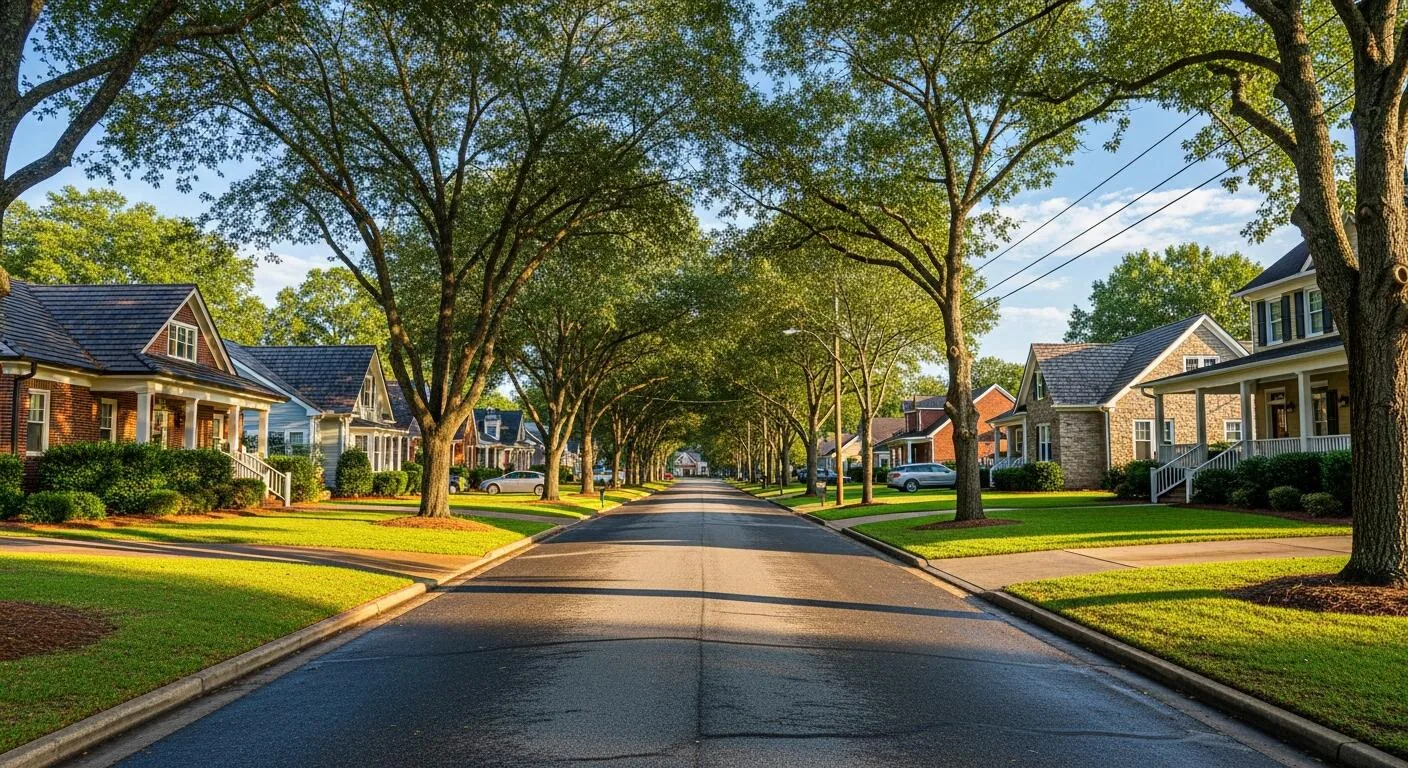
Where several businesses occupy one building, management identifies the suites under each roof zone and the hours when noise, odor or access changes would create a conflict. The contractor coordinates any lift or delivery with the approved contact and protects the public route through the work period. We close each shift with the tie-in secured, debris removed and temporary protection checked. If a historic designation or other property rule applies, the owner confirms the relevant approval before work changes a visible exterior detail; the roofing team does not infer those requirements from the neighborhood name.
Set the storm stop before tear-off
Frequent warm-season thunderstorms in Athens can narrow the roof window, so we decide the exposed-area limit before removal starts. Temporary protection is staged and the contact who can call a hold is named. The field lead checks conditions during the shift, secures loose materials and closes the tie-in at the agreed dry-in point. If lightning, rain or wind makes roof access unsafe, the crew stops at the safe boundary and protects the opening when conditions allow. The contact receives the secured-area status and a revised work window. Warm-season storms can shorten a Normaltown work window, so each shift ends at a protected tie-in and dry-in point. If the property reports a weather event, we inspect and photograph the actual membrane, flashings, edge metal and drainage before permanent repairs change the evidence. An emergency response can stabilize an active opening, with the permanent scope prepared after the roof is safe and accessible.
Close the phase with an address-level record
We inspect the completed seams, drainage, curbs and transitions, then match closeout photos to the roof-zone map. The report lists work performed, materials identified from approved documents, open tests, inaccessible areas and the person responsible for the next decision. The property contact confirms that the ground route, loading area and barriers are returned to the condition agreed for turnover. Any temporary protection is labeled separately from permanent repairs. Because Normaltown includes business activity around Prince and Oglethorpe and a health-sciences campus, one address’s work log should stay tied to that building. The closeout makes a future maintenance visit easier to scope without reusing assumptions from Five Points or Prince Avenue. Contact Commercial Roofing Athens to schedule a roof walk and map the access, delivery and weather-sensitive sections with the property manager.
Frequently Asked Questions
Does the Health Sciences Campus determine the roof scope for nearby businesses?
No. The campus is a nearby institutional use, but every address receives its own survey, access plan and condition record.
How do you schedule around Prince Avenue businesses?
The property contact confirms customer hours, loading, service access and any quiet window. We then set deliveries, barriers and work sections around those current instructions.
Can you locate moisture without removing the roof?
An infrared survey can help target suspected areas, but readings may need confirmation with a test cut. The report distinguishes a signal from a confirmed wet assembly.
What decides whether to repair or replace?
The extent of moisture, repeated defects, membrane attachment and deck condition shape the choice. We show the inspection evidence and any test still needed.
How do you protect a roof if a storm interrupts the shift?
The crew stops at the safe boundary, secures the open area where conditions allow and updates the contact. Work resumes after access and the tie-in are checked.