Data Center Roofing in Athens, GA
Home / Property Types We Roof / Data Center Roofing
Data Center Roofing
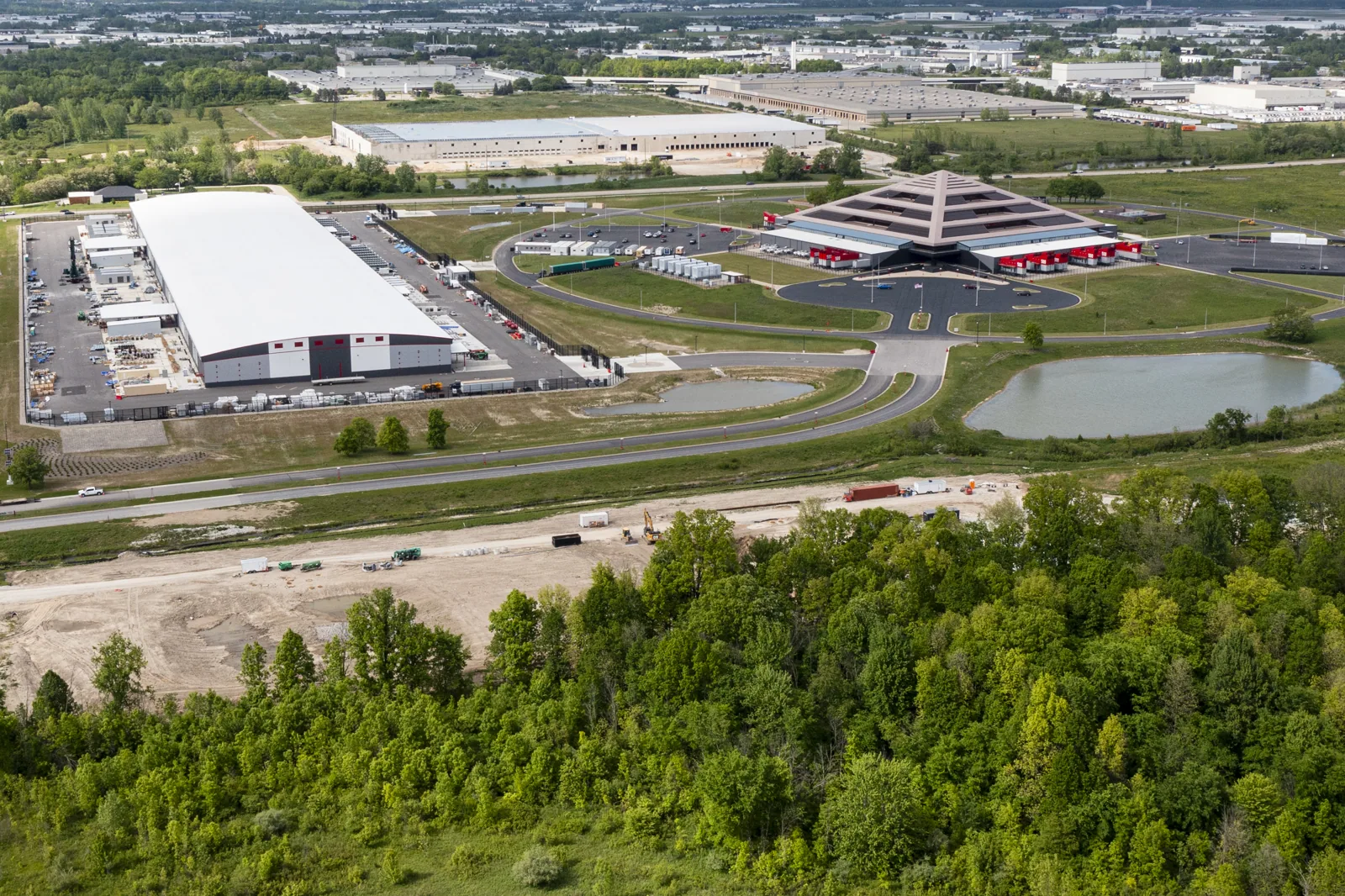
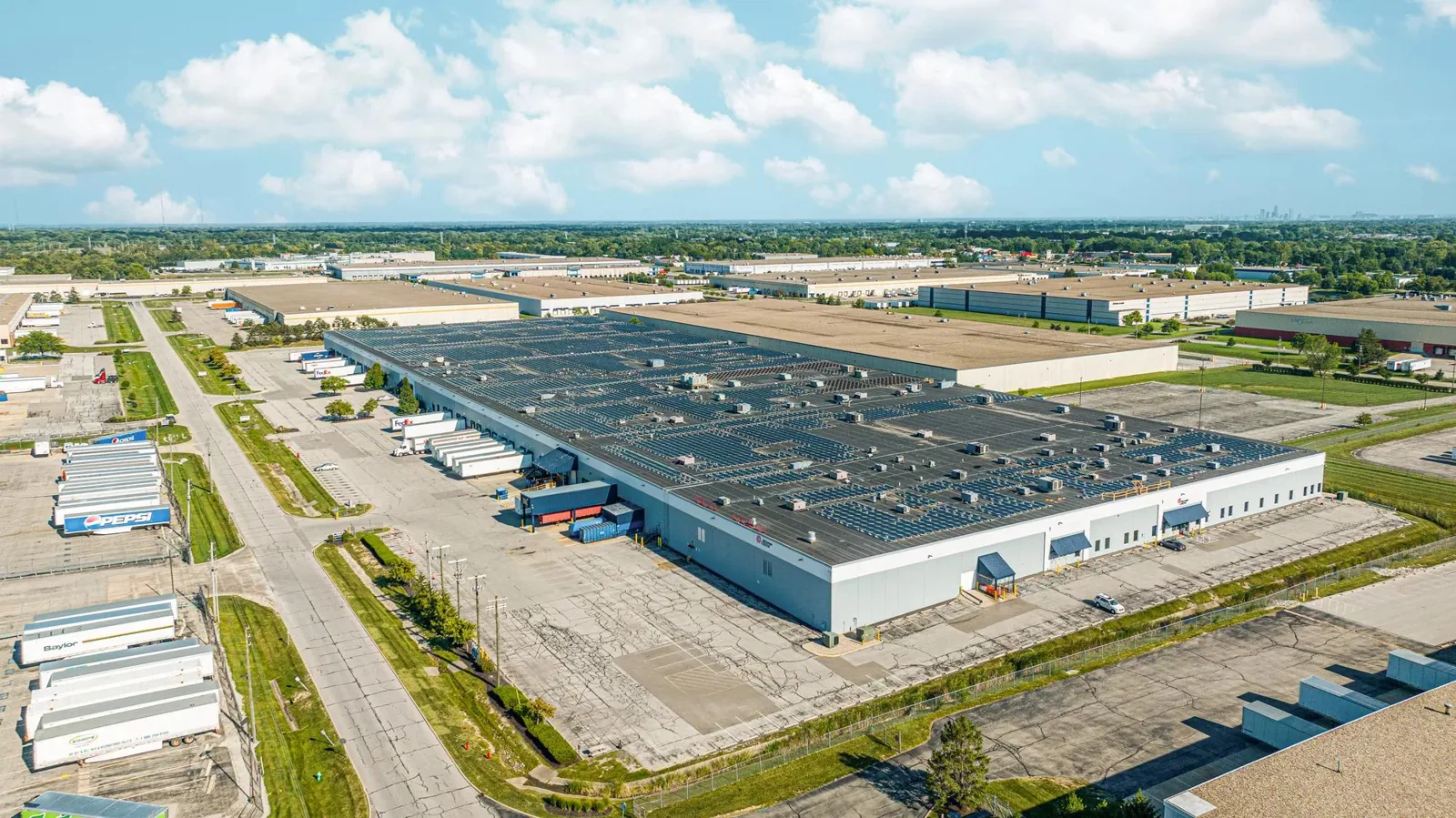
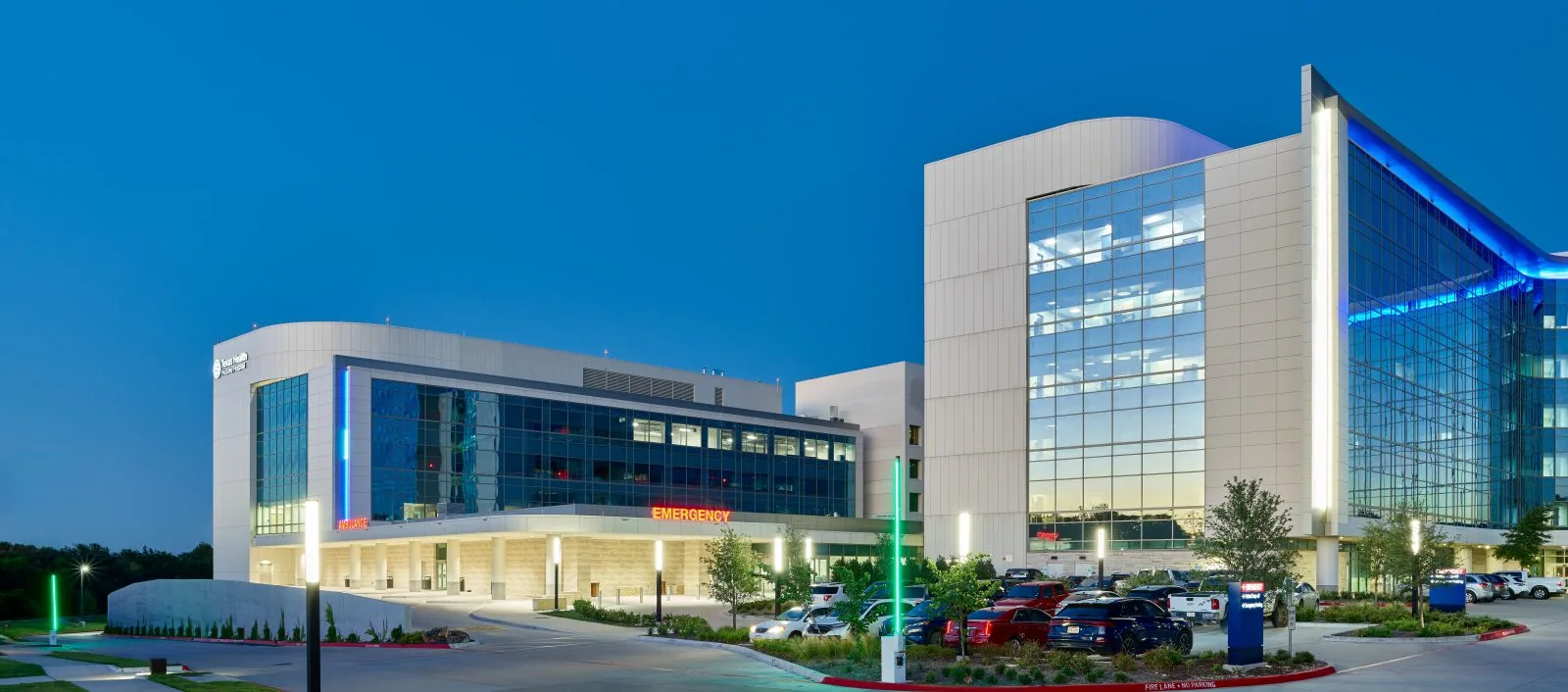
Cooling loads, power routes and security controls shape the roof plan for a data center. We coordinate with facilities before opening a roof area, identify equipment that must stay live and mark where water intrusion could affect critical rooms. In Athens, institutional and advanced-manufacturing facilities are part of the commercial building mix; Athena Industrial Park and the Atlanta Highway corridor require different material routes and site-access checks. We inspect the actual assembly and agree on escorts, work windows and protection controls before recommending repair, recovery or replacement.
Document roof risk without interrupting service
The survey identifies membrane seams, metal edges, drains, penetrations, equipment supports and any prior repairs that could affect water control. We map findings against the mechanical and electrical layout the facility provides, then record which questions require testing. A roof inspection can produce photographs and a condition report; a drone survey can supplement access to broad or restricted areas where flight and site rules allow. Neither method replaces coordination with the facility team or verifies concealed layers by itself.
Leak reports should include time, weather, room, and equipment status. We compare that log with roof details, then identify whether a core or moisture test is needed. If an alarm indicates a potential water event near a critical area, the facility's response process comes first while we secure the roof boundary and trace the entry path. The report distinguishes immediate protection from permanent correction. For a suspected wet section, we define the sample area and interior protection before opening the assembly, so the facility can approve the test without leaving a sensitive space unplanned.
Coordinate cooling units and rooftop routes
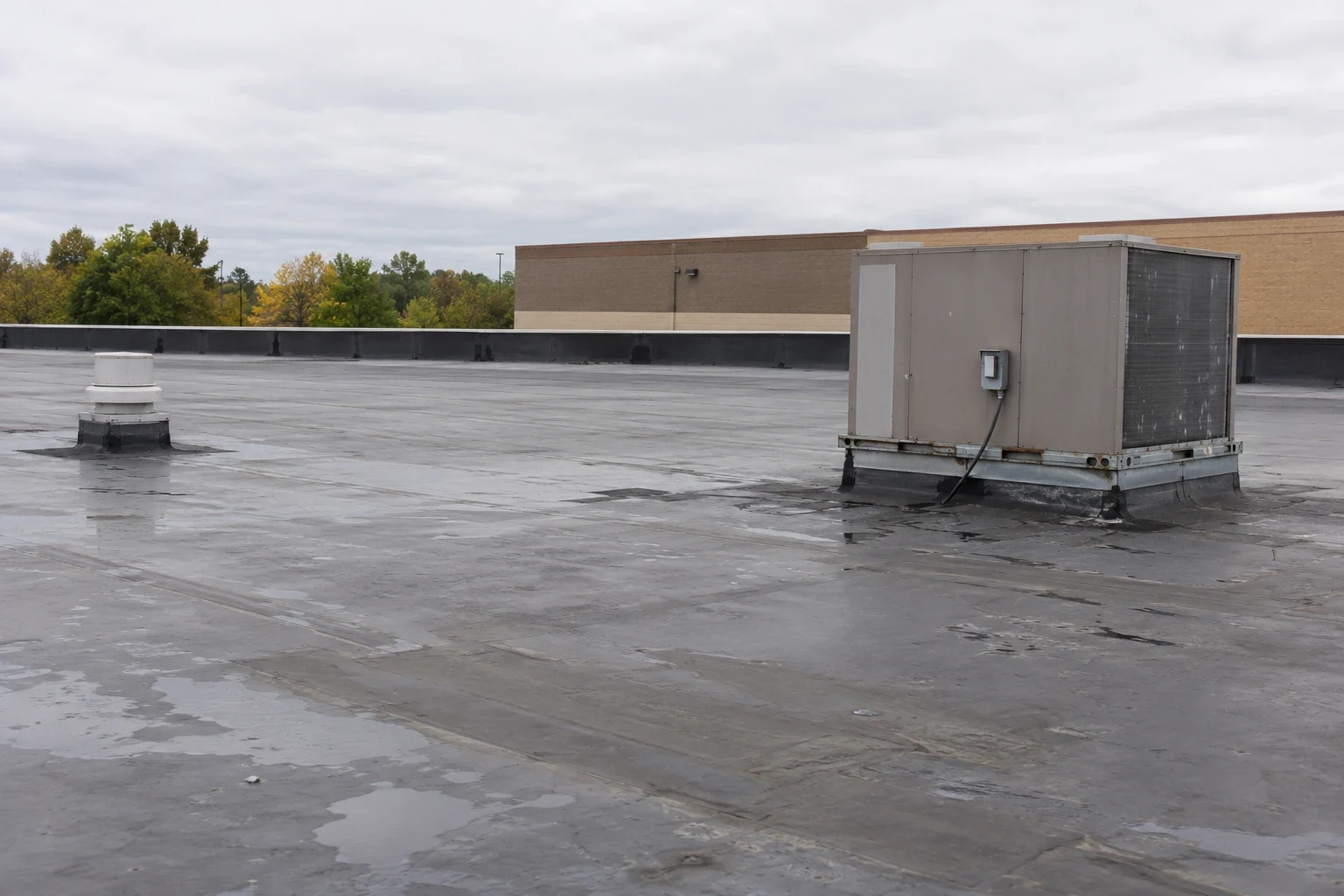
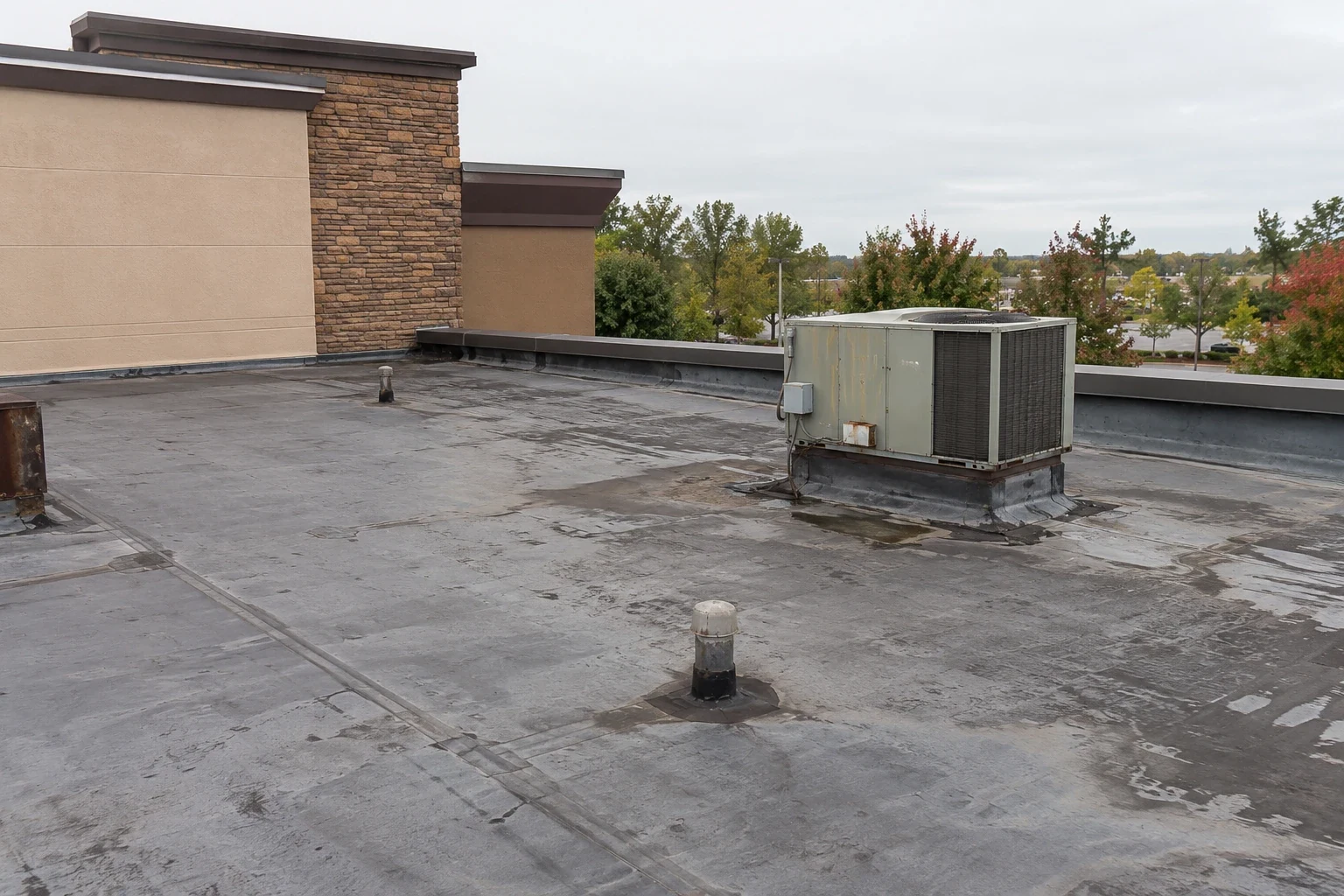
Rooftop chillers, condensers, conduits and service platforms require clearances that remain usable after roofing. We document curb heights, attachment, flashing condition, condensate discharge and the route a technician uses to reach each unit. A curb and support plan coordinates equipment work with roof details and identifies who can authorize isolation or temporary shutdown. The roof scope should define where protective covers are installed, who removes them and what inspection confirms that the equipment remains operational.
Drainage is equally important near cooling equipment. Condensate or roof runoff should not be sent toward a curb, cable entry or low area. We trace roof slopes and confirm that drains and scuppers are open. A drainage review can be scheduled before new insulation or membrane changes outlet elevations. If the existing roof supports a recover, we still need to verify moisture and ensure that added height preserves service clearances. The phasing map assigns a roof zone to each work shift and calls out any access route that must stay unobstructed.
Set security and work authorization
Data-center access may require advance badging, escort, screening, approved devices or restricted photography. The property contact defines those rules; we document them in the mobilization plan and verify the authorized crew list before arrival. Material deliveries need inspection and a staging point that does not cross a controlled entrance. Crane picks, roof ladders and any temporary closure are confirmed with security and operations. If a work window depends on a maintenance period, the facility manager identifies who releases it and who can extend the hold if roof conditions require more time.
The crew communicates through the agreed site contact and keeps the active boundary limited to the work phase. Before each shift ends, the field lead confirms the temporary dry-in, removes debris, clears access paths and reports any change that could affect equipment. If a penetrated detail requires a temporary cover, the responsibility for monitoring and removal is assigned. The turnover record lists completed zones, open items and any follow-up check needed, so operations know which zones are complete and what must be checked before the next crew returns.
Select an assembly for the confirmed conditions
Roof system choice follows deck type, attachment, drainage, wind design and service access. A TPO membrane may be considered for a compatible low-slope assembly, while KEE roofing may be evaluated where its specified properties fit the project. The design needs to address insulation, edge securement, curbs, cable entries and future unit replacement. We review submittals and available roof records, then identify any structural or code questions for the design professional before installation begins.
Where only a local area is affected, repair may avoid a broad disruption if the adjacent roof is sound. If widespread moisture or attachment failure is found, replacement may better resolve the underlying condition. A commercial office roof or manufacturing roof may share some membrane details but has different operational controls. Uptime needs, access restrictions and equipment dependencies set the sequence for the actual facility.
Protect critical areas through weather holds
Athens' hot, humid summers bring frequent thunderstorms, while the regional severe-weather profile includes damaging wind, hail and seasonal tornado risk. We set the daily opening limit and identify a protected tie-in before tear-off or membrane work. A weather hold can change lift timing, material handling and the size of the active section. The operations contact receives the status before crews move equipment or expose the next area. A controlled roof boundary helps the facility maintain its own contingency steps if rain arrives sooner than forecast.
After a storm or interruption, the crew inspects temporary work, drainage, exposed edges and completed seams before resuming. We report any observed water entry or material movement and coordinate the next step with facility operations. Athens’ severe-weather season informs the data-center roof response plan, including access contacts, staged protection and a defined weather hold. The scope and any insurance documentation follow observed conditions and the facility's authorized incident records.
Plan a controlled roof assessment
Provide roof plans, equipment layouts, access rules, incident logs and current maintenance windows. Identify the facility lead, security contact, authorized escorts and any restrictions on cameras or materials. We can review the roof with operations, define sample locations and write a sequence for inspections, repairs or replacement. The assessment should state which systems remain live, where protection is required, how work is released and what confirms turnover at each phase.
Commercial Roofing Athens can schedule a secure roof walk with the facility's authorized representatives. The resulting scope will identify roof conditions, access needs, equipment coordination, weather holds and unresolved testing questions. Contact us to discuss data-center roof work in Athens, GA and define the review process before mobilization.
Frequently Asked Questions
Can roof inspections happen without taking cooling systems offline?
Often, if the access route and inspection limits avoid equipment shutdown. We confirm the roof plan and safe clearances with facilities, then coordinate any unit access with the responsible technician.
What information helps trace a data-center roof leak?
A time-stamped event log, room location, equipment alarms and maintenance records help us compare the report with seams, drains and penetrations. We inspect the roof and identify testing needed to confirm concealed moisture.
How do you handle security during roof work?
The facility's access rules control crew approval, escort, equipment and photography. We confirm those requirements before mobilization and keep deliveries, staging and roof entry within the authorized plan.
Can a roof replacement be phased around maintenance windows?
Yes, when roof sections, tie-ins and equipment dependencies are defined in advance. We work with operations to set a release window, a daily dry-in limit and the person who approves turnover.
Does Athens weather affect data-center roofing?
It affects when crews can lift materials, open a section and complete exposed work. We set weather holds and protective boundaries, then inspect those transitions after a storm before resuming.