
Commercial Skylight and Penetration Flashing in Athens, GA
Home / Commercial Roofing Services / Commercial Skylight and Penetration Flashing
Commercial Skylight and Penetration Flashing
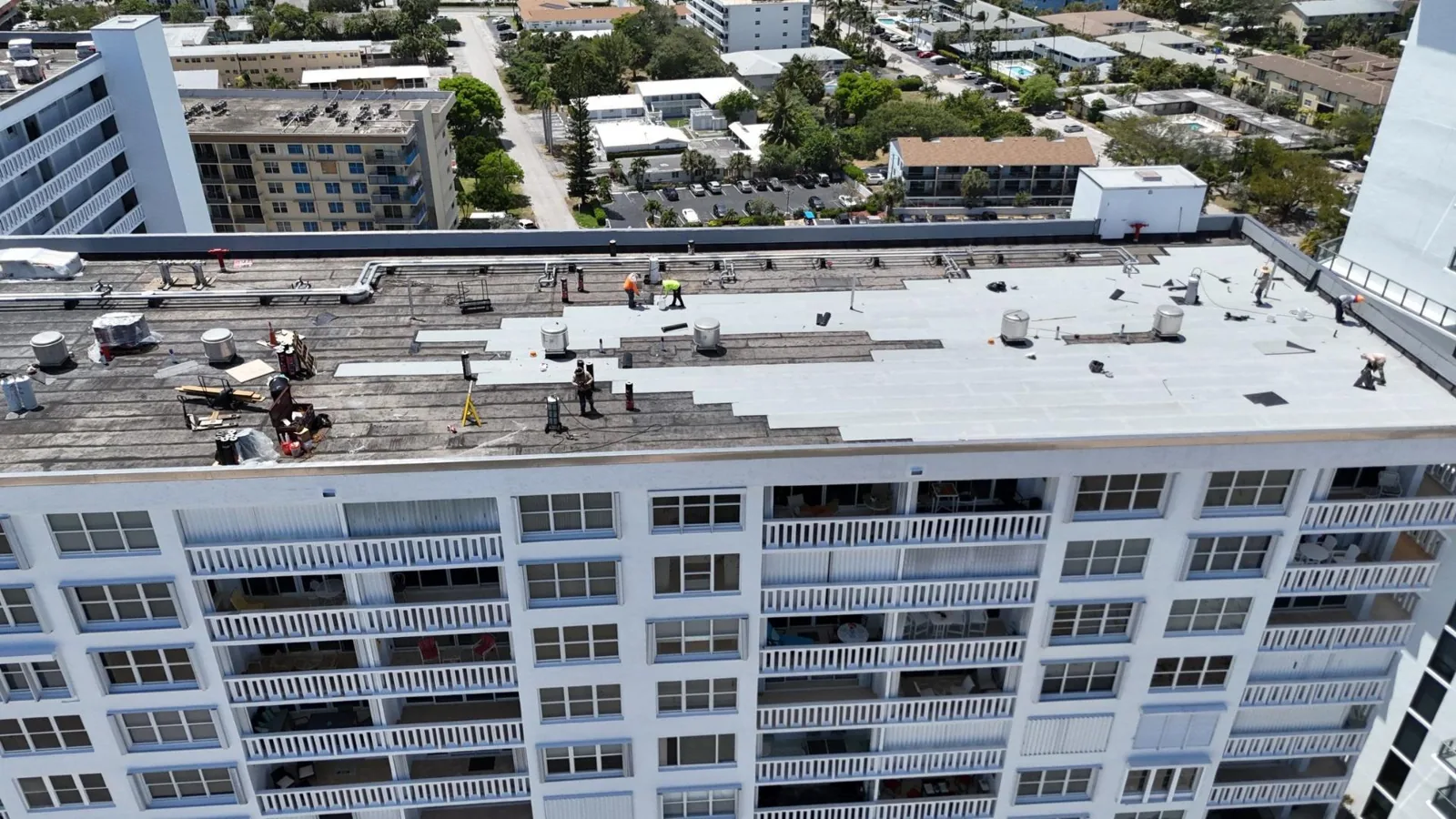
A skylight or rooftop penetration interrupts the roof field, so its curb, flashing and membrane connection need to work as one detail. We inspect the opening, fasteners, counterflashing, sealant and surrounding roof, then trace any leak report across adjacent seams and slopes. At a university building or a healthcare facility near Piedmont Athens Regional, access may need to avoid occupied rooms and service routes; at the retail corridor around Beechwood-Alps, delivery and customer paths can control staging. We coordinate with the property contact, document the condition and specify the flashing repair before material is selected.
Inspect curb and membrane together
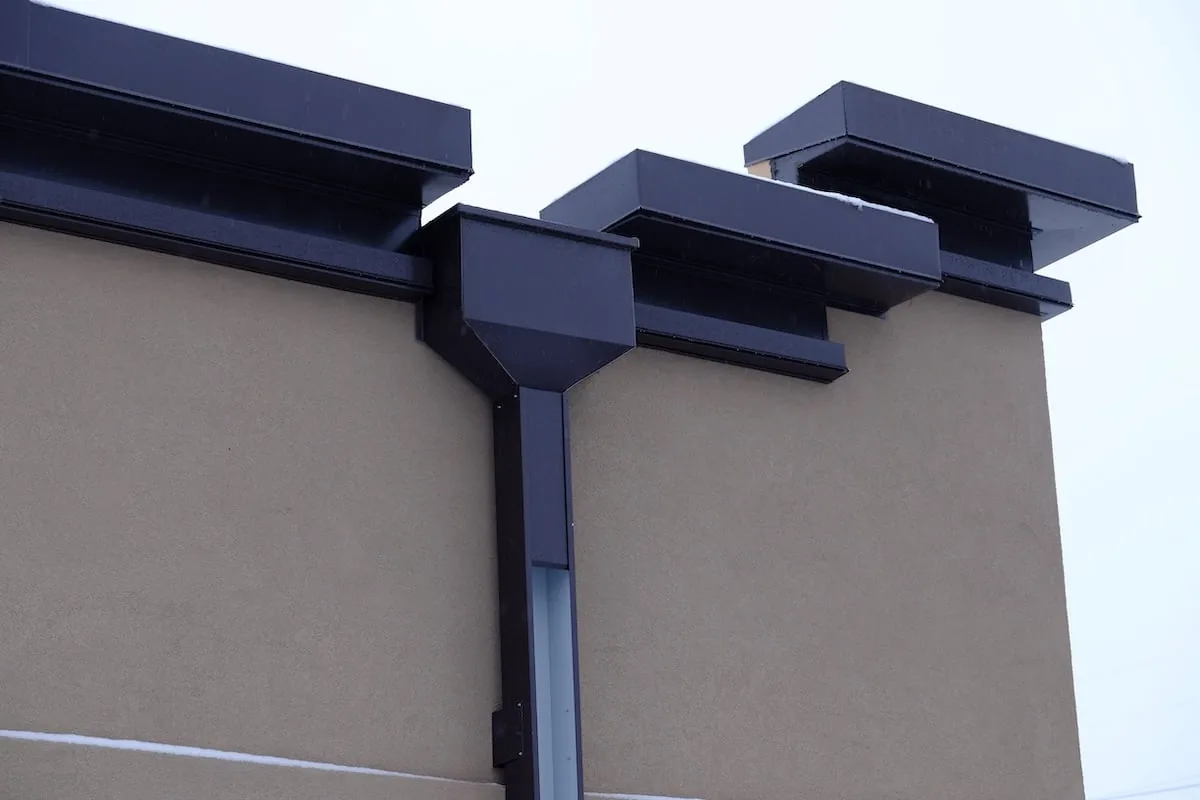
We check whether the curb is secure, whether the skylight frame or penetration moves, and whether the roof membrane turns up high enough to connect with the flashing. Cracked sealant can be one symptom, but the underlying cause may be a loose curb, failed corner, open counterflashing or incompatible patch. We inspect the full perimeter and the roof area above the feature to identify how water approaches it. If the curb or roof substrate is concealed, the report records what must be opened to confirm its condition.
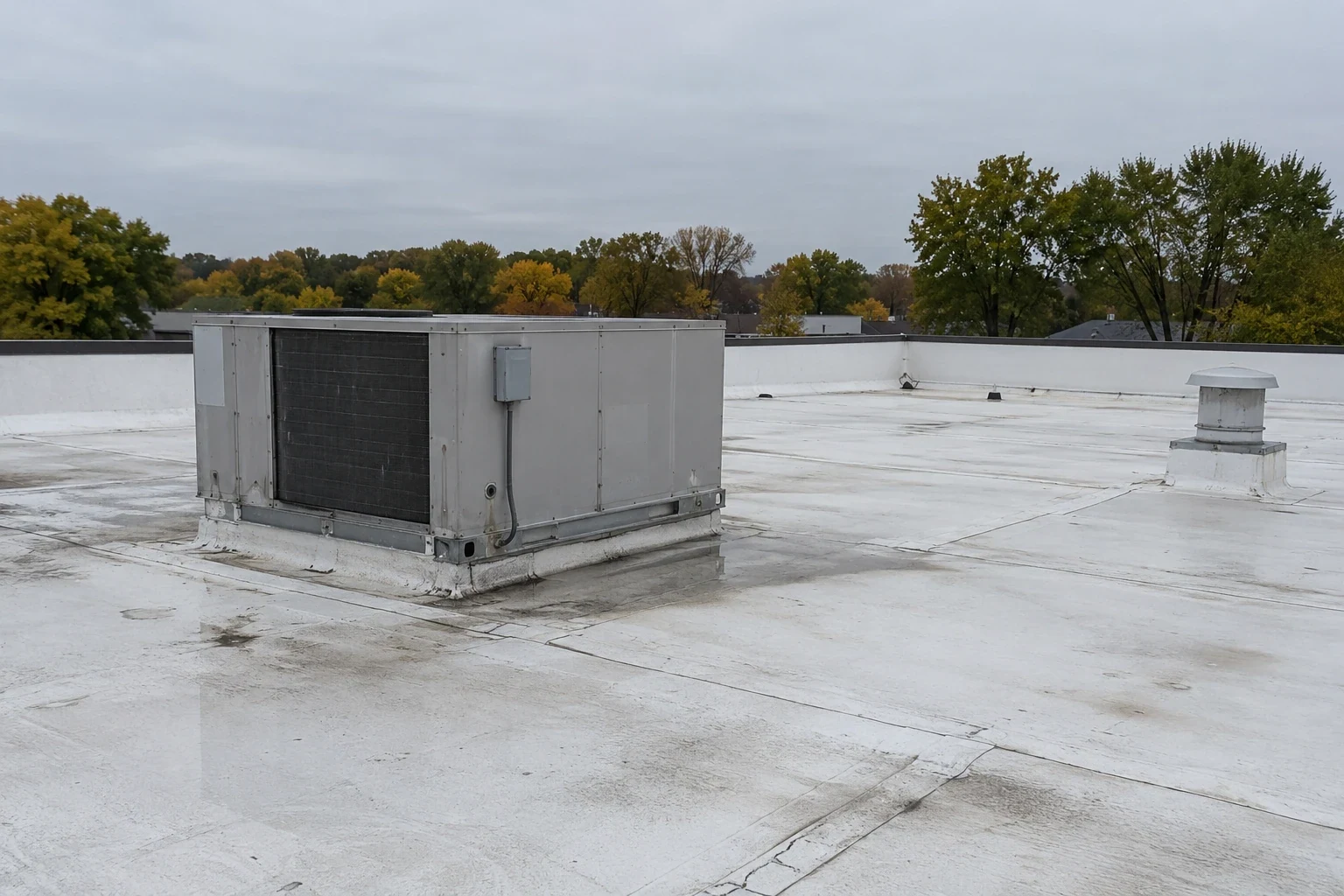
On a rooftop unit, conduit or pipe, a penetration boot or pitch pocket has its own maintenance needs. We review attachment, boot condition, sealant, pitch-pocket fill and nearby membrane, then identify the repair that restores the transition. A patch placed only over a visible split may leave movement or substrate damage unchanged. The work scope names the opening, material, prep, flashing detail and tie-in so the manager can compare the proposal with what was observed.
Trace the route before resealing
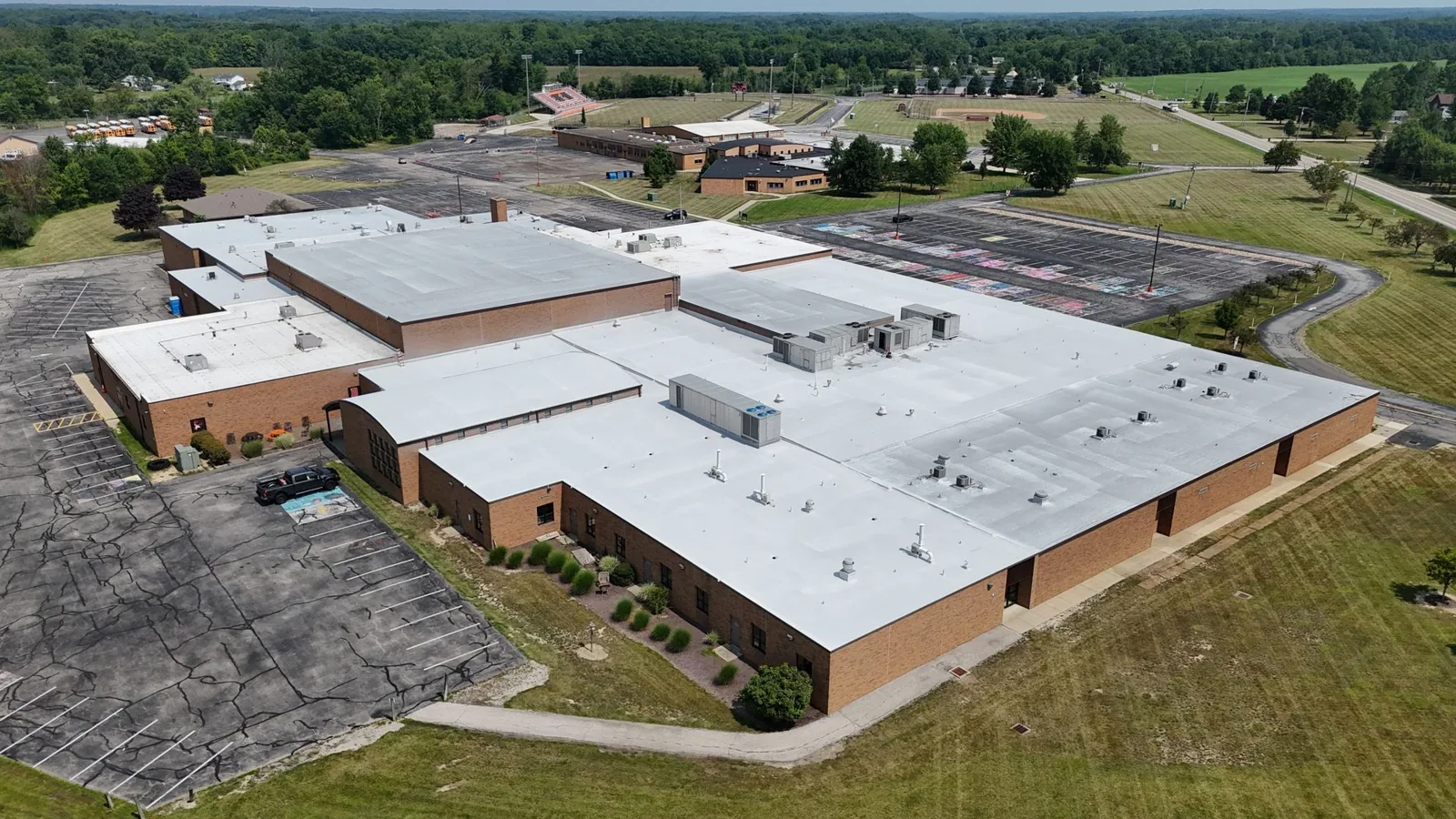
Water at a ceiling or wall may enter at a skylight, but it can also travel from a seam, curb or higher roof area. We compare the interior report with the roof slope, the opening, nearby drains and flashing. If moisture is suspected around the curb, we document the visible area and consider test cuts or an infrared moisture survey to evaluate hidden materials. Imaging helps select areas for confirmation; it does not prove that all material near a warm pattern is wet.
When the entry point is clear, repair may involve removing failed sealant, rebuilding a curb flashing, replacing a boot or restoring membrane at the opening. We select methods compatible with TPO, PVC, EPDM, modified bitumen or the roof material identified during inspection. If the skylight itself is cracked or no longer functions as intended, the opening and unit should be reviewed together. An active leak can receive a temporary dry-in while a full repair scope is prepared.
Protect people below the opening
Before work, the property contact identifies the room below the skylight, any fragile ceiling or equipment, and whether occupants need notice. We set a roof-side work zone, protect the interior where appropriate and coordinate any lift, ladder or material route. For a building on the Normaltown commercial area, access planning may include clinical and academic schedules; the manager confirms the requirements for the specific building. A similar skylight at Beechwood-Alps may call for coordination around store hours, deliveries and customer routes.
We check whether replacing or modifying the skylight changes the assembly or requires permit review. Under Athens-Clarke County’s current adoption, the local code applies Georgia amendments to the 2024 International Building Code, effective January 1, 2026. The actual project scope and address determine what review applies; we do not assume that resealing, curb work and unit replacement follow identical requirements. Any planned work around existing glazing is coordinated so the opening remains protected at shift end.
Schedule a complete tie-in
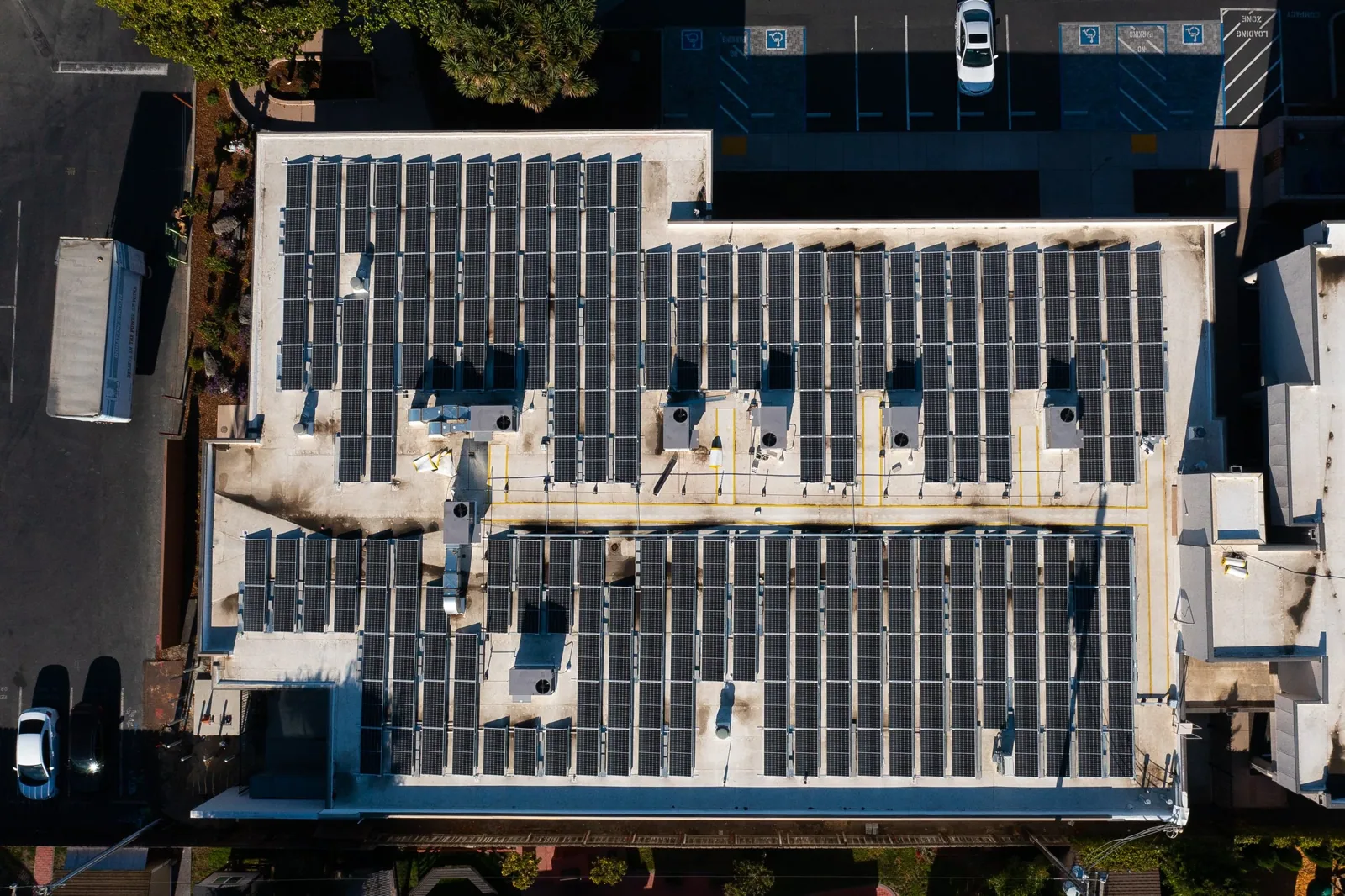
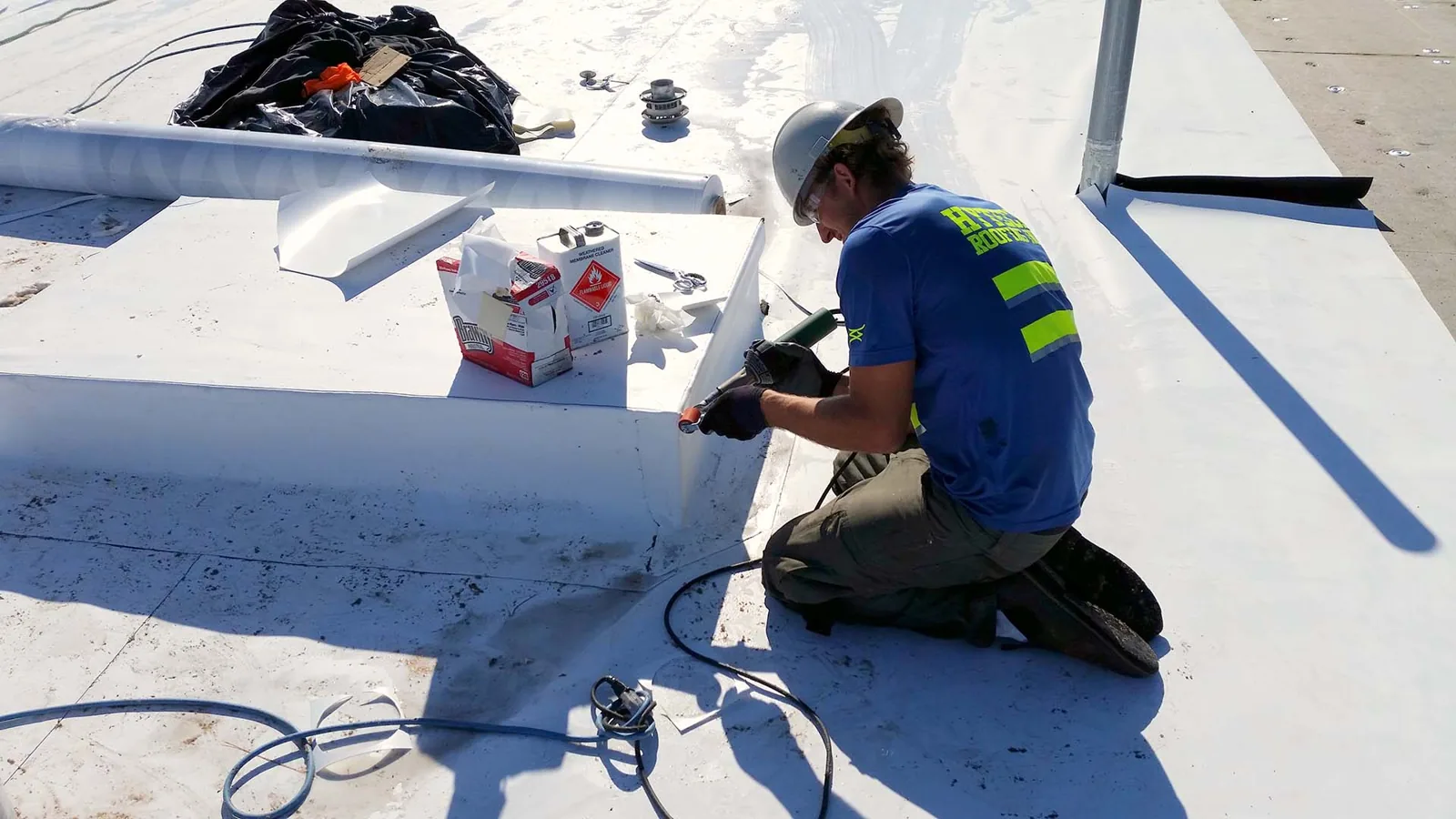
Flashing work needs suitable surface conditions and enough time to close the detail. We schedule the opening, preparation, installation and inspection as one sequence, with a weather hold point before membrane or sealant is exposed. Athens has frequent warm-season thunderstorms and seasonal tornado risk, so a dry-in plan is part of the work order. If rain or wind makes installation unsuitable, the crew secures the area and resumes when conditions fit the selected materials.
At turnover, we check the full curb perimeter, corners, laps and membrane tie-in, remove debris and photograph the completed connection. The record records any limitation, such as a skylight surface defect outside the flashing scope or an inaccessible curb side. If the opening is one of several on a larger roof, each is labeled by location so maintenance staff can report follow-up conditions precisely. A recurring maintenance route can include these transitions with drains and seams.
Know when the unit needs more than flashing
Some leak calls involve the roof-to-curb flashing; others involve a damaged skylight frame, glazing, fasteners or a failed surrounding membrane. We separate those components in the inspection and state which part the proposal addresses. If moisture extends beyond the penetration, selective removal may be needed before the detail can be rebuilt. If multiple roof sections or openings show related deterioration, a broader condition inspection can help establish whether the issue is isolated.
Price and timing reflect roof access, the number and size of openings, system compatibility, preparation, interior protection and any replacement unit coordination. The scope lists those items so a property manager can plan around the building’s operation. It also records whether the work is a temporary protection, a permanent flashing correction or a unit replacement, keeping each decision distinct.

Prepare the opening for inspection
Provide the building address, skylight or penetration location, interior leak history, roof access method and any room or tenant restrictions. If there are roof plans or prior repair photos, include them. We will confirm the access window, identify the opening to inspect and explain whether the unit, curb or surrounding field needs to be evaluated together.
Commercial Roofing Athens can document and repair skylight, curb and penetration flashing with a scope tied to the observed assembly. Schedule a roof walk to map the work zone, interior protection and weather-sensitive installation window before the repair is priced.
Frequently Asked Questions
Can you reseal a skylight without replacing it?
Yes, when the unit and curb remain sound and the leak comes from a repairable flashing connection. We inspect the frame, curb, corners and surrounding membrane first. A cracked unit or damaged substrate may require more than a sealant application, and the scope identifies which part needs attention.
Why does water appear below a skylight if the frame looks intact?
Water may travel from an adjacent seam, curb corner or higher roof area before it reaches the room. We check the roof slope and connected details, then compare them with the interior report. The inspection records the likely path and any test needed to confirm concealed moisture.
Can the building remain occupied during the repair?
Often, with a defined roof route, interior protection and a work window coordinated with the property contact. A room below the opening may need notice or temporary access limits. The manager confirms tenant and facility requirements before the crew mobilizes.
What information should we provide about a roof penetration?
Identify whether it is a pipe, conduit, equipment curb or skylight, provide its roof location and record any leak timing or recent work. Plans and photos help with access planning. We verify the assembly and flashing condition on the roof before choosing a repair method.
Does a skylight replacement follow the same scope as flashing repair?
No. Replacing the unit can affect the curb, opening, interior protection and applicable project review, while a flashing repair focuses on the connection around an existing unit. We document the parts involved and coordinate the required work before scheduling an opening in the roof.