
Commercial Roofing in the Beechwood-Alps Commercial Area, Athens, GA
Home / Service Areas / Beechwood-Alps Commercial Area

Beechwood-Alps Commercial Area
The Beechwood-Alps area brings national retailers and local businesses together along Alps Road. Customer entrances, deliveries and occupied-store hours vary by property, so we confirm the active routes and schedule with its manager before mobilization. At the selected property, we meet the contact and inspect the assembly before setting a repair or replacement scope. The roof walk records seams, drainage, perimeter details, penetrations and any concealed condition that needs testing. In Athens, hot humid summers and frequent warm-season thunderstorms influence the open-roof limit, delivery window and dry-in point. We map customer paths, service access and the laydown area with the property manager, then connect each roof section to tenant notice, daily cleanup and a clear turnover step.
Keep the shopping route separate
Roofing work should have a defined path from receiving point to work zone, with customer circulation protected before equipment or supplies arrive. The property manager confirms store hours, deliveries, accessible entrances, service doors and any route that must stay clear. We set barriers around a lift or crane pick and choose a laydown area that will not occupy an active customer path. The crew’s tools, debris and temporary protection follow the same approved route. Before setting the work zone, we verify delivery windows and customer routes with the property manager. For a roof near the West Athens commercial corridor or Downtown Athens, access and tenant schedules are confirmed independently. We mark the service entrance, shared parking and pedestrian path for the roof visit.

Record the roof before making a recommendation
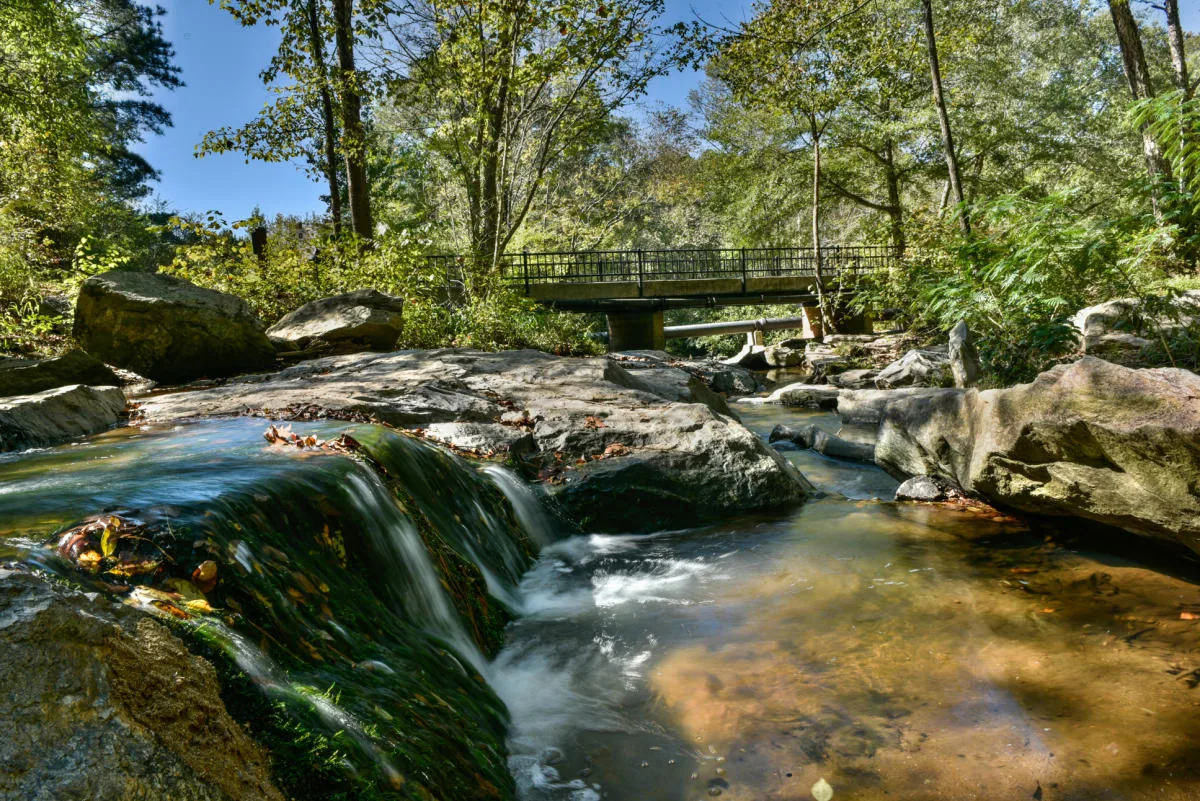
We inspect the roof surface and the connections that control drainage and weather protection. The walk checks seams, patches, membrane condition, edge metal, wall flashings, curbs, skylights, penetrations, drains and scuppers. Each finding is photographed by roof zone. If an interior stain is reported, we trace likely water paths and inspect the corresponding details rather than assuming the entry point is directly above. Suspected moisture under the membrane may call for a test cut or targeted survey; existing layers and attachment are confirmed before recover is considered. A hands-on commercial inspection distinguishes visible defects from items requiring confirmation, while a condition report lets ownership tie photos and recommendations to a specific part of the roof. The resulting scope ties each recommendation to observed conditions and identifies any test needed before pricing is final.
Separate local repairs from full roof work
A failed seam or curb flashing can be a local repair when nearby membrane and substrate are dry and attached. If moisture extends through insulation, repeated failures span the roof, or deck damage is visible, broader work may be warranted. We check drainage, layer count, attachment, perimeter height and the condition below the membrane before weighing recover or replacement. Cost drivers include measured area, tear-off, disposal, insulation, deck work, edge details, rooftop equipment and the access limits confirmed by the contact. A coating is considered only if the existing system is compatible and the surface can be prepared. The written scope explains the evidence behind each option and names any concealed issue that could change quantities. A targeted repair can address an isolated defect; if conditions are widespread, replacement planning sets removal, material and phasing. The recommendation follows the area and conditions the inspection actually identifies. A written estimate separates immediate water-control work from capital improvements, lists access and disposal assumptions, and identifies which findings need testing before quantities and schedule are final.
Phase around open businesses
The work plan identifies roof sections, access, notices, ground protection and daily cleanup before material is delivered. The crew opens only an area it can dry in during the shift, installs the specified insulation and membrane, then checks seams, drains, walls and penetrations before handing it back. If a store needs uninterrupted equipment or access, the property contact names the service window and responsible technician. No rooftop unit is moved or shut down without approval. Delivery is matched to the section ready to receive material, limiting roof storage and keeping the customer route clear. If the deck or insulation differs from the survey, the field lead protects the open boundary, photographs the condition and waits for direction on the added work. An occupied-site phase plan can track tenant notices and work windows, with each area released only after the property manager accepts the handoff.
In a shopping area, each tenant’s business hours and receiving entrance can differ even when roofs share a property manager. We agree on a single site calendar, mark the specific building and tenant affected by each phase, and keep a contact available for day-of changes. Material is staged away from customer paths, and debris is removed before the next store window begins. If a phase crosses a shared wall or drain line, the work record identifies the transition so management can coordinate any related repair with the neighboring tenant.
Set a weather stop before the shift
Athens has frequent warm-season thunderstorms, so the roof plan names the maximum area that may be opened and the dry-in point the crew must reach. Temporary protection is staged before removal, and one contact is authorized to call a weather hold. The field lead checks conditions as the day proceeds, secures loose supplies and closes the tie-in before leaving. If wind, lightning or rain makes access unsafe, the crew stops at the safe boundary, protects the roof where practical and reports the status to the manager. After a reported event, the crew inspects and photographs the actual membrane, flashings, edges and drainage before permanent repair. If an active opening needs immediate attention, emergency stabilization can be documented separately from the later repair scope. Any schedule change includes the next available tenant window.

Return the customer path and roof
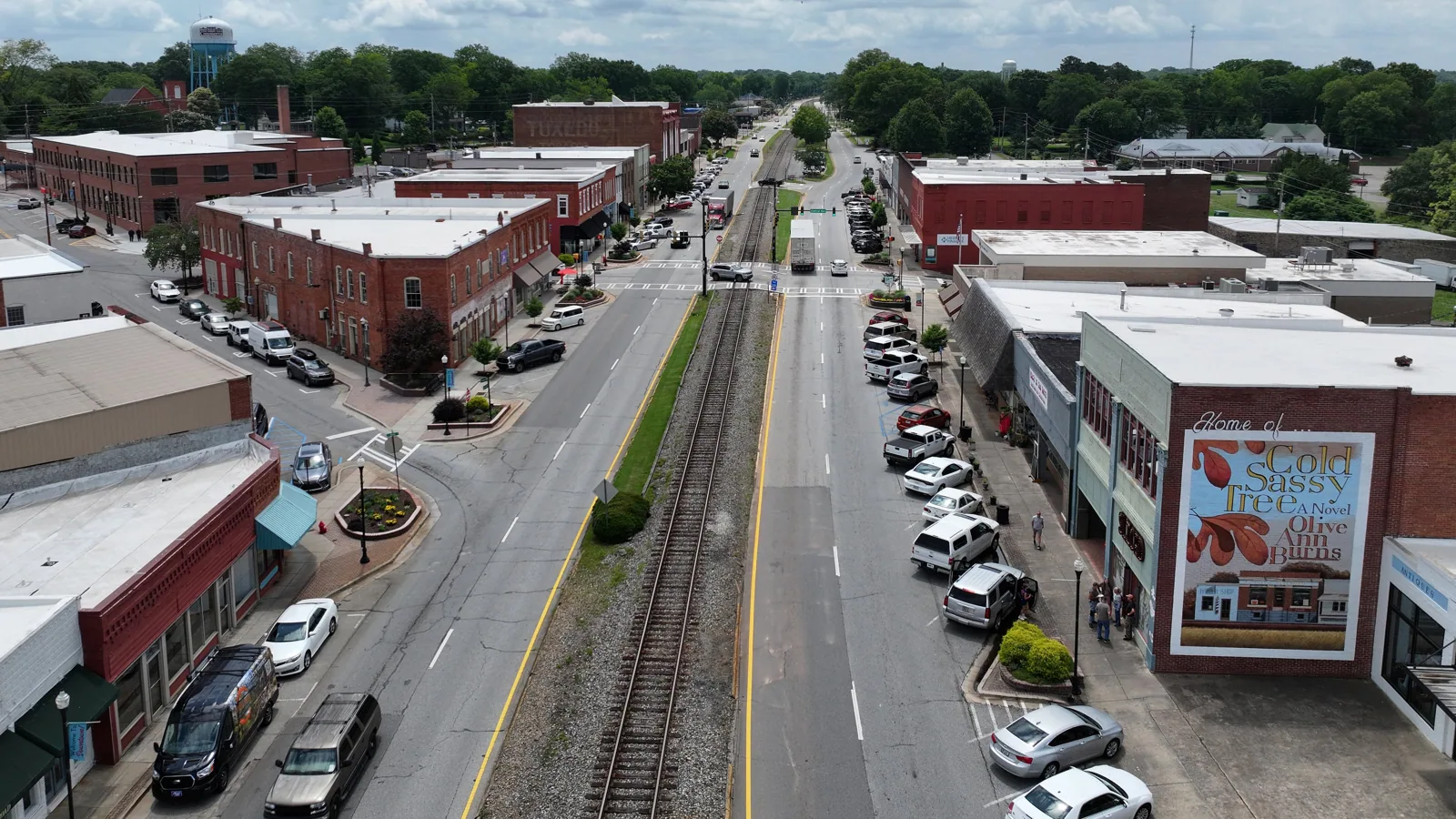
At turnover, we inspect completed seams, flashings, penetrations and drainage, then tie photographs to the roof-zone map. The closeout lists work performed, materials identified from approved documents, open tests and any inaccessible area. The property manager confirms barriers, debris and delivery equipment have left the customer route before it is released. Temporary protection is labeled separately from permanent repair, and unfinished sections remain on the next-phase schedule. The record gives maintenance staff a usable reference for future repairs and helps ownership compare a new observation against prior work. A portfolio visit to an Athens Commerce Park property is documented by building, so its findings and access plan remain documented separately from other work in Beechwood-Alps. Contact Commercial Roofing Athens to schedule a roof walk, confirm store access and set a weather-sensitive sequence before pricing.
Frequently Asked Questions
How do you keep customers away from the roof work route?
We confirm entrances, delivery paths and lift areas with the property contact, then set barriers and a clear pedestrian route before material moves.
Does a retail listing tell you the roof construction?
No. The shopping-area designation describes its use, not the assembly. We inspect the selected building and document layers, drainage and details.
Can stores stay open during phased roofing?
The property manager approves notices, work windows and any necessary access change. Each section is protected, dried in and handed back before the crew advances.
What information changes a roof replacement estimate?
Measured area, removal depth, insulation, deck condition, edge details, equipment coordination and tenant access affect the scope. Concealed conditions are stated as open questions until tested.
How do you handle weather that arrives during a shift?
The crew follows the pre-set open-area limit, secures the tie-in and protects the boundary where conditions allow. The manager receives the status and revised work window.