Commercial Acrylic Roof Coatings in Athens, GA
Home / Roof Systems / Commercial Acrylic Roof Coatings
Commercial Acrylic Roof Coatings
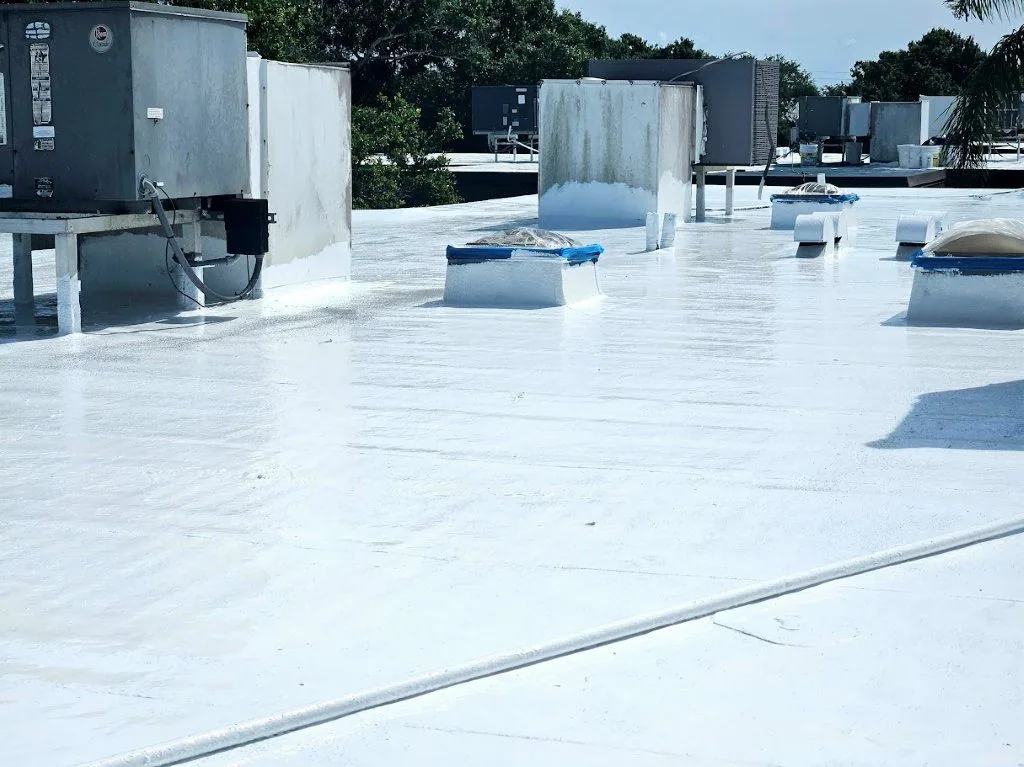
Acrylic roof coating is a restoration option when an existing roof is suitable for preparation, has no unresolved moisture problem and can drain as intended. A reflective finish may be useful, but the coating does not repair saturated insulation, loose membrane or a failed drain. We inspect the assembly, test compatibility where needed and separate required repairs from the coating application. A roof serving the Normaltown commercial area may need carefully coordinated access around active facilities; a property near Lexington Road may need delivery and traffic planning. We verify the requirements with each property contact before proposing a work sequence.
Check roof condition and coating fit
The inspection begins with the existing membrane, seams, metal edges, penetrations and prior repairs. We record cracking, exposed reinforcement, loose surfacing, blisters, chalking, punctures and areas where water remains after rain. The exact substrate determines cleaning, primer and repair steps. If the roof has multiple coatings or unknown patch materials, a test area can help determine whether the proposed coating bonds. We do not assume that a product described as compatible will adhere to every aged or contaminated surface.
Moisture needs its own check. Wet insulation or water trapped between layers should be mapped and addressed before a new film covers the evidence. A roof inspection records visible concerns; a moisture survey can guide targeted testing when the roof's construction and conditions make it appropriate. The assessment distinguishes readings from confirmed wet material and identifies any core cuts or repairs needed to resolve uncertainty. If broad areas are unsound, we discuss removal or a different assembly rather than coating over them.
Understand slope before choosing the finish
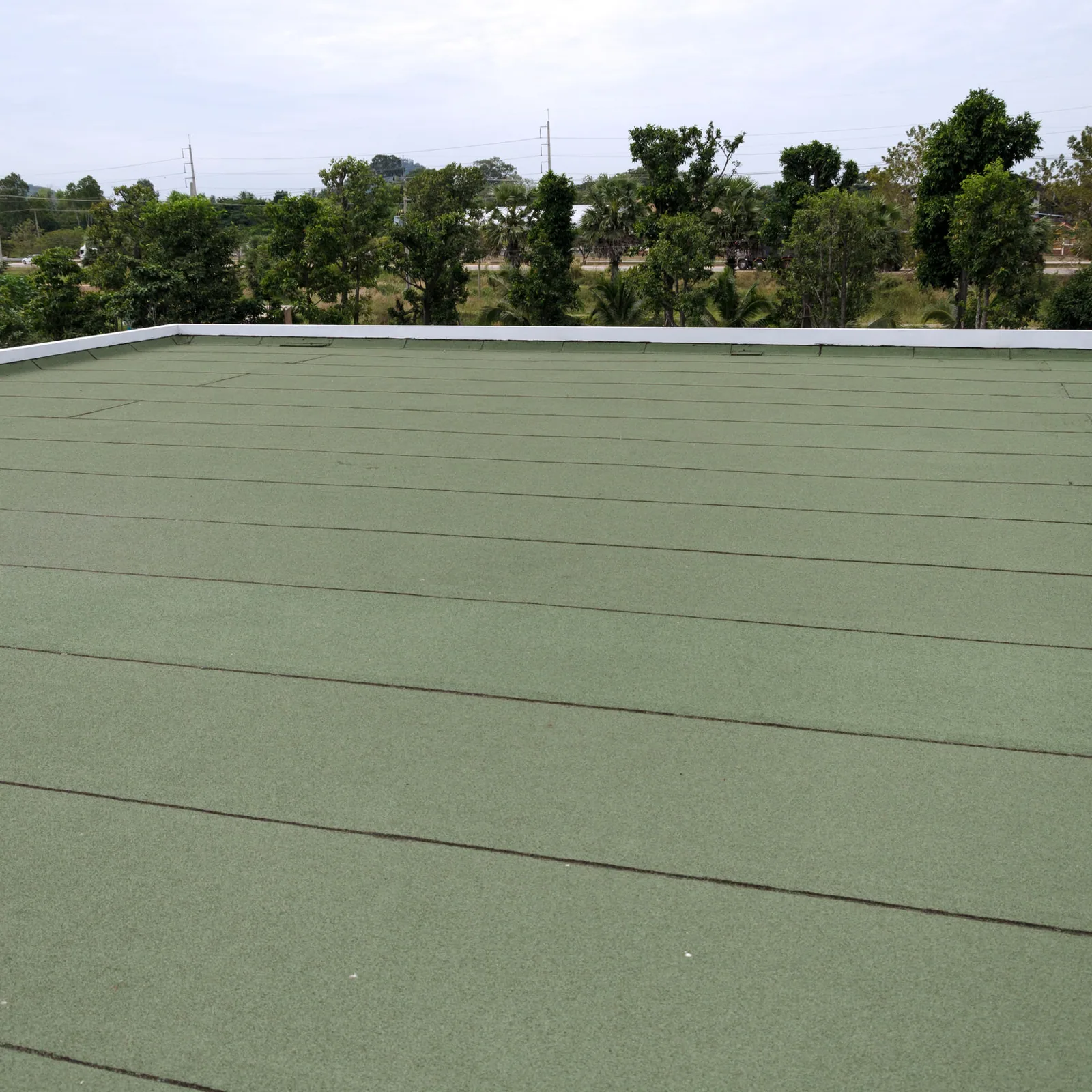
Acrylic systems are generally selected for roofs with positive drainage; standing water and long ponding intervals can make them a poor fit unless the flow problem is corrected. We trace runoff to each drain, scupper or gutter and look for low spots, blocked outlets and transitions that interrupt the path. A drainage review can establish what needs cleaning, adjustment or replacement before coating. If new slope is part of the design, the proposal should show where water will go and whether the existing assembly can support the work.
Roof openings need the same attention as the field surface. Curb corners, skylight frames, pipes and perimeter metal can move differently from the roof and may require reinforcement or new flashing. We identify what can be coated, what needs a compatible repair and what must remain accessible. A penetration and skylight scope can define those details before the coating crew arrives. At a large campus property, access routes and mechanical shutdowns are confirmed with facilities staff; near the Lexington Road commercial corridor, the manager can identify delivery restrictions and occupied entries that need protection.
Set the preparation and repair sequence
Surface preparation removes what could interfere with adhesion and creates a defined substrate for the coating. Depending on the roof, work may include sweeping, washing, removing loose material, repairing seams, tightening fasteners, treating exposed metal, replacing failed sealant and priming selected areas. The scope should state how cleaning water and debris will be managed, how drains will be protected and how dry time will be confirmed. Where the roof is near equipment intakes or sensitive operations, the contact should identify shutdown, cover or separation requirements before work begins.
Repairs are completed before field coating so the finished layer does not hide an open defect. We inspect those repairs and confirm material compatibility before application. The crew checks surface temperature, moisture, wind and forecast conditions against the product instructions. Athens has hot summers, warm-season thunderstorms and occasional winter freezes, making the work window important for cleaning, drying and curing. If weather interrupts, the work area is protected, the completion boundary recorded and surface condition rechecked before application resumes.
Define the installed film and detail work
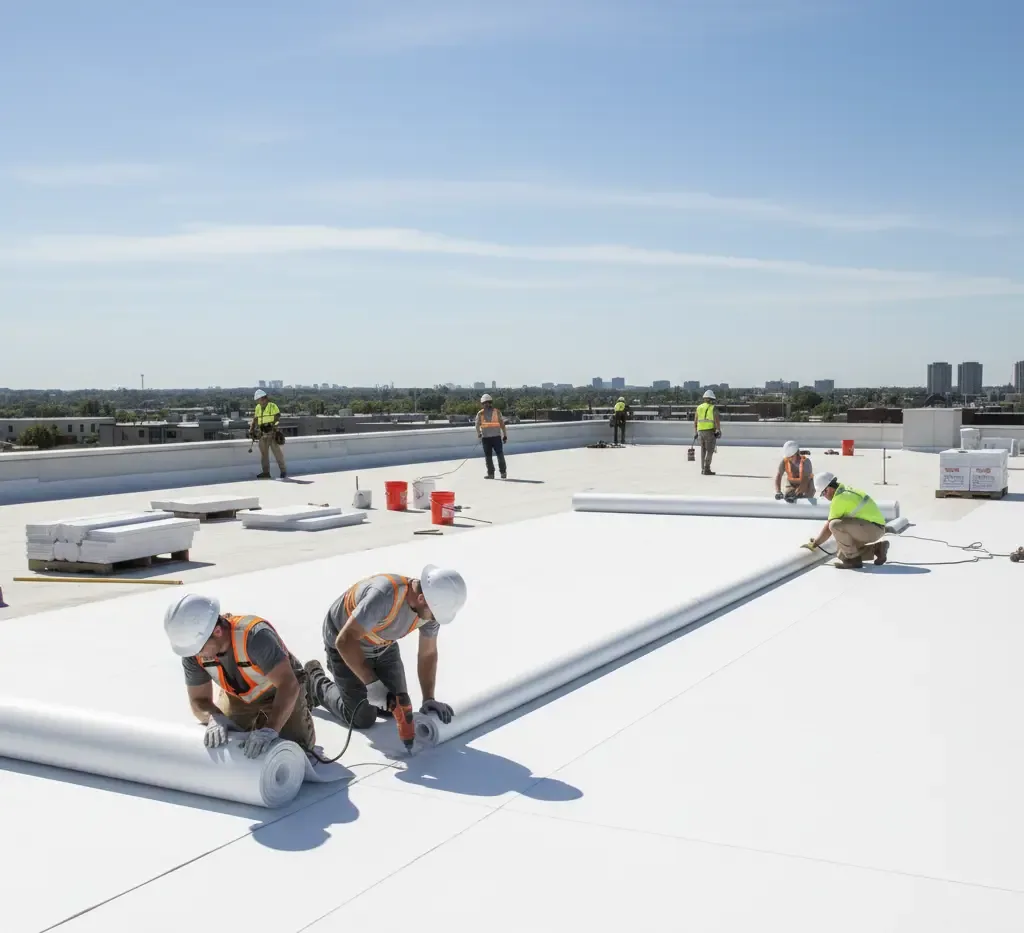
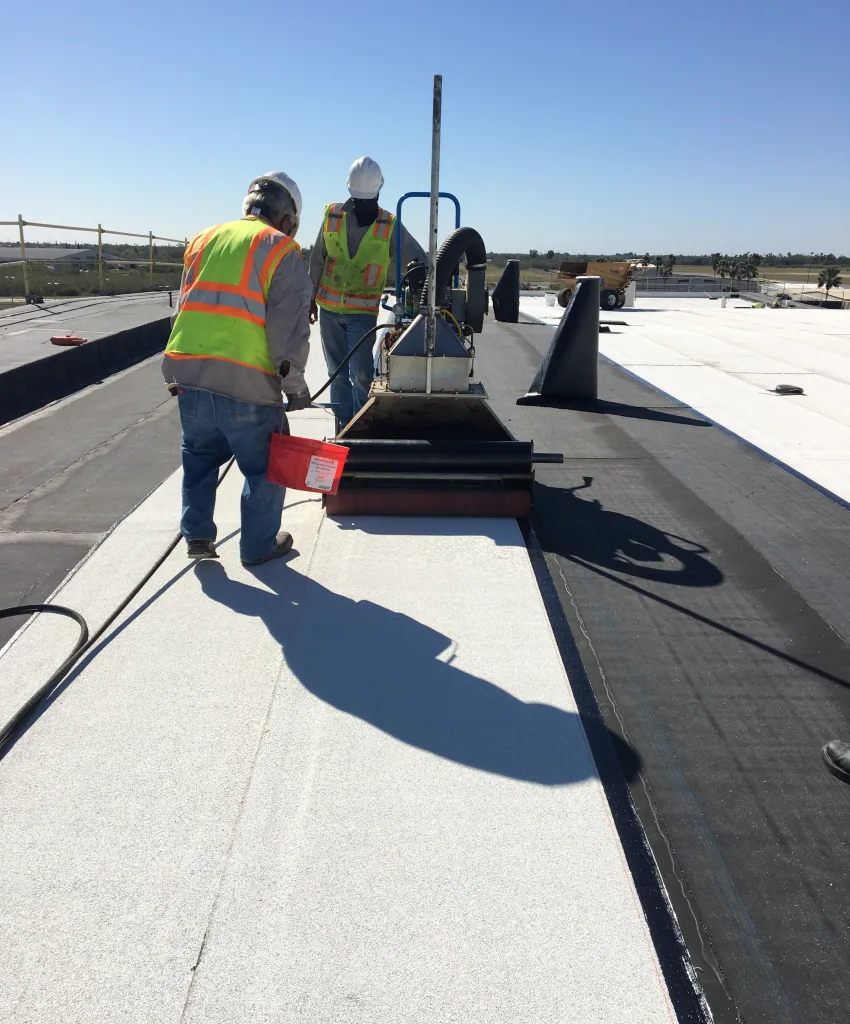
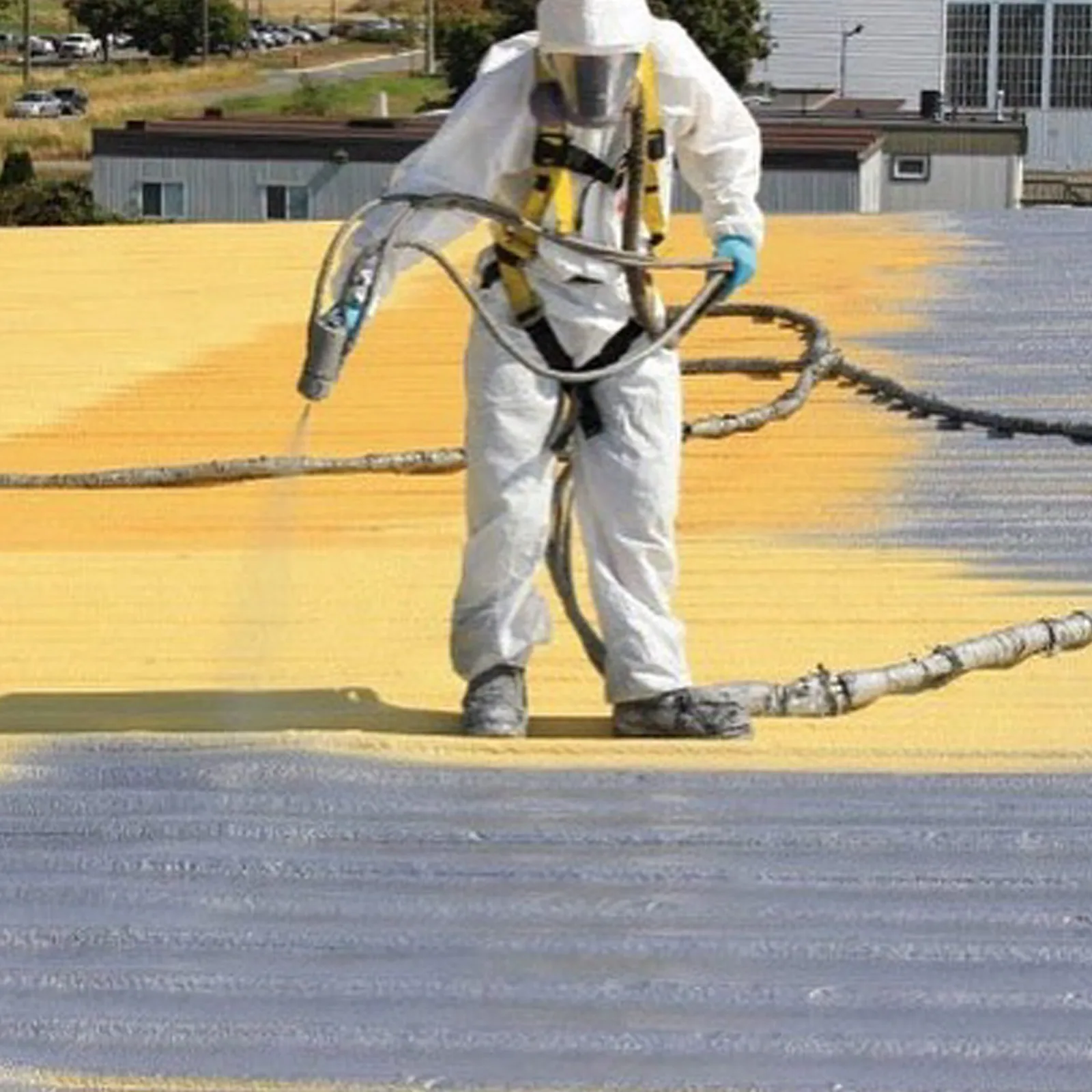
The specification identifies the acrylic product, primer where required, reinforcement at seams or transitions, application rate and target dry-film thickness. Crews apply the material in the required passes and inspect the cured finish for thin spots, missed edges, pinholes and damage. We document coverage by roof area and record any exclusions, such as metal components or equipment bases that need separate treatment. Coating quantities alone do not show that the correct film was installed; the closeout should include measurements or other checks required by the system documents.
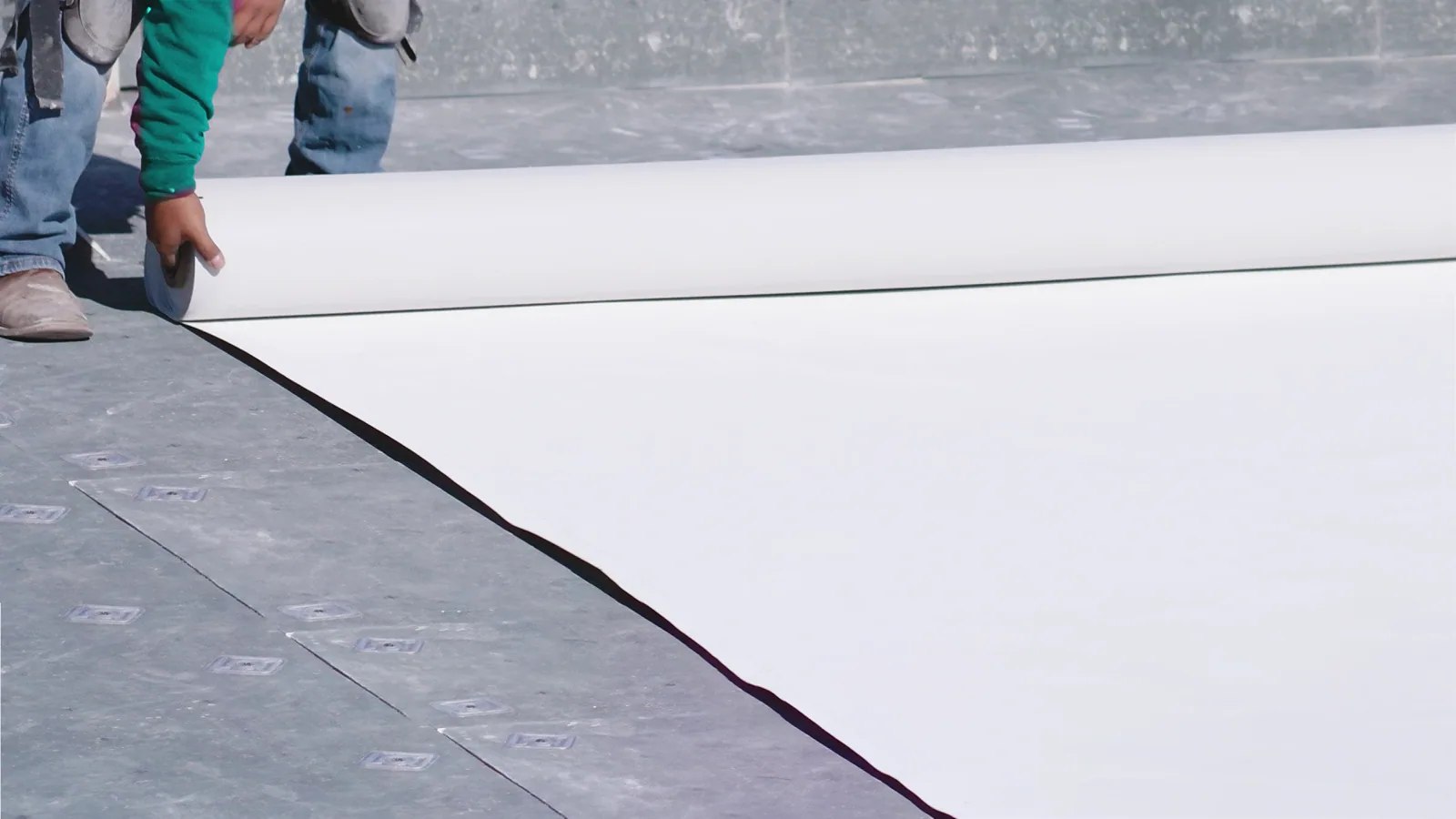
Acrylic is one of several restoration paths. A silicone system may be evaluated where conditions differ, while spray foam may suit a roof where added slope is part of a designed assembly. If the existing membrane is too wet or deteriorated, a new EPDM assembly or another replacement option may warrant review. The decision should account for substrate, drainage, access, maintenance and project criteria rather than treating all coatings as interchangeable.
Keep service traffic from undoing the work
After turnover, the owner should know which paths are intended for maintenance access and how to report cuts, punctures or coating separation. HVAC, electrical and solar contractors need to use compatible materials and avoid placing tools or stored parts where they can damage the film. Any new curb, conduit or pipe should receive a coordinated flashing detail instead of being sealed with an unapproved product. We can record access paths, repairs, drains and the coating boundary on a roof plan for the facility file.
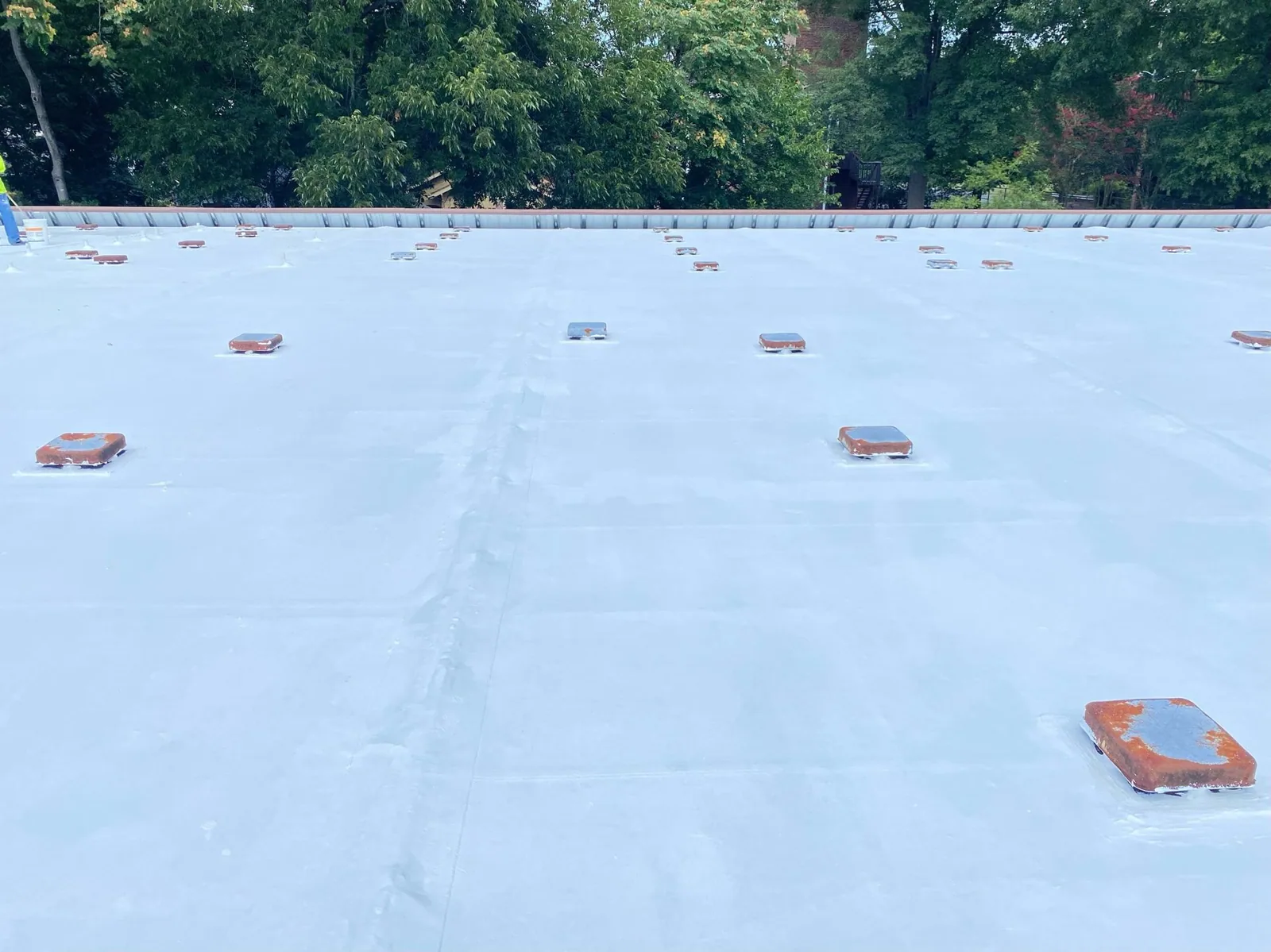
Routine checks should look for wear, peeling, open seams, blocked outlets and new penetrations. Inspect after severe weather and after roof work by other trades. The University of Georgia's Athens inventory lists 491 campus buildings, and local employers include health care, schools, retail and manufacturing. A manager responsible for a portfolio should keep the coating records associated with each building rather than assume one roof history applies across locations. That information helps the next inspection distinguish a finish issue from a leak entry point or a new mechanical change.
Request an acrylic coating evaluation
Provide roof plans, repair and coating history, leak locations, drainage concerns and any available moisture-test results. Identify roof access rules, mechanical work, occupied entrances and hours when lifts or deliveries can use the site. We can inspect the assembly, select test areas if needed and prepare a scope showing preparation, repairs, coating passes, detail work and closeout checks. When the roof is not a sound candidate, the assessment should say so and describe what additional repair or replacement path needs review.
Commercial Roofing Athens can coordinate the inspection with the people responsible for building access and roof maintenance. A clear evaluation gives the owner a basis to compare restoration with other options and plan work around operations. Contact us to discuss acrylic coating for a commercial roof in Athens, GA.
Frequently Asked Questions
Is acrylic coating suitable for a roof with ponding water?
Acrylic is generally best considered where drainage is positive. We map low spots and outlets, then identify whether slope or drain corrections are needed before the coating is selected. Persistent ponding can point to a different system or repair path.
Can a coating go over an older roof membrane?
Only after substrate condition and compatibility are checked. We inspect seams, repairs, moisture and surface contamination, and use test areas when records do not establish adhesion. Wet or unsound material needs correction first.
Will acrylic coating stop leaks around rooftop equipment?
Equipment bases need a proper flashing repair, not simply a coat over the joint. We inspect curb corners, supports and penetrations, then define any mechanical coordination or detail work before field application.
What controls the number of coats?
The selected system and specified dry-film thickness determine the application passes. The project documents set the rate, primer and reinforcement, while installation checks confirm coverage at seams, edges and repaired locations.
When should the roof be inspected after restoration?
The maintenance interval should follow system requirements and building use. Check after severe weather and rooftop work, and keep photos of repairs, drains and changes to equipment so future inspections can compare conditions.