
Commercial Spray Foam Roofing in Athens, GA
Home / Roof Systems / Commercial Spray Foam Roofing
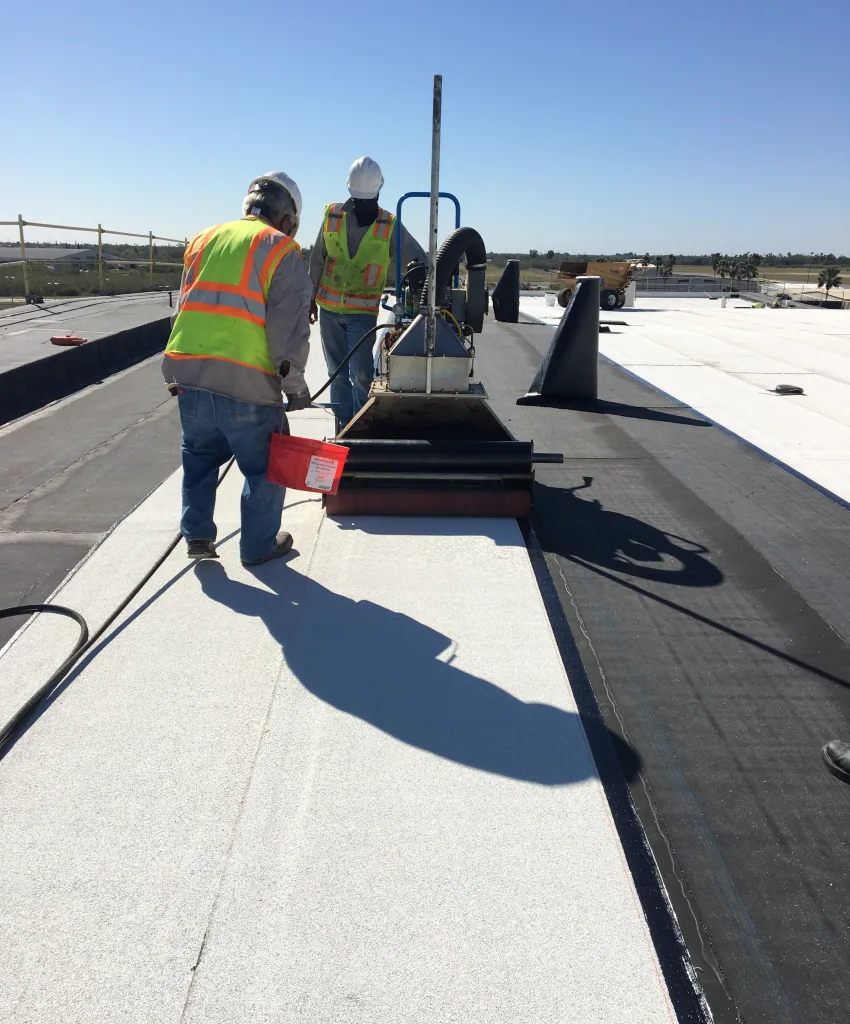
Commercial Spray Foam Roofing
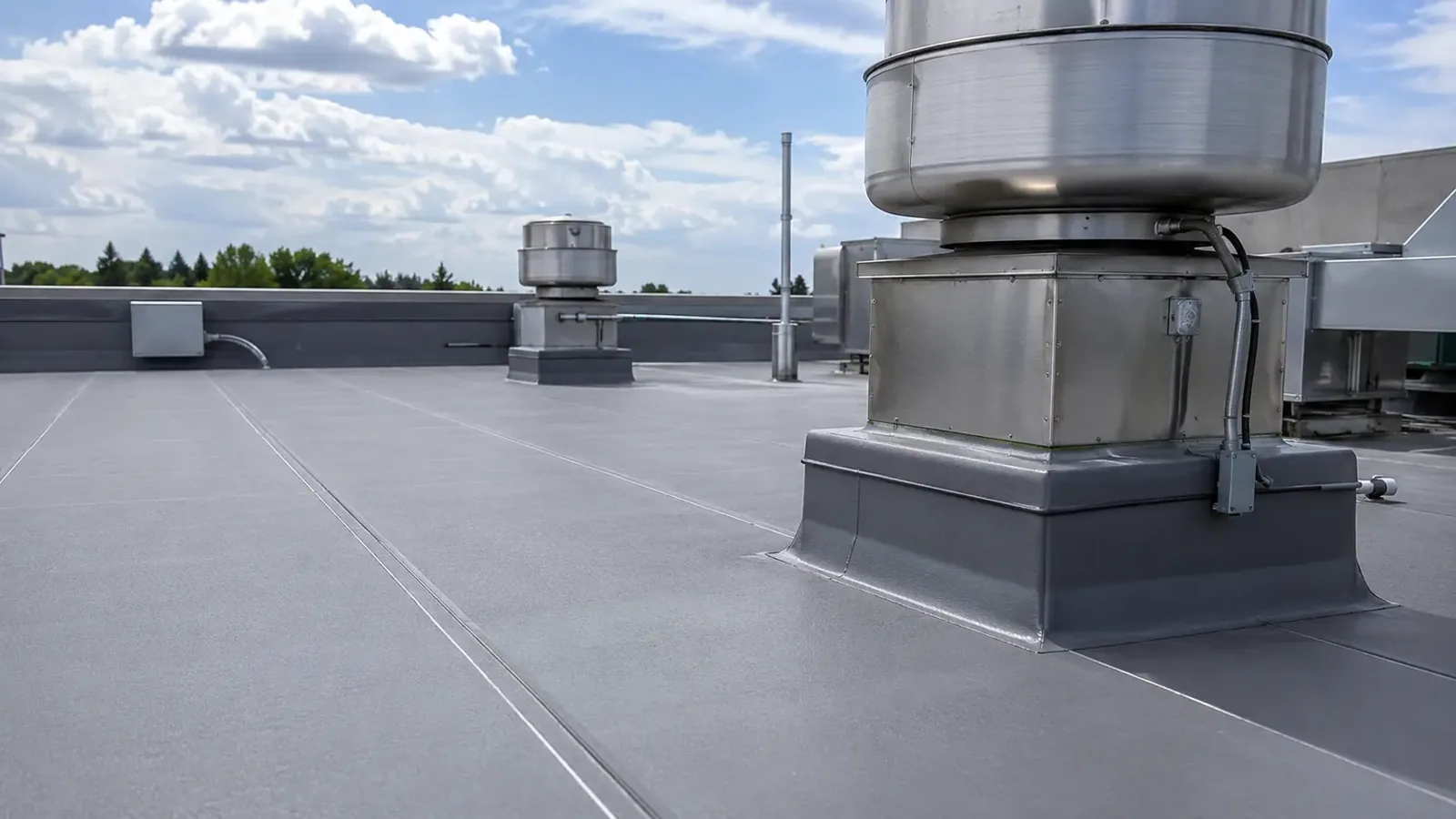
Spray polyurethane foam roofing is a field-applied system whose performance depends on a dry, prepared surface and a continuous protective coating. The foam can follow irregular roof shapes and create slope, but application cannot correct an unstable deck, trapped water or an unresolved leak path. We inspect the existing assembly, document wet areas and confirm how the roof drains before recommending new foam, repair or removal. A building near Athena Industrial Park may have production equipment and deliveries to keep moving; a property near the East Athens commercial area may have separate access coordination. Each site needs its own work boundary, surface preparation plan and weather window.
Confirm the substrate before application
Foam follows the contours beneath it, which makes substrate review essential. We inspect the deck or existing roof for corrosion, loose material, saturated insulation, open seams, failing fasteners and movement. A sound metal roof may need cleaning, attachment repairs and rust treatment; a membrane or built-up roof may require a different preparation or removal decision. We identify roof areas that can receive the system and those that need a corrective scope first. An inspection records visible conditions, while a targeted moisture survey can help locate areas for confirmation cuts when the assembly and conditions make thermal imaging useful.
Foam should not be applied over standing water or a substrate that cannot support adhesion. We check existing drains, scuppers and low points, and record ponding, debris dams or blocked outlets. If wet material is found, the report distinguishes the confirmed limits from areas that still need testing. The repair scope can then define selective removal and drying rather than assuming a coating will solve concealed moisture. Before mobilization, the owner should have a clear map of preparation, repair and application zones.
Control the foam lift and coating
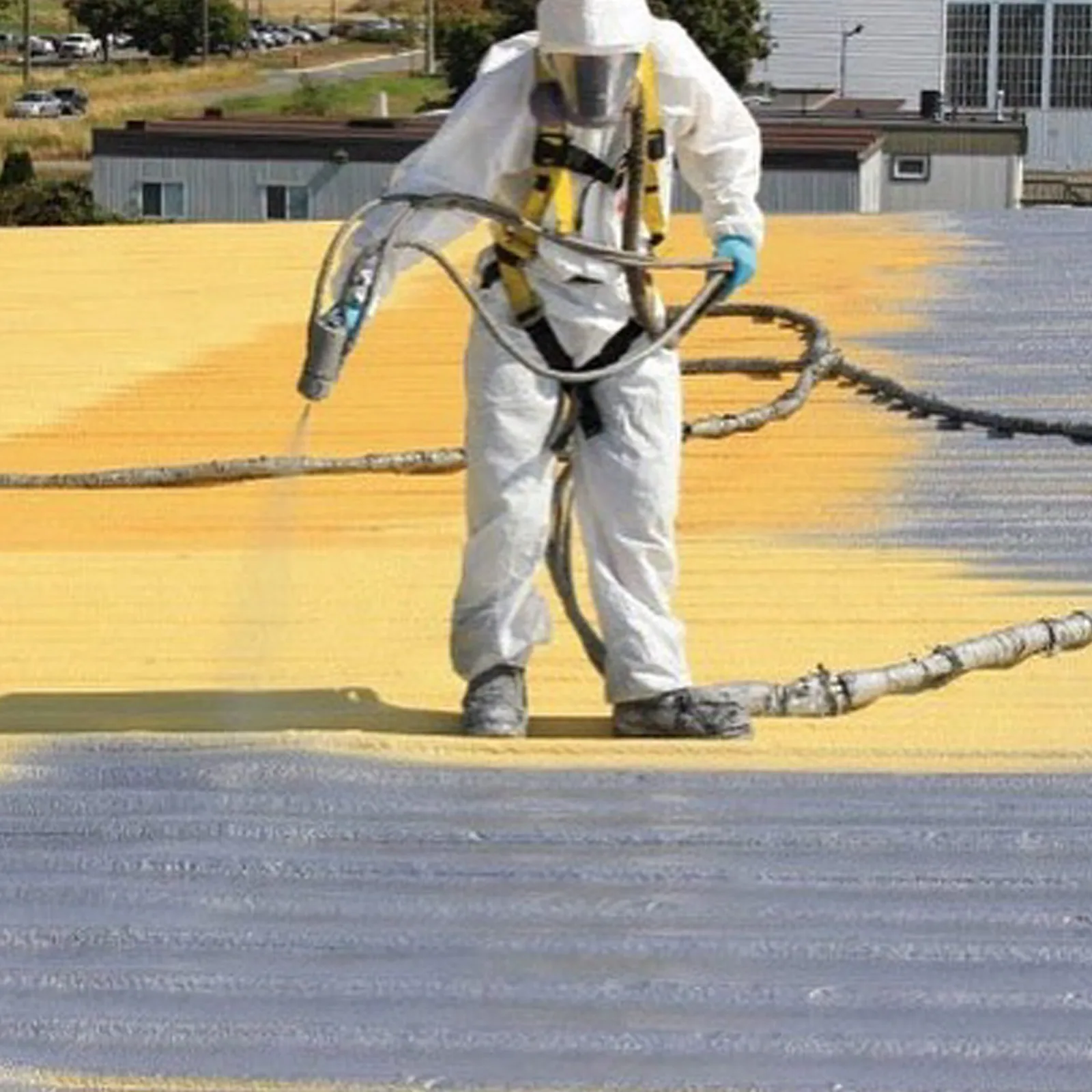
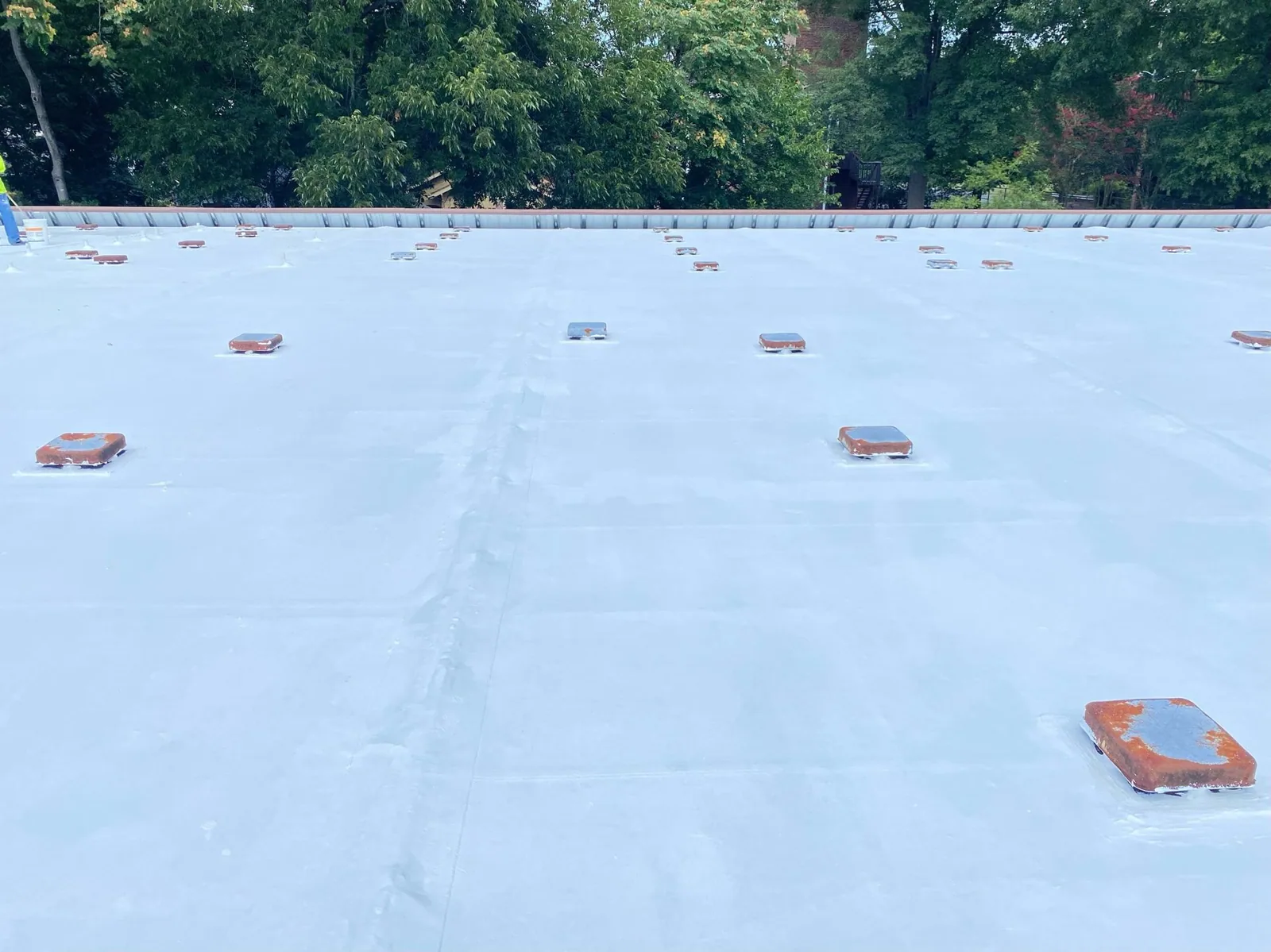
Application proceeds in lifts suited to the product, substrate and weather conditions. The crew controls thickness, adhesion and surface consistency, then addresses pinholes, voids and transitions before the protective coating is applied. Foam itself needs that exterior coating to shield it from ultraviolet exposure and weather. We define the foam thickness, coating type and target coverage in the project documents, with manufacturer requirements and applicable design criteria confirmed for the selected assembly. A silicone coating may be evaluated as the protective layer, but the choice depends on slope, drainage, exposure and compatibility.
Temperature, humidity, wind and precipitation affect spraying and curing. Athens has hot summers and frequent warm-season thunderstorms, so the work plan needs a daily start decision and a protected stopping point. Crews should not apply foam when the surface or air conditions fall outside product limits, or when wind could carry material beyond the work zone. We open only the area crews can prepare, spray, inspect and protect within the weather window. If weather interrupts, the team documents the boundary and verifies that the exposed foam is protected before leaving.
Preserve water flow through transitions
Foam can be shaped to direct water, but every taper must lead to a functioning outlet. We trace the path from high points to drains, scuppers or gutters and check where added build-up may affect thresholds, equipment supports, skylights and wall transitions. The design should not create a basin at a curb or bury a drain flange. Where outlets need adjustment, coordinate the roofing work with a drainage review before the new surface is installed. Equipment curbs and pipe supports also need compatible flashing heights; a curb and support scope can align those details with the foam work.
On a complex roof, small elevation changes can redirect water toward an opening that was previously above the flow line. We review roof plans, field measurements and known leak locations together. If the slope plan depends on an assumption that cannot be confirmed, we flag it before pricing. The final detail should show how the foam terminates at perimeters, penetrations and drains, and who is responsible for adjacent metalwork. This avoids leaving the critical edge or outlet to an undefined later phase.
Plan inspections and coating renewal
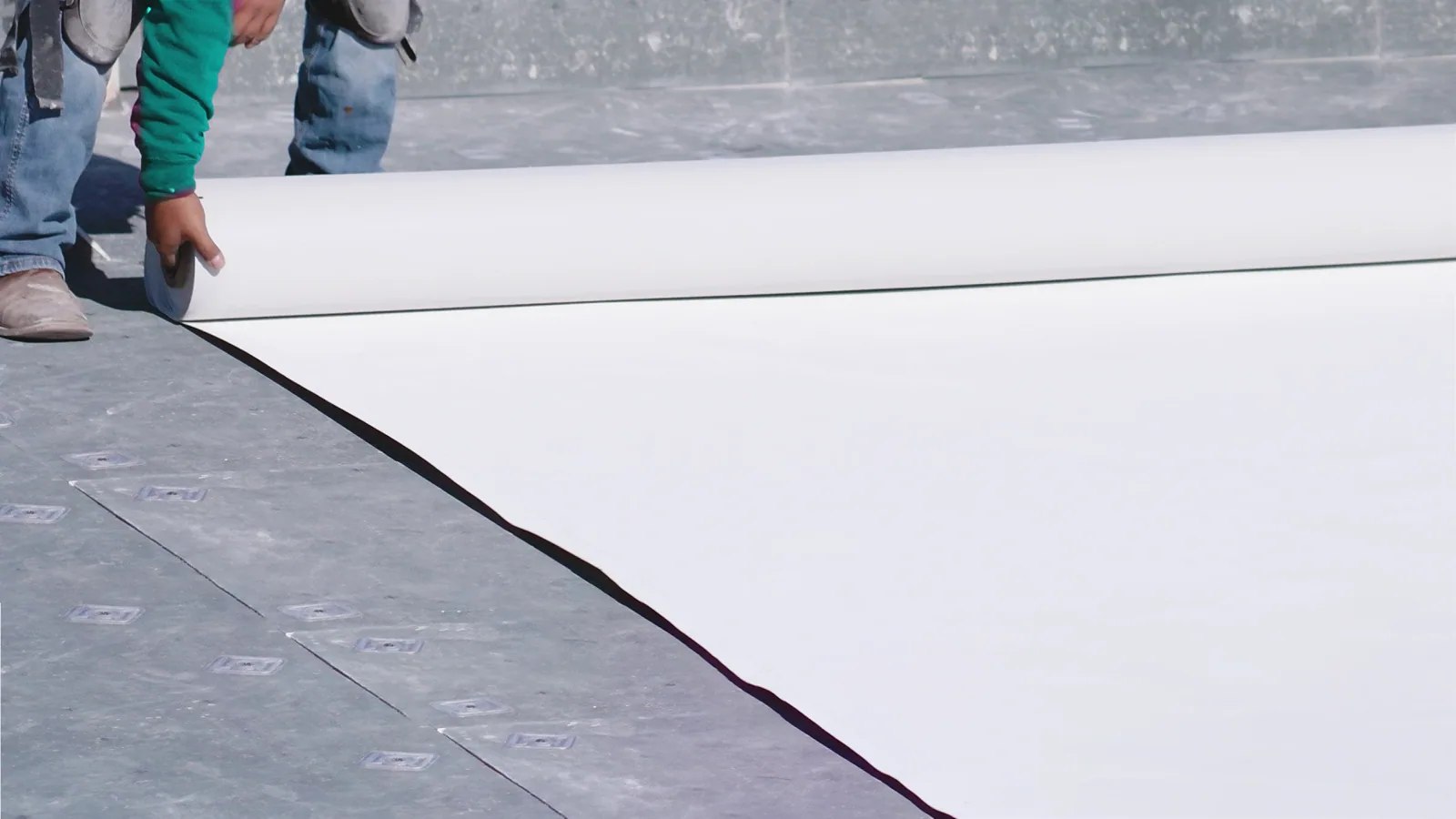
A foam roof needs periodic inspection because cuts, punctures and coating wear can expose the underlying foam. Foot traffic, service work and dropped tools can damage the surface even when the roof is otherwise sound. We recommend documenting access routes, protecting service paths and asking trades to report any impact rather than covering it with an unapproved patch. A maintenance visit reviews coating thickness where measurable, open seams, blisters, drainage, penetrations and any change in the roof surface. Findings should separate routine touch-up from a localized repair and from larger areas where the coating system has reached the end of its service interval.
The property manager should retain product details, repair history and roof-section photos to support compatible repairs. At institutional properties around UGA, where the campus inventory includes 491 buildings across academic, residential and support uses, service access may need coordination with building operations. Athens Technical College and healthcare facilities along the main corridors also require an agreed work window with the facility contact. We confirm access requirements directly instead of inferring them from the property type.
Compare foam with other roof paths
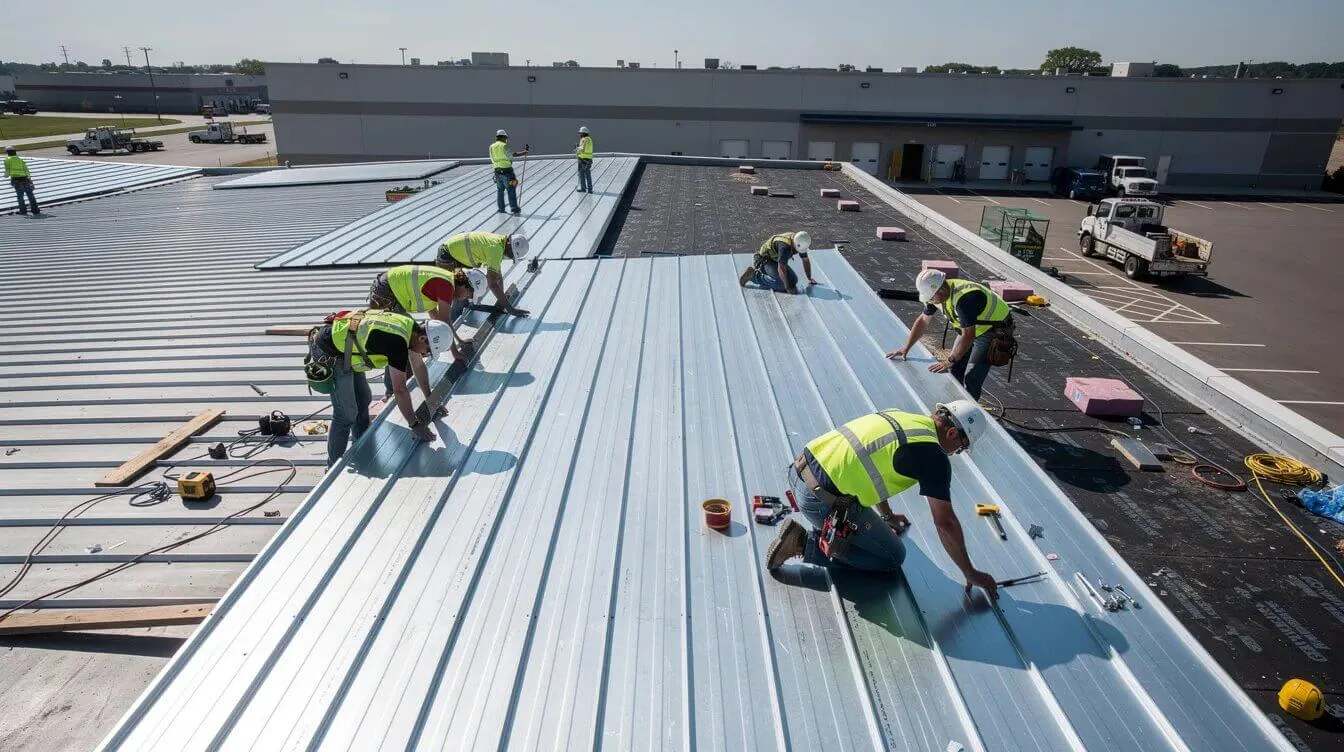
Foam is one option, not a default answer for every low-slope building. A roof with widespread wet insulation may need removal; a sound membrane could be a candidate for a compatible TPO assembly or another specified system. Existing built-up roofing may call for a different evaluation of surfacing, blisters and interply condition. For a metal roof with a suitable structure, the decision may include a metal retrofit. Each option has different attachment, drainage, access and maintenance demands.
We compare options against the condition survey, not just initial application cost. The comparison covers which layers remain, substrate repairs, flashing changes and finish maintenance. Repeated leakage at one detail may call for correcting that cause before selecting new field material. A recover still depends on a dry, stable assembly and applicable requirements. The proposal identifies its evidence and questions that need testing or design review.
Prepare a foam-roof assessment
Share the roof plan, prior repair records, known leak locations, equipment list and any coating or foam product information. Tell us where crews can stage, which entrances and loading paths must stay open, and whether roof access requires an escort. We can inspect the surface, map drainage and transitions, and identify where testing is needed before recommending a full application or localized repair. The written scope should describe preparation, removal, foam placement, coating, edge work and closeout checks in separate steps.
Commercial Roofing Athens can coordinate a roof walk around the building's operating schedule and document the proposed work limits before material is ordered. The closeout record can record application areas, repairs, coating details and any maintenance observations for the facility file. Contact us to arrange an evaluation in Athens, GA and discuss whether spray foam fits the roof's confirmed condition.
Related Roofing Work
Frequently Asked Questions
Does spray foam roofing work on an existing commercial roof?
It can, when the existing surface is stable, dry and suitable for preparation and adhesion. We inspect the substrate, fasteners, moisture and drainage before deciding whether foam can be installed over it. Unsound areas need repair or removal first.
What protects the foam from sunlight and weather?
A compatible coating covers the cured foam and shields it from exposure. We specify the product and application details for the roof conditions, then inspect for coverage and missed areas. The finish also needs periodic review and repair when damaged.
Can foam correct ponding water?
Slope can be shaped with foam, provided the design directs runoff to working outlets. We map low areas, drains and scuppers first and verify that transitions will remain functional. A blocked drain or concealed water problem still needs direct correction.
How does weather affect installation in Athens?
Warm-season storms make daily conditions and secure stopping points important. The crew checks surface and air conditions against product limits and protects each completed section. Spraying pauses when wind, moisture or temperature could compromise application.
How often should a foam roof be checked?
The schedule should follow the system requirements, roof use and exposure. Inspections look for coating wear, punctures, open transitions and drainage changes, especially after service work or severe weather. Keep the records with repair photos and product information.