Commercial Roofing Across East Athens, GA
Home / Service Areas / East Athens
East Athens
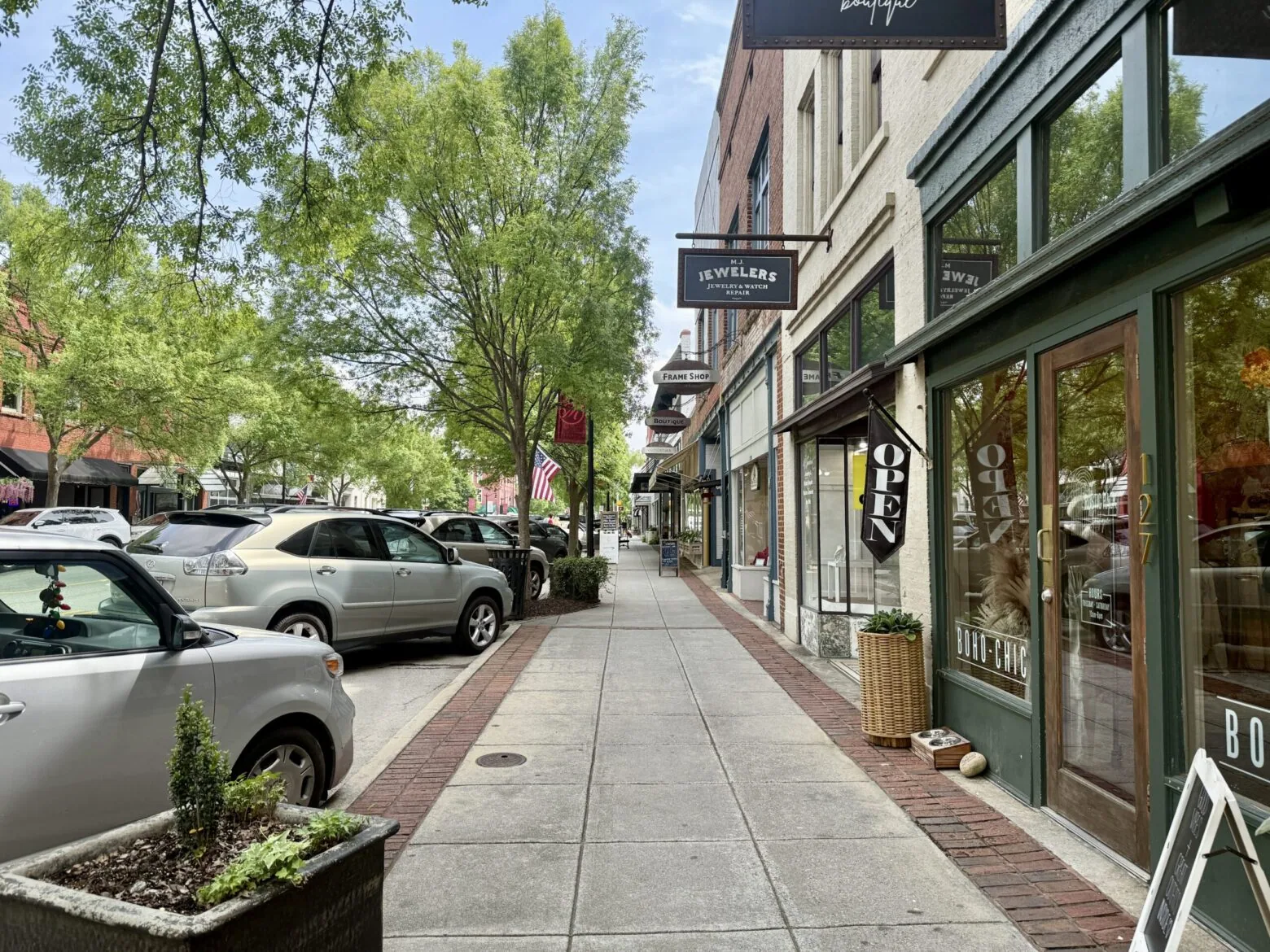
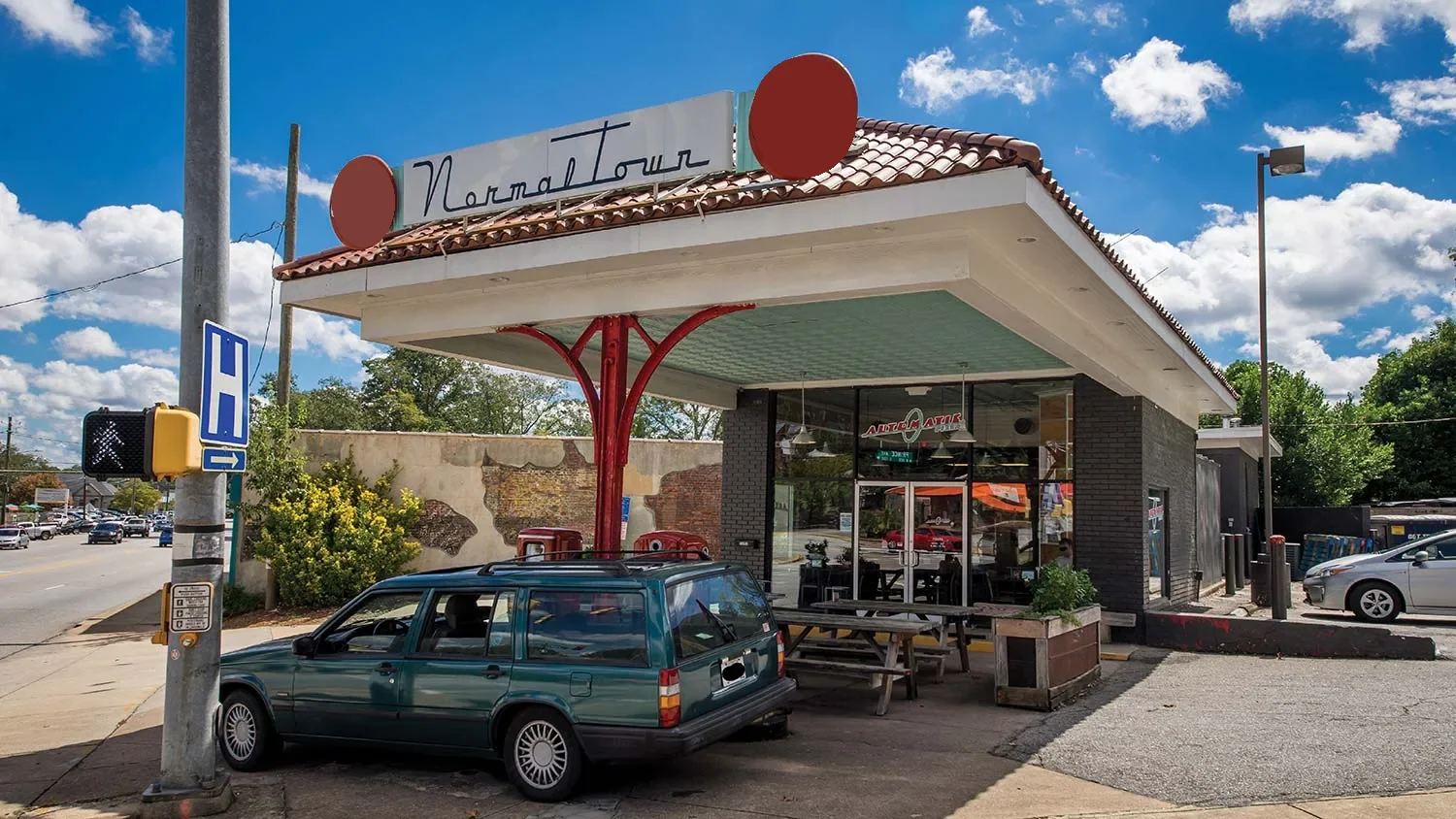
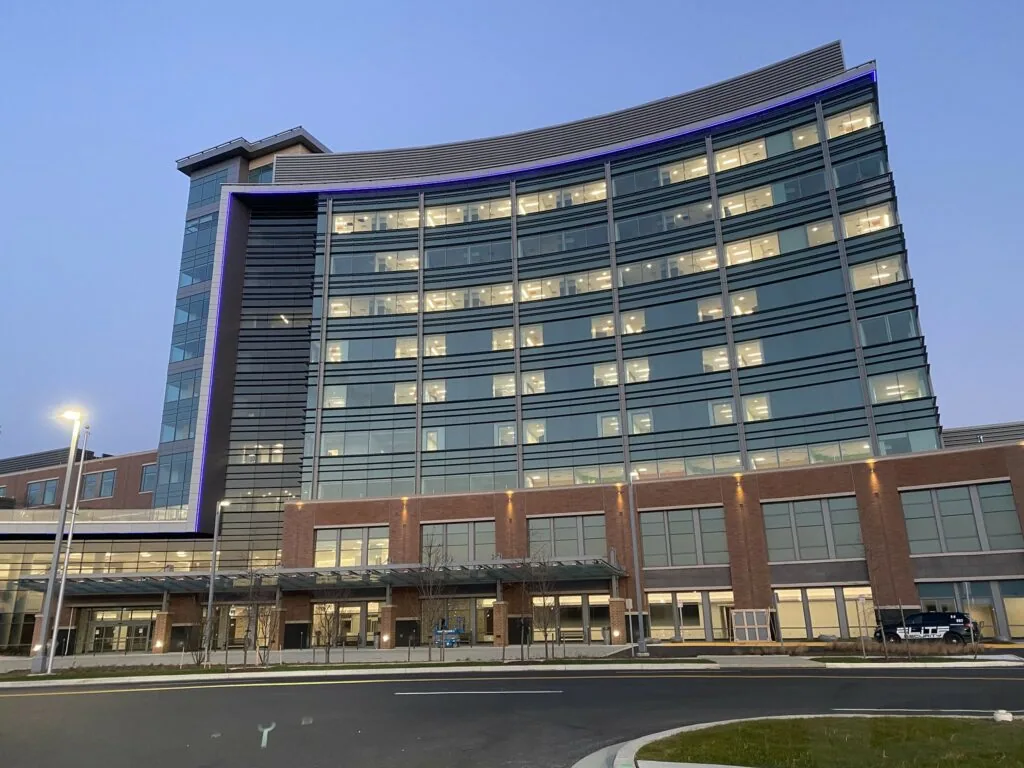
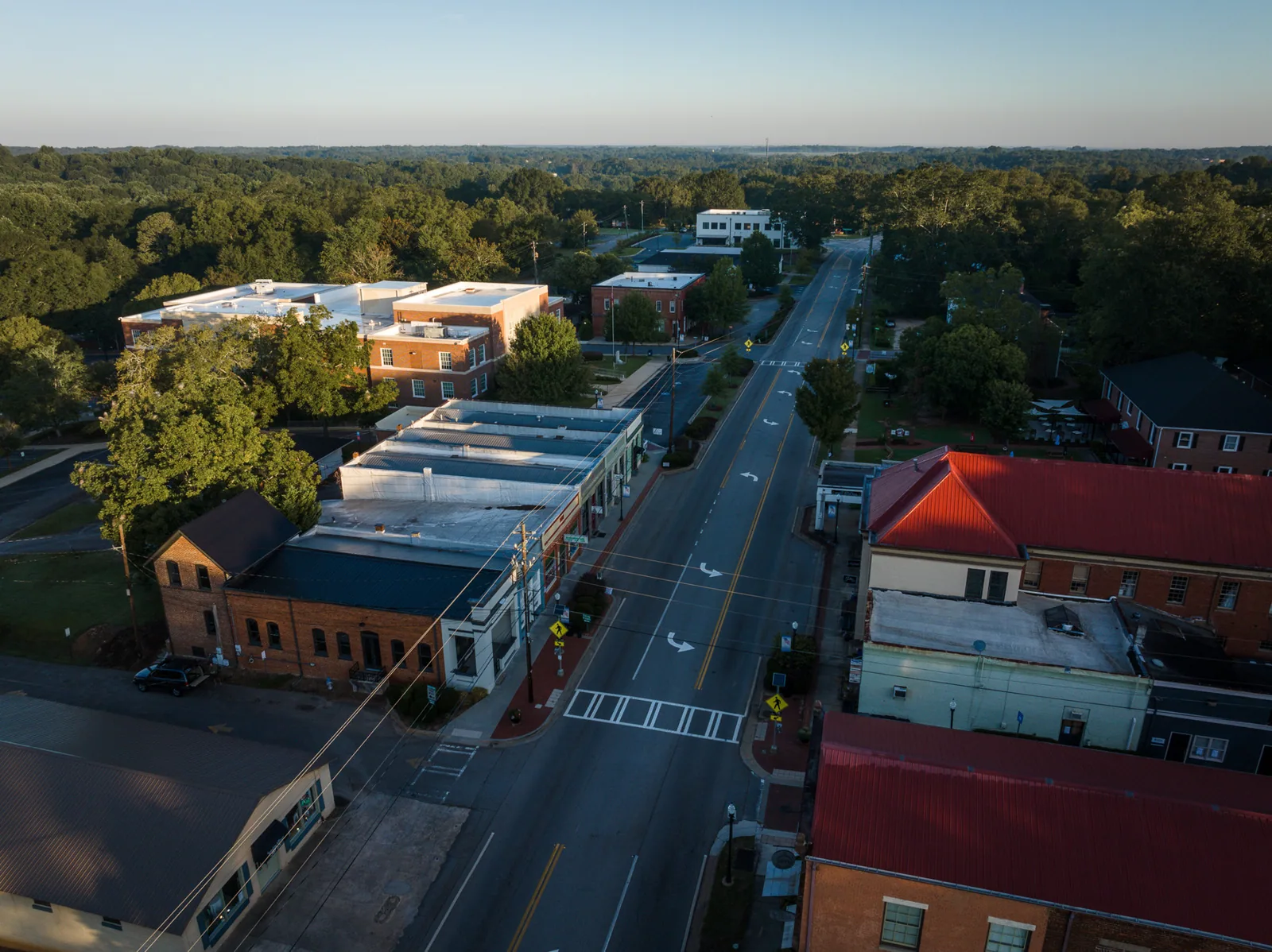
East Athens includes commercial properties with a range of building uses and access conditions. The East Athens commercial area includes businesses and services along the East Side, including Barnett Shoals Road and the College Station Road commercial node. We survey the selected roof and plan its access with the property contact. We inspect the assembly, map drains and penetrations, and document visible conditions before choosing repair, recovery or replacement. The owner’s contact identifies operating equipment, deliveries and areas that must remain accessible. Warm-season thunderstorms make it important to open only the roof section that can be secured within the shift. Each project record ties photos, quantities and closeout to the building actually surveyed.
Coordinate property access and deliveries
Before a crew arrives, the property contact identifies check-in, escort or badging steps, roof access, delivery windows and areas that must remain available to property operations. We confirm the route for tools and materials, where a truck can unload and how the ground boundary will be marked. A crane pick or lift requires coordination of setup, reach and pedestrian control. If a drone-assisted survey, crane pick or other aerial work is planned, the property contact confirms any aerial-work limits before equipment is scheduled. We list the approving contact and alternate inspection method in the work order if those limits change. For a retail, office, service or industrial property, the plan ties measurements, access and roof scope to that specific structure. The field team follows the access approval provided by the site contact and does not enter restricted areas without release. A separate scope near Statham commercial area or Athens-Clarke County commercial area follows different access instructions. We keep contacts, routes and hold points on the work order for each address.
For a commercial property in East Athens, the owner contact confirms the building entrance, delivery window, roof access and any shared ground route before mobilization. We mark the work zone and identify who can approve a temporary interruption to equipment or an occupied area. Material arrives only when the selected section is ready, and the crew protects the route below while the roof is open. The access plan follows the selected property’s operator and does not borrow procedures from a neighboring business or public site.
Survey the building before selecting work
The roof inspection records field membrane, seams, prior repairs, edge metal, wall transitions, penetrations, curbs, drains and scuppers. We photograph defects by zone and record if an area needs hands-on access or testing. Interior water marks help direct the search, but they do not establish which roof detail failed. If moisture below the membrane or a concealed deck issue is suspected, we identify a test cut or targeted infrared survey before pricing tear-off. Existing layer count, attachment, drainage and edge height are checked before recover is considered. A aerial roof overview documents the accessible assembly, while a building-condition survey ties findings and photos to the building. We measure the selected roof directly and base quantities on that structure and the project limits approved by its owner.
Protect the building during each phase
The work sequence connects the roof section to the facility function below. We confirm which spaces must stay occupied, which equipment needs to remain in service and whether any service path crosses the planned laydown area. The crew protects the interior, removes only the section that can be dried in that shift and installs the specified insulation and membrane. Drains, curbs and wall transitions are checked before the area is released. If a test cut or tear-off reveals a different deck or attachment condition, work stops at a protected boundary while the owner reviews the revised detail. A phased work plan can coordinate operations and roof-zone handoffs, while equipment curb work is scheduled with the maintenance contact. For an aircraft hangar, we inspect the assembly, door transitions, drainage and operating window before setting the roof scope.
Price repair and replacement from findings
A local seam, puncture or flashing defect can be repaired when surrounding membrane and substrate remain sound. Repeated failures, wet insulation, poor attachment or a damaged deck can require broader replacement. A recover depends on layer count, attachment, drainage, edge height and current code. Coating is considered only if the existing assembly is compatible, dry and prepared. We show the cost drivers: measured roof area, removal, disposal, insulation, deck work, penetration details, equipment coordination, access and protection below. Any concealed condition that could change the proposal is listed as an open question. A seam repair may stabilize one defect; a replacement scope covers broader deterioration. Emergency protection is scoped separately from permanent work and property access approvals. The owner receives the sequence and quantities before the mobilization window is booked.
Keep the open-roof limit clear
Athens’ warm-season thunderstorms can interrupt roof work, so we set the exposed-area limit and dry-in point before tear-off. Before a section opens, the foreperson pairs the planned work with an end-of-shift tie-in and a forecast checkpoint. The property contact can defer material movement when conditions change. The field lead checks conditions, secures loose materials and seals a section before moving away from it. If rain, lightning or wind makes the roof unsafe, the crew stops at the approved boundary, protects the area where conditions allow and reports its status. The next delivery or lift window is adjusted with operations. Athens’ warm-season storms make a secure dry-in point essential; after reported impact, we inspect membrane, edges, penetrations and drainage before pricing permanent repairs. If wind or hail is reported, photos document seams, edge metal, penetrations and drainage before permanent repairs. An active opening may receive emergency stabilization, with a lasting repair scope set after a safe reinspection.
Close out by facility and roof section
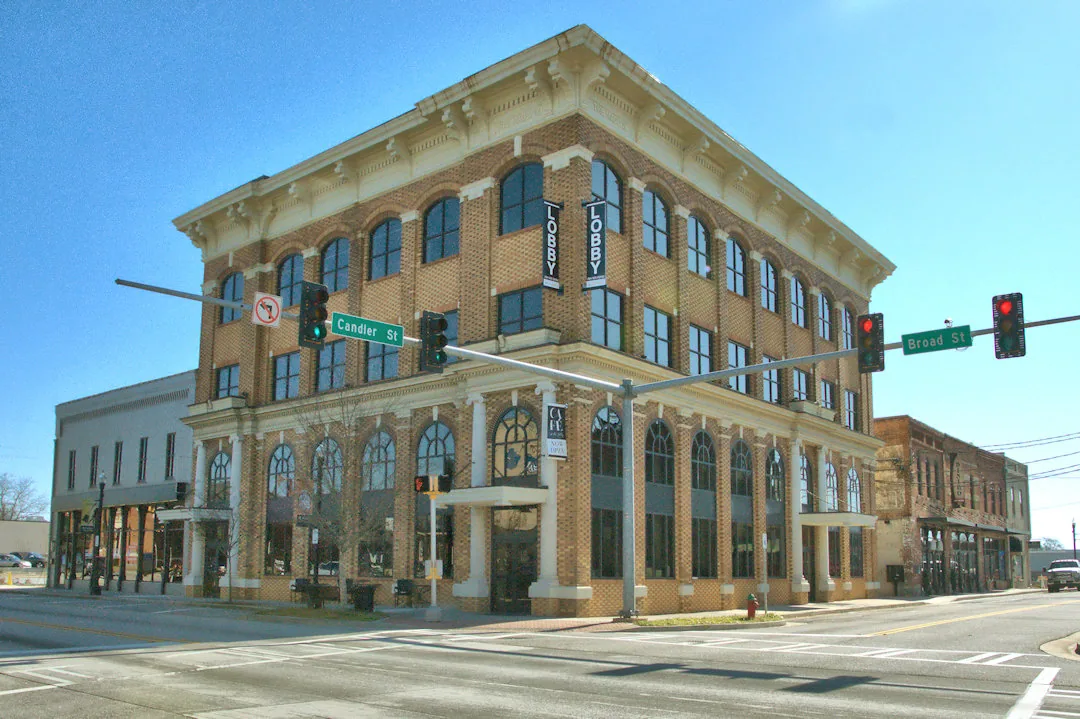
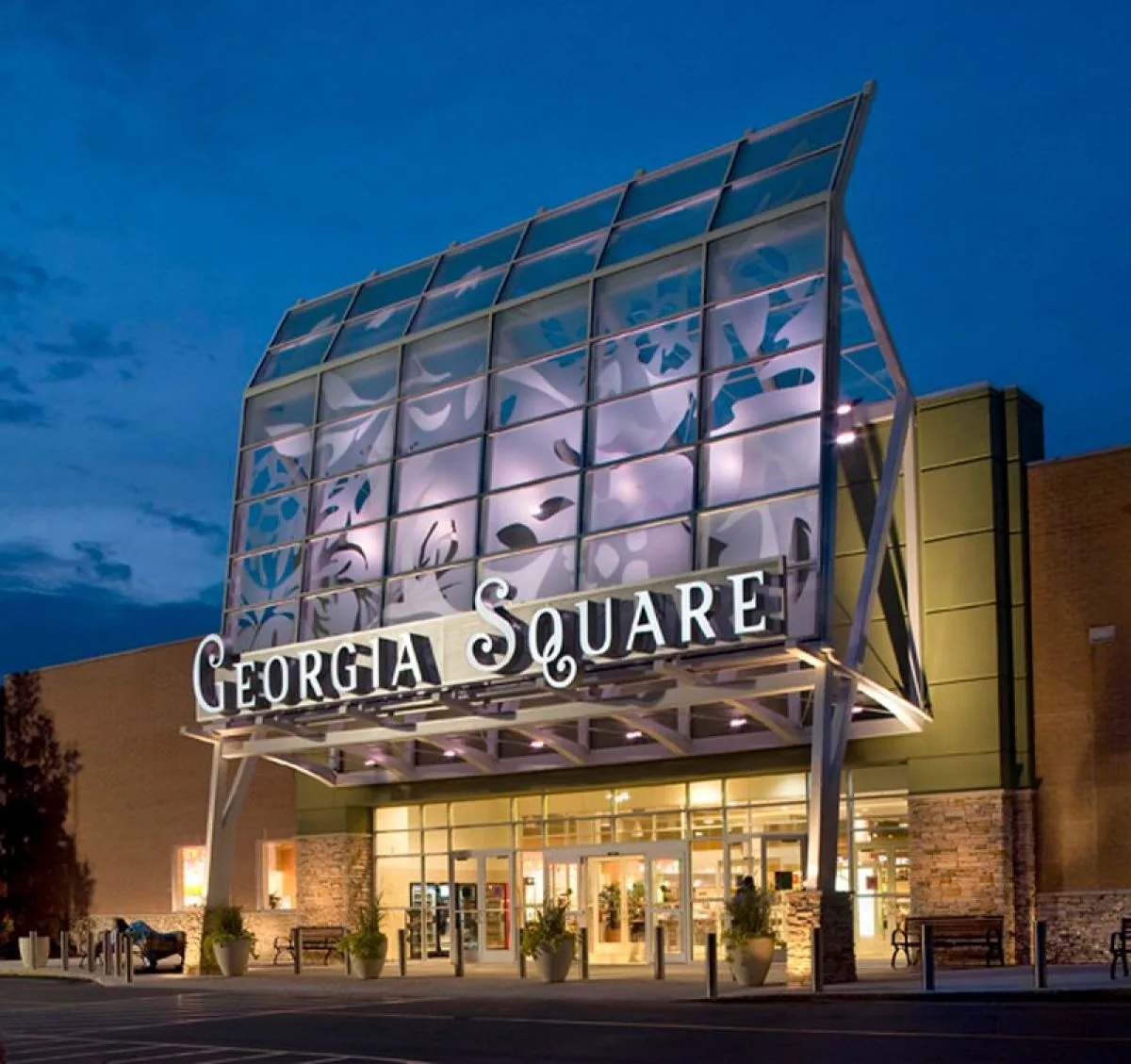
At turnover, we inspect completed seams, flashings, curbs, drains and tie-ins, then match photographs to the facility and roof-zone map. The closeout lists materials identified from approved documents, work completed, inaccessible areas and unresolved tests. Temporary protection is labeled apart from permanent repair. The property contact receives a handoff that records the route and staging area returned to service, the completed section and any future access needed. A closeout names the exact building, access path and staging area so each facility keeps a distinct roof record. Downtown Athens and other East Athens business areas require their own contacts and routes. Contact Commercial Roofing Athens to schedule a building-level roof walk and coordinate the access, staging and weather plan before pricing.
The closeout names the selected property, completed roof zones, temporary protections and any inspection that remains open.
Related Roofing Work
Frequently Asked Questions
Does a nearby public facility determine the roof scope?
No. Nearby facilities are local context only. We measure and inspect the selected commercial building, confirm its roof boundaries and coordinate access with that property’s authorized contact.
How is property access coordinated?
The building contact confirms check-in, escort or badge steps, roof access and delivery routes. The work order identifies the property and approving contact before mobilization.
Can an occupied property stay open during roof work?
The facility contact defines operating limits and any required closures. We sequence a protected section with a dry-in point and hand it back before moving the crew.
What can change the project cost after the survey?
Concealed moisture or deck conditions, removal depth, access, equipment coordination and required details can change quantities. The scope lists tests and open conditions before work.
What happens if a storm approaches during tear-off?
The crew follows the agreed exposure limit, closes or protects the open area where conditions allow and reports the status. The property contact helps reset the next safe window.