Commercial Roofing in Statham, Georgia
Home / Service Areas / Statham
Statham
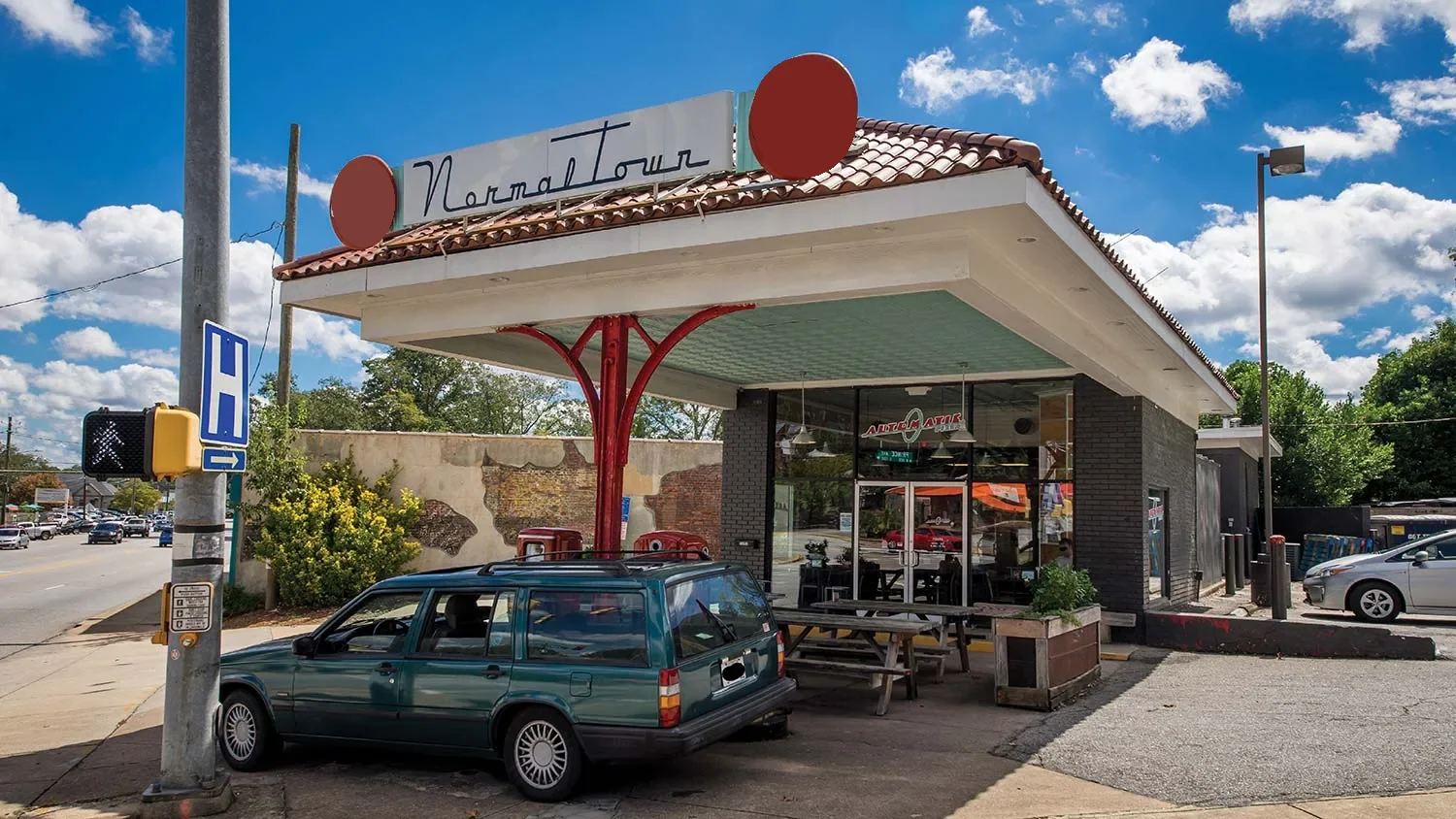
Statham is a Barrow County city between Athens and Atlanta, with commercial activity along Atlanta Highway and the Georgia 316 and Highway 211 approaches. The city has two commercial parks, while nearby light-industrial and highway-business districts create a mix of warehouse, service, retail and workplace roofs. A useful roofing plan starts with the building itself: its roof assembly, drainage, edge details, occupied areas and access route. We meet with the owner or facilities contact, walk the roof where conditions allow and define the work around the property’s actual operations. That produces a scope suited to the building, whether it serves local customers, stores inventory or supports a larger regional operation. We also coordinate nearby work in the Winder commercial area.
Plan access around business hours
Before a site visit, we coordinate roof access, check-in, parking, delivery timing and any area that must stay open to staff, customers or trucks. A small storefront may need a clear entrance and a short work window; a warehouse may depend on loading doors, yard circulation and uninterrupted receiving. We identify where ladders or lifts can be positioned, how materials will reach the roof and which ground paths need temporary protection. For multi-tenant properties, a manager can help sequence notices and keep each tenant informed about noise, closures or overhead work.
Statham’s commercial parks lie on separate approaches, so route planning and staging should follow the selected property rather than a generic town-wide assumption. We confirm the building entrance, roof hatch or ladder point, equipment access and the person authorized to release each work area. If a lift, crane or delivery truck will affect a drive aisle, the work plan identifies a safe setup zone and keeps emergency and customer routes available. Any schedule change is coordinated with the property contact before a roof section is opened. A phased reroof plan can help keep essential areas operating while crews move through defined sections.
Inspect the roof assembly and drainage
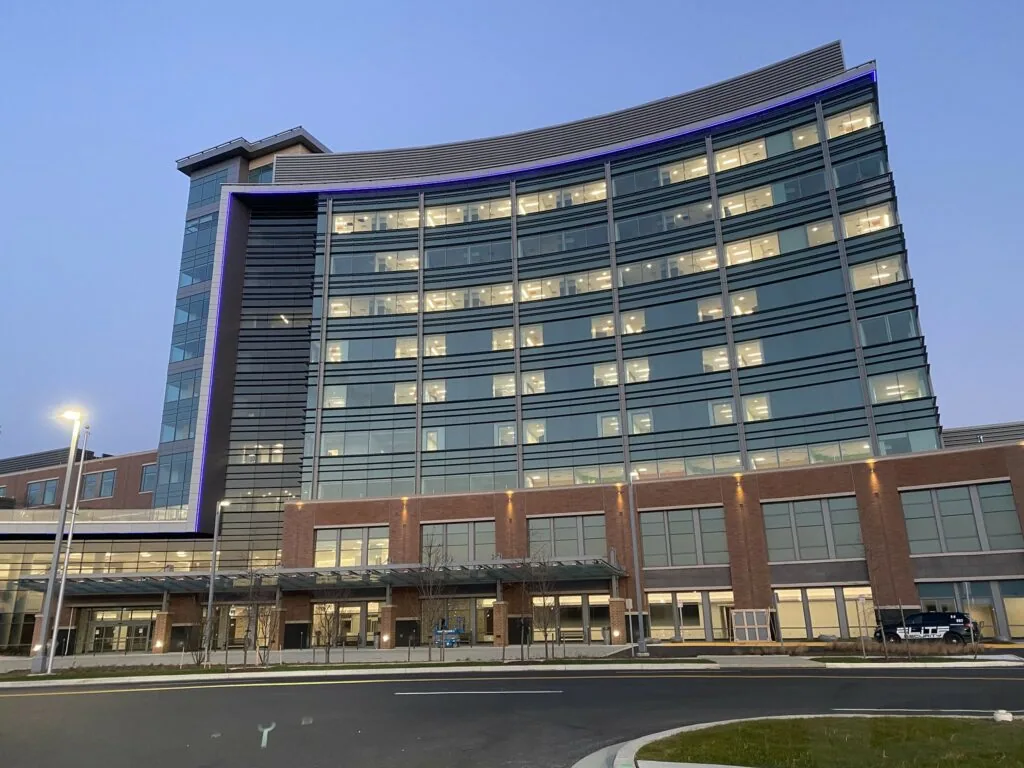
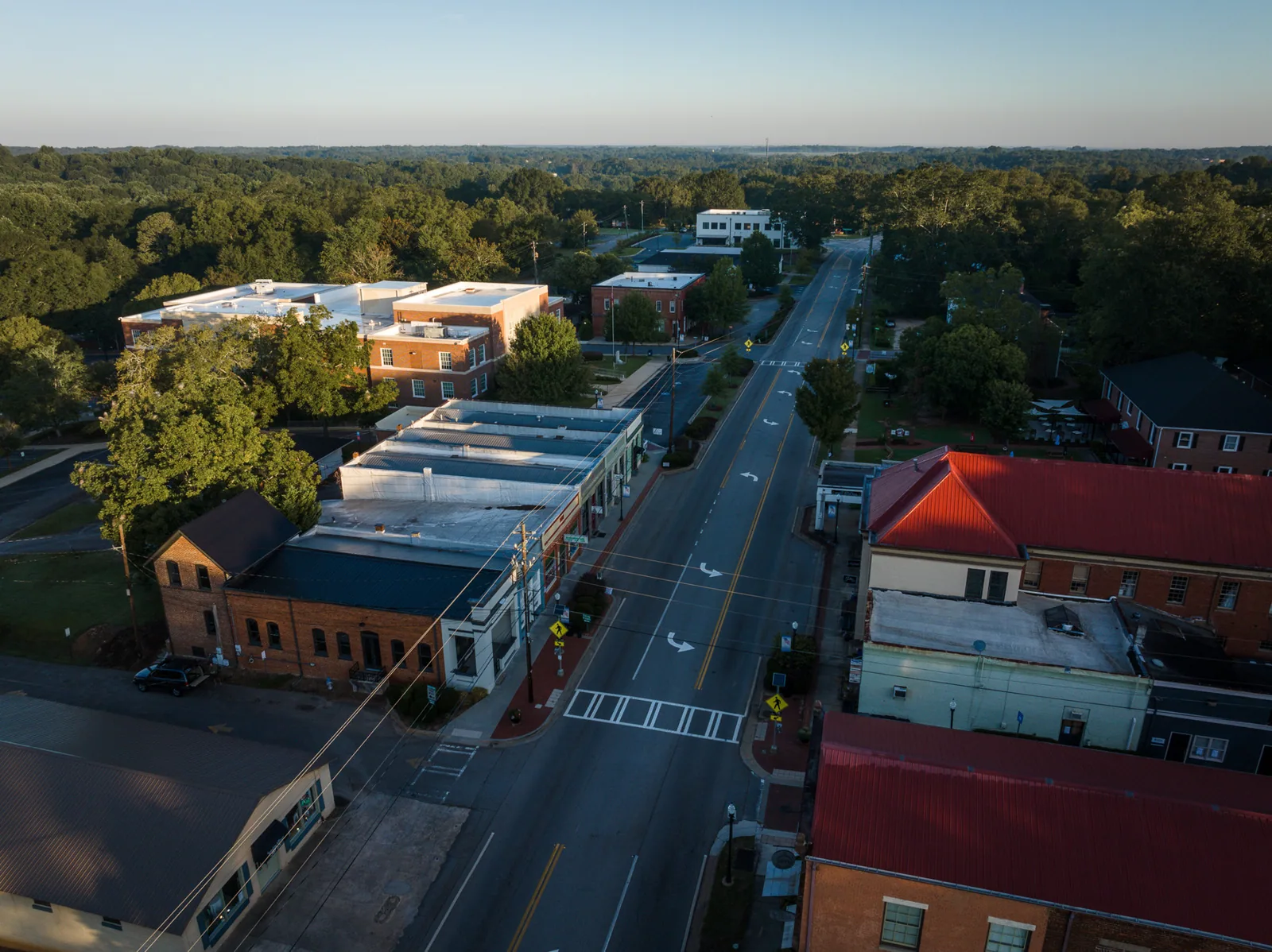
A commercial roof assessment checks the membrane or metal panels, seams, fasteners, flashings, parapets, penetrations, curbs, drains, scuppers and gutters. We trace visible water paths and compare them with reported leaks, ceiling marks or recurring maintenance calls. On low-slope roofs, ponding, clogged drainage, open seams and weak transitions deserve close attention. On metal roofs, we examine panel laps, fasteners, sealants and movement at penetrations. Photos are grouped by roof zone so a facilities manager can relate each finding to the building and location.
Rooftop units, exhaust fans, conduit, solar equipment and later additions can complicate repair sequencing or water flow. If moisture may extend below the visible surface, targeted test cuts or infrared imaging can help determine whether a localized repair is reasonable. A drone-assisted roof survey may help document broad or hard-to-reach areas, while a moisture survey can help map suspected wet insulation for follow-up.
Choose repairs that fit the roof
A repair is appropriate when the surrounding roof remains serviceable and water entry can be traced to a specific detail. Work may include restoring a seam, replacing failed flashing, correcting a penetration detail, clearing or improving drainage, or repairing localized membrane damage. If failures recur across multiple sections, the membrane has widespread deterioration, or moisture is present below the surface, a broader restoration or replacement may provide a more durable result.
We compare options against the roof’s current layer count, attachment, deck condition, drainage, perimeter height and compatibility with proposed materials. A recover or coating is considered only when the existing assembly and substrate are suitable and preparation can produce a sound bond. The estimate separates repair, removal, insulation, cover board, edge metal, deck work, access equipment and protection below the roof. It also identifies tests or concealed conditions that could affect the final quantity. Owners can review a targeted repair, full replacement or coating restoration against the same observed conditions and operating needs.
Keep deliveries and production moving
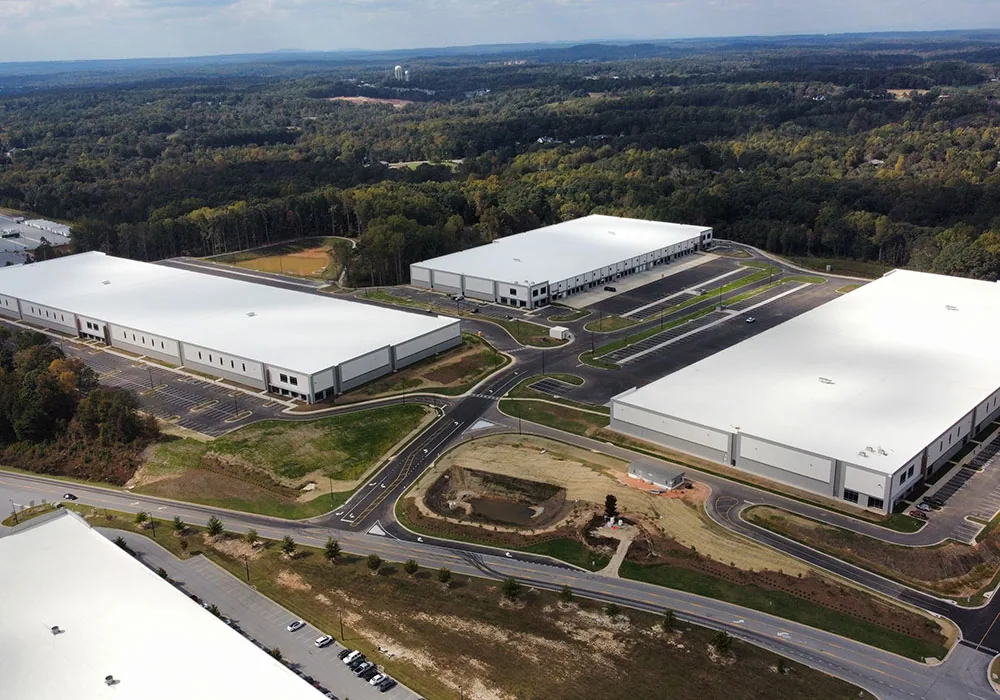
Once the scope is approved, the project team sets a sequence that protects people and property below while limiting the time each roof section remains open. Materials are staged before tear-off, and the crew establishes a daily dry-in limit with a secure tie-in at the end of each shift. For warehouses and light-industrial buildings, that sequence accounts for receiving schedules, yard traffic, rooftop equipment and any interior process that cannot tolerate dust or water entry. For offices and customer-facing properties, it can also account for entrances, parking and quieter work periods.
Where a roof spans several suites or operational zones, we divide it into manageable areas and explain how access, noise and temporary protection change as work progresses. The superintendent keeps the property contact informed about completed sections, the next day’s work and any condition that requires a decision. If opening the roof reveals wet insulation, unexpected deck deterioration or a detail that differs from the approved scope, the crew protects the area and presents the finding before expanding work. A documented condition report helps owners compare current needs with future capital planning.
Set weather-sensitive work windows
Roof work in northeast Georgia must account for hot, humid summers, frequent warm-season storms and occasional winter freezes. Rain can interrupt membrane installation, coating work and exposed tear-off, while heat affects crew pacing and the handling of some materials. Before each shift, the field lead checks the forecast and the roof surface, stages temporary protection and confirms how the open area will be secured if conditions change. The crew completes tie-ins and dry-in details before leaving a section exposed.
When a storm is forecast, the work area may be reduced or postponed so the crew can finish a secure stopping point. After strong wind or heavy rain, an inspection can focus on edges, seams, penetrations, drains and any interior locations where water was reported. Emergency response addresses active water entry and protects the building; permanent repairs follow after conditions are safe and the affected assembly can be assessed. If a property has sensitive inventory, electrical equipment or occupied spaces below, the owner can identify priority zones in advance so the response plan starts with the areas where water control matters most.
Close out each roof section clearly
At completion, we review the repaired or replaced areas, check drainage and transitions, and photograph the finished details. The closeout identifies the work performed, materials used, roof zones addressed, any areas that could not be accessed and any maintenance or testing that remains. Temporary protection is distinguished from permanent work, and warranty information is included when applicable. For a multi-building property, records stay grouped by building and roof zone so later inspections or service calls start with a useful history.
A clear turnover helps facilities staff prioritize drainage checks, keep roof access controlled and recognize changes before they become interior damage. Commercial Roofing Athens can schedule an assessment for Statham businesses and property managers, review the roof’s condition and prepare options that reflect its use, access and budget. Owners with buildings in Athens can also coordinate a separate assessment in the Athens-Clarke County commercial area.
Frequently Asked Questions
Which parts of Statham do you serve?
We coordinate commercial roofing in Statham, including properties near its commercial parks and the Atlanta Highway, Georgia 316 and Highway 211 corridors. The exact building and access plan are confirmed when scheduling.
Can roof work continue while a warehouse is operating?
Often, work can be phased around receiving and operating hours. The property contact helps set delivery windows, ground protection and the areas that must remain available.
How do you decide between repair and replacement?
We inspect the roof assembly, drainage, details and visible moisture conditions, then compare repair, restoration and replacement based on the observed scope and any testing needed.
What happens if the roof is opened and hidden damage appears?
The crew protects the exposed area, documents the condition and presents the added work and cost for approval before changing the agreed scope.
Can you inspect multiple buildings for one owner?
Yes. Each roof can be documented by building and zone, with priorities set by condition, operations and planned capital work.