
Commercial Roofing in Winder, Georgia
Home / Service Areas / Winder
Winder
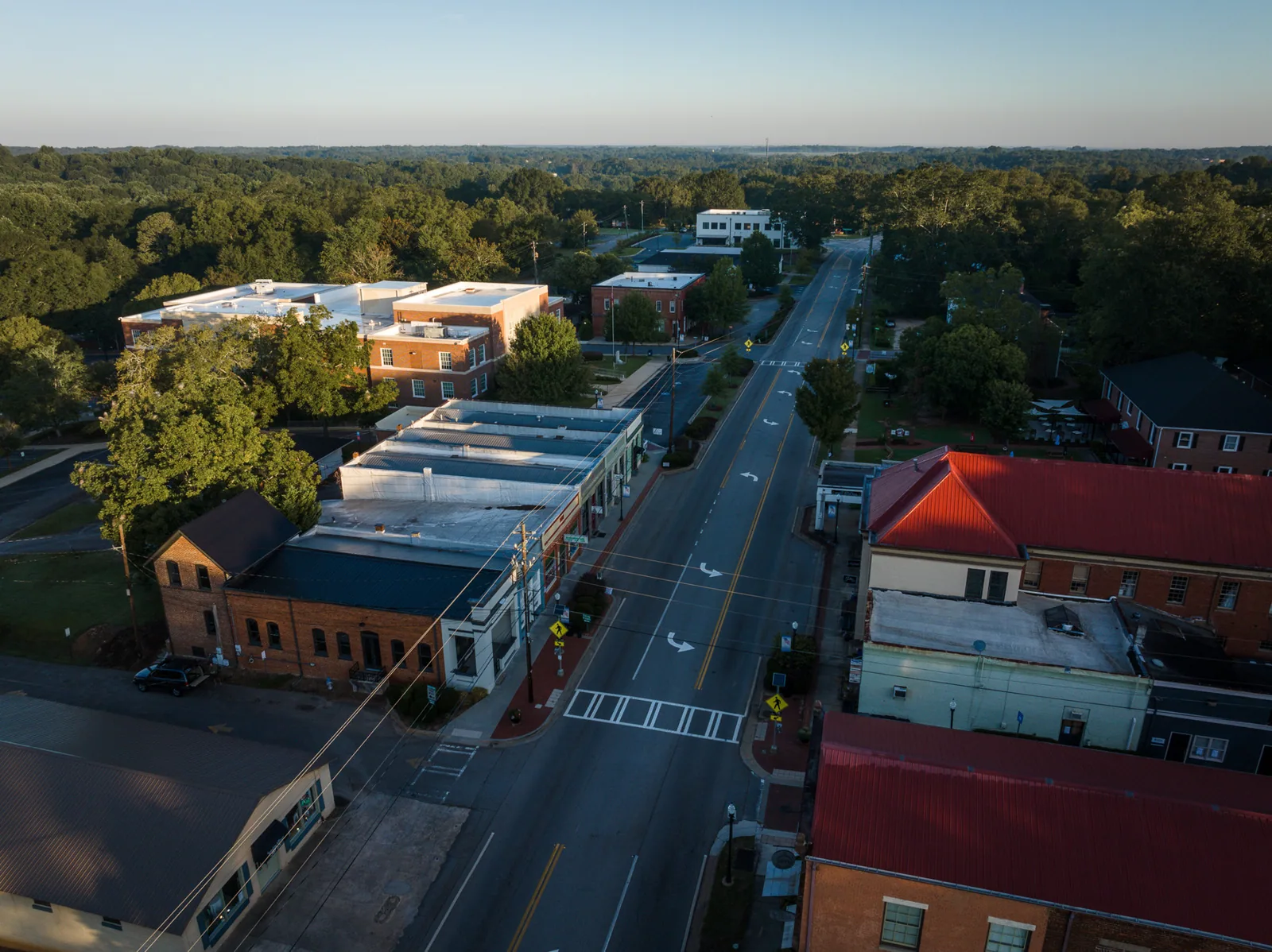
Commercial roofing in Winder covers retail, service and industrial properties with different work windows. Winder’s comprehensive plan identifies Downtown, local commercial corridors and the SR 316 corridor as distinct areas for business and employment uses. Commercial properties across Winder have their own entrances, roof access and operating hours, which we confirm before mobilization. We verify the selected roof, receiving route, access contact and equipment constraints before pricing. The wider service radius also includes the Hoschton Highway 53 business area and Downtown Monroe, where roof assemblies and operating schedules are confirmed independently. For each property, the field plan sets a measured scope, material staging, occupied-area protection and a dry-in point that fits the approved work window.
Coordinate commercial property access
Before dispatch, the property contact confirms the vehicle route, roof access, delivery window and any check-in or escort steps required at that building. We identify occupied entrances, service paths and equipment that must stay in operation, then select a laydown area that will not block daily use. If a lift or crane pick is needed, setup, reach and pedestrian control are agreed before material is ordered. The plan identifies who can approve a change and where the crew will stop each shift. For a Winder commercial building, the property contact confirms its delivery entrance, roof access and work-hour limits before equipment is scheduled.
Survey the selected building
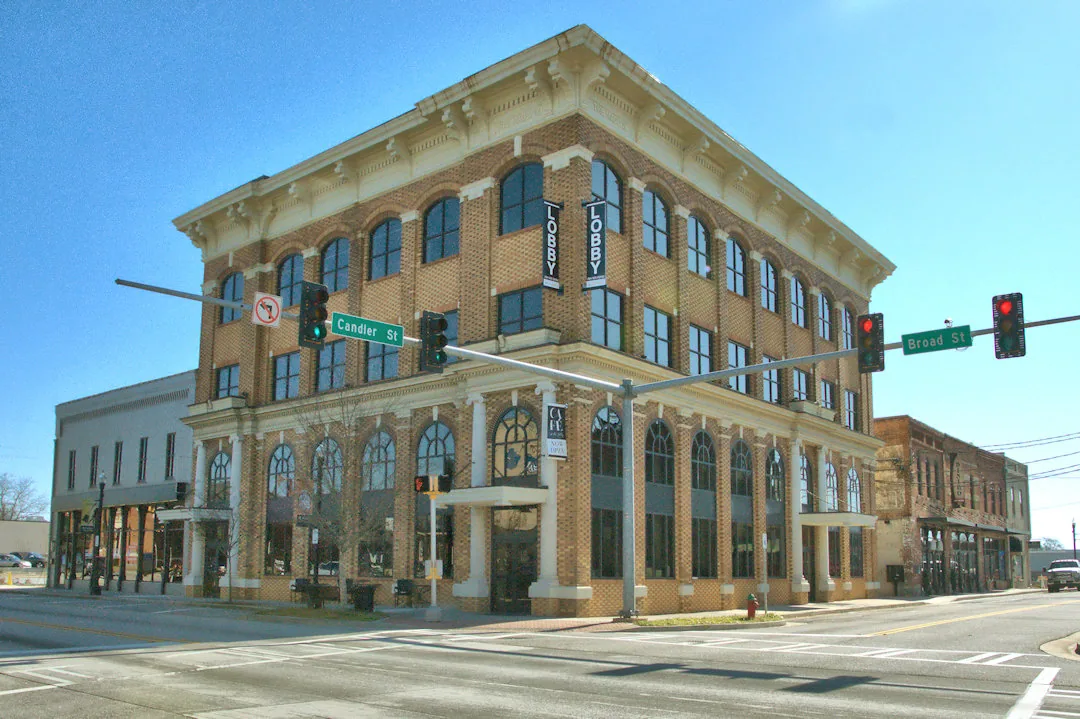
For a Winder commercial property, our first pass starts with a roof-zone map and the owner’s leak history. We trace visible openings around seams, drains, curbs, wall turns and edge metal, then compare those observations with the interior reports. A ceiling mark points the search but cannot identify the entry by itself. Photos are labeled to the map, and inaccessible sections are called out rather than treated as inspected.
We next check the build-up and attachment assumptions that control repair choices. If the visible surface does not explain moisture or movement, the scope identifies a test cut, moisture survey or other targeted check and states what the result would change. We verify the roof area directly, review drainage and clearances, and record equipment that may require a separate trade. A local patch is compared with replacement only after the surrounding assembly is evaluated. This gives the owner a traceable decision from observed condition to work quantity, including any uncertainty that should be resolved before material is ordered.
After the walk, we sort the findings into conditions that can be priced from visible evidence and questions that could change the scope. The property owner receives a short list of areas needing a test, the reason for each test and the decision that follows. An aerial roof survey can supplement high details that cannot be reached safely, while a roof due-diligence record keeps photographs, exclusions and next actions together. This is useful when the building is being budgeted alongside other Winder properties, because it separates measured quantities from allowances. If the survey reveals an active opening, temporary stabilization is recorded separately from the permanent repair recommendation, with the owner approving the next stage before material is ordered.
Select a scope from measured conditions
A local seam or flashing failure may support repair when nearby membrane and substrate remain sound. If moisture extends across roof zones, attachment is poor or deck deterioration is present, broader replacement may be warranted. A recover depends on layer count, deck, drainage, edge height and applicable code; a coating requires a compatible and sufficiently dry assembly. We explain the evidence for each option and list cost drivers such as measured area, removal and disposal, insulation, deck work, transitions, access and equipment coordination. The estimate identifies concealed conditions that could alter the scope. A hail-impact assessment may resolve a confirmed defect; a insulation and cover-board review addresses broader failure. The property contact confirms the approved work method, access route and any required third-party authorization before the crew is scheduled.
If removal exposes wet insulation, deteriorated cover board or a deck condition that was not visible, the work pauses at a protected edge while the owner reviews photos and quantities. The estimate then distinguishes authorized repair from an added scope that needs approval. This keeps the original commercial roofing request traceable and prevents concealed findings from being treated as included work without review.
Keep business operations moving
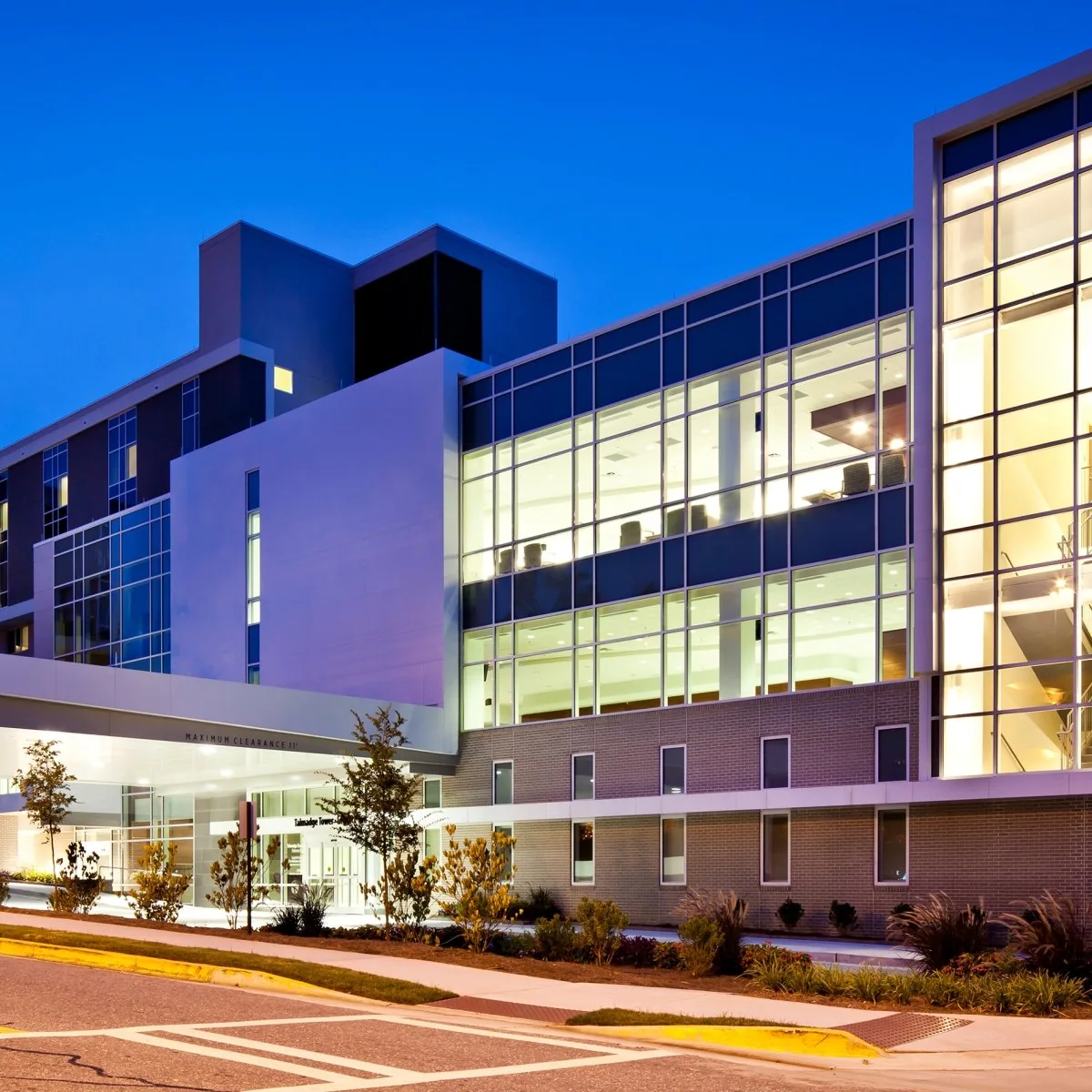
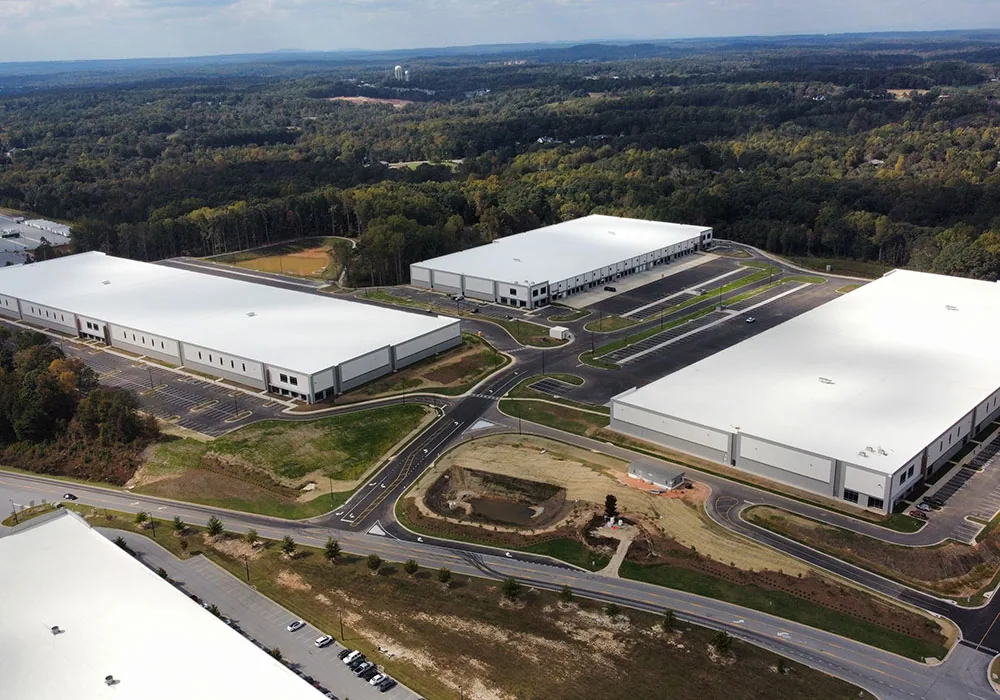
The roof sequence follows the building’s approved work window. Each area has a planned cover, a defined tie-in and a handoff before the property contact releases the next zone. We identify any tenant, service or production operation that affects noise, vehicle movement or temporary access. Removal is limited to the section the crew can dry in, and the field lead reviews outlets, curb flashings and wall terminations before the property contact confirms the section can return to service. If conditions differ from the survey, work pauses at a protected boundary while the owner reviews the change. This keeps the schedule tied to the selected commercial property.
Set the roof hold with operations
Warm-season storms affect work windows in the Winder area, so the supervisor checks the forecast against the section being opened rather than relying on a morning outlook alone. Before removal starts, the crew stages compatible temporary cover, confirms who can call a stop and agrees on the latest time to begin a phase. If conditions tighten, work shifts to closing the current boundary; loose tools and material are secured before anyone leaves the roof. The field log records which area is watertight, what protection remains and when the owner can expect the next update. A revised start time is coordinated with the building contact after the roof is safe to access again.

Close out by facility and roof zone
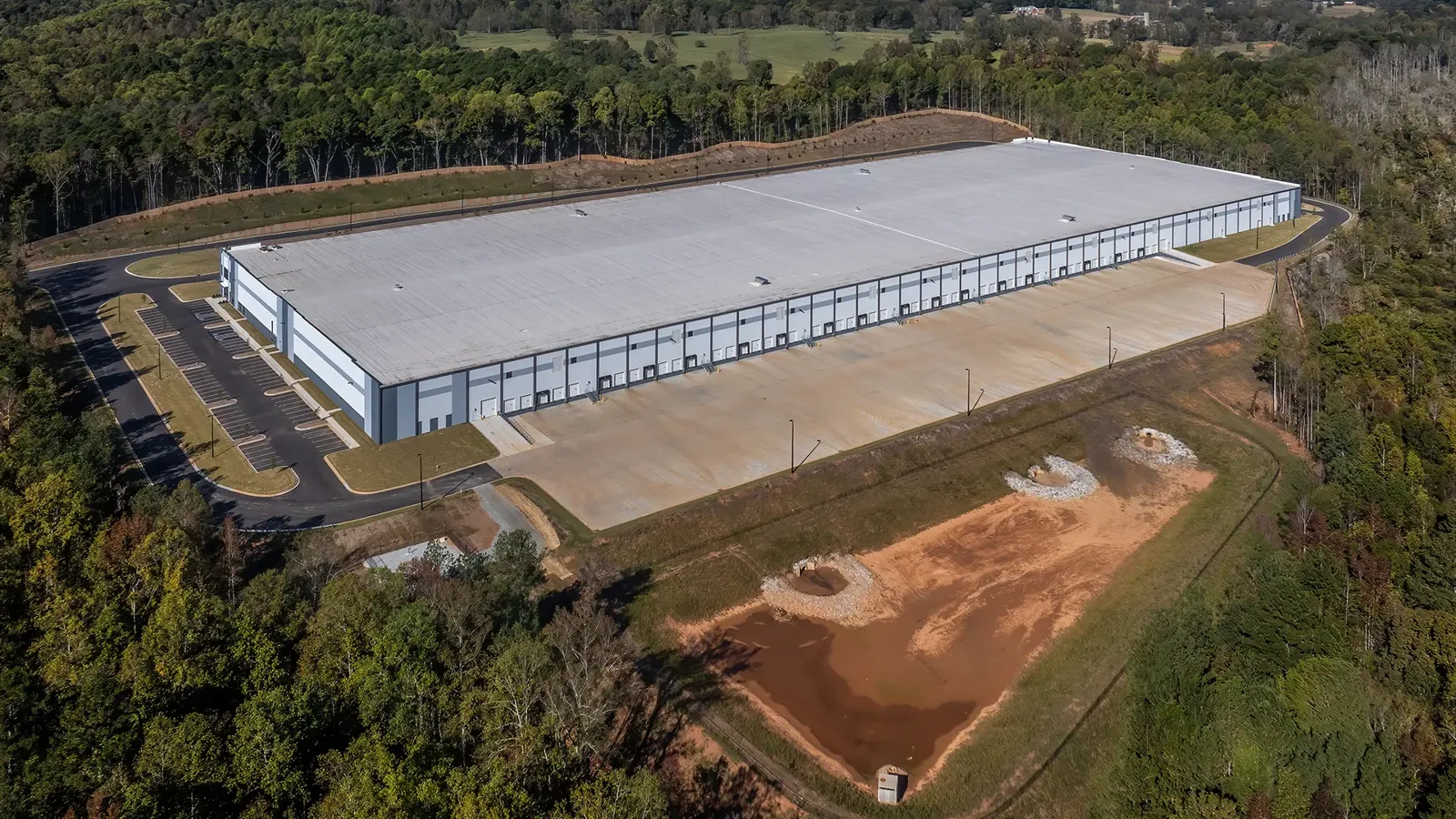
Closeout begins with a walk of the completed work against the approved roof-zone map. We check new membrane, repair edges, flashing terminations, drains and equipment transitions, then photograph the finished details from reference points that facilities staff can find later. The record distinguishes completed permanent work from temporary measures or items that still need testing. If an area could not be accessed, the limitation is stated plainly and carried as a next action.
The property manager receives the scope completed, product information available from approved documents, any field change approved during construction and the contact responsible for the next decision. We also record where the roof map and service records are stored, when the next inspection should be scheduled and which route was used for the visit. These details help future crews start with the actual building history. The closeout gives the Winder property manager a roof-zone map, completed-work photos, remaining recommendations and the next inspection step.
Related Roofing Work
Frequently Asked Questions
How is the roof area measured?
We survey the selected commercial building and measure its roof zones, edges, drains and penetrations separately.
How is access coordinated?
The building contact confirms check-in, any escort or credential rules, the delivery window and roof access. The work plan names who can approve a route change before mobilization.
Can business operations continue during roofing?
The property contact identifies equipment and occupied routes that must remain available. We phase work around those needs and hand each protected section back before moving on.
What happens if wet insulation is found?
We map the affected roof zone, confirm the extent with appropriate testing and explain measured removal before recommending the next assembly.
How is a weather delay communicated?
The field lead reports which area is protected and which decision remains open, then resets the next delivery or work window with property management.