
Commercial Roofing in Downtown Monroe, GA
Home / Service Areas / Downtown Monroe
Downtown Monroe
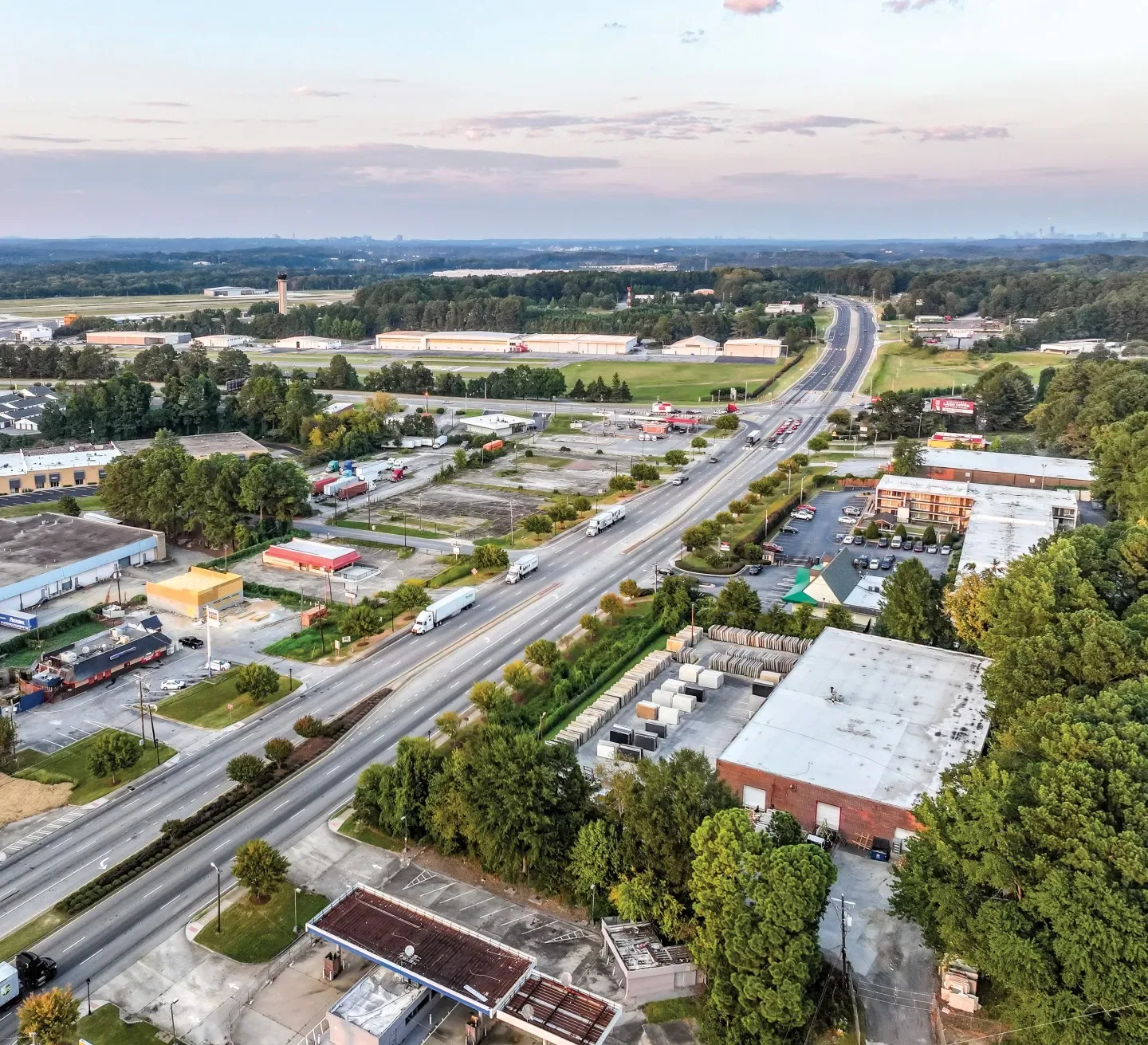
Business entrances, civic access and a building’s roof details share the same work plan in Downtown Monroe. Downtown Monroe includes commercial, civic and government buildings and remains a focus of local redevelopment. U.S. 78 and Georgia 138 serve Monroe’s business recruitment, while city-operated utilities include water, sewer, electricity, gas, stormwater and broadband fiber. That civic and business context informs access planning, while a site walk determines roof conditions and project sequence. We meet the property contact, map service lines and public access, then inspect the actual assembly before setting price or sequence. We set roof opening limits and a daily dry-in point according to the forecast and the assembly being opened. The manager receives a route, protection boundary and turnover record based on the selected building.
Keep civic and customer access clear
Before the first delivery, the property contact identifies the business or public entrance, receiving time, truck stopping point and any pedestrian path that must stay usable. The crew checks overhead clearance, lift setup, debris removal and a secured laydown area; a crane pick needs a separately approved boundary. Monroe’s access via U.S. 78 and Georgia 138 helps orient dispatch, but the address determines the correct turn and local work window. When roof drainage or electrical lines cross the work zone, the appropriate utility contact and shutdown authority are identified before material arrives. We identify utility contacts for any line crossing the work area and confirm building-specific shutoffs before material arrives. A project at Piedmont Regional Industrial Park or Watkinsville Town Center has a separate property contact and movement plan. The downtown access sheet stays attached to this address and is rechecked on mobilization day.
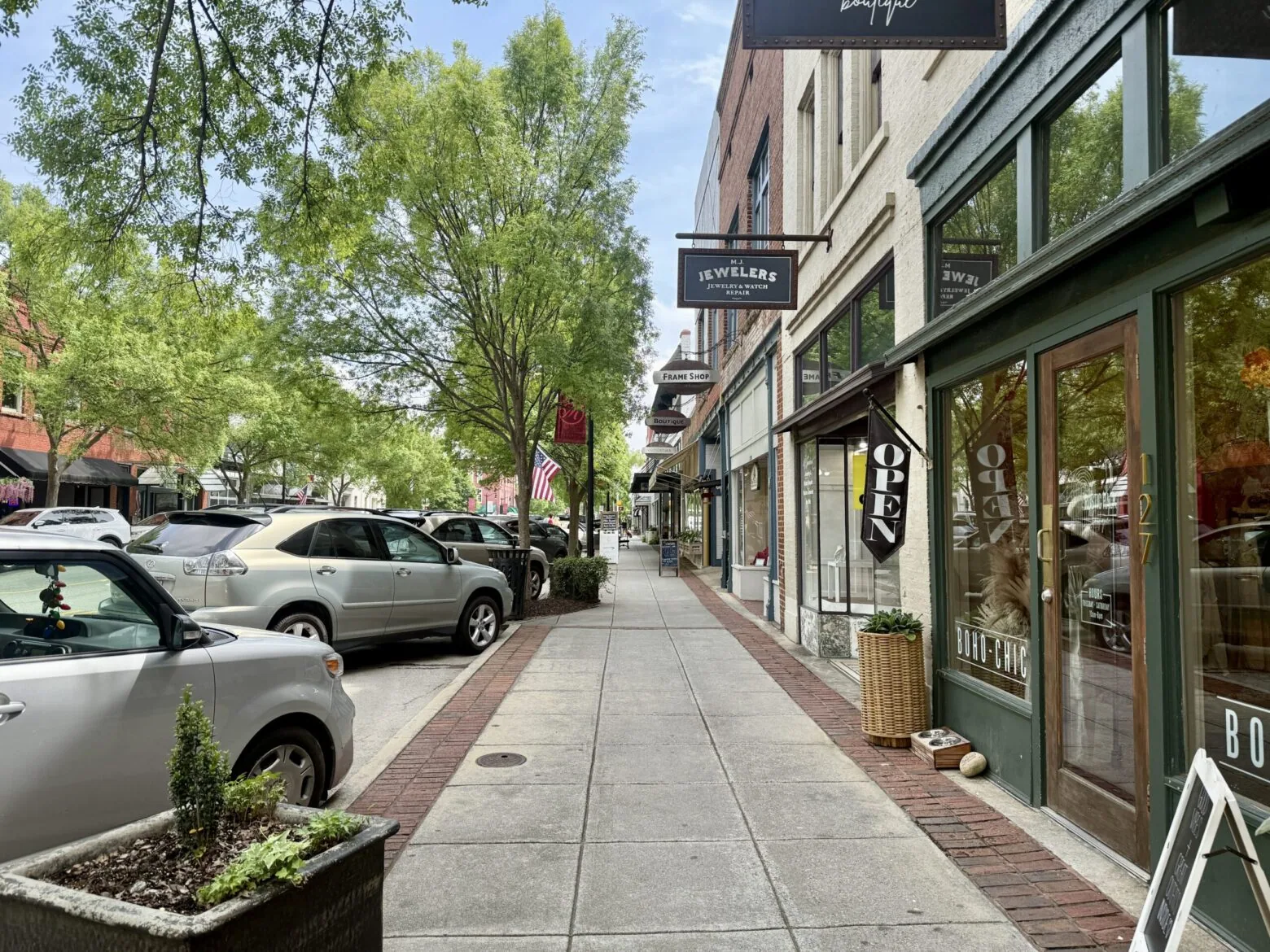
Downtown Monroe combines commercial, civic and government uses, so the site contact identifies public entrances and staff routes before staging begins. We mark where deliveries may unload, keep fire access clear and limit each shift to a roof section that can be closed before the weather hold. If the building is part of a larger civic facility, the owner confirms who signs off on access and work acceptance. The roof record then names the inspected structure, documents the completed section and leaves the next decision with the authorized representative.
Inspect what is on the building
Monroe’s historic downtown includes commercial and civic properties; our roof walk records the current assembly, drainage and access points before repair options are priced. The field walk measures the selected roof and checks seams, wall flashings, perimeter metal, penetrations, drains, scuppers, curbs and prior patches. We photograph defects by zone and compare them with likely paths from the interior, without treating a ceiling stain as proof of the entry point. Where water may be below the surface, a targeted moisture survey or test cut can answer a question the visual walk cannot. We also record which areas are inaccessible and whether mechanical or utility equipment limits the survey. A drone roof survey may document high or difficult-to-reach areas, while a condition report with photographs ties each finding to a location and next step. The inspection record pairs visible conditions with repair recommendations and any test needed before the scope is finalized.
Match the repair to the failure
An isolated open seam, failed flashing or puncture may be repaired if the surrounding assembly is dry and attached. Repeated leaks, moisture over multiple zones or a deteriorated deck can point toward larger replacement work. A recover requires confirmation of layer count, attachment, deck, drainage and edge height. Coating is considered only when the surface is compatible, sufficiently dry and prepared for that system. We explain the condition supporting each option and list the cost drivers: measured area, removal and disposal, insulation, deck repairs, edge work, rooftop equipment, access and protection of the space below. If concealed conditions could alter the takeoff, the estimate identifies the test or approval still needed. A flashing-failure assessment isolates a detail repair; replacement planning sets the broader assembly scope after inspection. We confirm applicable permits and reviews with Monroe’s local authority before work begins.
Separate roof work from utility work
The daily work sheet names the roof area, the access path below and the point where the tie-in must close. The contact confirms business hours, public access, equipment that has to remain online and any utility work occurring at the same time. We stage enough material for the next ready section, protect the occupied area, remove only what can be dried in and check transitions before releasing the zone. If a service line or rooftop unit must be moved, the qualified utility or mechanical contact sets that work window; roofing does not assume authority over those systems. If tear-off uncovers an unknown layer or weak deck, the crew protects the opening, records the condition and waits for direction on added scope. An multi-property roof program can coordinate notices and phased handoffs. Drain and scupper work is sequenced before final release so the water path is checked while the roof remains accessible. The property manager gets a status before a barrier, route or crew boundary changes.
Close each phase before the shift ends
The field lead checks the forecast before each shift and sets the exposed-area limit, temporary protection and person authorized to pause work. Before tear-off, the crew stages cover materials and chooses a tie-in that can be secured within the shift. If rain, lightning or unsafe wind closes the window, the crew stops at the approved boundary and tells the contact which areas are protected. A reported storm triggers a roof inspection before repair changes the evidence. Before tear-off, we stage temporary protection, choose the maximum exposed area and identify the person who can pause work. The crew lead checks conditions and plans a tie-in that can be secured with the materials already on the roof. If rain, lightning or unsafe wind closes the window, work stops at the approved boundary and the contact receives an update on what is covered. Once a storm is reported, the roof itself is inspected before repair changes the evidence. Hail-damage assessment separates immediate protection, observed damage and lasting work.
Leave a record for the next visit
At turnover, we photograph completed seams, flashings, drains and transitions and link them to the roof-zone map. The handoff lists finished roof zones, approved material details, inaccessible areas and decisions that remain with the owner. It also names who received the work area and what access or utility question remains before another phase. Temporary protection is labeled separately from completed repairs so a later inspection can see which condition was permanent. If a building has a second elevation or a future budget phase, the handoff records its boundary and any requirement for a separate setup. Downtown Monroe’s commercial, civic and government mix makes address-level coordination important, while the industrial acreage at Piedmont Regional is a different property context. Schedule a roof walk with Commercial Roofing Athens to verify the building, public route, service access and weather-sensitive sequence before final pricing.
Related Roofing Work
Frequently Asked Questions
Does Monroe’s historic downtown status tell you the roof construction?
No. The designation describes the downtown context, not the layers, deck or repairs at this address. We inspect the assembly and list any test needed to verify concealed conditions.
Who confirms utility access during roof work?
The property contact identifies the utility providers and shutdown authority for that building. We coordinate a separate work window if a line or rooftop unit intersects the roofing sequence.
Can the U.S. 78 route determine delivery timing?
The highway helps orient the approach. The building contact confirms the gate, unloading point, receiving window and any public-access restriction before dispatch.
What if a hidden deck issue changes the scope?
The crew protects the exposed area, photographs the changed condition and pauses for owner direction before extending removal or adding work.
How are temporary repairs recorded?
The turnover record distinguishes short-term water control from permanent work and identifies any inspection or test still required.