Commercial Roofing at Watkinsville Town Center, GA
Home / Service Areas / Watkinsville Town Center
Watkinsville Town Center
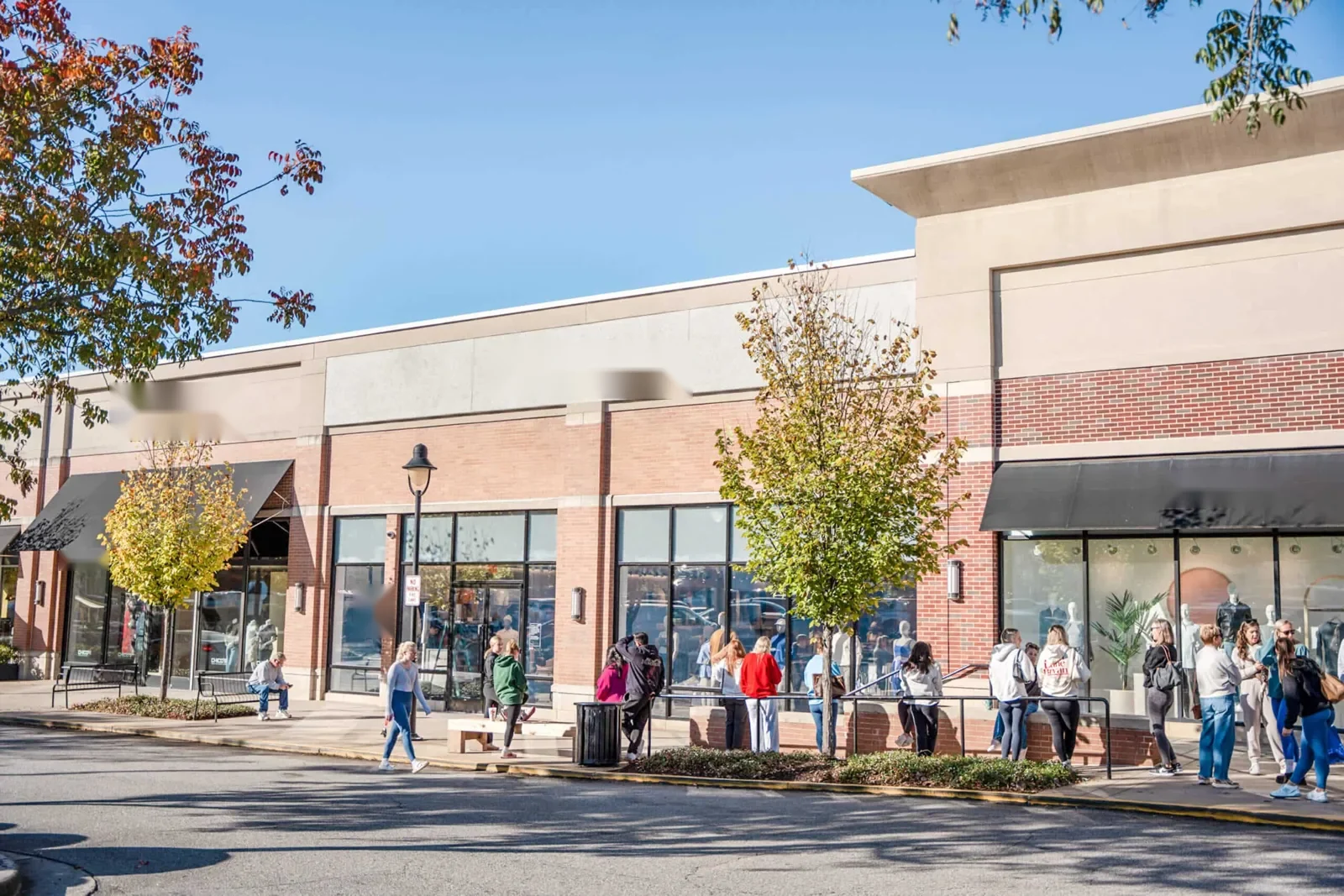
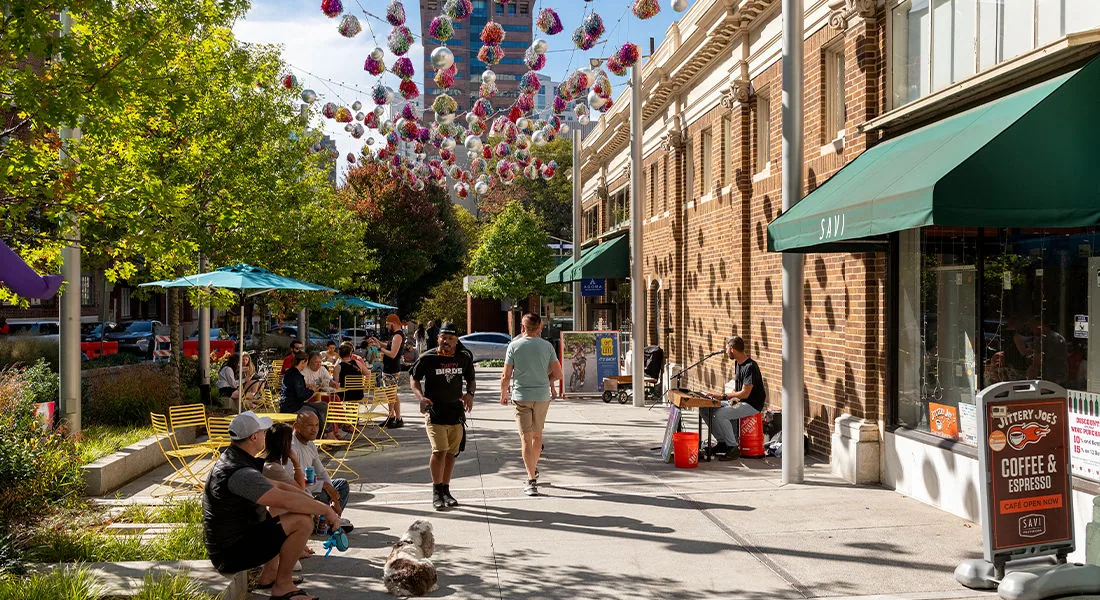
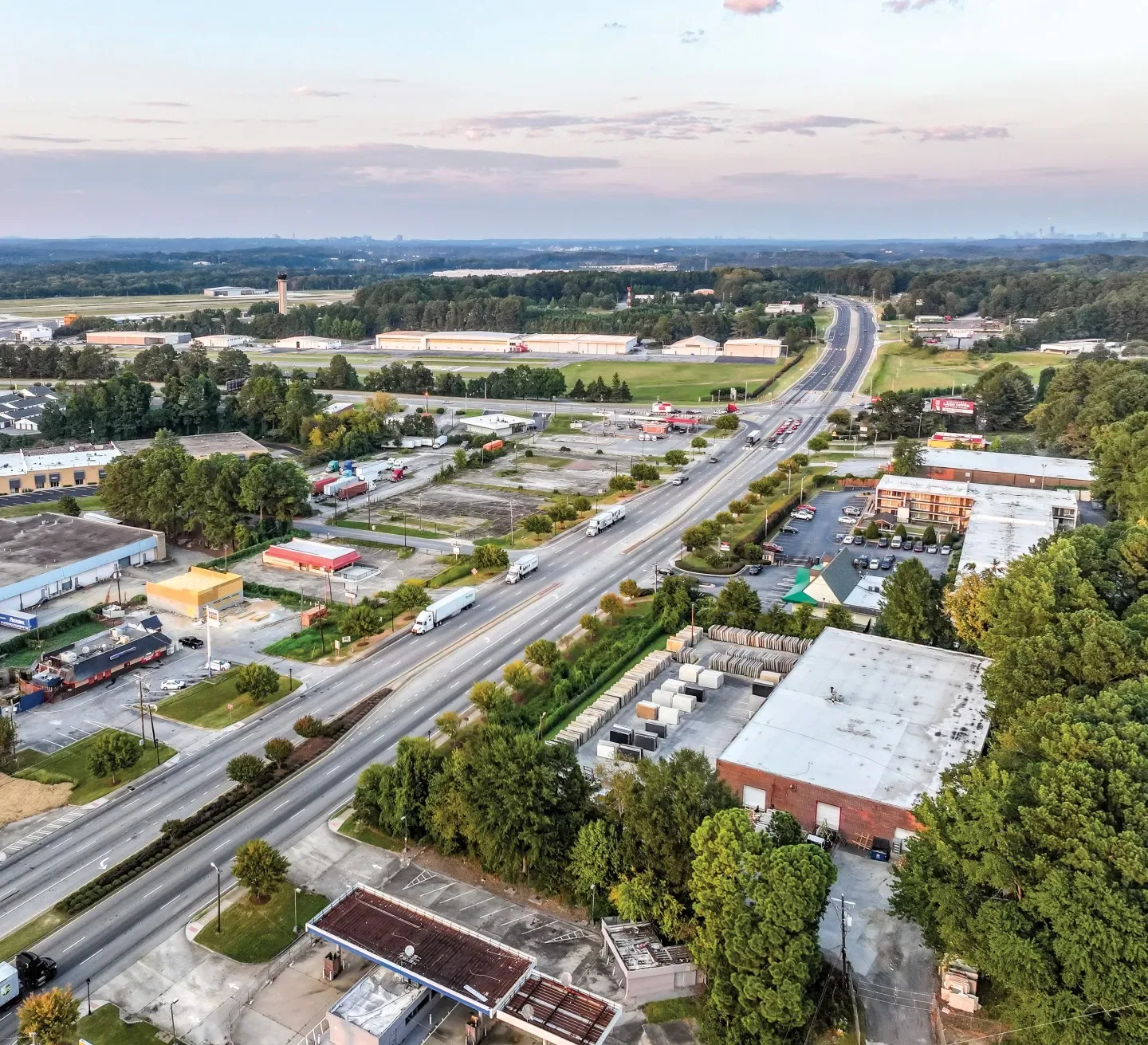
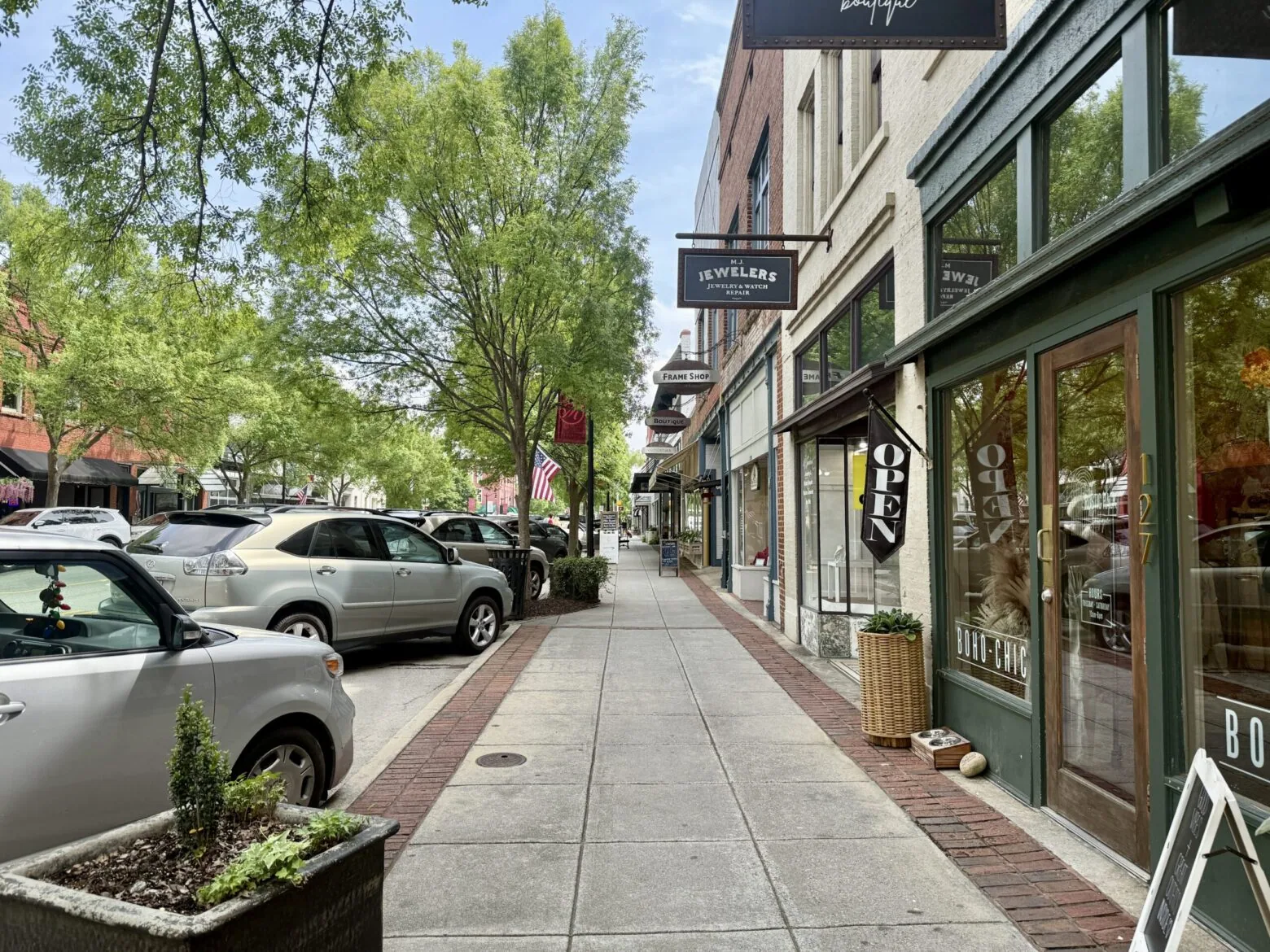
Shop and restaurant activity puts ground access on the roofing schedule at Watkinsville Town Center. Watkinsville Town Center sits within the downtown business area, where specialty shops and restaurants contribute to the central commercial district. The mapped district supports coordinated business recruitment, retention and promotion. Watkinsville Town Center sits within the central commercial district; we map the selected building’s roof, entrance, deliveries and barrier locations before mobilization. We confirm the storefront or building in scope, meet the property contact and inspect the roof before estimating. Athens has hot, humid summers and recurring warm-season thunderstorms, so every phase needs a defined exposed-area limit and a tie-in that can be closed safely. The property manager receives an access plan, notice sequence and turnover record tied to the selected building, with customer and service routes checked before materials arrive.
Protect the public approach
Before mobilization, the manager identifies which entrance serves customers, where a delivery may stop and how the crew can reach the roof without crossing an active service path. We check the unloading area, overhead clearance, lift setup and temporary barriers, then keep the approved route clear as debris leaves the building. The property manager confirms tenant calendars, customer routes and receiving hours for each Town Center roof phase. The contact confirms current hours, shared-area restrictions and any required notice. A crane pick or lift receives a separate setup review, including a ground exclusion zone and a plan for pedestrian movement. Work at Downtown Watkinsville or Watkinsville commercial area requires another address, property contact and access sheet; those places have different uses and routes. For Town Center, the crew records the active path and who can approve a change before any equipment is scheduled.
Inspect the roof, not the storefront
The first walk measures the selected roof and records its membrane, seams, patches, wall transitions, perimeter metal, drains, scuppers, curbs and penetrations. The survey pairs each observed failure with its roof-zone location and records whether adjacent material shows a related condition. A ceiling mark is a clue for investigation, not a map of where water entered. If wet insulation, deck condition or layer count cannot be confirmed from the surface, the report identifies the survey or test cut needed before removal is priced. We also mark areas that could not be accessed and equipment requiring a separate visit. A commercial roof inspection captures visible details, while roof condition reporting can connect current repairs with later budget decisions. The specialty shops and restaurants define the center’s commercial context; only a building-level survey can establish what work its roof needs.
Choose a scope from observed conditions
A separated flashing, puncture or open seam can be repaired when surrounding material remains sound. If moisture spans several areas, attachment is failing or the deck is deteriorated, replacement may be the better path. A recover is considered only after we verify existing layers, deck, drainage, perimeter height and attachment. Coating requires a compatible surface, suitable preparation and a roof dry enough for installation. The proposal explains the field evidence behind each choice and the factors affecting cost: measured area, tear-off, disposal, insulation, edge work, equipment coordination, access and protection below. Any uncertain condition that may alter quantity remains an open item until testing resolves it. A membrane puncture repair can address a confirmed local opening; replacement assessment is appropriate only when the assembly supports another layer. We confirm the permit path with Watkinsville’s authority and the property contact before setting a roof work window.
Sequence around business hours
The work plan names a roof section, its ground boundary, the notice period and the time when its tie-in must be closed. The property contact confirms customer entrances, deliveries, kitchen or service activity and equipment that must stay available. Crews stage material for the next area, protect the space below and remove only a section that can be dried in during the shift. The specified assembly is installed, and drains, edges and penetrations are checked before the zone is released. If removal exposes an unknown layer or deck condition, the opening is secured while the owner reviews the change. An phased property schedule can organize notices and daily release points. If a rooftop unit intersects the new membrane, equipment curb detailing sets the mechanical access time before the roof is closed. The manager receives a status when the crew moves to a new section or a delivery route changes.
Keep the roof closed at the safe limit
Warm-season storms can interrupt roof work across the Athens area, so the day plan sets how much membrane may be open and what protection is staged at the roof. We identify the person who can halt work and the dry-in point that ends the shift. The crew lead checks conditions while material is being handled, then closes each tie-in before leaving. If lightning, rain or unsafe wind reaches the work area, the team stops at the agreed boundary, secures the materials and reports which section is protected. Warm-season storms can shorten a Town Center work shift, so temporary protection and the tie-in point are set before tear-off. If the building contact reports an impact, we inspect the actual roof and document seams, perimeter details and penetrations before permanent work begins. For active water entry, emergency roof stabilization addresses immediate exposure while a separate inspection defines lasting repairs. A rescheduled phase starts only after the access and safe-work conditions are confirmed.
Hand the property back by zone
At turnover, we check completed seams, transitions, drains and equipment flashings and attach photographs to the roof-zone map. The closeout records the work performed, materials available from approved documents, unresolved tests and any area the crew could not reach. Temporary protection is identified separately from permanent repairs. The property contact walks the delivery and customer route with the foreperson, confirms that barriers and debris are removed and accepts the area for normal use. If another phase is planned, the handoff names its starting boundary, access window and material needs so the next crew does not reopen a finished section. Town Center and Downtown Watkinsville share a commercial-district context, while Wire Park includes retail, office, dining and event uses with a different site plan. For a Town Center phase, Commercial Roofing Athens can meet the property manager at the selected building to confirm roof access, customer movement and the release point for crews. The property file keeps future roof visits tied to the same site contact and map.
Related Roofing Work
- Commercial Roofing in Downtown Watkinsville, GA
- Commercial Roofing Across Watkinsville, Georgia
- Commercial Roof Inspection
- Commercial Roof Condition Reports
- Commercial Roof Membrane Puncture Repair
- Commercial Roof Replacement
- Multi-Site Commercial Roofing Programs
- Commercial Rooftop Equipment Curbs and Supports
Frequently Asked Questions
Do shop and restaurant hours come from the district plan?
No. The property manager confirms current business hours, deliveries and entrances for the building under review. We use those instructions to set notice and work windows.
Can a shared customer route remain open?
The approved route is mapped before mobilization. Barriers and material staging are set to protect it, and any temporary change is cleared with the property contact.
How do you decide whether to repair or replace?
Observed membrane, insulation, attachment and deck conditions guide the choice. We list tests for anything concealed that could change the amount of work.
What roof information is needed before a recover?
We check layer count, deck, drainage, attachment and edge height. The report separates confirmed facts from any assembly detail that still needs verification.
What happens if the afternoon forecast changes?
The foreperson follows the agreed stop point, protects the open area when safe and reports the condition of the tie-in before setting a revised window.