
Commercial Roof Membrane Puncture Repair in Athens, GA
Home / Roof Damage Repair / Commercial Roof Membrane Puncture Repair
Commercial Roof Membrane Puncture Repair
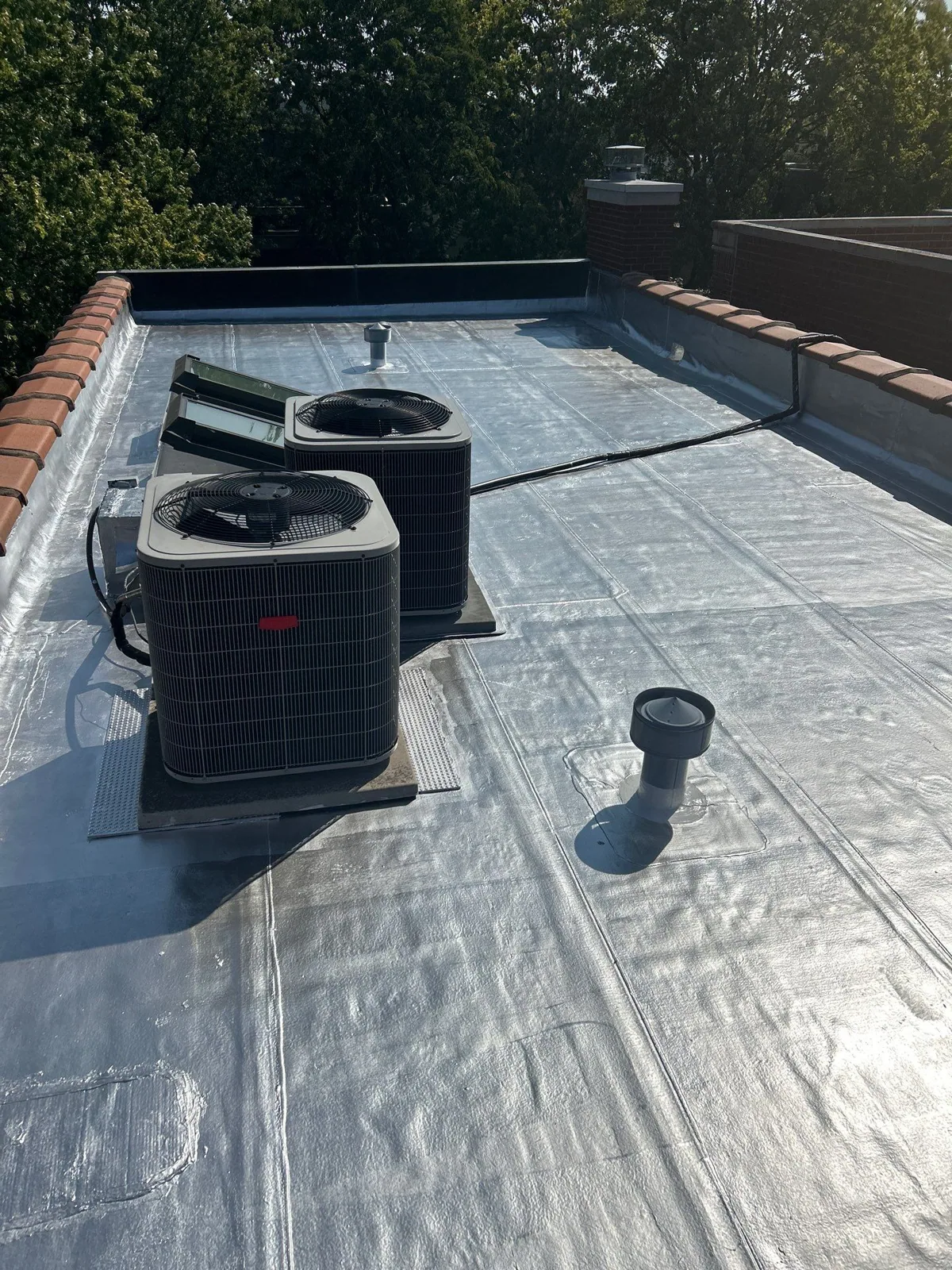
Technicians reach a roof puncture by following the route from the hatch or ladder to the equipment that needs service, and that path can reveal where membrane protection is missing. We map walk pads, tool staging, curbs and roof sections before tracing the cut. At a Downtown Athens property or a campus building near College Station Road commercial corridor, access may cross several roof zones. We document the system and any route limits, then inspect the opening and surrounding details before selecting a patch or wider investigation.
Identify what made the opening
We inspect the puncture for a sharp cut, abrasion, dropped tool mark, fastener, service damage or impact from debris. A wind-damage review can document nearby edge and membrane conditions after a storm. The shape and nearby conditions can help narrow the puncture location, but the report describes what is visible rather than assigning blame without evidence. We check nearby seams, flashing, equipment supports and walk paths for related wear. If the opening is close to a curb or drain, those transitions are inspected too because water may have more than one route into the assembly.
Maintenance records, service tickets and roof access logs can help establish when equipment work occurred. We compare those records with the membrane condition and photograph any nearby tool marks, loose material or protection gaps. The owner can identify who had roof access and whether a unit was serviced, while our field records remain focused on observable roof conditions. A roof inspection records the puncture and surrounding area on a map so a future leak report can be compared with the repair.

Check the layers below the puncture
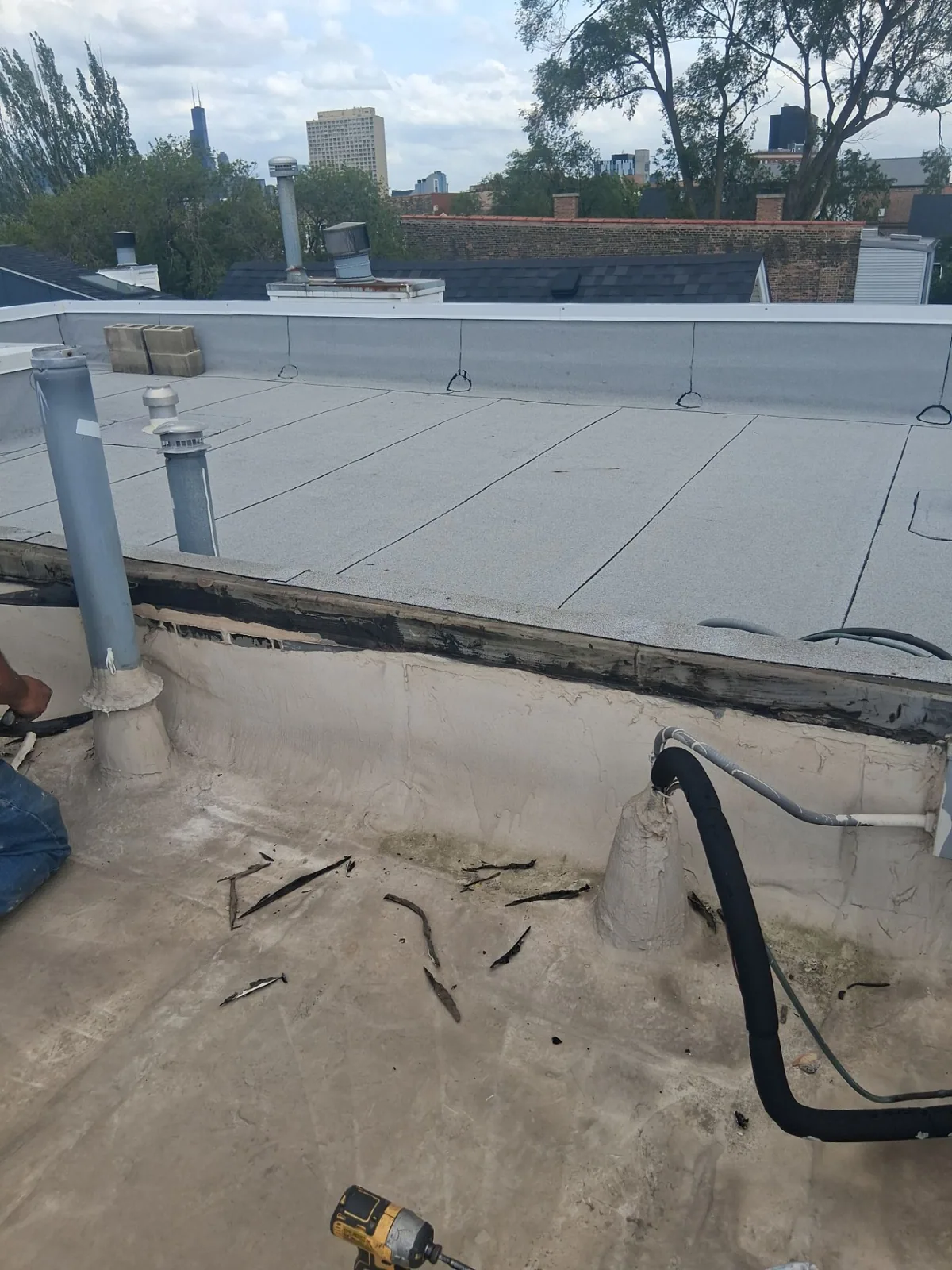
Before patching, we determine whether water reached insulation, cover board or deck. Surface appearance cannot always show the full wet area, so we record signs of moisture, softness, staining or delamination and identify where a test cut may be needed. A moisture survey can help select investigation points, while sampling confirms what lies beneath the membrane. If concealed wet material extends beyond a small area, the scope may need removal and replacement rather than a patch alone.
The report records the membrane type where visible and what preparation its repair method requires. Some surfaces need cleaning, drying or primer before a compatible patch is installed; other assemblies require a welded repair. We verify the existing system before choosing materials. At a site near the University of Georgia Athens Campus, multiple buildings may have different ages and roof layers, so we keep findings tied to the specific building instead of transferring one assembly detail across campus.
Restore continuity without trapping moisture
A sound repair removes loose or contaminated material, prepares the membrane and extends a compatible patch beyond the puncture. We inspect the finished edge and connection, then photograph the detail after the work is complete. If the substrate is wet, unstable or damaged, it must be addressed before the surface is closed. The work scope states the patch boundary, any removal, the layers replaced and the condition that remains outside the repair area.
Where several punctures follow one access route, we map each one and inspect the path between them for abrasion or missing walk protection. The repair may include new protection at routine service points, but the owner’s maintenance team controls how future roof access is managed. A flashing review can identify where technicians need a stable approach. If the membrane has widespread wear, we compare local patches with recover planning or replacement based on the assembly.
Control repeat damage along the route
Foot traffic often follows the shortest path between roof access and the equipment that needs service. We mark hatch location, unit clearance, ladders, walk pads and any narrow turn where a tool cart or material could scrape the membrane. The facilities contact can assign a preferred route and confirm which contractors need access. If the existing walk surface has shifted or deteriorated, the scope identifies that issue separately from the puncture repair and documents how protection will be restored.
Athens has institutional and industrial properties, including Athena Industrial Park and buildings near the Atlanta Highway corridor. Their operations can require different service routes and delivery windows. We coordinate roof access with the person responsible for the building, secure tools and materials, and keep the work path clear at daily close. That plan helps maintenance staff locate the repaired area without creating another puncture while returning equipment to service.
Repeat punctures often occur where maintenance traffic concentrates around rooftop equipment or service routes. After the immediate repair, we identify the path used by technicians and recommend protection that suits the membrane and the equipment clearance. A walkway should not cover drains or create a new water dam, and loose protection cannot be left where wind can move it. The facilities team receives a location on the roof map and a record about the likely exposure point, so future service visits can avoid repeating the damage.
Close the membrane before the next storm
Athens’ warm season brings frequent thunderstorms, so an opening should be protected as soon as safe access and suitable repair conditions allow. We set a work window, check the forecast and stage materials before exposing the membrane. If moisture or surface conditions prevent a permanent patch, we install temporary protection where it is appropriate and record its limits. The property contact receives the next inspection or repair step, not an assumption that temporary covering restores the roof system.
We confirm the roof can be reached safely, inspect the reported location and document stabilization. After the assembly is dry enough to evaluate, the permanent repair can be completed and checked. The closeout includes photos, patch location, materials used where known and any remaining test or condition outside the defined work boundary.
Arrange a puncture inspection
Share the leak location, access records, recent service tickets, roof plans and any photos taken before temporary protection. We will trace the roof route, inspect the opening and adjoining details, and identify testing if moisture may be concealed. If technicians need continued access to nearby equipment, tell us where they enter and what route operations require.
Commercial Roofing Athens can prepare a patch scope and access-protection plan with a photo record for maintenance. Contact us to inspect the puncture before repeated service traffic or a storm enlarges the affected area.
The repair record identifies puncture dimensions, nearby seams, substrate condition and whether water reached insulation or deck.
Frequently Asked Questions
Can a puncture be patched the same day?
When the roof is safe and the surface can be properly prepared, we can evaluate an immediate repair. Concealed moisture or substrate damage may require testing first.
How do you tell whether foot traffic caused the cut?
We record the opening shape and inspect nearby access routes, walk pads and equipment. Service logs can add context, but the report does not assign a cause beyond the evidence.
Will a patch stop a leak if insulation is wet?
A surface patch closes the membrane opening, but wet layers below may need separate removal or replacement. We identify a test area and document what remains uncertain.
Can you add walk pads near equipment?
We can identify recurring routes and recommend protection compatible with the existing roof. The owner’s facilities team can coordinate which technicians use that route.
What goes in the repair record?
The map marks the puncture, photos show the surrounding detail and the closeout identifies patch limits, material where known and any follow-up test.