Commercial Cool Roof Installation in Athens, GA
Home / Commercial Roofing Services / Commercial Cool Roof Installation
Commercial Cool Roof Installation
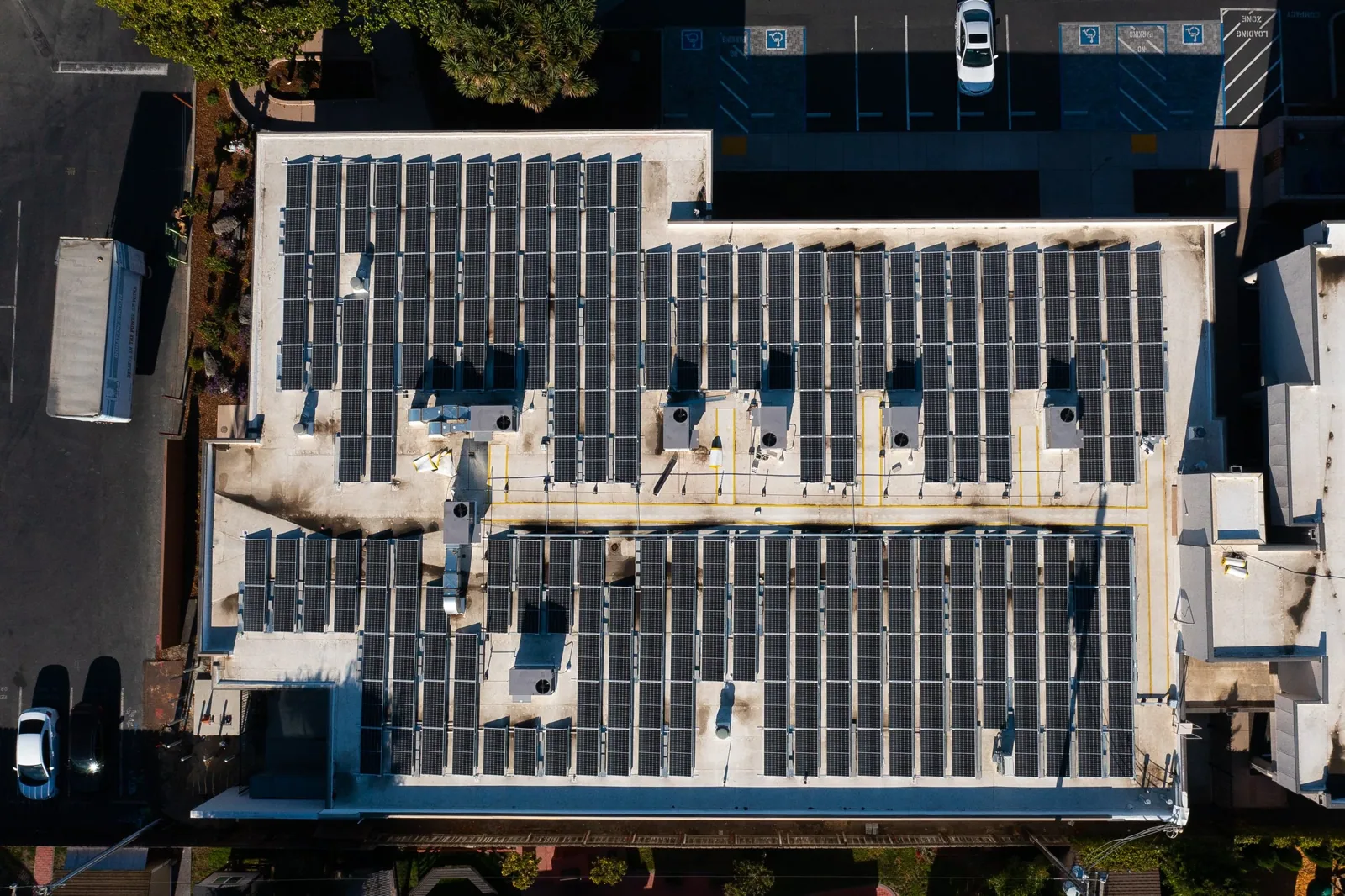
On a hot roof, the chosen surface changes how much solar energy the assembly absorbs, but reflectivity is only one part of the decision. We review the existing membrane, insulation, drainage, rooftop equipment and the building’s operating needs before recommending a cool roof system. Athens has hot, humid summers, and large facilities at the University of Georgia or Georgia Square Mall may have different roof conditions and schedules. The proposal connects the selected system to the substrate and details, then sets the delivery and installation window with the property contact. A condition inspection establishes whether the roof is suitable for installation or needs repair first.
Treat heat as one design input
Reflective roof surfaces can reduce absorbed solar heat at the roof surface, but the effect on indoor conditions or energy use depends on the building envelope, insulation, HVAC equipment, operating schedule and weather. Utility savings require building-specific energy analysis; roof color alone cannot establish them. The owner can provide energy goals and equipment information so the design team can evaluate the roof within the broader building system. We identify the roof areas, assembly layers and any conditions that need correction before a new surface is installed.
Athens’ hot summers make heat exposure relevant for installation planning as well as system selection. Material temperature, surface condition and product requirements can affect when work proceeds. We review manufacturer instructions for the selected assembly, protect staged materials and schedule work during acceptable conditions. If high temperatures or incoming storms change the window, the crew pauses at a secure boundary and updates the property contact.
Choose a surface that fits the roof
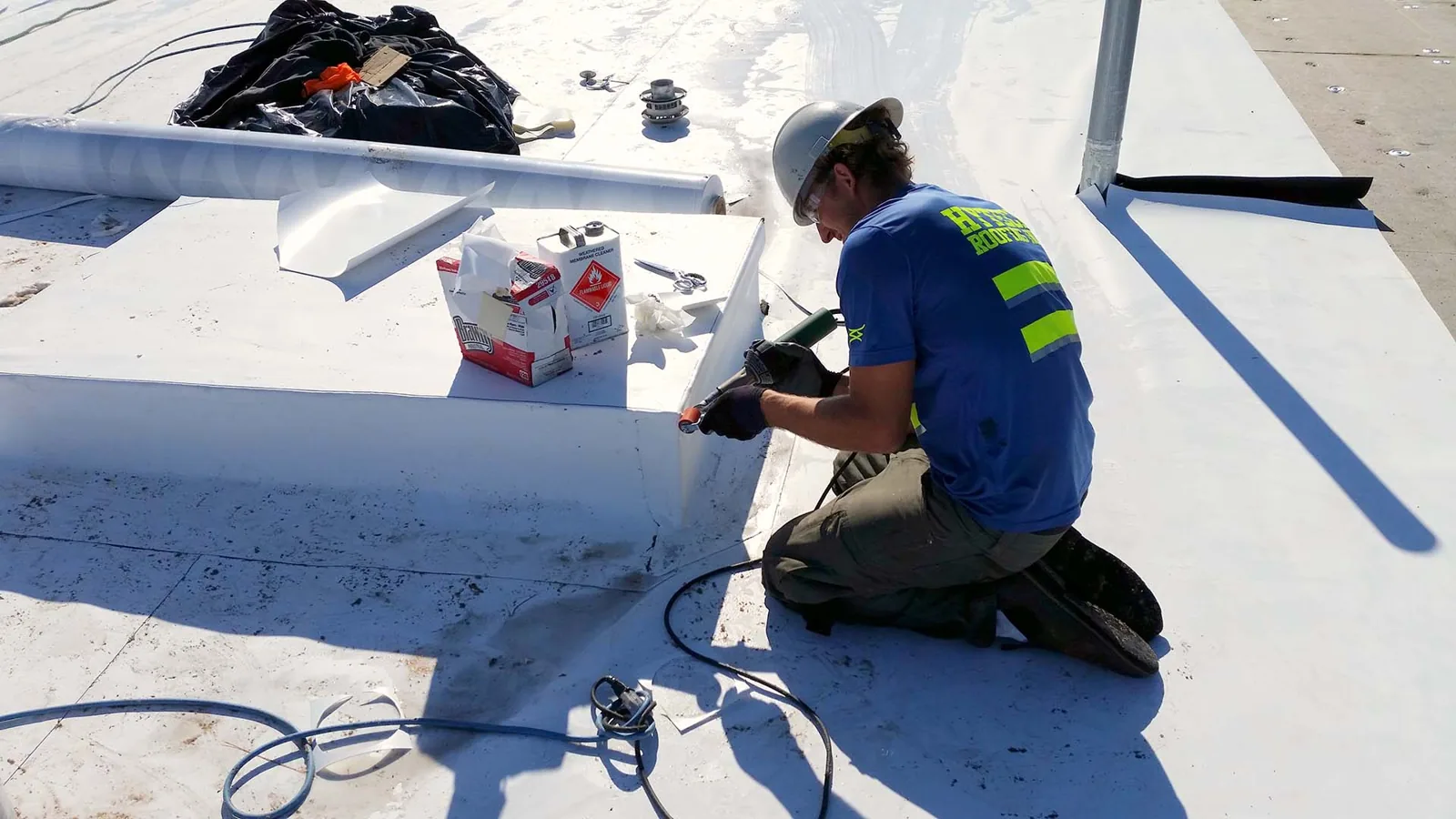
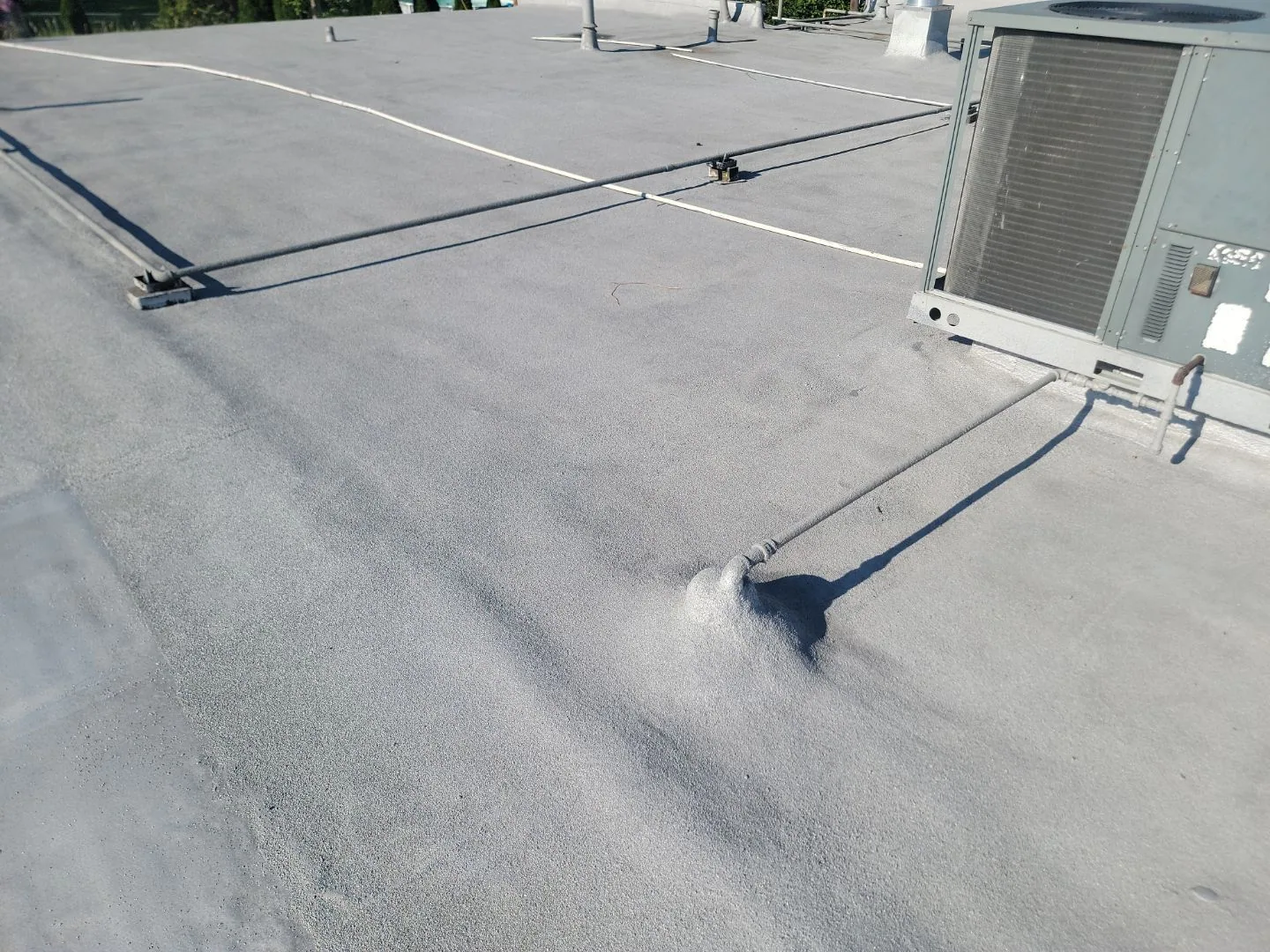
A cool roof can involve a reflective membrane, a coating system or a specified metal surface, depending on the existing roof and project scope. We compare TPO, PVC, coating and other assemblies based on substrate compatibility, drainage, exposure, penetrations and maintenance requirements. A TPO membrane or PVC assembly may be considered for a low-slope building; a coating is appropriate only when the underlying roof is sound and prepared for that system.
The proposal identifies membrane or coating type, insulation and cover board, attachment, seams, edges, drains and curb details. We inspect existing moisture and repairs before choosing an overlay or replacement. A reflective top layer cannot correct saturated insulation, a weak deck or ponding caused by roof geometry. Where conditions are not suitable, we document why and compare repair, recover or tear-off rather than putting a new surface over unresolved defects.
Coordinate occupied roof zones
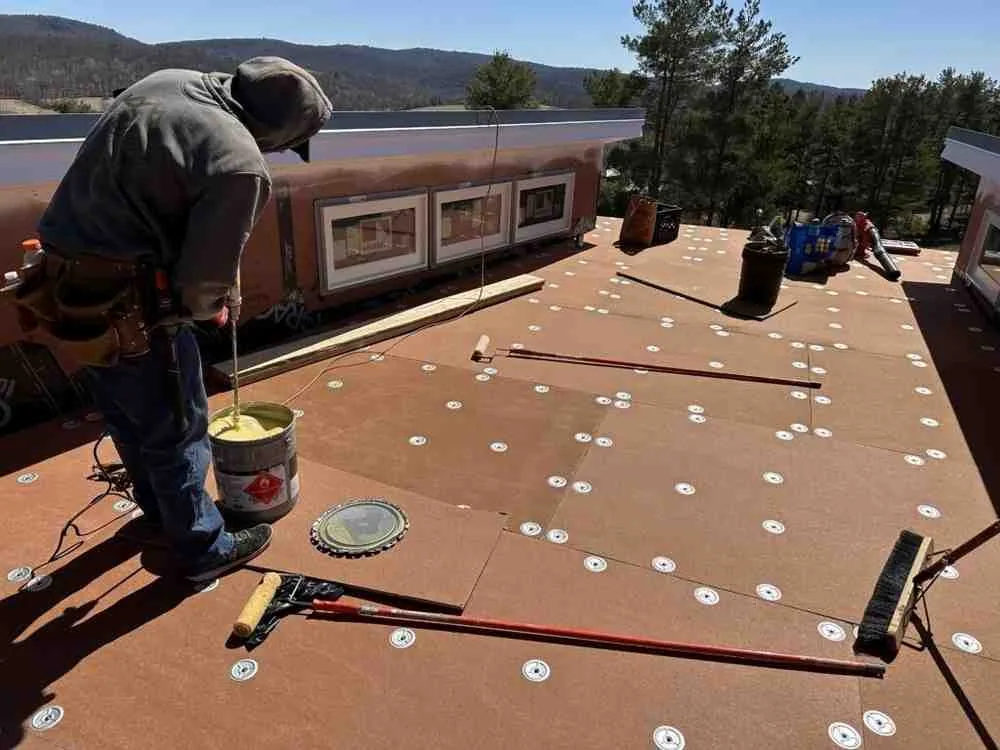
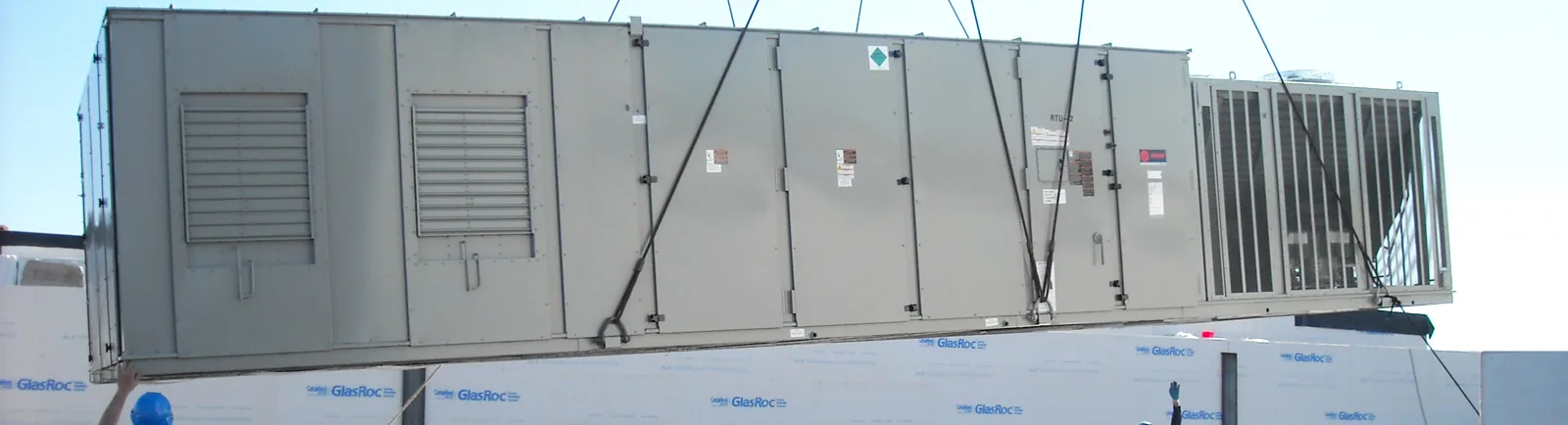
Installation requires a laydown area, material route, roof access and a sequence that protects each completed section. We coordinate crane picks or lifts, HVAC service clearances, pedestrian routes, deliveries and work hours with the manager. For a UGA building, the contact may need to coordinate campus operations and access to occupied wings; a retail property at the West Athens commercial corridor may have different customer and loading routes. Those arrangements are confirmed for the actual property and work window.
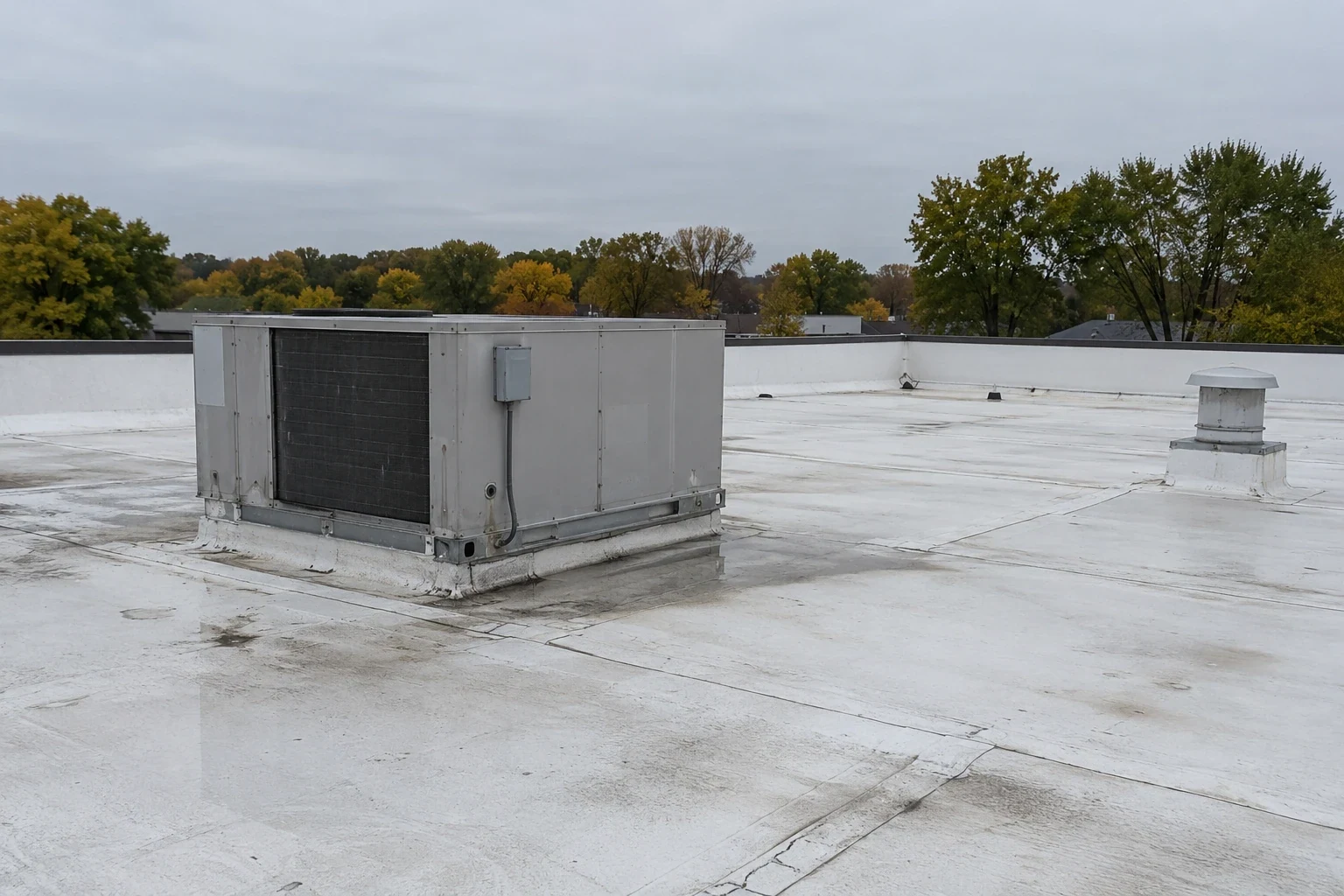
Roof-mounted equipment, skylights, pipe supports and parapets are detailed as part of the system. We identify any disconnect or lift needed, who performs it and how the opening will be protected. The field team installs by sections, inspects seams and transitions, and records the day’s stopping point. The property contact receives notice about noise, delivery and any temporary access change before crews arrive.
Protect the assembly through installation
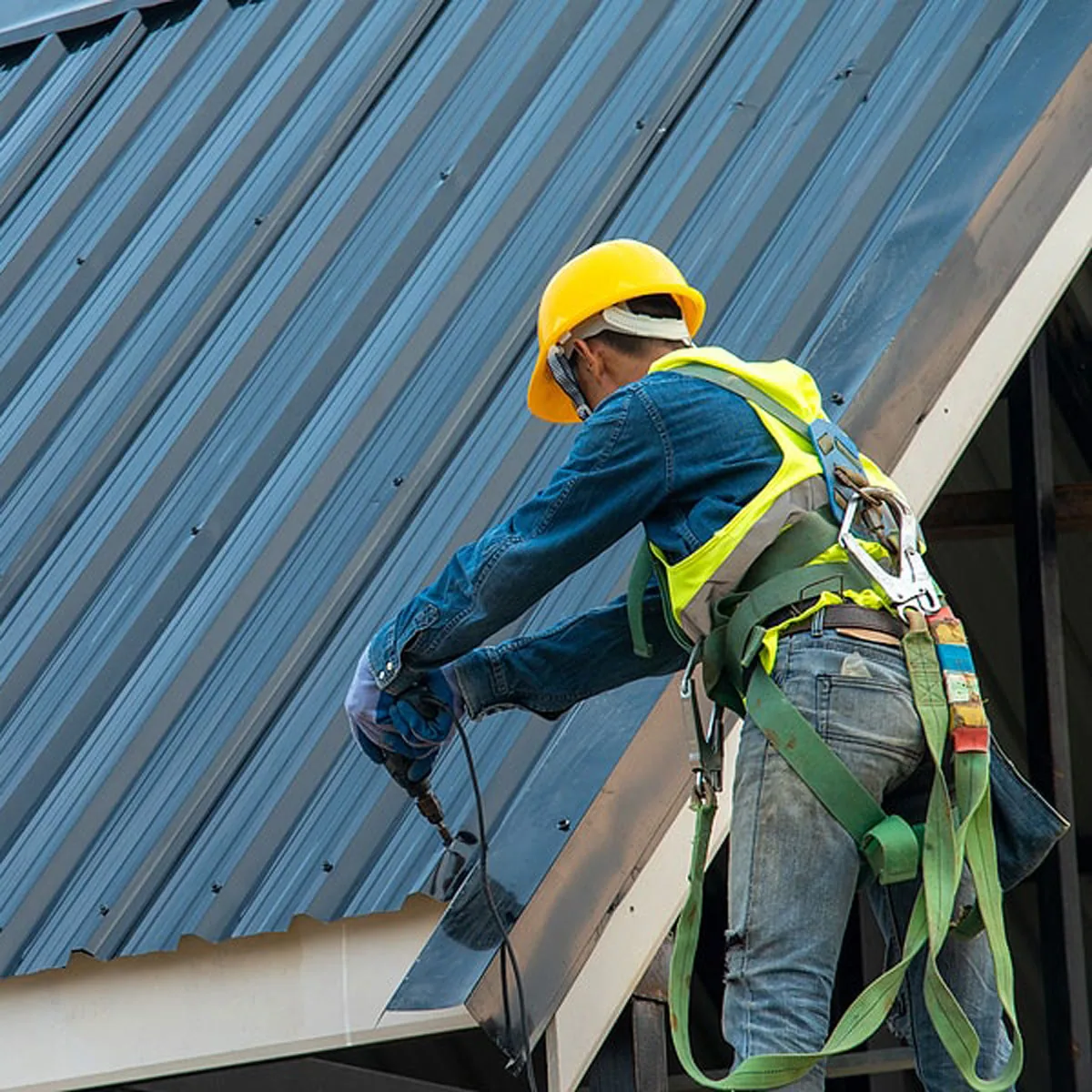
North-central Georgia sees frequent warm-season thunderstorms and damaging wind, hail and tornado risk. We review the forecast before opening a section and set a dry-in point at every shift boundary. If rain approaches, the crew secures the tie-in rather than leaving unfinished membrane exposed. Surface moisture can affect adhesion and coating cure, so installation does not proceed until the system’s conditions are met.
We also plan for rooftop heat and worker access. A material may need to be stored out of direct exposure or applied within product temperature limits. The work plan identifies which areas can be completed in one visit and where a return is expected. If a severe storm passes through, we inspect the completed and exposed sections before assuming that the new work remains unchanged. A separate storm assessment can document roof conditions after the event.
Set a practical expectation
Surface reflectance does not replace insulation, air sealing, HVAC service or controls. The roof assembly contributes to building performance as one component, and energy results depend on multiple inputs outside the roofing scope. We can state the selected material and its installation details, but projected energy savings require building-specific analysis. Owners should compare the proposal against their goals without assuming a reflective finish alone will reduce operating costs by a fixed amount.
Maintenance remains part of the roof plan. Drains, seams, flashings and equipment curbs still need inspection, and dirt or biological growth can change surface condition over time. We can schedule a maintenance program and keep records of repairs. If the roof is currently deteriorated, a coating restoration may be an option only after confirming that the substrate is sound and compatible.
A reflective surface is one component of a building’s energy strategy, not a substitute for correcting wet insulation, air leakage or undersized mechanical equipment. Before selection, we record the existing roof condition and clarify the owner’s goal, whether that is a specified reflectance, a restoration option or compatibility with a planned reroof. The design team can compare those goals against membrane performance, drainage and service traffic. After installation, the owner should keep product data and inspection records with the roof file so future maintenance decisions use the installed system’s actual requirements.
Review roof and building goals
Provide the property address, current roof assembly, known leaks, energy objectives, equipment constraints and available drawings. We will inspect the existing roof and identify where repair or moisture testing is needed before selecting a reflective system. The scope can separate roof work from any energy modeling or mechanical improvements handled by other project professionals.
Commercial Roofing Athens can coordinate a roof walk, recommend an installation sequence and detail the chosen assembly by section. Schedule a review to map access, staging, operating hours and weather-sensitive work before the cool roof scope is priced.
Frequently Asked Questions
Will a cool roof lower our utility bill by a set amount?
A reflective surface can change heat absorption at the roof, but utility results depend on insulation, HVAC, controls, building use and weather. We do not assign a savings figure from roof color alone. A building-specific energy analysis is needed to estimate operating effects.
Can a reflective coating go over our current membrane?
Only if the roof is sound, dry enough and compatible with the coating system. We inspect seams, moisture, drainage and repairs before recommending application. Wet insulation, unstable material or open details need correction first, and some roofs are better suited to membrane replacement.
Does the roof still need maintenance after installation?
Yes. Drains, flashings, seams, equipment supports and penetrations still need inspection. We can establish a route and record findings so dirt, damage or drainage issues are addressed before they complicate the roof system.
Can the work be scheduled around summer operations?
We coordinate material delivery, roof access, noise, equipment service and occupied routes with the property contact. Athens heat and thunderstorms can affect the installation window, so the sequence includes temperature limits and a secure stopping point. The manager confirms the hours that work is permitted.
Is a cool roof right for a roof with ponding water?
The drainage condition needs review first. A reflective membrane or coating does not correct a low area or blocked outlet by itself. We inspect the roof slope and outlets, then include any drainage correction in the scope before selecting the top surface.