Solar-Ready Commercial Roofing in Athens, GA
Home / Commercial Roofing Services / Solar-Ready Commercial Roofing
Solar-Ready Commercial Roofing
Solar planning starts with the roof’s condition and access, not the panel layout alone. Before an array is designed, we review membrane, seams, drainage, structural information, equipment routes and expected roof work so the building does not need an avoidable tear-off beneath new panels. Athens has institutional properties such as the University of Georgia and manufacturing sites like Southeast Toyota in Commerce, where roof access and operations need coordination with site staff. We document the roofing conditions and identify attachment, flashing and maintenance requirements for the solar project team. A condition inspection gives the owner a current roof record before equipment is planned.
Check roof life before array design
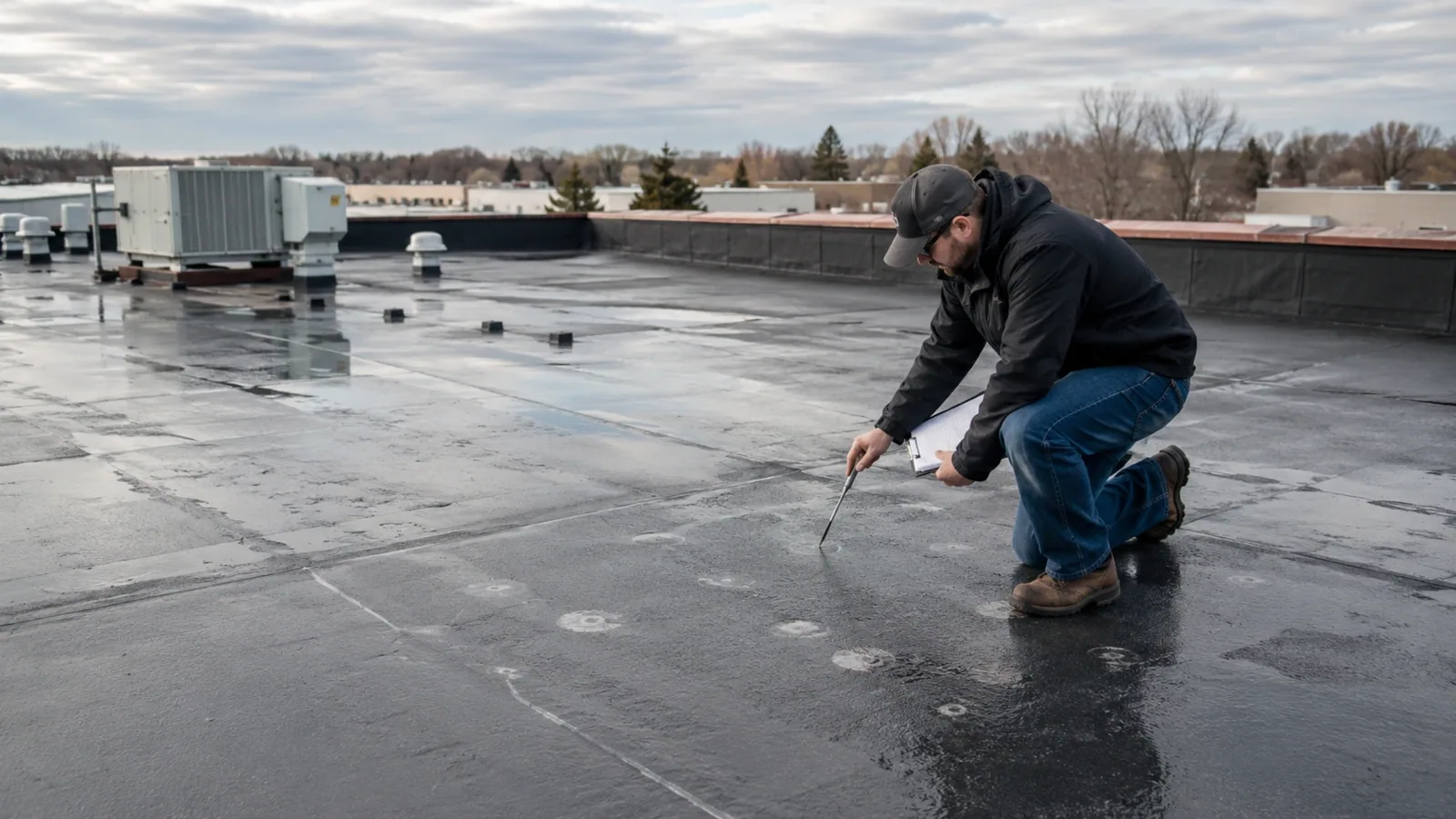
Solar equipment can make future roof access more involved. The owner should compare the planned array’s service period with the roof’s known condition and anticipated repair needs. We inspect the existing assembly, document previous patches and check for moisture, deteriorated seams or compromised flashing. If a replacement is likely soon, completing roof work before the array is installed may prevent removal and reinstallation later. The inspection does not assign a precise remaining-life figure from appearance alone; it records evidence and unresolved conditions for the project team.
Where the roof is suitable, we map areas that need to remain accessible for drains, rooftop units, skylights, expansion joints and perimeter details. Array layout should preserve a route for roof maintenance and equipment service. On a multi-building campus, the property manager can identify which roof sections serve different operations. At Athens-Clarke County commercial area, the scale of the Athens campus makes building-specific planning important; at Commerce industrial corridor, the manager confirms production and delivery constraints.
Define responsibilities at penetrations
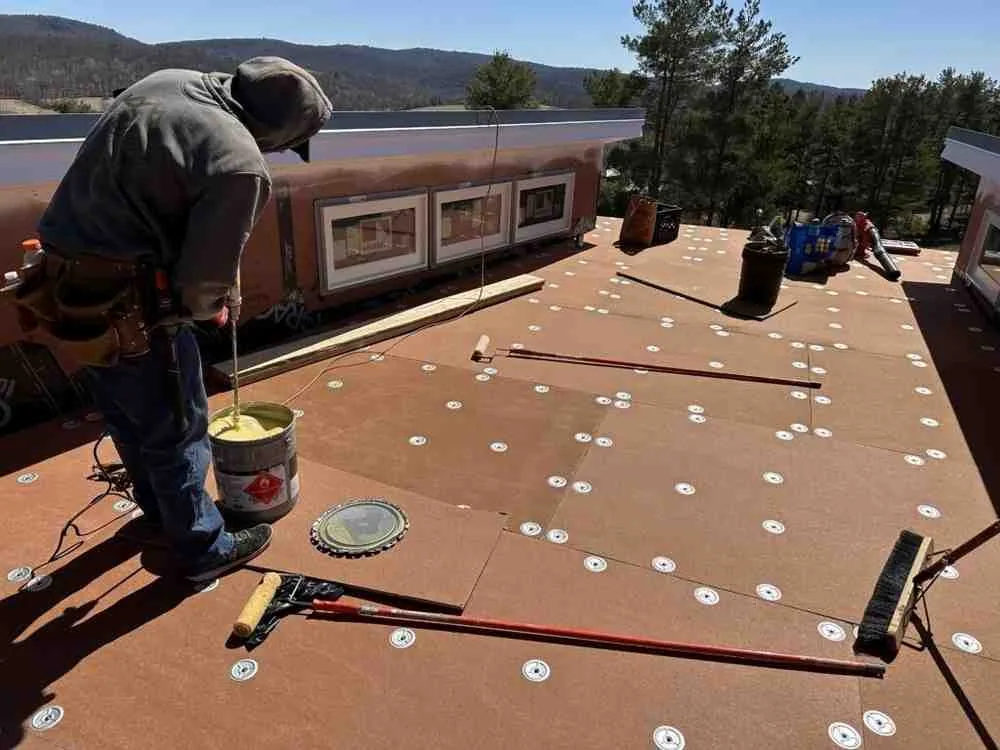
Solar attachment can involve ballast, clamps, rails, or penetrations through the roof, depending on system design and structural requirements. The solar designer and structural professional determine the array layout, loads and attachment design; we coordinate the roofing details at the membrane, flashing and support interfaces. The scope should identify who supplies the attachments, who makes roof openings, who installs and seals flashing, and who is responsible for inspection before the array covers the detail.
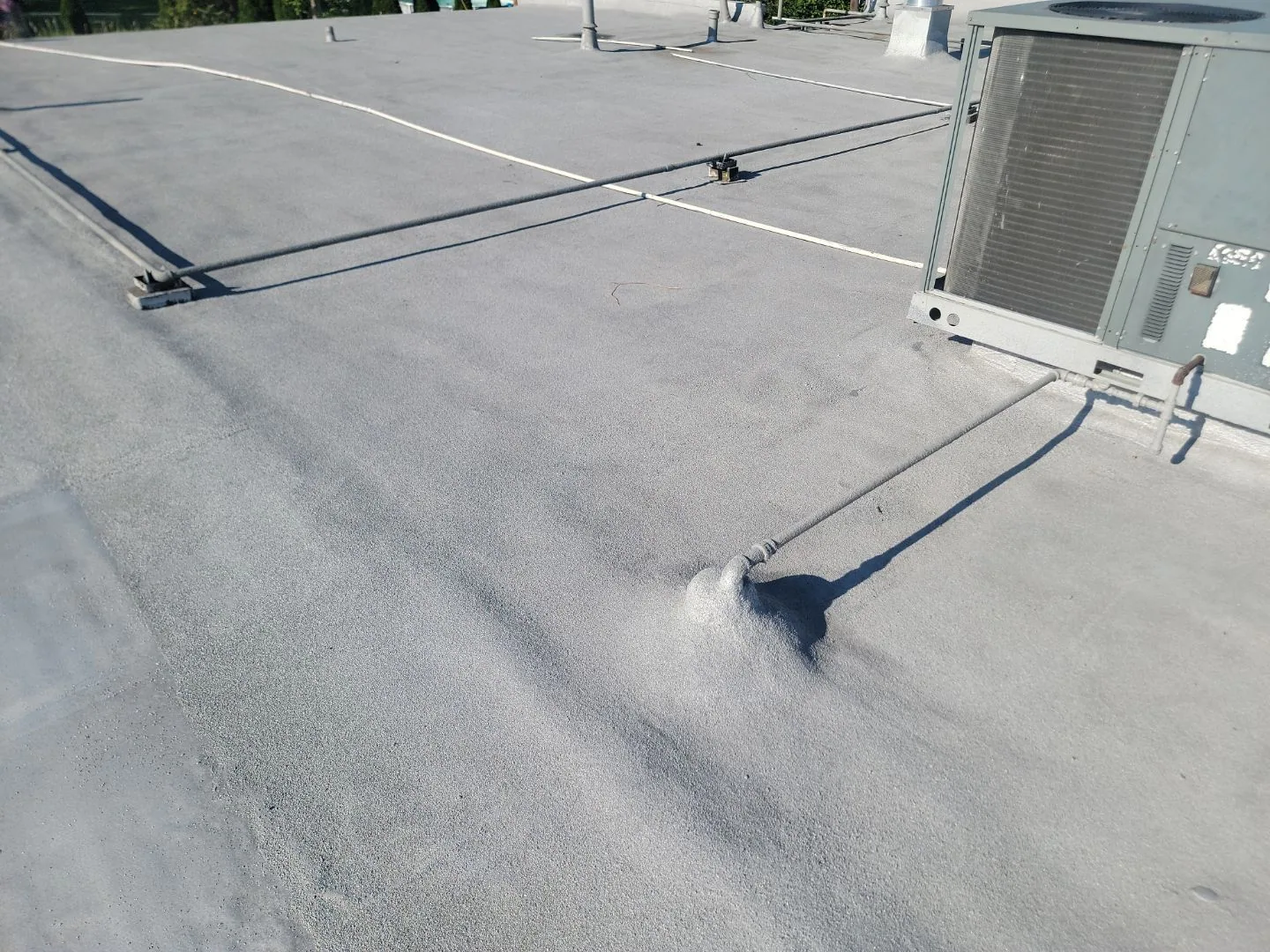
We review how penetrations will be flashed and how the roof assembly handles movement and water. A post, conduit or support must not compromise seams, block drainage or obstruct access to existing equipment. If an attachment is placed near a curb or drain, we check that service clearances remain workable. Roofing details are documented by location, and installation sequencing protects the membrane while solar components move across the roof. A support and curb review can help coordinate the interfaces around existing equipment.
Preserve drainage and service paths
Panel rows can change how a crew reaches drains, scuppers and equipment even when they do not alter the roof’s drainage design. We mark outlets, crickets, walk paths and maintenance clearances on the roof plan, then coordinate array spacing with the project team. Water should still reach the intended outlet, and the service provider should be able to inspect the membrane and flashing around the system. If layout creates an inaccessible drain or hides a roof transition, the owner should resolve that before equipment is installed.
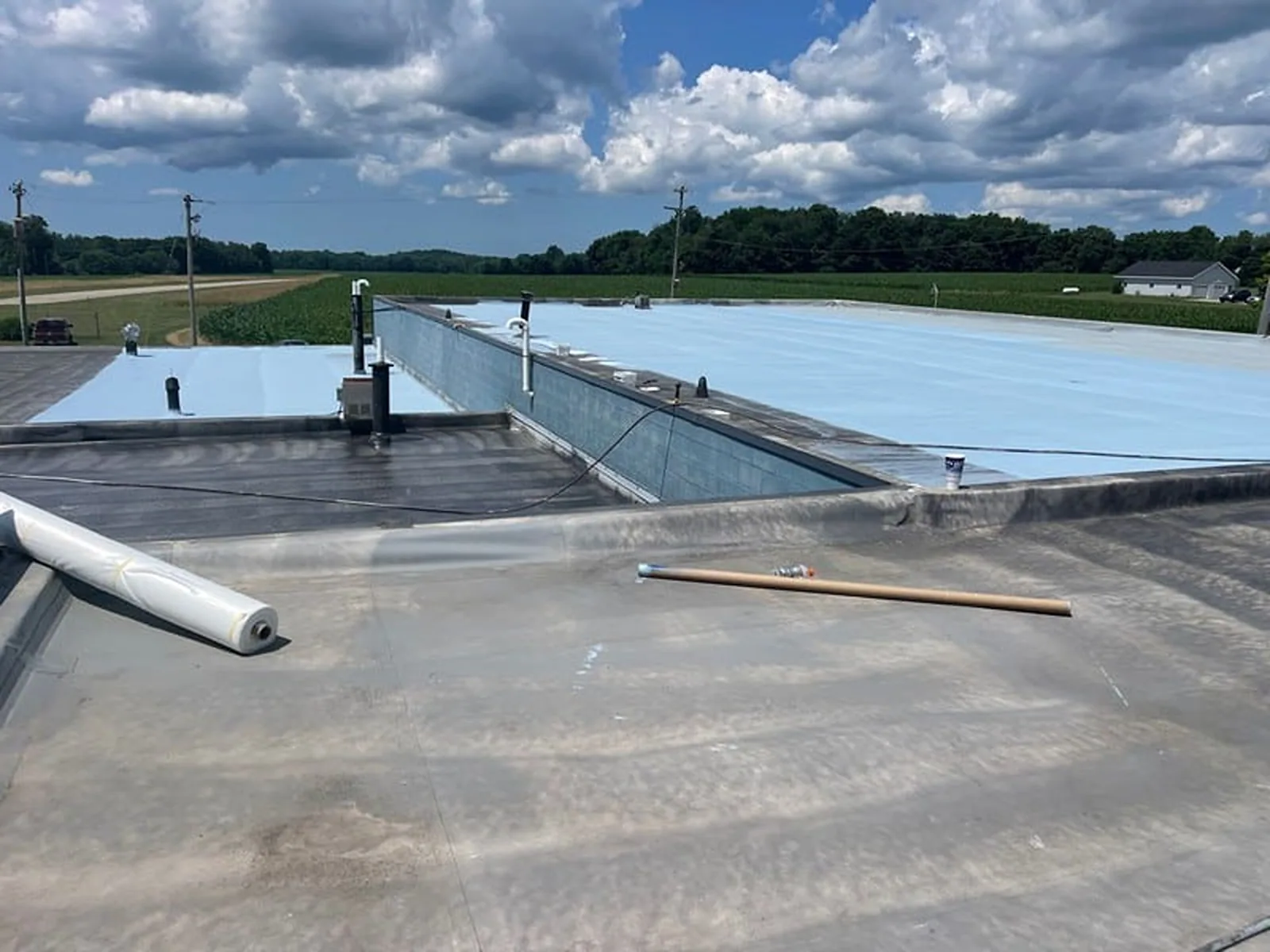
Existing ponding, blocked outlets or low roof sections should be reviewed as roofing conditions, not left for the solar installer to discover during staging. We can identify needed drainage correction and include it before solar work begins. Where the roof has wet insulation or broad membrane deterioration, the proposed array should wait until the repair or replacement scope is complete. A recover or replacement may need to be compared with the roof’s existing condition and the array schedule.
Sequence roofing with solar crews
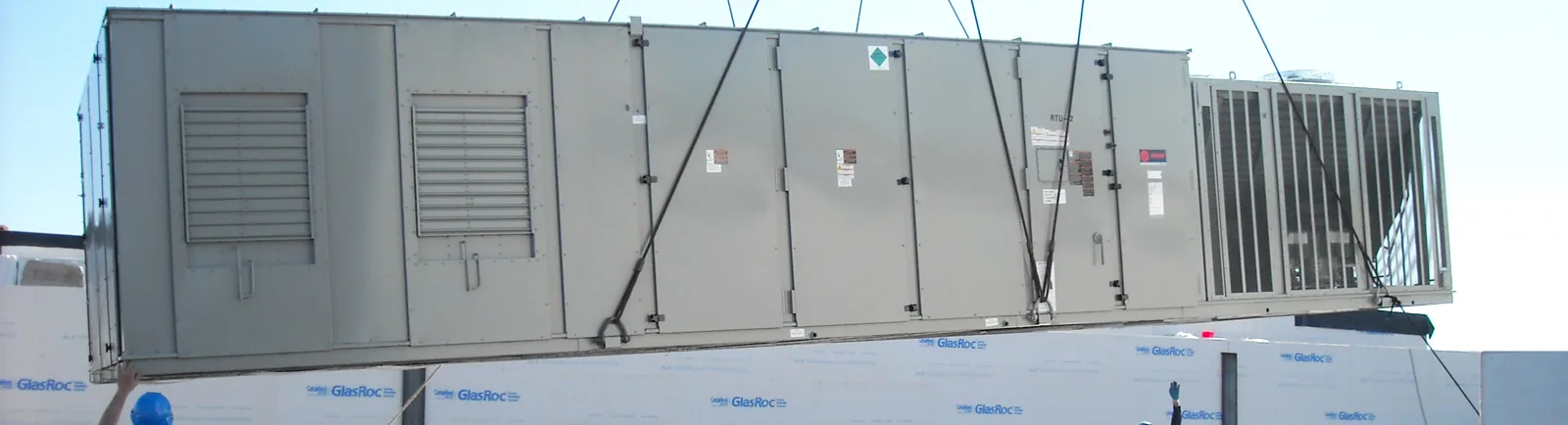
Before mobilization, we identify delivery dates, lift locations, laydown area, pedestrian routes and the boundary between roofing and solar work. Roof sections should be completed, inspected and documented before equipment covers them. The property contact names the people who can authorize access and confirms operating windows, security rules, equipment shutdowns and photography limits. At a Commerce manufacturing property, the contact confirms delivery and production windows before a lift; a university building may require academic or service-route coordination.
We agree on how the roof will be protected during panel and rail handling, which contractor will repair a damaged membrane and how daily tie-ins will be secured. Athens’ warm-season thunderstorms make the work sequence weather-sensitive. If a forecast change interrupts installation, the roofing team records which areas are complete, which attachments remain exposed and what protection is in place. Any roof penetration is inspected before it disappears beneath modules or rails.
Keep roofing records available
The roof file should include the existing assembly, inspection photos, repair history, attachment locations, flashing method and any limits on future access. We can provide a marked roof plan and completion photos for the property manager and solar project team. If a leak later appears, those details help locate the affected penetration and determine whether the roof or an array connection needs attention.
Maintenance can require temporary removal or repositioning of equipment, so the property owner should keep the roofing and solar contacts aligned. We can set a maintenance visit for seams, drains, edges and flashing while coordinating safe access around the array. Any repair scope should identify whether panels need to be moved and who will handle that work. Clear responsibility avoids leaving an exposed roof opening while each contractor assumes the other owns the detail.
Bring roofing into the planning meeting
Share the current roof plan, inspection records, array concept, structural questions, equipment map and target installation dates. Identify who is designing the solar system, who will make penetrations and who can approve roof repairs. We will inspect the existing assembly and list the conditions that affect attachment, access and maintenance before materials are delivered.
Commercial Roofing Athens can document the roof, coordinate flashing requirements and sequence work with the solar team. Schedule a roof walk with the property and project contacts to map access, drainage, staging and weather-sensitive work before the array is installed.
Related Roofing Work
Frequently Asked Questions
Should the roof be replaced before solar panels are installed?
That depends on the roof’s present condition and the planned array schedule. We inspect the assembly, record moisture and repair needs, and explain whether near-term roofing work could affect the panels. A visual review does not assign a precise service-life number, but it can identify conditions that deserve resolution before installation.
Who is responsible for sealing solar attachments?
The project scope should name the contractor responsible for each opening and flashing interface. We coordinate roof-side details with the solar designer and installer, but the attachment design and structural capacity belong to the appropriate project professionals. Responsibilities should be agreed before a penetration is made.
Can panels block access to drains or rooftop equipment?
They can if the layout does not preserve a service route. We mark drains, curbs, walk paths and maintenance clearances on the roof plan and identify conflicts before installation. The project team should revise the arrangement where it leaves outlets or repair details inaccessible.
What happens if a roof leak occurs under an array?
We compare the leak location with roof records and attachment details, then coordinate safe access with the solar operator. The repair may require panel removal or repositioning by the solar contractor before roofing work can proceed. We document the roof condition and repair boundary once the affected detail is accessible.
Can solar installation proceed during storm season?
It can be scheduled when roof and solar crews have an approved sequence, safe access and a weather hold plan. Athens warm-season storms can interrupt work, so each day’s stopping point and protection should be established before crews begin. We coordinate the roof tie-in and exposed attachments with the property contact.