Commercial Roofing Across Commerce’s Industrial Corridor
Home / Service Areas / Commerce Industrial Corridor
Commerce Industrial Corridor
Commerce’s industrial area includes manufacturing and distribution properties with distinct receiving, production and roof-access requirements. Commerce has manufacturing and distribution properties with distinct receiving, production and roof-access requirements. We coordinate deliveries and roof access with each industrial property’s production contact. We confirm the property in scope, inspect its roof system and map equipment, drains and perimeter details before setting quantities. The property contact identifies operating units, delivery windows and the ground routes that cannot be blocked. Each phase is limited to the area that can be dried in within the shift, with field changes documented for owner approval.
Confirm the production boundary
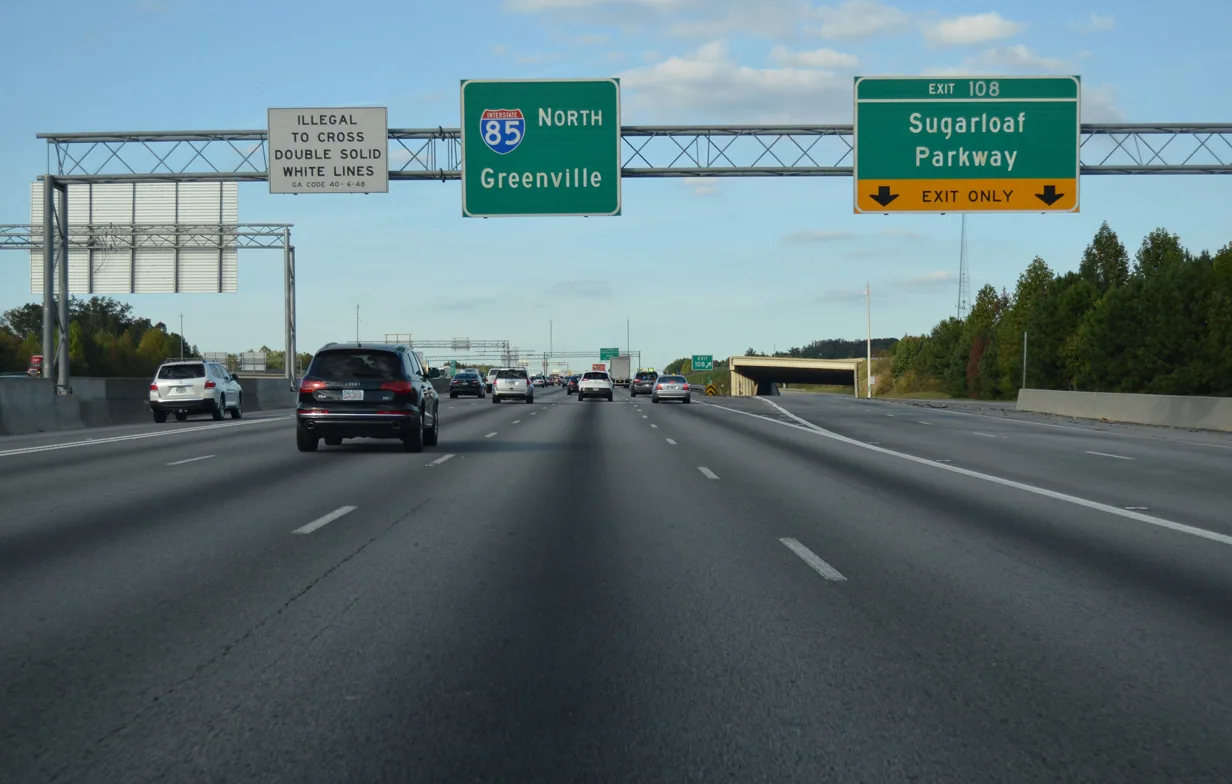
The property contact identifies the work building, check-in process, vehicle route, loading windows and any production or rail-related movement that limits access. Before mobilization, we map the property’s receiving gate, truck circulation, production areas and any rail-side work boundary with the facilities contact. The manager confirms a laydown area, service entrance and pedestrian route, then approves any lift or crane-pick setup. Material delivery is matched to the section ready to receive it, keeping stock secured and clear of industrial property circulation. Commerce I-85 industrial corridor and East Jackson Industrial Park are separate areas, and each property has its own access process and work contact. Before mobilization, the field lead records the inspected building, approved route and work hours, then matches delivery timing to the roof section ready for material.
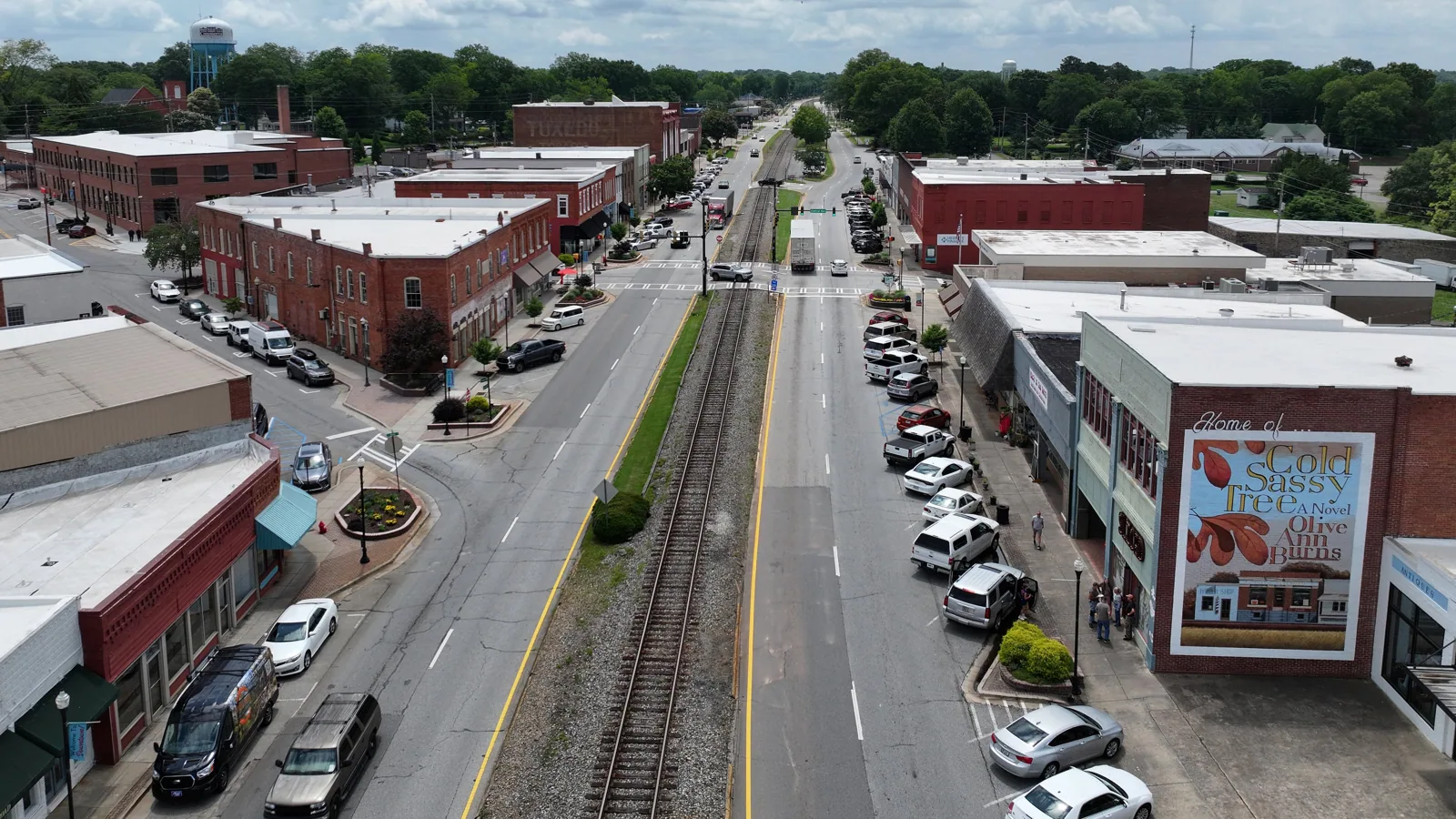
Industrial properties across Commerce may share the city’s transportation network while having different production, receiving and maintenance schedules. Before pricing, we confirm who controls roof access, which units must remain in service and whether the work zone is above active operations. The estimate separates a localized leak repair from removal, insulation or deck allowances and records where more testing is needed. The Commerce industrial area spans manufacturing and distribution properties; a roof survey checks the assembly, access point and operating limits at the building in scope. Every phase plan follows the operating contact’s approved path and dry-in window.
Before a roof phase, we confirm whether facility staff or a mechanical contractor must isolate equipment, and who restores it after the roofing detail is complete. The work order records those responsibilities alongside the approved tie-in.
Measure the assembly at the building
The roof survey checks field membrane, seams, patches, parapets, wall transitions, edge metal, drains, scuppers, curbs and penetrations. We photograph findings by zone and record whether a defect is isolated or appears across multiple areas. If water is reported inside, we trace possible paths instead of assuming the entry point is directly above the stain. Suspected moisture, concealed deck deterioration or unknown layers are listed for testing before tear-off quantities are set. Recover is considered after attachment, layer count, drainage and edge height are confirmed. A infrared moisture survey records details at the roof, and a roof capital planning keeps photographs and next actions tied to the building. We measure the roof and inspect existing membrane, attachment, insulation and deck before preparing quantities or selecting a repair system.
Select the work from confirmed failures
A local seam, curb or flashing issue can be repaired if nearby membrane and substrate are sound. Repeated leaks, moisture across the field, failed attachment or damaged deck may require a broader replacement scope. Recover depends on layers, attachment, deck, drainage, perimeter height and applicable code. Coating requires a compatible, dry roof and preparation. We explain why an option fits the inspected condition and what drives cost: measured area, tear-off, disposal, insulation, deck repair, edge details, equipment coordination and access. A concealed condition that might change scope is stated before work. A flashing-failure repair can address a confirmed local defect; a recover evaluation accounts for a larger assembly failure. The proposal identifies protection, permanent work, exclusions and any inspection needed before the final quantity can be confirmed.
Sequence work around site operations
We assign each roof section a start window, protection plan, tie-in and handoff. The property contact confirms which equipment must stay in service and when mechanical staff can provide access. The crew protects the area below, removes only the scheduled section and installs the approved assembly before closing that zone. Drains, penetrations and perimeter details are inspected before release. When removal exposes a deck or insulation condition outside the survey, the field lead secures the opening and waits for direction on added work. Deliveries follow the work sequence, and daily cleanup includes the route back to the approved gate. An multi-building coordination can track notices and handoffs, while roof penetration details arranges technician access before membrane closes around a unit. The property manager receives a status before the crew moves to another section.
Close each section against the forecast
Athens’ warm-season storms make weather checks part of the work sequence. We agree on the exposed-area limit, dry-in point and person authorized to call a hold before tear-off starts. Temporary protection is staged, and the lead checks conditions while coordinating the next delivery. If lightning, rain or unsafe wind reaches the roof, the crew stops at the safe point, protects the open area where conditions permit and reports what has been secured. The property contact resets the work window if needed. Warm-season storms can compress the production work window; we set an exposed-area limit and photograph reported impact before preparing permanent repairs. Photos record seams, edges, flashings and penetrations before permanent repair. If water is entering an occupied area, wind-damage review is documented separately from the lasting scope and its follow-up test.
Return a record operations can use
At turnover, we inspect completed seams, transitions, drains and equipment flashings and tie photographs to the roof map. The closeout records work performed, material details identified from approved documents, inaccessible areas and any open test or decision. Temporary protection is labeled separately from permanent repair. The property contact confirms that the work route is clear and identifies who receives the roof record. If another phase remains, the next section and its access window are recorded. The maintenance contact also receives the roof-zone legend, the date of completion and any remaining recommendation that could affect a later service call. This keeps property records tied to the inspected building and authorized scope. I-85 and local industrial roads help orient deliveries in Commerce; we map the selected property’s truck route and laydown zone before scheduling a lift. A separate commercial building in Downtown Commerce has its own street and tenant access plan. Contact Commercial Roofing Athens to schedule a building-level survey and coordinate production, delivery and weather-sensitive work before pricing.
Related Roofing Work
Frequently Asked Questions
Do freight routes determine the roof scope?
No. Regional access helps plan dispatch, while a roof walk at the selected building establishes the assembly, measured area and work limits.
How do you keep production moving during roof work?
The property contact approves access, equipment windows and the work boundary. We phase a limited section, close the tie-in and report before moving on.
Can the crew work near operating equipment?
The contact identifies required clearances and technician access. We protect equipment and schedule curb details before membrane work closes the area.
What if the field survey finds more than one roof layer?
We record the build-up and check attachment, deck and drainage. Any recover recommendation follows that evidence and applicable project requirements.
How do weather holds affect industrial property scheduling?
The field lead reports the protected boundary and next safe work window. The property contact coordinates the revised delivery or production interface.