Commercial Roofing in Five Points, Athens, GA
Home / Service Areas / Five Points
Five Points
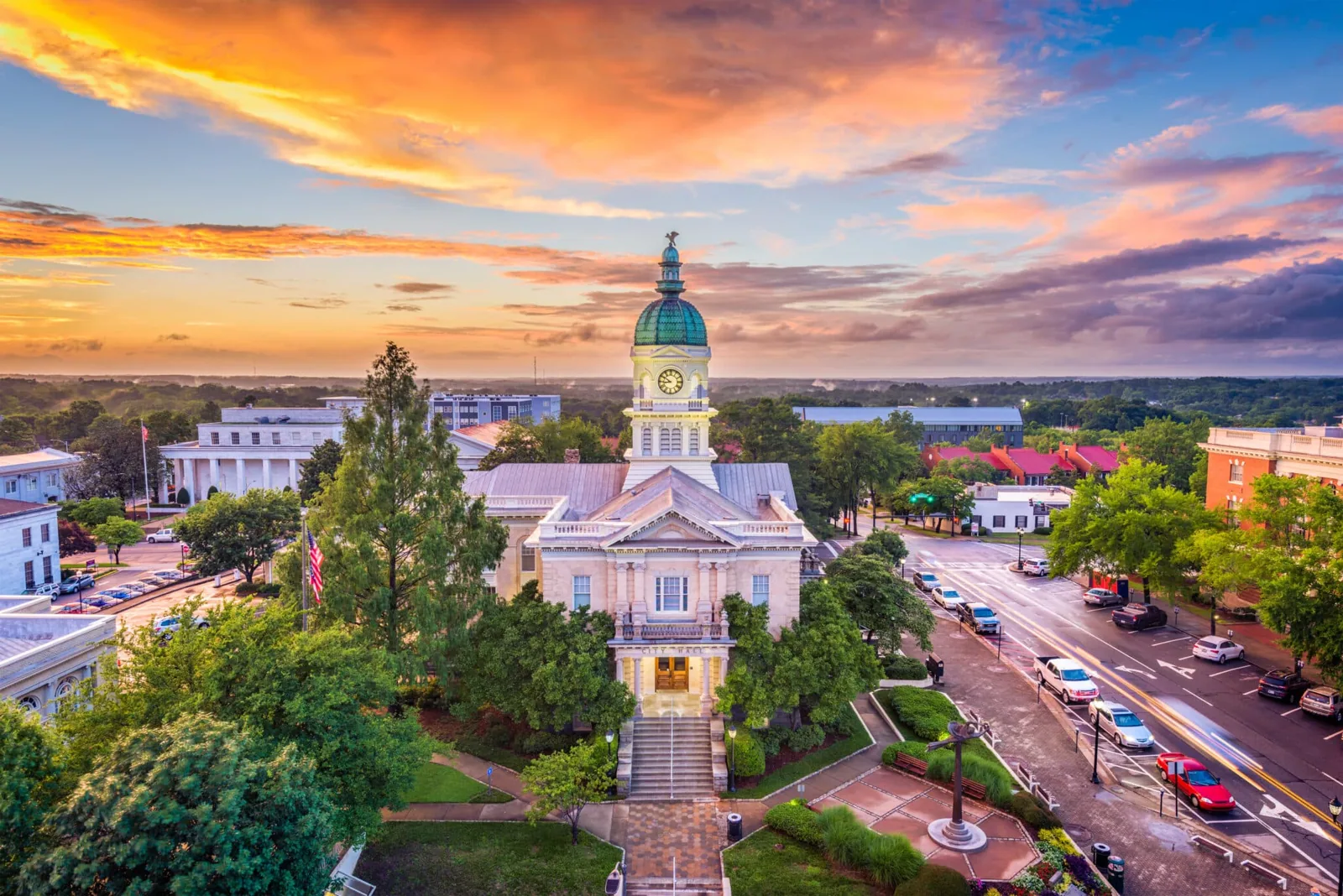
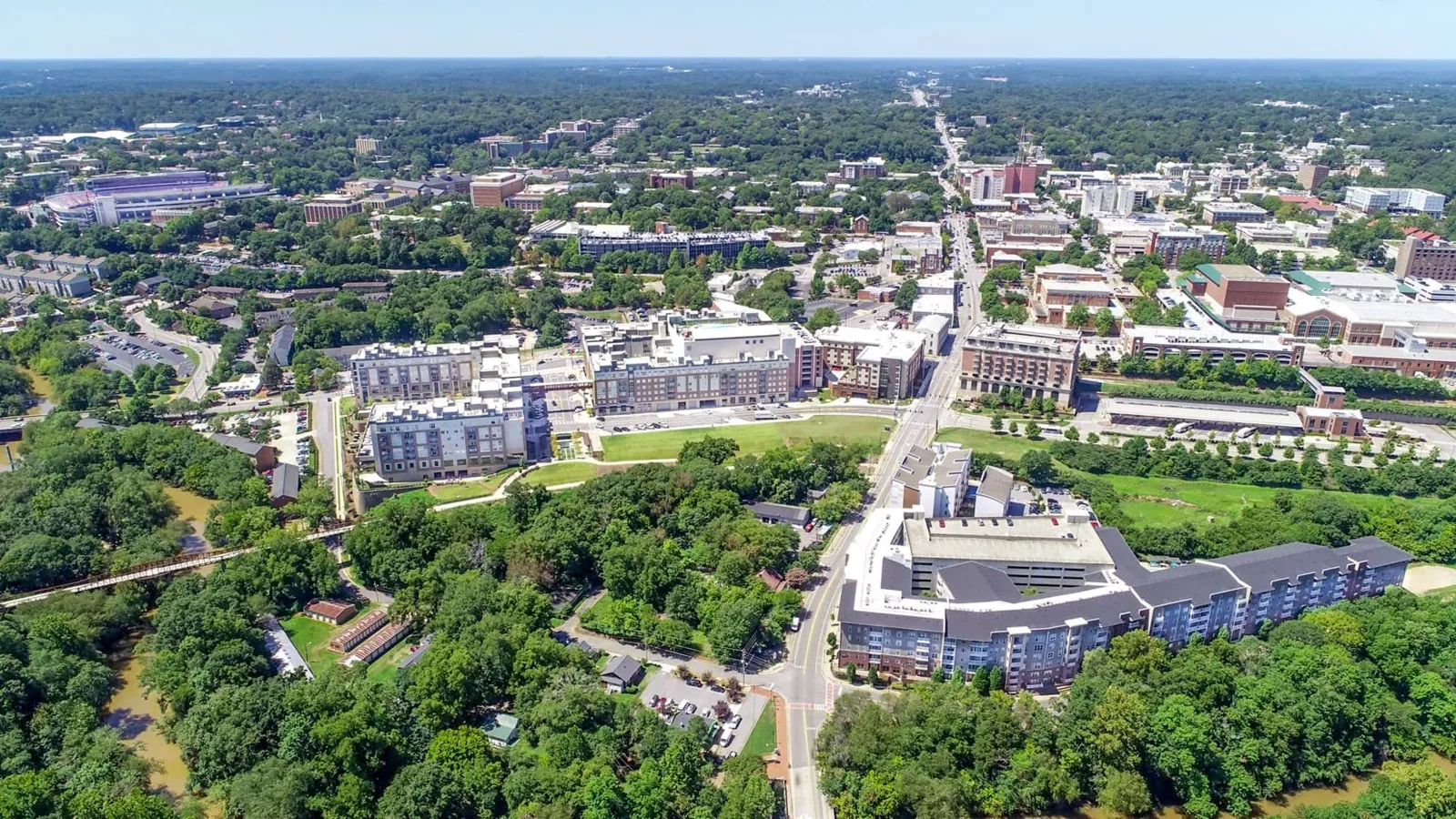
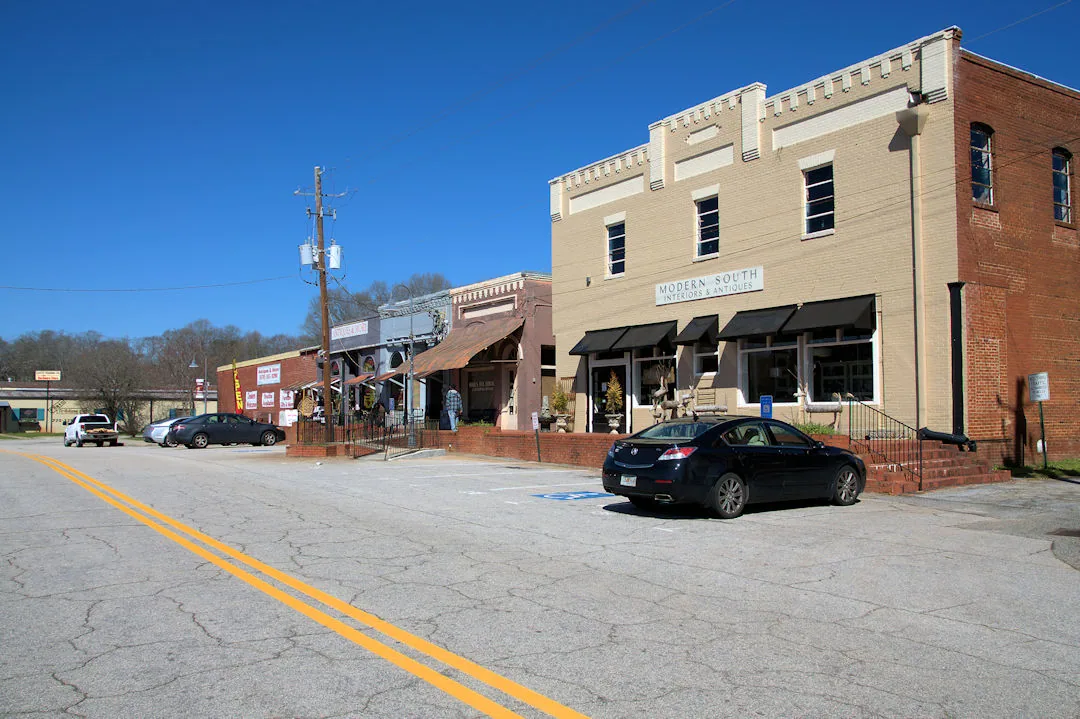
Shop access, food-service hours and the route for roofing material shape a work plan in Five Points. The district centers on South Milledge Avenue and South Lumpkin Street, about a mile and a half from downtown through the University of Georgia campus. Specialty shops and eateries share the neighborhood with early twentieth-century buildings and residential streets, so the actual property and its contact determine access, staging and tenant notice. Five Points’ shops, eateries and specialty beverage businesses create varied customer and service routes for crews to coordinate. We inspect the selected roof, document seams, drainage, flashings and penetrations, then connect the repair or replacement scope to the approved work window. Athens’ summer heat and humidity, recurring thunderstorms and occasional winter freezes all affect the timing of roof work. The property manager receives a route plan, weather-hold contact, daily cleanup steps and a clear handoff for each completed section.
Keep shop and pedestrian paths open
Before material delivery, we confirm which entrance serves the building, where customers and staff move, and which route can carry tools or roofing supplies. The property contact identifies loading hours, service access, noise constraints and any path that must stay open. If a lift or crane pick is planned, its setup area and exclusion boundary are mapped before equipment arrives. The laydown area is selected to protect membrane and insulation without taking over the parking or pedestrian route. The property manager confirms tenant calendars, receiving hours and customer paths before a lift or material delivery. The manager approves the work window for the actual address. Work near Downtown Athens or Athens-Clarke County commercial area has a separate access route and point of contact. Each mobilization uses the confirmed building-level instructions.
Before a lift or material delivery is booked, the property contact confirms where equipment can sit, which storefront or service entrance must remain open and whether pedestrian routing needs a temporary adjustment. We keep the roof work boundary separate from the public path and identify the person who can approve a short interruption. A small urban property may have limited staging, so the schedule should bring materials only when the crew is ready to install them. That reduces time spent in shared access areas and supports a cleaner shift handoff.
Inspect the roof, not the street façade
The first roof walk checks seams, patches, membrane surface, edge metal, parapets, wall transitions, penetrations, curbs, skylights, drains and scuppers. We photograph findings by roof zone and record where water could move beneath the visible surface. A ceiling mark helps locate a concern indoors but does not confirm the entry detail above it. If moisture, deck attachment or the number of existing layers cannot be established from the surface, the report names the test or access needed before pricing removal. Five Points includes early twentieth-century commercial buildings; our inspection identifies current roof layers and transitions before repair options are priced. A drone roof overview documents accessible conditions, and a targeted moisture survey can help direct verification below the membrane. The written capital scope record separates observed defects from open questions, so a repair proposal does not quietly include unverified deck or insulation work.
Choose a repair boundary that holds
A split seam, puncture or open flashing may be addressed locally if surrounding membrane and substrate are dry and attached. If the inspection finds repeated failure, widespread wet insulation or a damaged deck, the owner may need to compare that patch with broader replacement. Recover depends on layer count, drainage, edge height, deck condition and attachment. Coating requires a compatible, dry assembly and planned surface preparation. The written scope identifies measured area, removal depth, insulation, disposal, transitions, equipment and access as cost and timing drivers. It also names which concealed condition could expand the work. A penetration flashing scope can resolve a confirmed local defect; a recover evaluation or replacement plan follows only when the full assembly supports it. We tie each repair recommendation to photographs, measurements and test results from the roof walk.
Tie each section to the occupied space
We map roof sections to the property’s interior use, access point and protection requirement. The site contact approves tenant notice, work hours, equipment interruptions and pedestrian routing. The crew protects the space below, removes only what can be dried in that shift, installs the specified layers and checks drainage and transitions before closing the area. Any crane pick, rooftop-unit access or utility shutdown is scheduled with the responsible person. At day’s close, the field lead photographs the tie-in and reports what is complete and what remains. If concealed deck damage changes the detail, work stops at a protected edge until the owner reviews the revised scope. An insulation and cover-board work can coordinate access and cleanup, while equipment curb work is scheduled before membrane is closed around a unit. A later phase starts from the handoff, not from memory.
Make the dry-in limit explicit
For an Athens summer work window, we set the day’s last safe opening and identify who can stop tear-off if the forecast turns. Protection is on the roof before removal begins. The lead checks conditions, secures stock and seals each completed section before the crew moves off it. If wind, rain or lightning makes access unsafe, work stops at a safe boundary and the exposed area is protected where conditions allow. The contact receives a status update and the next mobilization window. Spring and summer storms can compress a Five Points work window; we secure roof edges and tie-ins before ending the shift. If the owner reports impact, we photograph the roof before permanent work changes the evidence. Emergency stabilization through roof response can be listed separately from the lasting repair scope and its follow-up tests.
Return the route with a useful record
At turnover, we inspect the finished seams, flashings, drains and penetrations, then tie photos to the roof-zone map. The closeout records the work performed, identified materials, open test results and any area that remained inaccessible. The property contact confirms debris, barriers and delivery equipment are cleared from the agreed path before the space is released. If another section remains, its protected boundary and start conditions are listed for the next shift. The record gives the owner a basis for maintenance and future budgeting without extending a finding from one building to another. A roof walk at Normaltown and Prince Avenue or the Boulevard district needs its own access and building facts. Contact Commercial Roofing Athens to confirm the Five Points address, map the staging route and set a weather-sensitive work window.
Related Roofing Work
- Commercial Roofing in Downtown Athens, GA
- Commercial Roofing Across Athens-Clarke County
- Drone Roof Inspection
- Commercial Roof Capital Planning
- Commercial Skylight and Penetration Flashing
- Commercial Roof Replacement
- Commercial Roof Insulation and Cover Board
- Commercial Rooftop Equipment Curbs and Supports
Frequently Asked Questions
Does Five Points’ building history identify the roof assembly?
No. The neighborhood’s early twentieth-century context does not establish current layers, membrane or deck. We inspect the actual roof and record any concealed condition that needs testing.
How do you keep customer access clear?
We confirm entrances, receiving hours and pedestrian routes with the property contact. Material delivery, barriers and any lift zone are scheduled around that approved path.
What changes a localized repair into a larger scope?
Repeated seam failure, wet insulation, poor attachment or deck damage can extend beyond one defect. We document the condition and identify tests before setting final quantities.
Can crews work while the shop or restaurant is open?
The property manager approves the hours and protection plan. We limit each phase to an area that can be secured and dried in before the agreed handoff.
What happens when a storm affects the schedule?
The crew follows the open-area limit, protects the boundary where possible and reports the status. The next work window is set after the roof is safe to access.