Commercial Roofing for Public Agencies in Athens, GA
Home / Industries We Serve / Public Agencies
Public Agencies
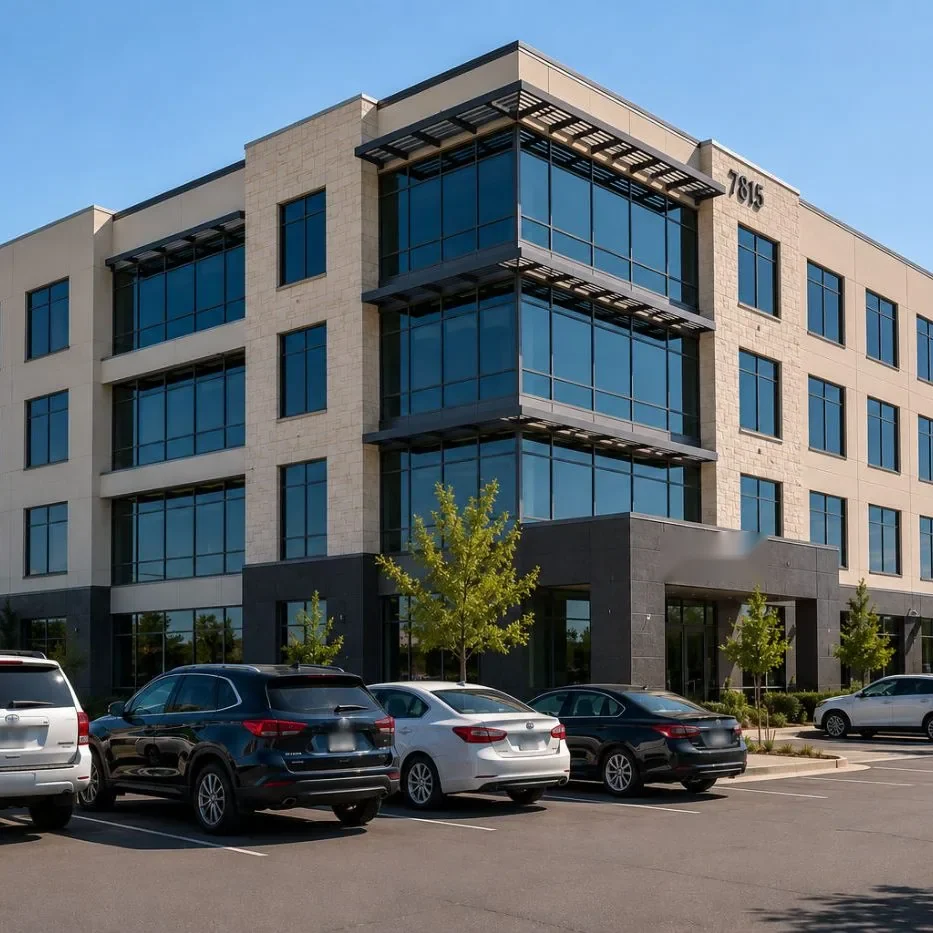
A public roof scope needs an access map, a clear work boundary and a record the facilities team can carry into procurement and closeout. We start by confirming the building, roof access contact, occupied entrances and any public route that must remain available. Athens has a mix of downtown businesses, neighborhood services, office, science, flex and manufacturing properties. Public facilities operate across this wider mix of city and county properties, including the Athens-Clarke County commercial area. We survey the actual assembly, record conditions and prepare a condition report before the agency sets its bid or work sequence.
Set a scope that can be checked
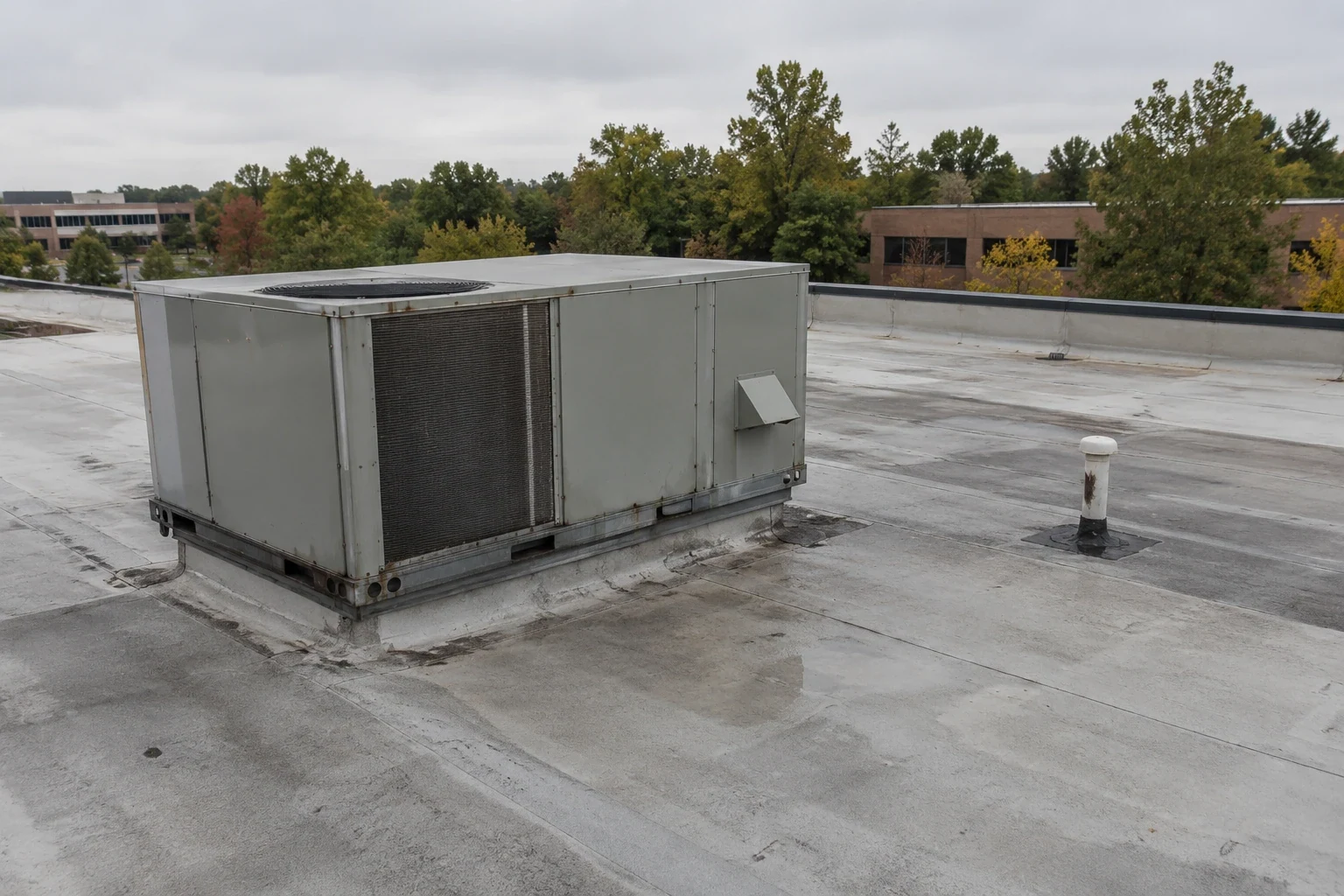
The inspection record identifies roof areas, visible system, drains, curbs, perimeter details and prior repairs with photographs. We separate confirmed deficiencies from conditions that require a test opening. If the deck or insulation cannot be evaluated without sampling, the report states the location and what decision depends on the result. That gives procurement and facilities staff a defined basis for quantities instead of combining a known patch with an uncertain concealed condition.
Bid documents can state the approved access window, staging area, delivery route, daily cleanup requirement and who can authorize a field change. A roof survey can also identify which records are missing and which roof areas could not be reached. Each facility needs its own access plan and roof survey before quantities are set.
Before bids are requested, the owner should define the basis of measurement, alternates, unit prices for concealed damage and the documents required at closeout. A clear scope lets agencies compare proposals without assuming that different exclusions mean the same thing. We identify whether the work is repair, restoration or replacement, list the roof zones included and state what testing or destructive investigation is outside the base price. During construction, any added condition is photographed and priced for approval before it is covered. That record supports both project administration and future maintenance budgeting.
Review the building requirements early
Athens-Clarke County’s current building rules use Georgia’s amended 2024 edition of the International Building Code, in effect locally from January 1, 2026. We identify the proposed roof work, existing assembly and project boundary so the owner can confirm applicable review requirements before mobilization. For existing-building work, Georgia’s current permissive code includes the 2018 International Existing Building Code with Georgia Amendment. The project team should verify the code path with the authority having jurisdiction for the specific scope.
Roof conditions may require structural review, deck repair, attachment changes or updated perimeter details. We document the visible condition and flag engineering or permit questions that need the owner’s direction. The proposal distinguishes the roofing scope from work that requires another design professional or agency review. That is especially useful when a public building remains occupied and a revision could affect the solicitation schedule, public access or the planned turnover date.
Preserve public access during construction
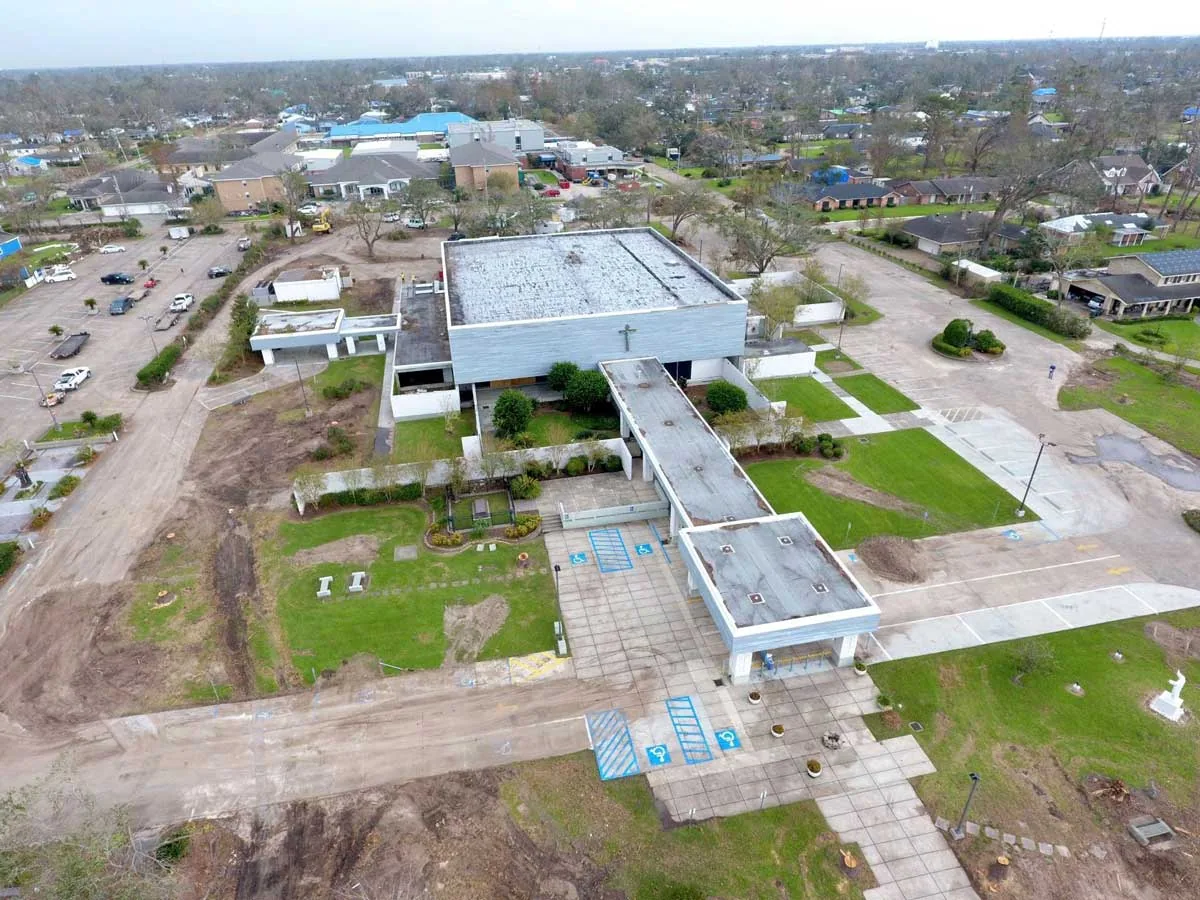
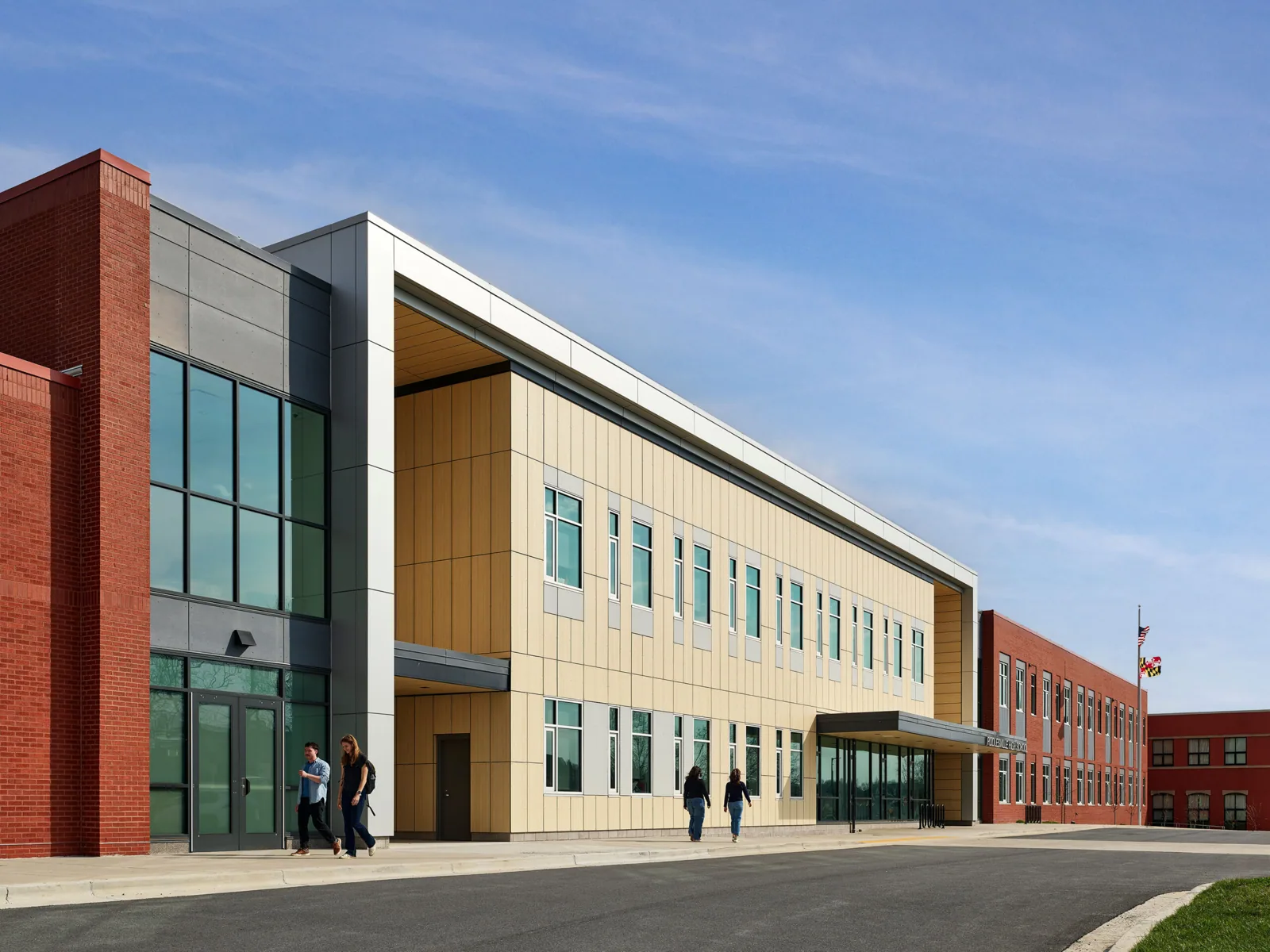
Before material arrives, the field plan marks the public entrance, staff route, service door, parking and work zone. We identify whether a sidewalk, loading area or accessible entrance overlaps with crane picks or debris movement. The agency contact sets notice requirements and the person who can approve a temporary route change. A phased occupied-building plan can keep those decisions attached to each roof section rather than leaving them to the crew on arrival.
Roof work near North Athens commercial area or Watkinsville commercial area still needs a building-specific public entrance and delivery plan; we confirm both with the facility contact.
The daily boundary names what can be opened, the dry-in point and the checklist before the next zone begins. Rooftop equipment, skylights, drains and penetrations are logged so transitions can be reviewed before turnover. If the building has multiple departments or service providers, the coordinator can review the sequence before work shifts to a new area. When a public counter, library desk or meeting room remains open, the agency can post temporary wayfinding before the first delivery and keep the alternate route available until that roof section is closed.

Include a weather hold in the schedule
Athens has hot, humid summers and frequent warm-season thunderstorms; regional damaging wind, hail and tornado risk also affects roof work windows. The scope should establish who reviews the forecast, what condition pauses tear-off and what dry-in materials must be available before opening a section. If a storm changes the plan, the crew records the completed area and protects the tie-in before leaving. The schedule can then be revised through the agency’s documented direction process.
We confirm safe access, photograph the condition and install temporary protection where site and weather conditions allow. The field report separates that immediate action from permanent repair quantities. Procurement can then decide whether the permanent work belongs in an existing scope or needs its own authorization, with the affected roof location clearly identified.
Keep the record with the facility
At completion, we check the finished membrane, flashings, drains and roof perimeter, remove debris and photograph the tie-ins. The closeout records the areas completed, products installed where documented and any remaining item or test. Agency staff can match that record to the building plan and keep it with maintenance history. If a later leak is reported, the roof map helps the next inspection start at the correct location.
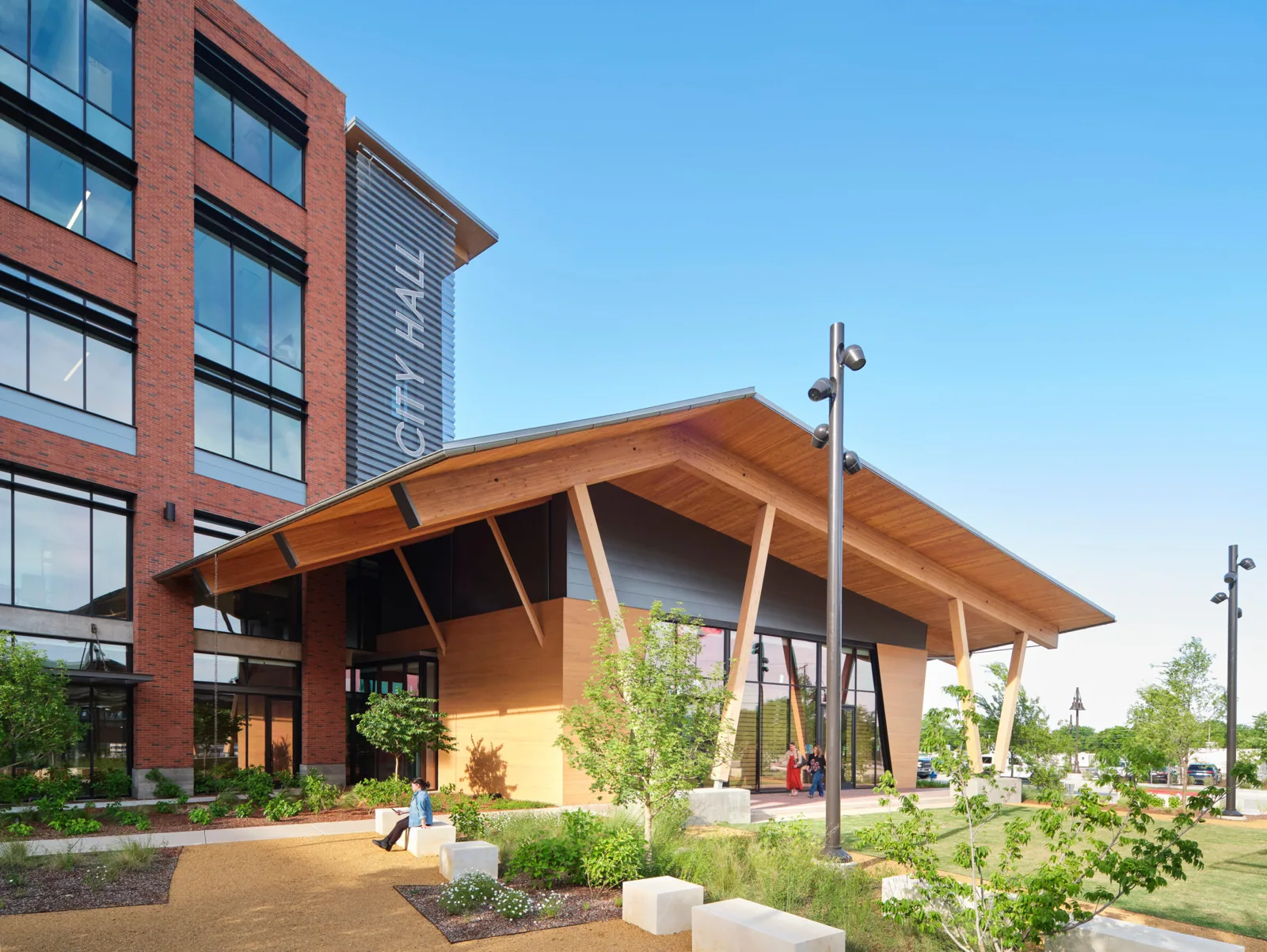
A capital plan can sort immediate work, testing and later replacement by building, while a school district or health system may have different public-facing and occupied-wing controls. We use an orderly record format but keep scope, approval and roof condition tied to each facility. That preserves accountability when staff or procurement teams change.
When the facility is used by the public every day, the agency can identify a service counter, meeting room or staff entrance that cannot share the contractor’s route. We record that location and the approved alternate path before the work zone is established. The site contact also confirms who receives daily status and who can accept turnover. Those names and routes stay in the building file so a later service visit does not restart the access discussion.
Prepare the agency roof walk
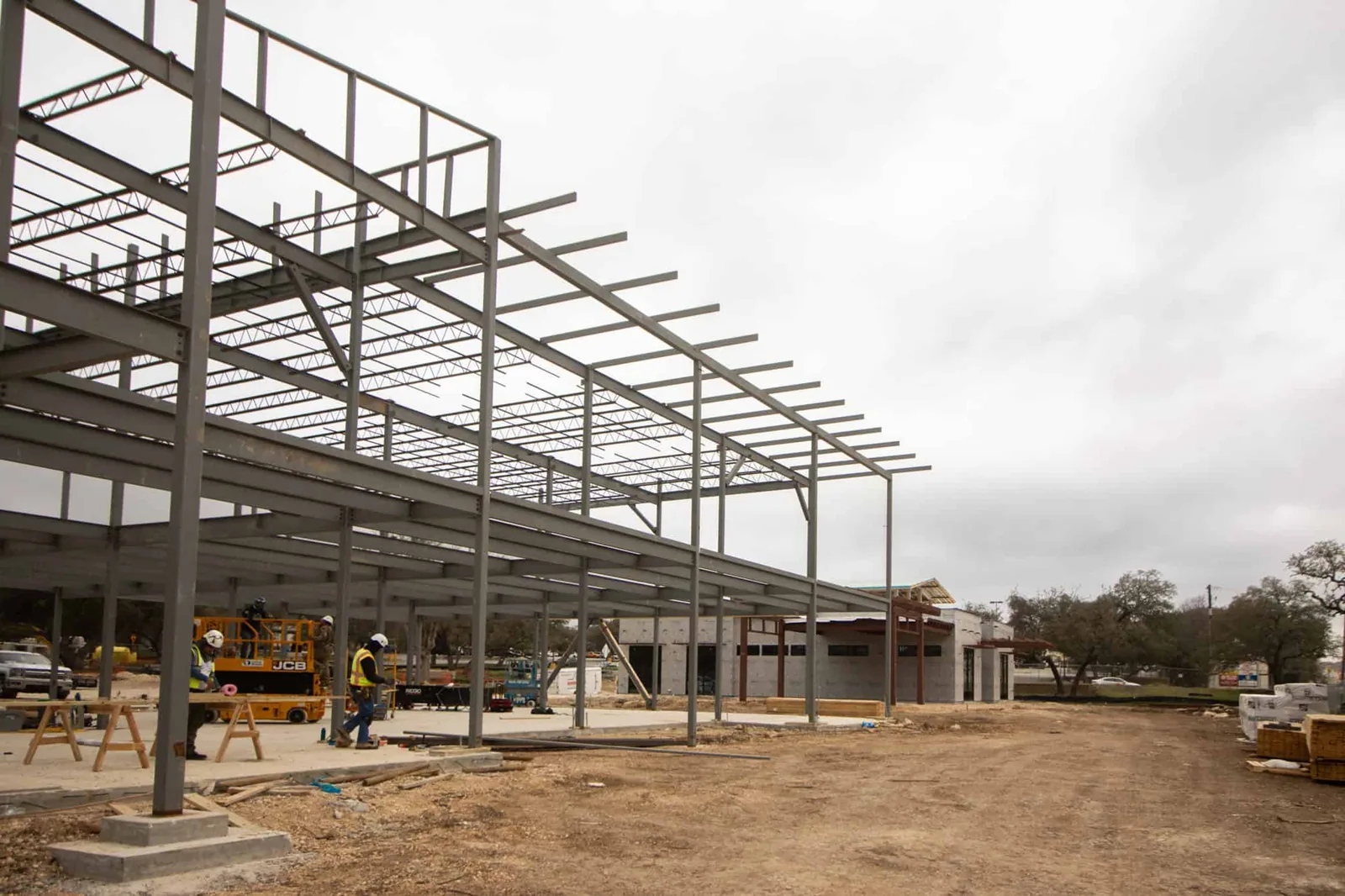
Share the facility address, roof plans, procurement calendar, access requirements, prior repair files and any limitations on work hours. We will inspect the roof, mark conditions by area and identify testing, code review or access questions that affect the scope. The agency can then set its solicitation or repair approval around documented quantities and a workable field sequence.
Commercial Roofing Athens can coordinate with facilities and procurement staff to define staging, public access, weather holds and turnover. Contact us to schedule a roof walk before the scope is issued or a repair window is committed.
Related Roofing Work
Frequently Asked Questions
Can you help define a public bid scope?
We can document visible roof conditions, photos, quantities, access limits and the test areas that remain uncertain. The agency and its design team decide procurement requirements and approve the final documents.
Which building code applies to roof work in Athens-Clarke County?
Athens-Clarke County’s local schedule moved to the 2024 building-code edition with state amendments in 2026. The authority having jurisdiction confirms which provisions apply to the specific work.
How do you record concealed roof conditions?
We identify where a test is needed and state what finding would change the scope. Confirmed work and allowance-dependent conditions stay separate in the report.
Can a public building stay open during roofing?
When the owner approves routes, barriers, work hours and phase boundaries, we can sequence the roof around building use. Access changes remain under the agency’s direction.
What does the closeout include?
The record can include completed roof zones, photos, inspected transitions, remaining items and any test that still needs follow-up. We tie those records to the facility map.