Commercial Roofing for Retail and Restaurant Chains in Athens, GA
Home / Industries We Serve / Retail and Restaurant Chains
Retail and Restaurant Chains
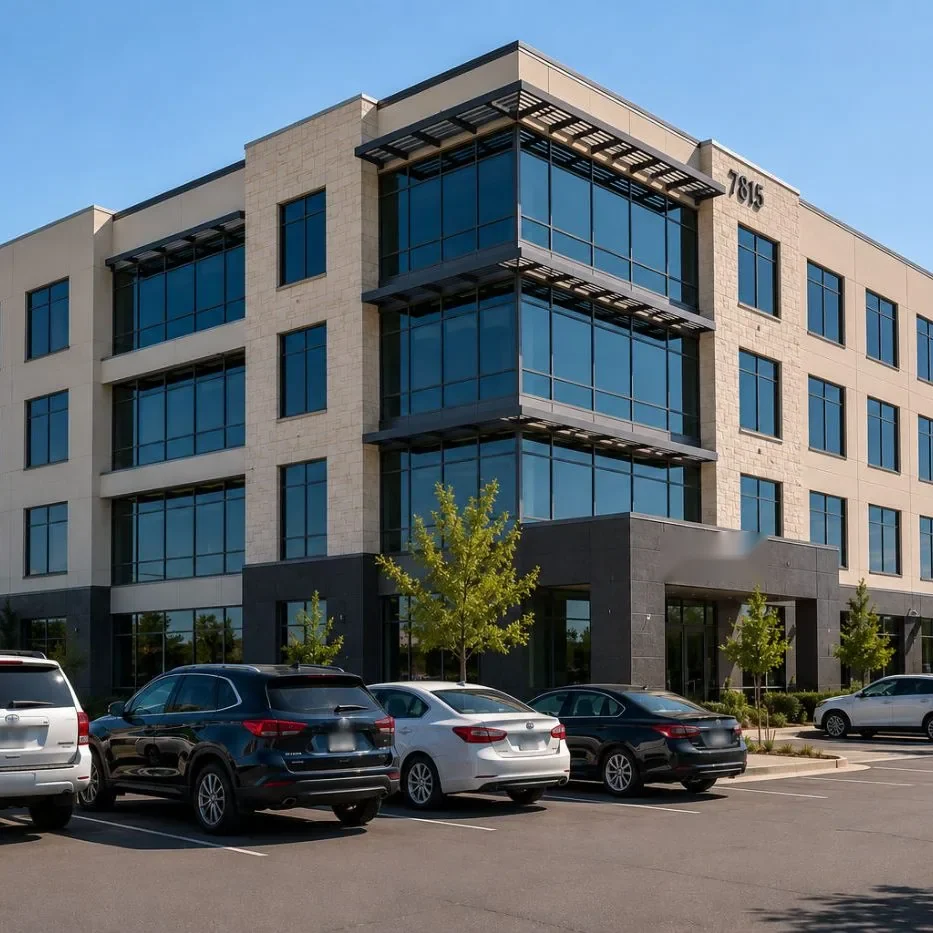
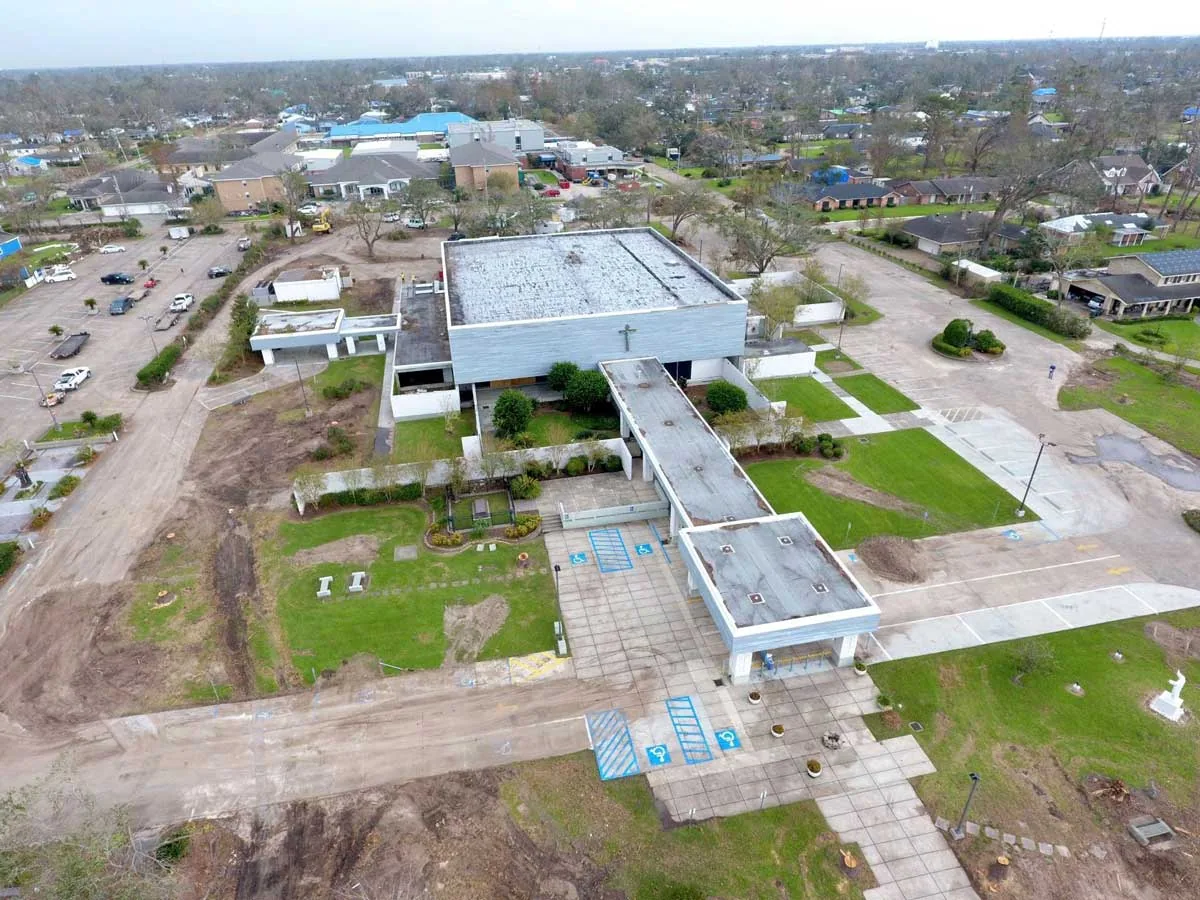
A customer entrance, food delivery window and roof crew cannot all use the same route without a sequence. We walk the property with the store or facilities contact, map doors, loading, waste pickup and roof access, then mark which section can be isolated while business continues. Georgia Square Mall sits on west Atlanta Highway, and Beechwood-Alps commercial area is another Athens retail area with national retailers and local businesses. Each tenant confirms its own hours. We document the roof before preparing a phased work plan.
Build the schedule around trade
The first coordination pass records store opening and closing, peak customer periods, deliveries, kitchen service, trash collection and any shared-center rules. We identify where a lift, dumpster or material pallet would affect parking or pedestrian flow. The property manager confirms which entrances can be temporarily redirected and how tenants receive notice. A restaurant may also need kitchen ventilation kept in service, so rooftop equipment access and shutdown authority are assigned before work starts.
On multi-location programs, each address receives its own route and contact list. A common reporting format can simplify regional review, but one store’s hours or roof layout do not stand in for another. The work plan identifies the local staging area, material delivery window, crane pick and daily cleanup boundary. Around the West Athens commercial corridor and the Atlanta Highway corridor, commercial access planning is a local concern; the site team still determines how customer and vendor traffic moves during the actual project.
Check the details serving each tenant
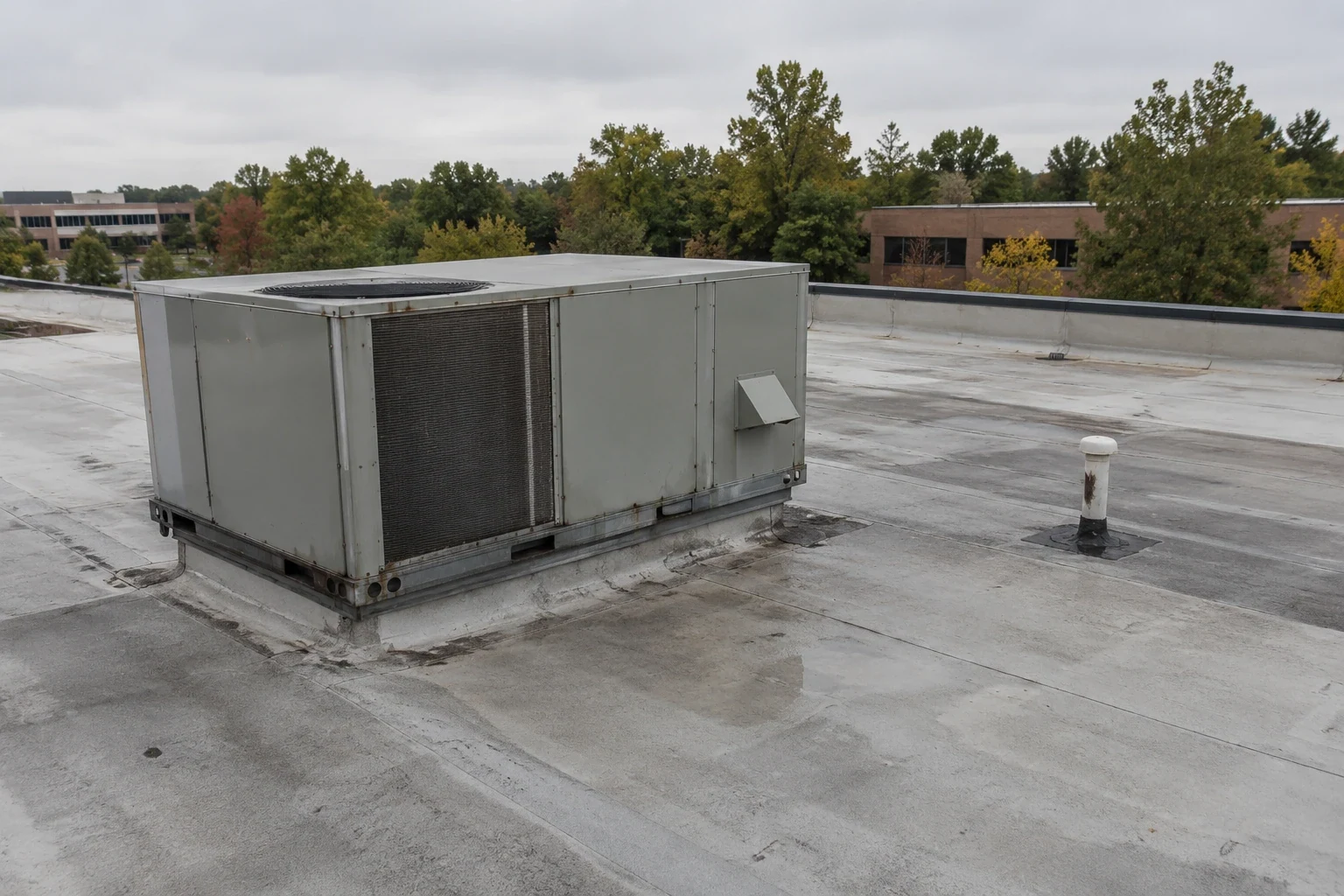
Retail and restaurant roofs can include rooftop units, exhaust fans, grease-related exhaust details, signs, skylights and repeated penetrations. We record curbs, flashing, seams, drains and edge metal, then compare roof observations with any leak or ceiling report. The equipment review checks curb connection and service clearance; an inspection maps the whole affected section. If moisture beneath the membrane is uncertain, we mark a test location rather than assuming a surface patch will resolve the condition.
The roof may extend over several suites, and the cause of an interior mark can sit away from the tenant reporting it. We trace the water path through membrane transitions, walls and penetrations, photograph the relevant details and record inaccessible areas. A test opening may be needed to distinguish wet insulation from surface damage. The report then separates immediate containment, confirmed repair and larger capital work. This lets the store manager protect merchandise or food service while the owner decides how much of the assembly belongs in the permanent scope.
Separate public movement from active work
We set barriers, overhead protection and work routes with the property contact before a crew mobilizes. Material and tear-off move through the approved service path, while customer entrances and accessible routes remain under the center’s control. Each roof phase has a start and stop boundary, a daily tie-in and a turnover check. If a door or parking aisle needs to change, the manager authorizes the change and updates tenant notices before equipment arrives.
Warm-season storms can interrupt work across Athens, and the region also sees damaging wind and hail. We set the dry-in limit and weather hold in the daily schedule so the crew does not expose more roof than can be protected. For a replacement, tear-off and installation are sequenced by section; a dry, stable roof may instead be reviewed for coating restoration. Inspection findings, not the desire to avoid a closure, determine which option is suitable.
Chain standards help keep inspection photos, estimate categories and closeout records consistent, but each store still needs its own access and operating plan. The local manager identifies deliveries, kitchen service, customer entrances and any period when odors or noise would disrupt trade. A portfolio lead can then compare the site-specific constraints across locations without reusing one store’s schedule for another. We label roof zones and work limits by the store’s approved planogram or facility naming convention, and the handoff records what the next maintenance visit should check.
Keep exhaust and delivery needs in view
Restaurant work needs an equipment plan as much as a membrane plan. We identify exhaust fans, curbs, intake locations and service clearances, then coordinate any temporary shutdown with the operator. The manager confirms food deliveries and waste pickup so a crane pick or lift does not block the service lane at the wrong time. If grease or heat has affected a roof detail, we record visible conditions and include the repair method in the scope without assuming the cause from the tenant type alone.
For a chain, the facilities group may coordinate purchasing while each store manager controls daily access. We name both contacts in the schedule, including who can approve a temporary route or provide access to an interior report area. A property manager can coordinate neighboring tenants, while a hospitality operator may have guest entry and housekeeping needs. Each scope keeps the store address, roof condition and operating limits distinct.
Return the storefront in ready condition
At daily close, the field lead checks tie-ins, drains, flashings and the work boundary, then removes debris and confirms that customer and service routes are clear. The final turnover record includes photos, completed areas and any item needing follow-up. The property contact can compare the closeout with tenant notices and restore any temporary route change. If another roof phase remains, the next mobilization window is identified before the current crew leaves.
We confirm safe access, document the issue and apply temporary protection where conditions allow. A permanent repair follows an inspection and defined scope. That record makes it clear which action stabilized the building and what work remains for a planned store-access window.
For a center with several suites, we also confirm which tenant receives delivery notices and who manages the common parking area. A short pre-mobilization check can catch a changed store hour, a temporary event or a delivery conflict before the crew is staged. The updated route is then reflected in the daily work record, keeping store staff and the roofing lead aligned.
Coordinate the first store visit
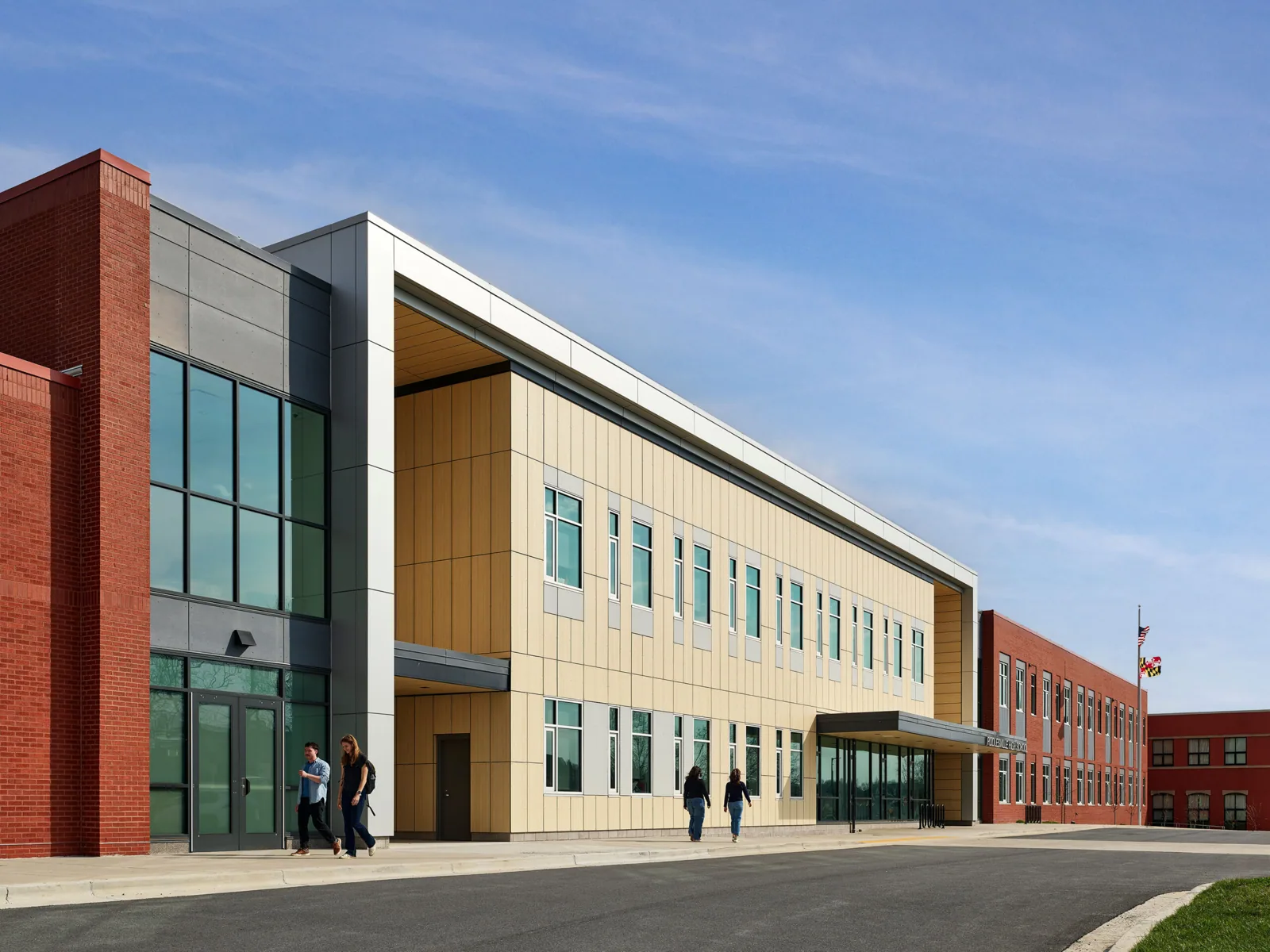
Share the address, center rules, store hours, delivery windows, roof plans and the contact who controls equipment shutdown or access. We will inspect the roof and mark staging, tenant routes, work zones and any test needed to confirm concealed conditions. For a chain, provide the locations to prioritize and the reporting fields your facilities team needs.
Commercial Roofing Athens can prepare a store-specific repair or replacement sequence with weather holds and customer access considered. Contact us to schedule a roof walk before the next operating window is set.
Frequently Asked Questions
Can a store stay open during roof work?
Yes, when the property approves barriers, public routes, noise periods and the roof phase. We plan material movement and daily tie-ins around the access rules for that location.
How do you plan around restaurant exhaust?
We locate fans, curbs and service clearances, then coordinate any shutdown with the operator. The contact approves the outage window before the roof section is released.
Can one chain schedule several locations together?
A portfolio calendar can coordinate visits and reporting, but each store needs its own inspection, contact, access map and scope. Tenant hours and roof conditions remain address-specific.
What if a leak affects merchandise or food service?
We confirm safe access, inspect the roof area and document visible findings. Temporary protection can address immediate exposure while a permanent repair scope is prepared separately.
What changes the project schedule most?
Roof condition, hidden moisture, equipment coordination, material delivery, customer access and weather holds can all change the sequence. We identify these constraints before setting a mobilization window.