Big-Box Retail Roofing in Athens, GA
Home / Property Types We Roof / Big-Box Retail Roofing
Big-Box Retail Roofing
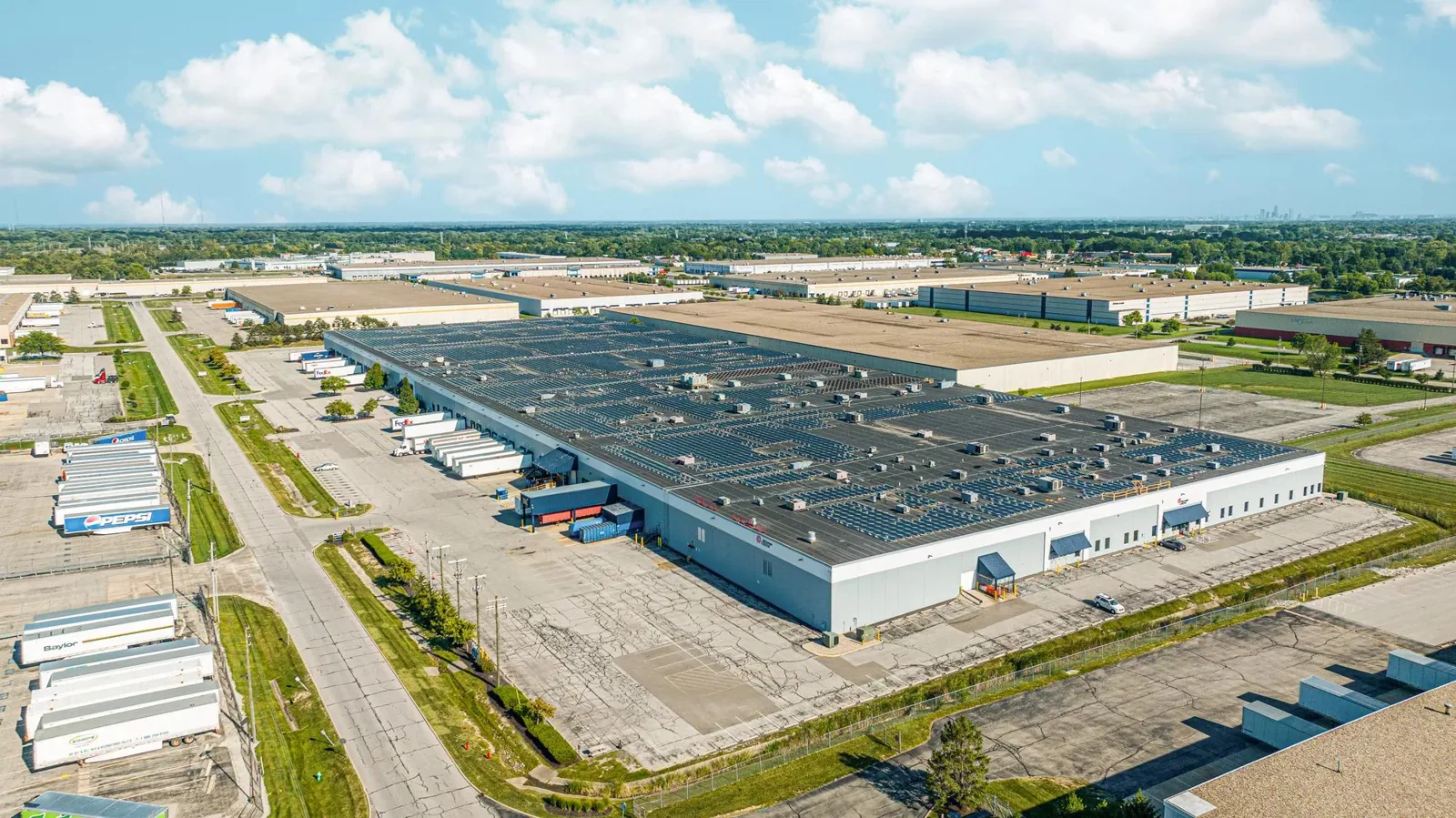
Sales-floor access and truck receiving set the working limits for a big-box roof project. We map public entrances, loading doors, stock areas and lift locations before crews bring material to the property. the West Athens commercial corridor and the wider Atlanta Highway corridor, where Georgia Square Mall is a local retail reference, is a named west-Athens commercial area, but each store's roof, dock and operating schedule must be confirmed in the field. The inspection identifies what is failing; the access plan shows how to work above the building while customers, staff and deliveries use the ground below.
Map roof zones above store operations
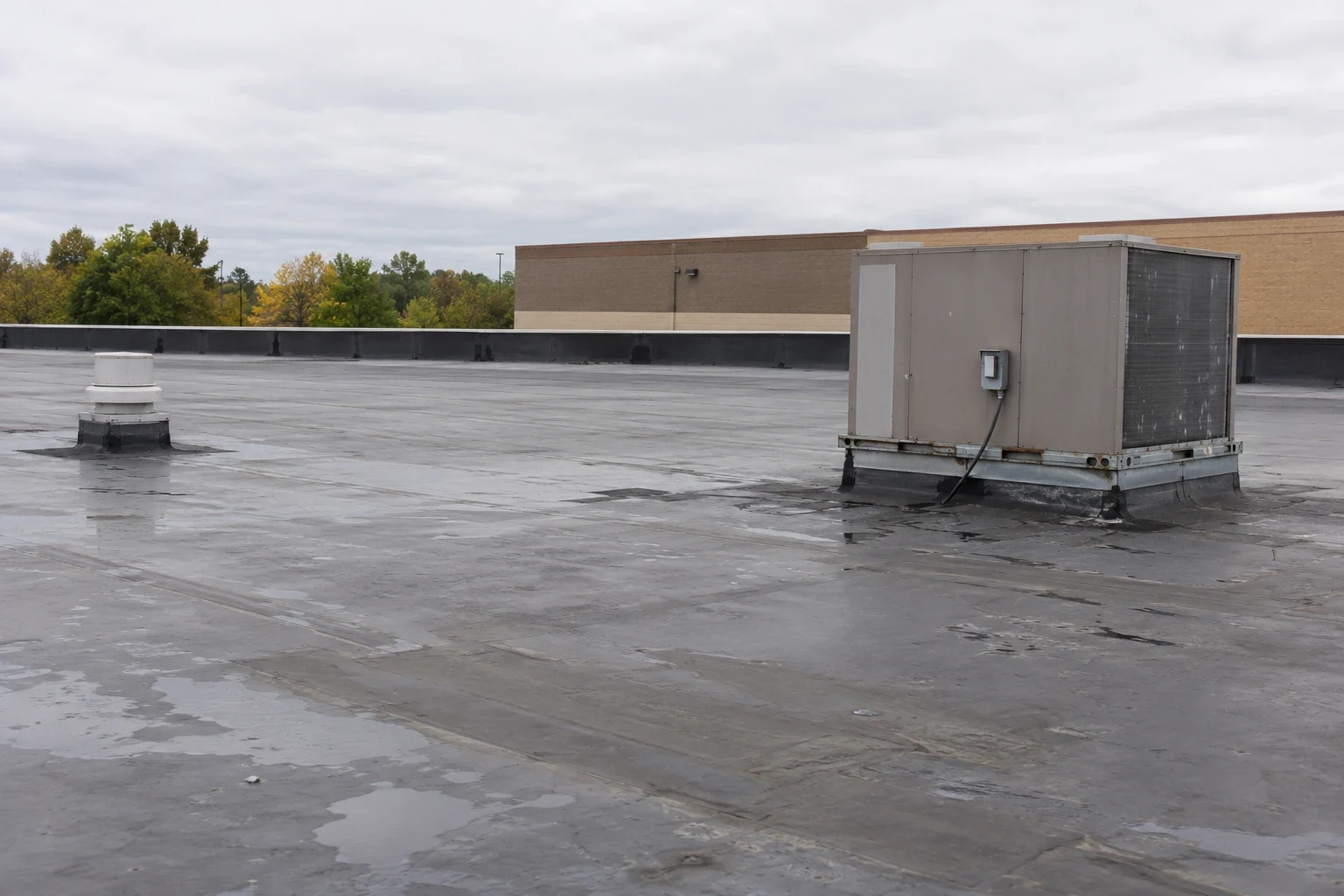
We inspect membrane, seams, drains, skylights, curbs, edge metal and past repairs, then mark findings by roof zone. The store contact identifies high-value inventory, checkout areas, refrigerated departments and any interior route that cannot be closed. A commercial roof inspection documents visible conditions and photographs; suspected wet insulation may need targeted testing before a new system covers it. Where leak reports overlap with stock or electrical areas, we coordinate interior protection and confirm the roof location before repair.
Big-box buildings may have a large, continuous sales area with additions or loading sections at different elevations. We record where the membrane transitions, where drains collect water and whether equipment service paths cross the proposed work. The plan also identifies skylights, sign supports and rooftop units that need protection or coordination. Each issue gets an action: repair, test, replace or monitor. This gives store management a clear work list and helps separate immediate leak control from the capital scope for broader replacement.

Keep the sales floor and loading lane moving
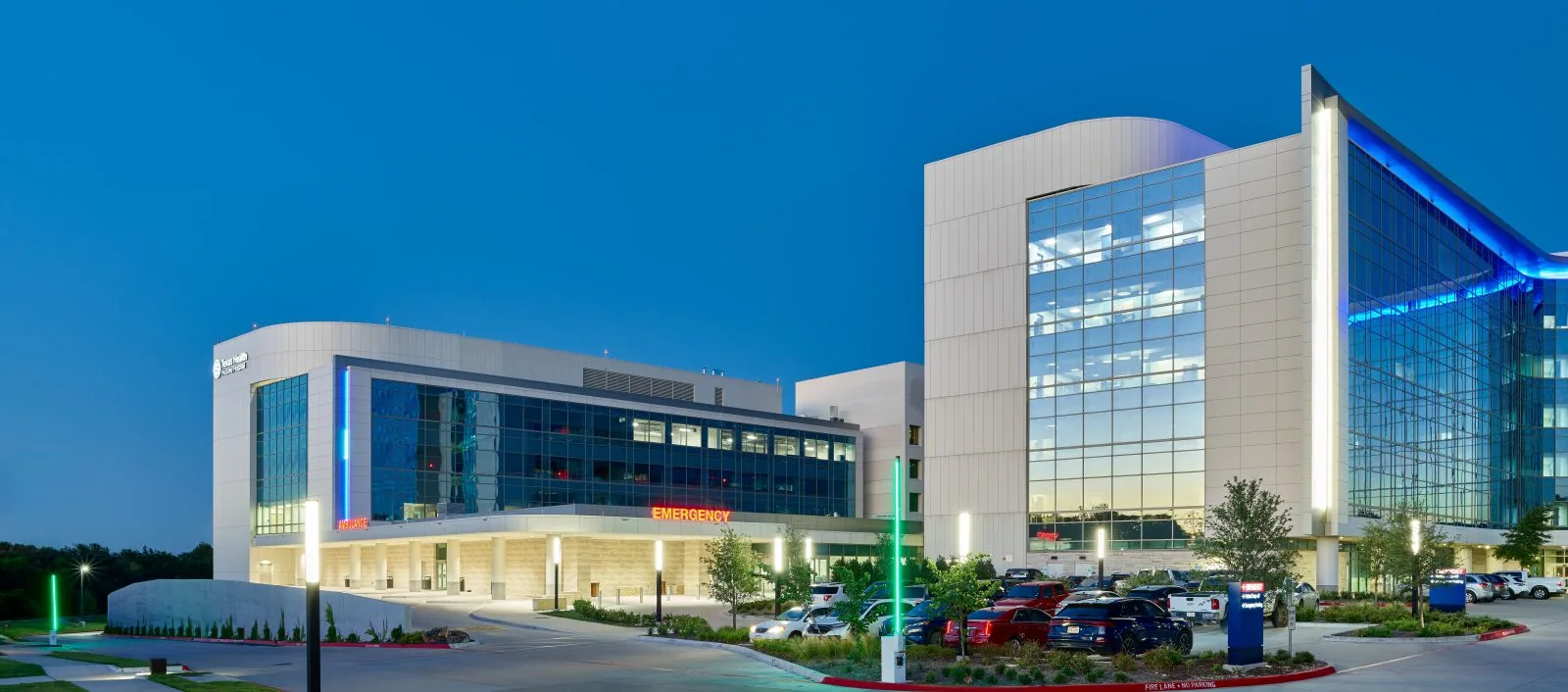
We divide work into sections sized for removal, installation and same-shift dry-in. The site plan identifies the dock that receives roofing materials, the route for dumpsters and the areas below an active lift. If the project affects a public entrance or cart path, management approves the detour and signs before the barrier goes up. Delivery windows and truck queue limits are recorded, along with the person who can release a temporary closure. At the end of each shift, crews secure the tie-in and clear loose fasteners and debris from the roof and ground.
A phased reroof sequence can retain store access while selected roof areas are replaced. If the existing assembly may stay, a recover decision depends on moisture, attachment, deck and drainage. New assembly choice follows the substrate and design needs, with TPO roofing or PVC roofing evaluated only where project conditions support it. We define perimeter, curb, skylight and drain details before ordering so the store has a realistic sequence for material delivery and turnover.
Large-format roofs can be divided into repeatable zones, but the work boundary still needs to match the store’s daily operation. We identify receiving hours, fire access, customer entrances, rooftop equipment that must stay online and the interior areas below each phase. Delivery and crane windows are confirmed in advance, and the crew opens only the area it can close before the agreed weather hold. A phase map helps store management explain temporary changes to vendors and staff. The map also creates a clean link between observed conditions, quantities and completed work when later zones are priced.
Coordinate signs, units and roof drains
HVAC units, exhaust fans, sign supports and communications equipment may require access throughout the project. We list who services each component and whether it can be isolated, lifted or left in place. Flashing around a curb or conduit needs a compatible detail and enough clearance for the next service visit. A curb and support review aligns that work with the roofing crew. Where a sign contractor or mechanical vendor must enter the site, management confirms the route and allowed hours before crews close in the surrounding roof area.
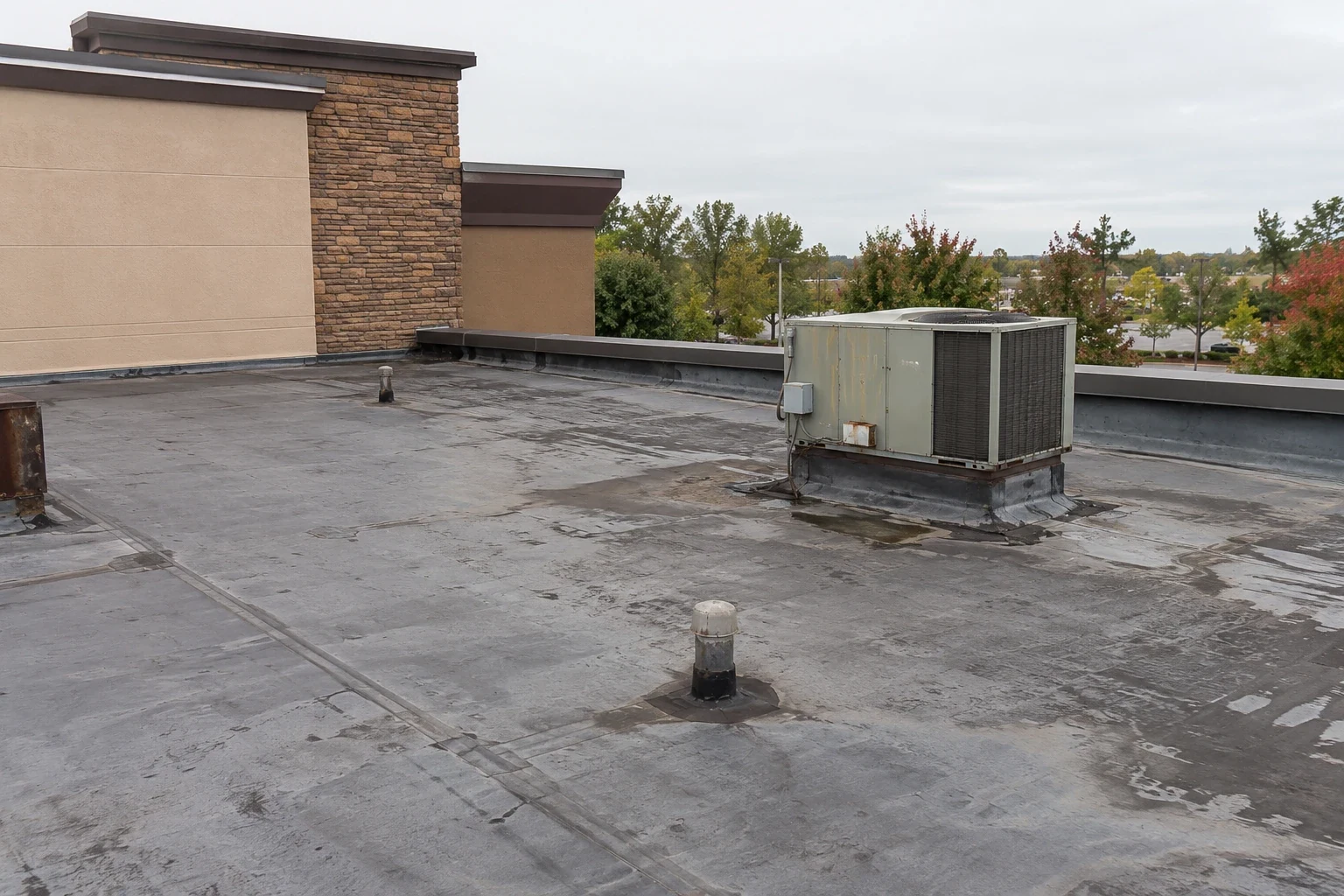
Roof drains and scuppers are checked for blockage, low spots and changes in elevation. We coordinate any cleaning or adjustment before the finished membrane covers an outlet. Store entrances should not receive uncontrolled discharge from a modified gutter or downspout. The project map shows the water path and any perimeter metal work to be completed. During turnover, the field lead verifies drains are open and that equipment paths, roof ladders and service doors are clear for the store's maintenance team.
Use the forecast to set the opening limit
Summer heat, humidity and frequent thunderstorms affect roofing windows in Athens; the regional severe-weather profile also includes damaging winds, hail and tornadoes. We set a daily tear-off limit and a weather hold before opening the roof. Rain can accelerate a tie-in, while wind may change lifting and handling of sheet goods. The store contact receives the active area and any change to the loading or customer route. A work section does not advance until the current boundary is secure and inspectable.
After a storm, crews check edges, seams, temporary cover and drainage before continuing. If a manager reports water over the sales floor, we document the location and time, inspect the corresponding roof zone and protect inventory while tracing the entry. After a reported storm, we map the affected store roof, check drains and perimeter details, and keep customer routes open during inspection and repair. The roof condition, event observations and any testing determine whether repair or replacement is needed. That distinction keeps an ordinary maintenance issue from being treated as a storm claim without supporting field evidence.
Select repair or replacement by roof evidence
A localized curb failure or seam split can be repaired when nearby insulation and membrane remain sound. Recover may reduce removal only where the assembly is dry, stable and allowed to remain. Replacement becomes more likely when moisture, attachment failure or repeated leaks extend across multiple zones. We explain the work boundary and cost drivers, including tear-off, insulation, edge metal, crane access, interior protection and restricted delivery times. Any uncertainty gets a test location or defined allowance before the store approves a broad scope.
A shopping-center roof may need storefront and tenant notices, while an auto-dealership roof can have vehicle display and service-lane controls. Big-box operations have their own dock, inventory and public-access plan. We confirm those conditions with the store manager rather than assume them from that label.
Set the work plan with store management
Provide a roof plan, leak history, operating hours, inventory protection requirements, dock schedule and any upcoming promotions or events that affect access. Identify who approves crane setup, temporary entrance changes, equipment shutdowns and after-hours work. We can inspect the roof, map conditions and return a sequence that shows delivery routes, active zones, weather holds and turnover checks.
Commercial Roofing Athens can review the phase plan with store operations before material is released. Each phase will identify the area below the roof, the customer path, the loading route and the person who receives daily updates. Contact us to schedule a big-box roof assessment in Athens, GA and coordinate the work with store operations.
Frequently Asked Questions
Can a big-box store stay open during a roof replacement?
In many cases, if the work can be phased around sales-floor protection, customer routes and loading. We confirm the store schedule and each daily tie-in before removing material.
How do you protect merchandise below the roof?
The store identifies inventory-sensitive zones and any interior controls. We limit the active roof area, confirm protection below and keep the work boundary secure before leaving each shift.
What happens to the loading dock during material delivery?
The plan sets an arrival window, unloading point and any temporary door restriction. Management approves the route in advance, and the crew clears the dock area when the delivery is complete.
Can rooftop signs and HVAC remain in service?
That depends on the specific equipment and detail work. We identify each unit or support, then coordinate service access, isolation or lifting with the responsible vendor.
How do you handle a leak reported during store hours?
Management provides the location and timing while protecting stock below. We inspect the corresponding roof area, trace the water path and document temporary protection and permanent repair needs.