Holcim Elevate Commercial Roofing in Athens, GA
Home / Roofing Manufacturers / Holcim Elevate Commercial Roofing
Holcim Elevate Commercial Roofing
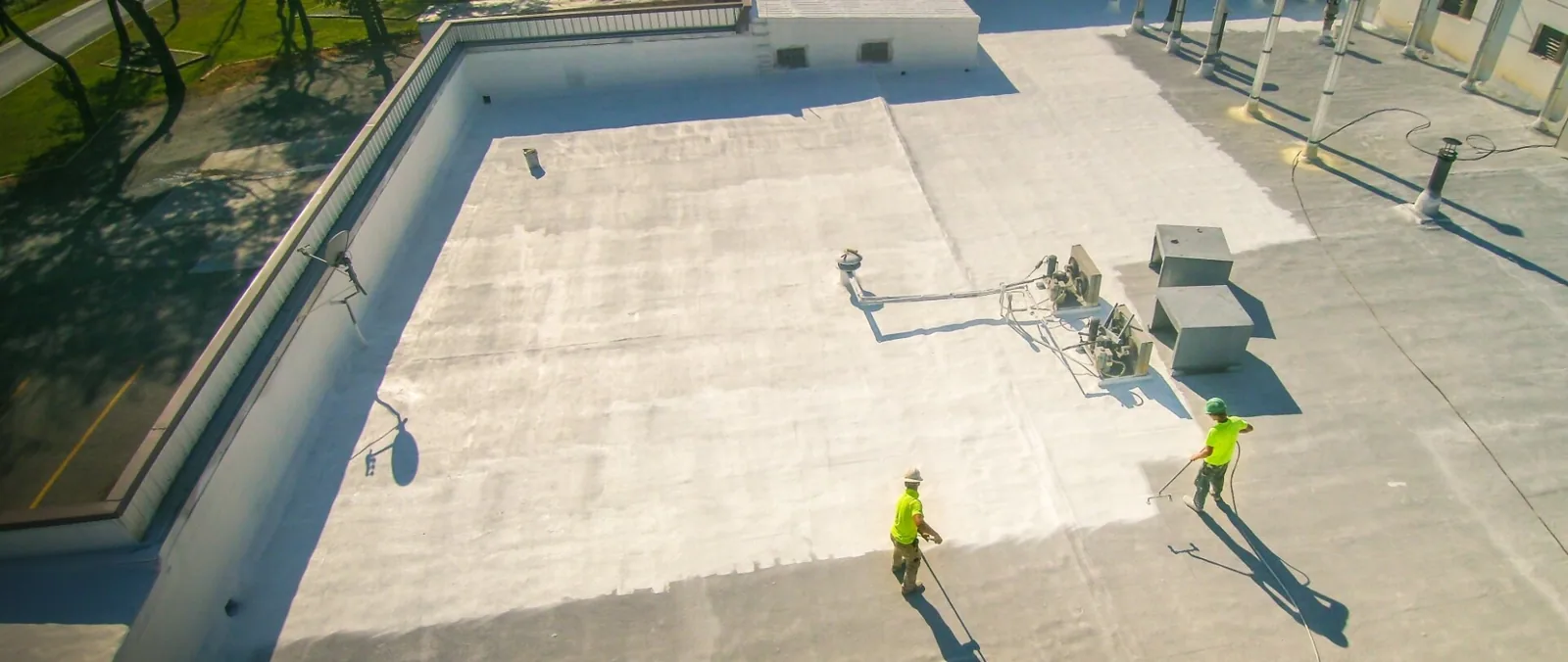
A Holcim Elevate roof project begins with the installed system and its approved detail set, not a brand name alone. We inspect membrane, seams, insulation, flashing and deck conditions, then identify which materials and repair methods fit the existing assembly. Athens has institutional sites around UGA and industrial activity near Commerce I-85 industrial corridor. A facility near College Station Road commercial corridor may have clinical and academic routes to coordinate; the site contact confirms its actual operating rules before mobilization.
Confirm the manufacturer system on site
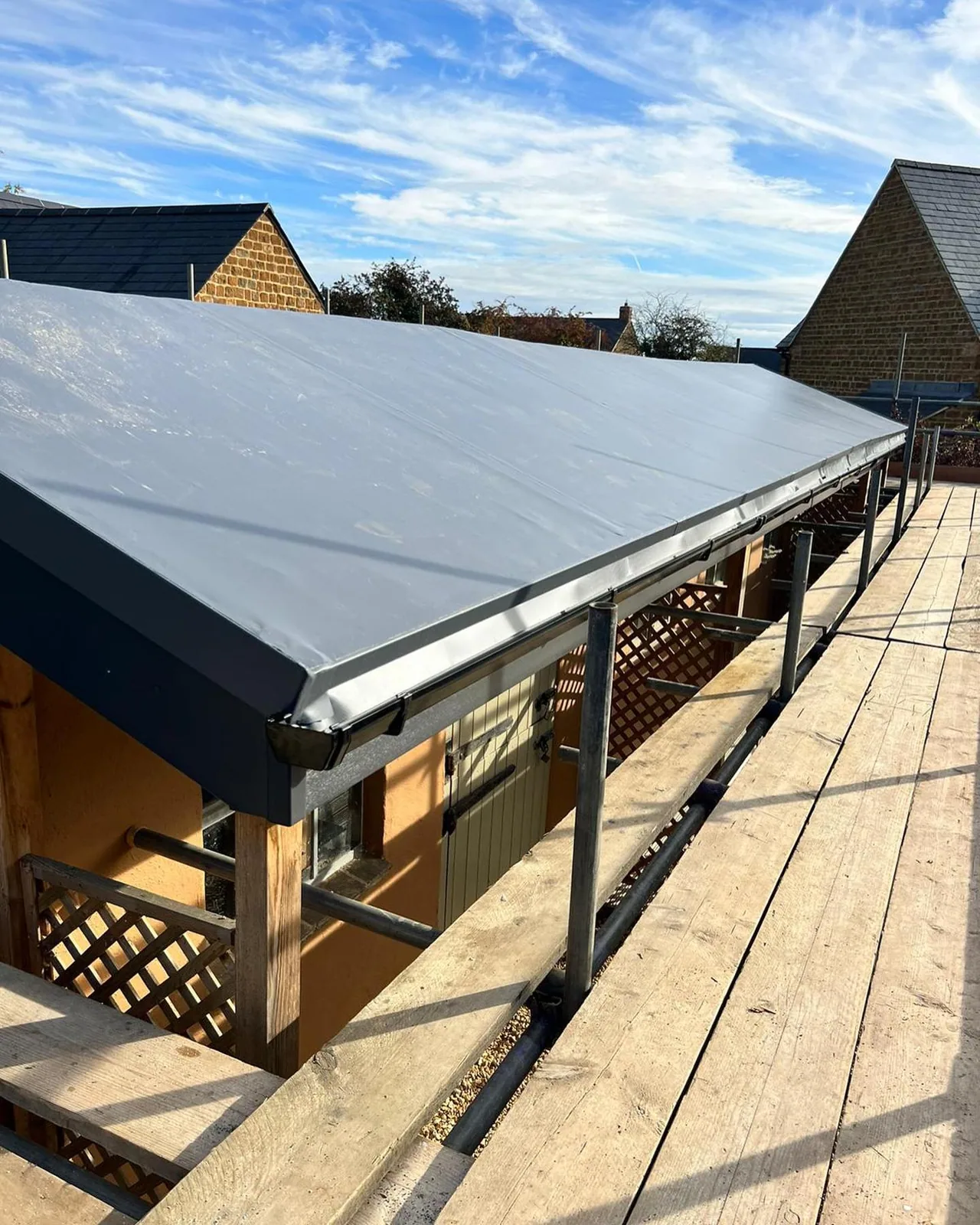
Holcim Elevate offers commercial membrane systems that include TPO and EPDM options, among other roof products. Product family, thickness, reinforcement, attachment and flashing details can vary by specification. We review available closeout records and submittals, then compare them with the field. If the roof’s identity remains uncertain, we record what can be seen and identify what test or document would resolve it. The chosen repair must match the installed material, not a similar-looking membrane from another line.
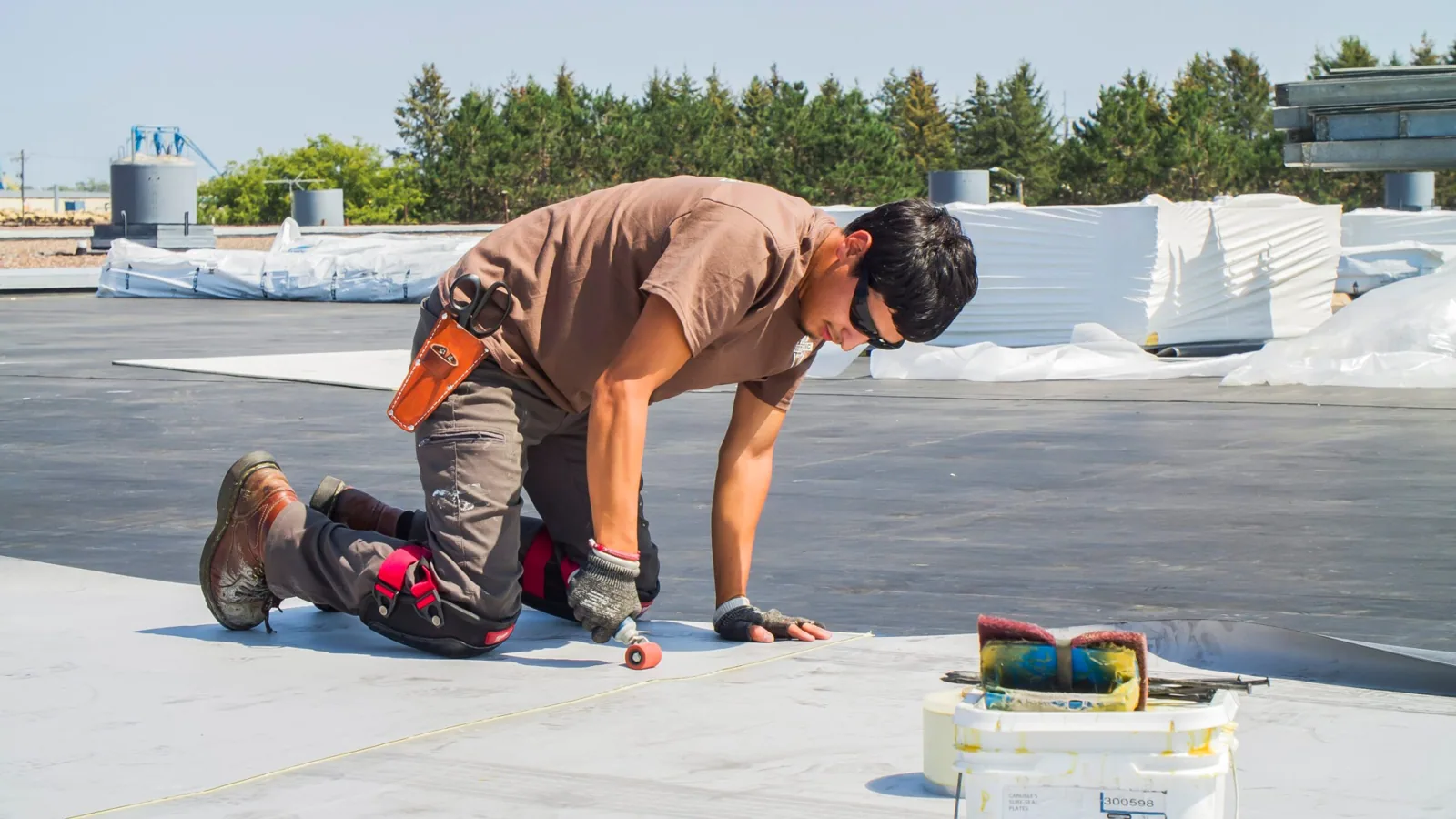
A TPO seam, EPDM lap and asphaltic transition do not share one installation method. We confirm seam preparation, compatible patch components, adhesive or weld requirements and edge details before work. A TPO scope may include heat-welded field seams, while an EPDM assembly has different seam and flashing materials. The approved submittal controls product selection, and any field condition that changes that detail is sent for review.
Manufacturer records may use different product or brand names than the labels found on older roof documents. We match the field assembly to available submittals, invoices and warranty papers, then confirm the current product detail that applies to the repair. The work scope lists the membrane, accessory, substrate and attachment rather than relying on a shorthand brand reference. If the original system cannot be confirmed, that uncertainty is documented before material selection. This extra check helps avoid mixing incompatible products at seams, penetrations or perimeter transitions.
Inspect the substrate and drainage plane
Before recover or replacement, we check existing layers, insulation, cover board, deck, drains, curbs and roof edges. Moisture below the membrane can change the scope, so we mark test locations where visual inspection cannot confirm the assembly. A roof inspection documents the current roof map and identifies open questions. If the owner is considering a recover, we verify height, attachment and transition conditions instead of assuming that the existing roof can stay.
Athens’ humid summers and warm-season storms affect the timing of repairs and new membrane work. We set the dry-in boundary and material staging plan before opening a section. An occupied building needs a clear route for crews and building users. At a property around the Atlanta Highway corridor, delivery and customer access can affect staging; an institutional roof has different service and safety controls.
Carry the specified detail to the field
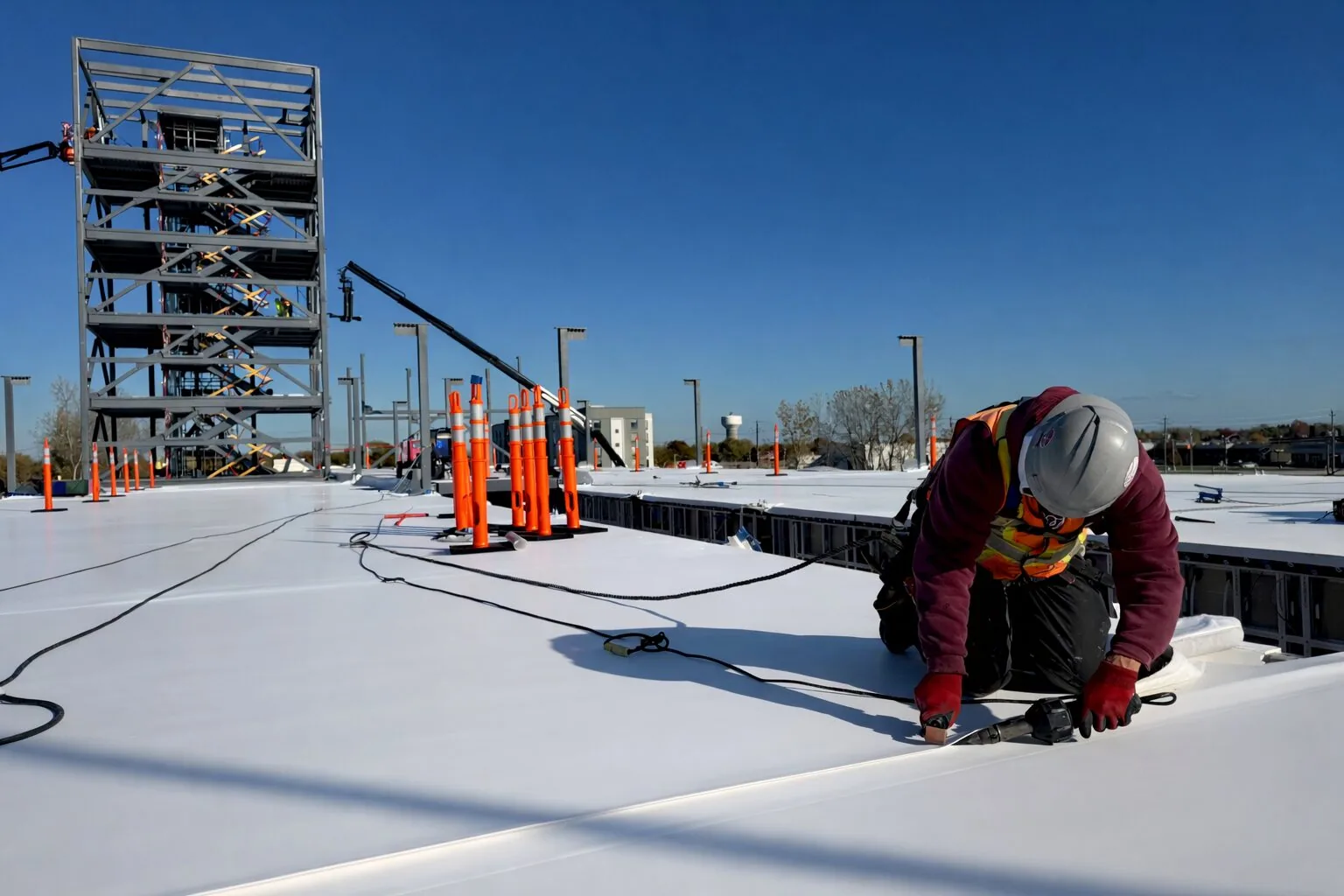
The accepted assembly determines insulation, attachment, membrane, accessory and termination requirements. We prepare the substrate, install layers in sequence and check seams and flashings as work progresses. Drains, curbs, penetrations, parapets and edge metal receive details compatible with the selected system. The crew does not substitute an accessory because it appears to fit; the project documents and manufacturer details guide the connection.
Before a delivery or crane pick, the facility contact confirms the route, laydown area and equipment service restrictions. A phased work plan sets roof sections, daily tie-ins and turnover. If the field has a different curb height, deck transition or drain location than shown, we photograph the condition and pause the affected detail while the design contact decides how to proceed. That protects the assembly from a rushed, undocumented change.
Before the crew starts, we confirm that rolls, boards, fasteners, adhesives and flashing accessories listed for the roof have arrived in the planned quantity. The superintendent can then release a section knowing the required components are staged together. If an item is missing or the submittal differs from the delivered product, the material is held for review instead of being installed as a substitute.
We confirm the sequence at each tie-in.
Keep repair boundaries tied to the field
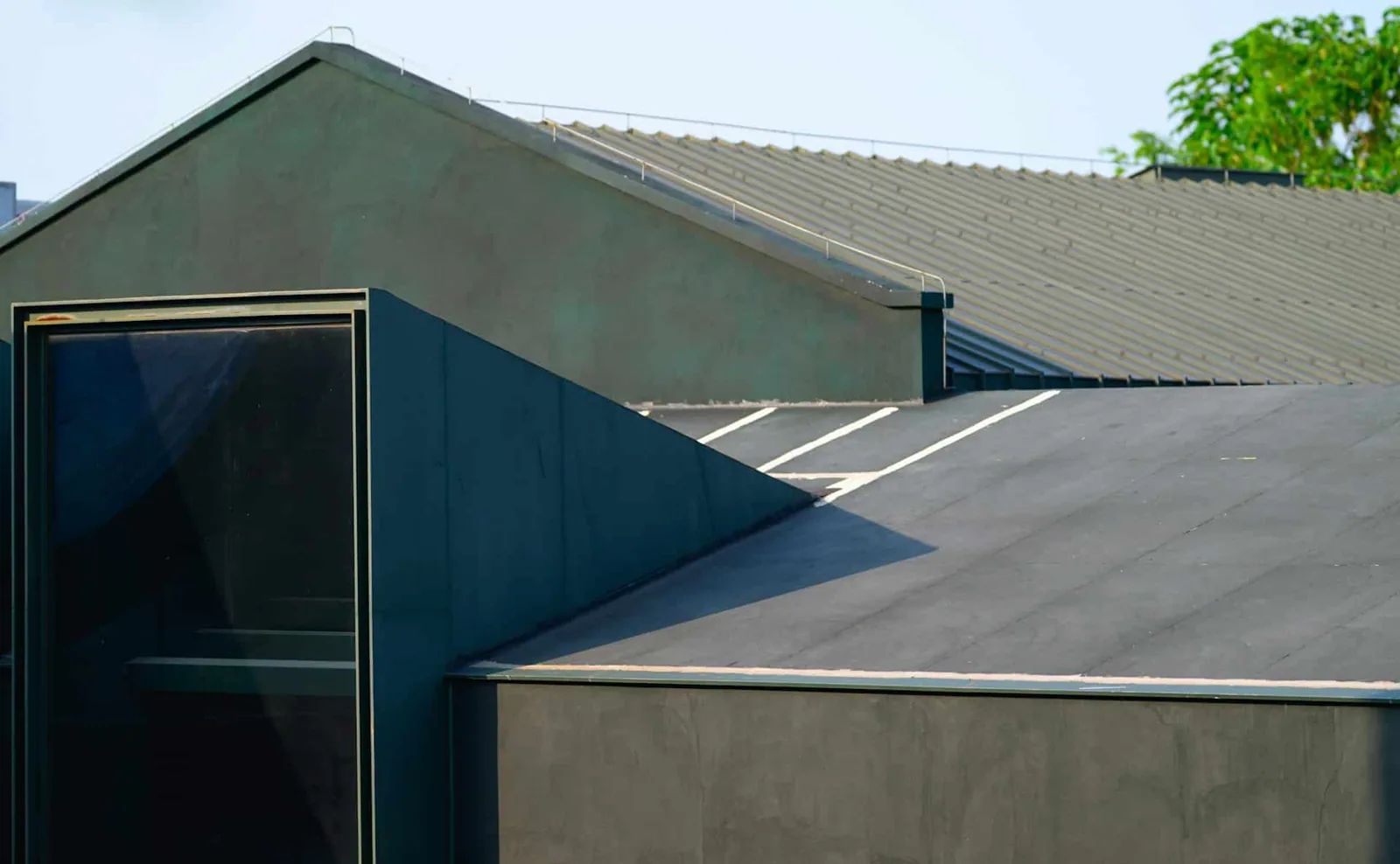
We locate a leak or seam issue, inspect the surrounding material and determine whether a localized repair can restore the connection. The roof map includes the opening, adjacent seams, penetrations and any area that may need testing. If wet insulation or deck damage is confirmed, the work expands only after the owner reviews the evidence and directs the next step. This gives facilities staff a clear distinction between a repair patch and removal of affected layers.
When wider wear is present, we compare maintenance, repair, coating or replacement options against the assembly and its condition. A recover review checks whether existing layers can remain, while a replacement scope defines removal and new system details. If project documents allow a product comparison, we can also review a Carlisle SynTec system or GAF assembly with the design team. Each option requires its own submittal and compatibility check.
Set a safe stopping point
Athens sees frequent warm-season thunderstorms, with damaging wind and hail in the broader region. We schedule tear-off and membrane work with a forecast hold, dry-in material and a fixed amount of surface to open. Material arrives before that work boundary begins, and the crew confirms the tie-in at the end of each shift. If lightning, wind or rain closes the window, the field lead secures the section and reports status to the facility contact.
We confirm safe access, document the condition and apply temporary protection when weather allows. Permanent repair is scoped after inspection. A storm history does not establish that a specific roof is damaged; observations stay tied to the address and area inspected.
Leave the owner with an installation record
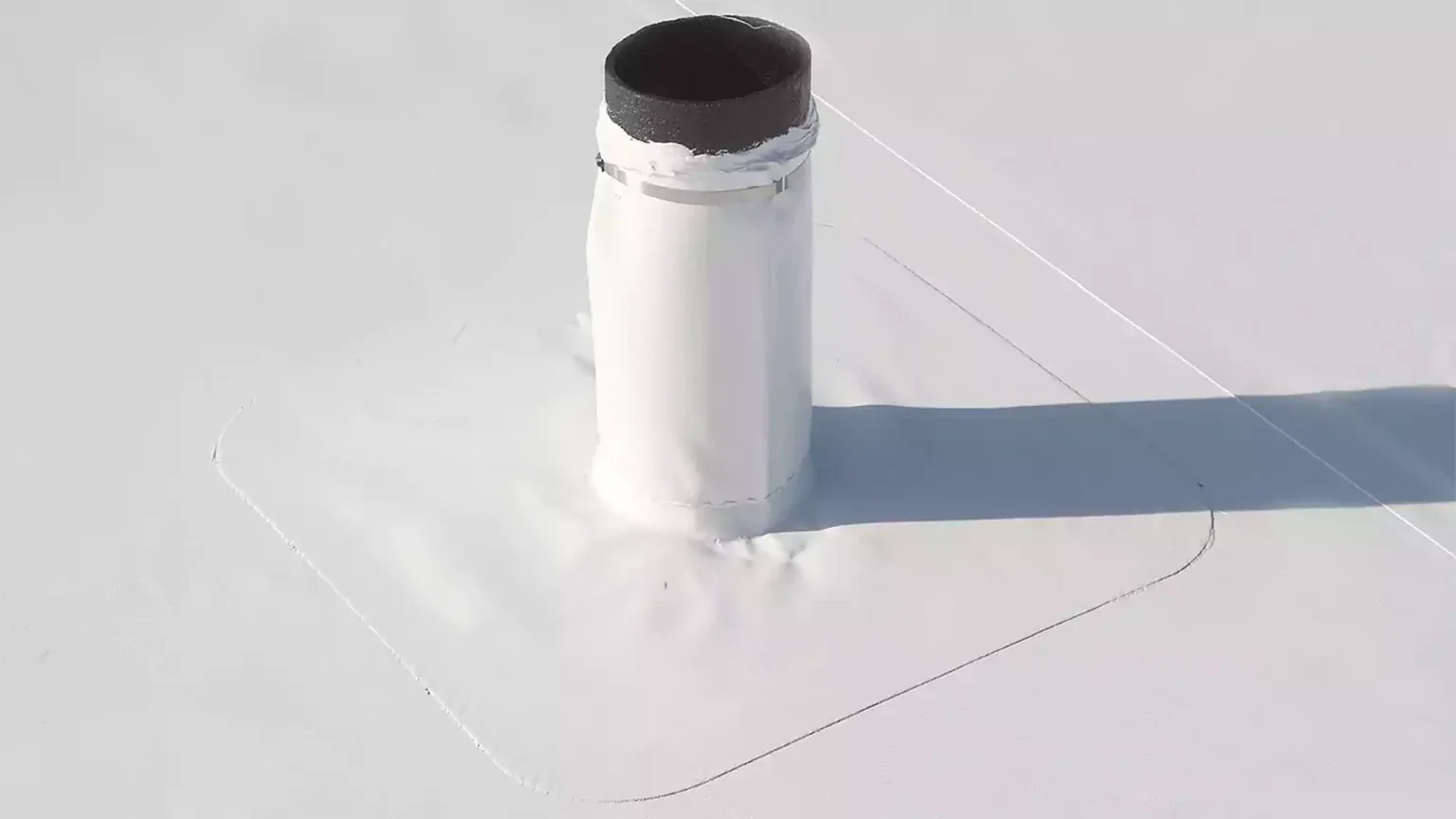
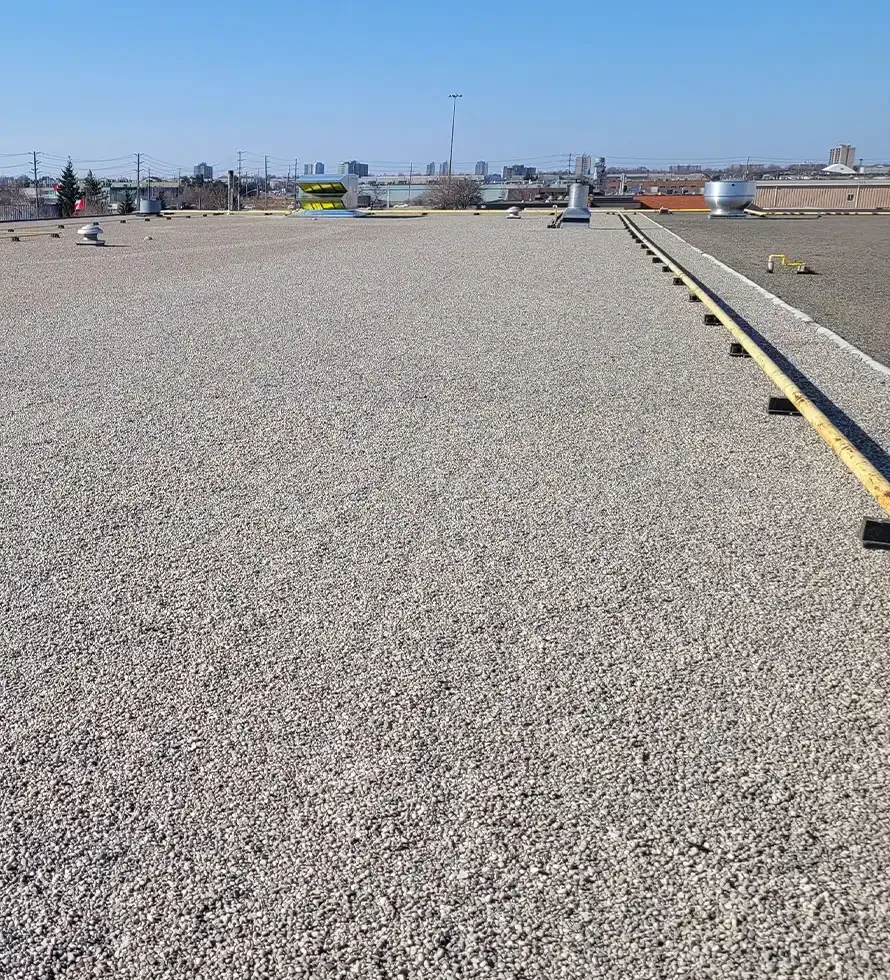
Closeout checks field seams, penetrations, flashing, edges and drainage, then records completed sections, photographs, approved assembly details and open items. We label the roof zones and record any test that remains. The facility team can use that record to locate maintenance needs and connect later service calls with the work completed.
A site near Piedmont Athens Regional or within a broader owner portfolio still receives its own map and access record. The owner retains any issued warranty paperwork and confirms its conditions with the issuing party. Contact Commercial Roofing Athens to inspect the Holcim Elevate assembly, review project documents and plan a repair or replacement around the building schedule.
Where product records use a legacy name, retain both that document and the current system reference so future maintenance staff can follow the material history.
The phase record lists attachment, insulation, cover board, tie-in and penetration details used on each roof section.
Related Roofing Work
Frequently Asked Questions
What Holcim Elevate system is on this building?
We compare field details, records and submittals to identify the installed product and assembly. Unconfirmed layers or accessories remain listed for verification.
Can a Holcim Elevate TPO roof be repaired?
Yes, when the membrane and surrounding assembly can accept a compatible detail. We verify material, preparation, moisture and attachment before defining the patch.
Can you recover an existing roof assembly?
That depends on moisture, layer count, deck, attachment, drainage and height. We inspect those conditions before determining whether existing material can remain.
What if the field detail differs from the plan?
We document the location and hold the affected installation until the design contact reviews the condition and provides an approved direction.
How is the work protected from rain?
The sequence limits exposed area, stages dry-in materials and sets a stopping point. The field lead secures the tie-in and updates the site contact if weather changes.